

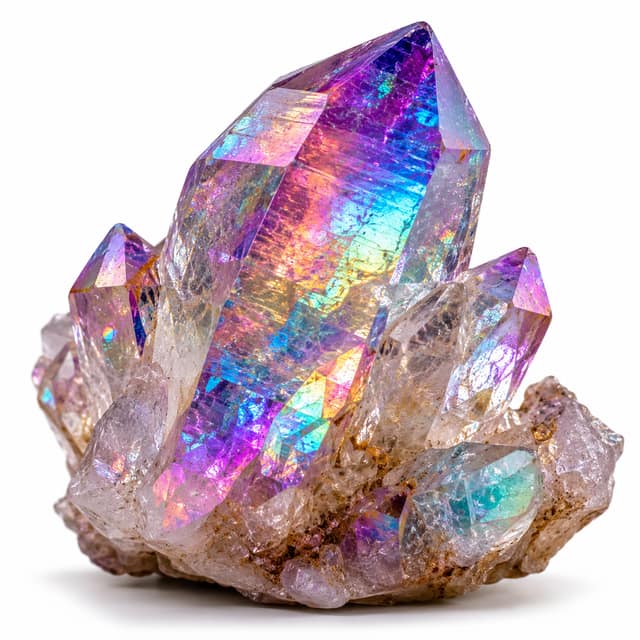
Aurora Quartz
Aurora quartz is coated quartz sold under a trade name for iridescent surface color effects.
Colour focus
Discover gemstones with pink tones, curated for design, jewellery, and clarity.
Aurora quartz is coated quartz sold under a trade name for iridescent surface color effects.
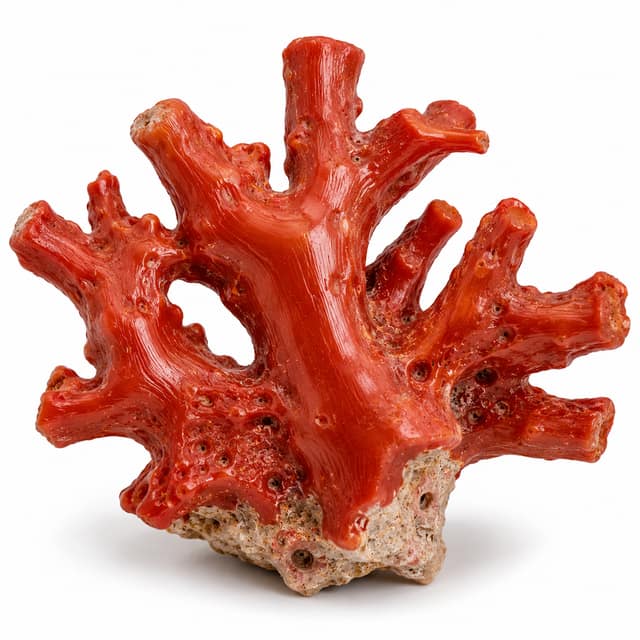
Gem coral is an organic biogenic material composed of coral skeleton polished for ornamental use.
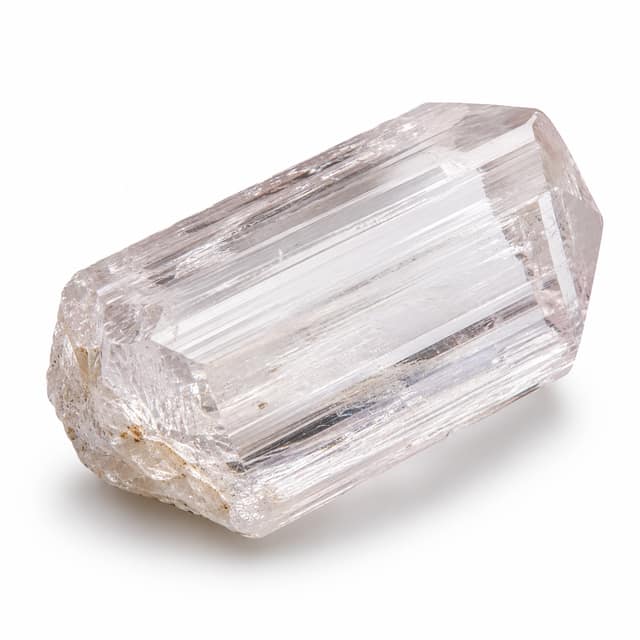
Danburite is a calcium borosilicate gemstone often seen as a colorless faceted stone.
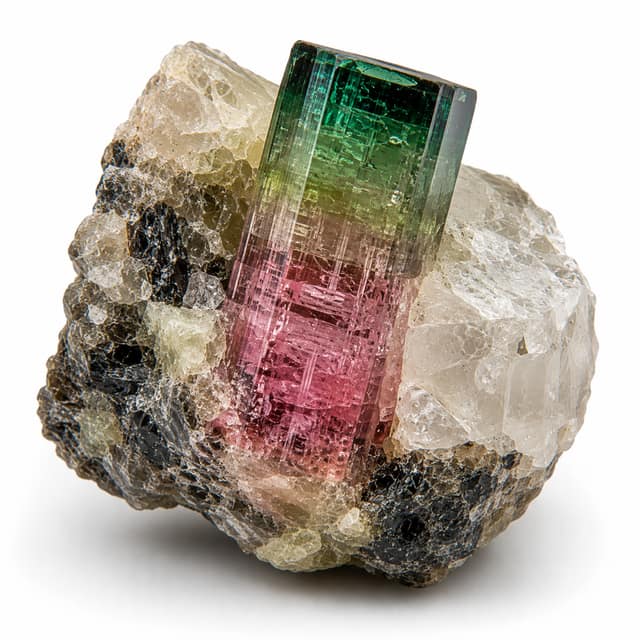
Elbaite is the lithium-rich tourmaline species that includes many prized gem tourmaline colors.
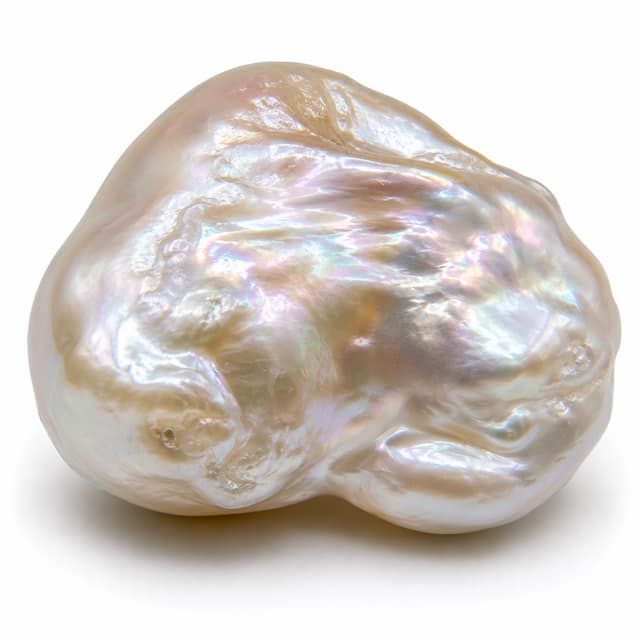
Freshwater pearls are cultured biogenic gems produced in freshwater mollusks.
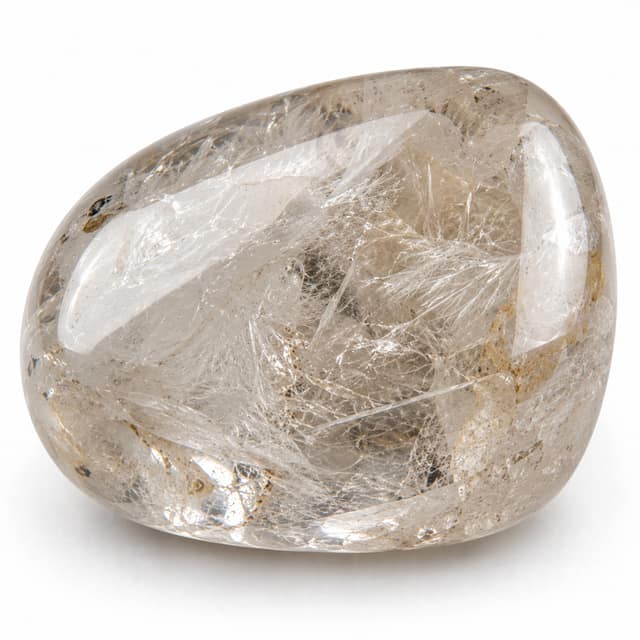
Hydro quartz refers to hydrothermally grown synthetic quartz used as a gem and decorative material.
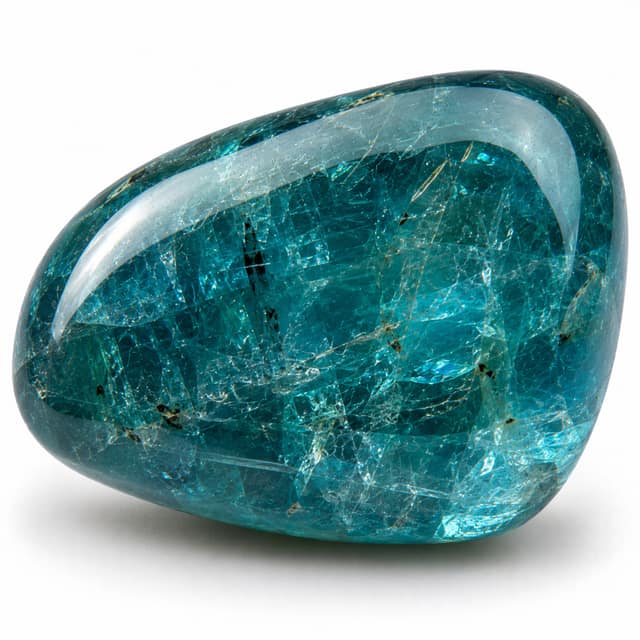
Part of the identity of Indicolite comes from the producing regions associated with it. That combination of green body colour, 7 Mohs hardness, and vitreous lustre is what usually makes it recognisable in practice. The secondary pink note often matters more than people expect when separating it from lookalikes.
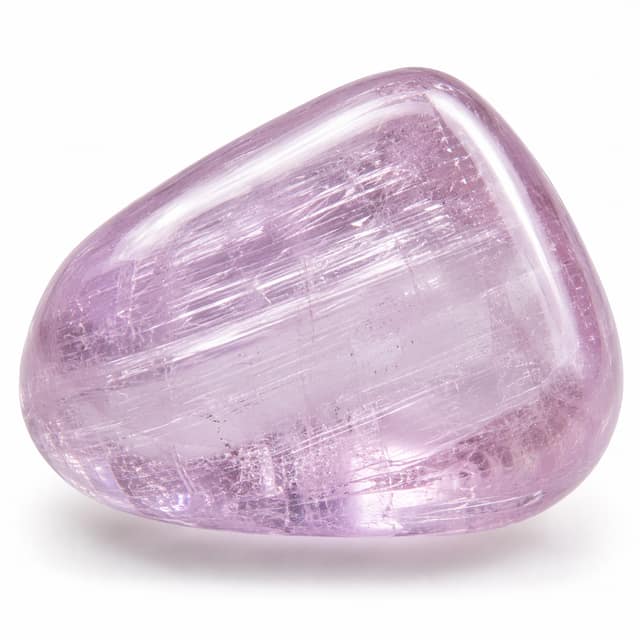
Kunzite profile is under factual gemological review. Properties shown here are provisional unless marked as verified.
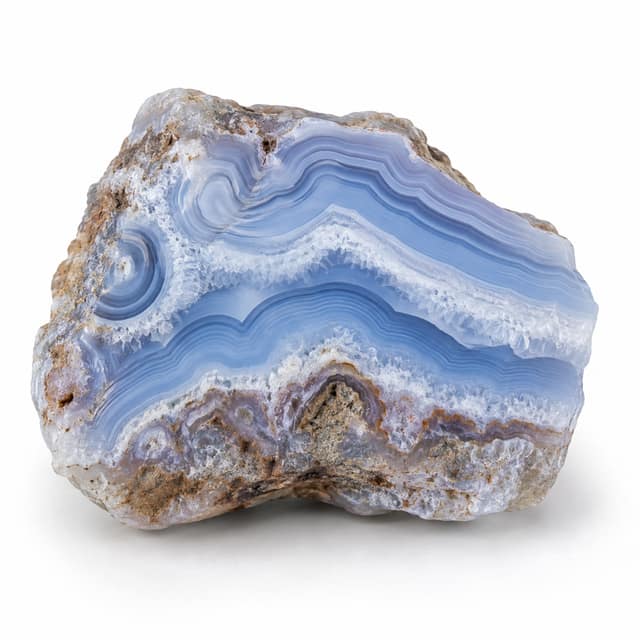
Laguna agate is a prized Mexican agate known for tight, colorful fortification banding.

Liddicoatite is a calcium-rich tourmaline species known for striking multicolor zoning patterns.
Morganite profile is under factual gemological review. Properties shown here are provisional unless marked as verified.
Ocean jasper is a trade name for orbicular patterned chalcedony/jasper material, chiefly from Madagascar.
Ocean jasperite is a trade descriptor for patterned ornamental material, not a strict mineral species.
Orthoclase is a monoclinic potassium feldspar species and an important member of the moonstone feldspar series.
Padparadscha Sapphire sits among the more resilient gem materials used for jewellery, which shapes both how it wears and how it is collected. That combination of blue body colour, 9 Mohs hardness, and vitreous lustre is what usually makes it recognisable in practice. The secondary sapphire blue note often matters more than people expect when separating it from lookalikes.
Paraiba Tourmaline profile is under factual gemological review. Properties shown here are provisional unless marked as verified.
Among jewellery stones, Peach Topaz stands out for combining appearance with notable wear resistance. That combination of blue body colour, 8 Mohs hardness, and vitreous lustre is what usually makes it recognisable in practice. The secondary orange note often matters more than people expect when separating it from lookalikes.
Pearl is an organic gem formed by mollusks, represented in trade by both natural and cultured products.
Phenakite is a beryllium silicate gemstone species known for high clarity and limited availability.
Pink apatite is a calcium phosphate gemstone variety valued for delicate to vivid pink color.
Pink chalcedony is a pastel pink chalcedony variety used in beads and cabochon jewelry.
Pink coral is an organic gem material widely used in decorative jewelry, often requiring treatment and sourcing disclosure.
Pink Sapphire profile is under factual gemological review. Properties shown here are provisional unless marked as verified.
Pink Spinel sits among the more resilient gem materials used for jewellery, which shapes both how it wears and how it is collected. That combination of pink body colour, 9 Mohs hardness, and vitreous lustre is what usually makes it recognisable in practice.
Locality plays an important role in how Pink Tourmaline is understood in the gem trade. Collectors and lapidaries comparing similar stones often come to it for different reasons, but identification still comes back to pink body colour, 7 Mohs hardness, and vitreous lustre.
Rhodochrosite is a manganese carbonate known for pink to red coloration and characteristic banding in many lapidary pieces.
Rhodonite is a manganese silicate gemstone recognized by pink body colour and dark manganese-oxide veining.
Rose aura quartz is coated quartz designed to create pink iridescent surface effects.
Rose quartz is the pink variety of quartz, usually found as translucent massive material and less commonly as transparent crystals.
Part of the identity of Rubellite comes from the producing regions associated with it. Collectors and lapidaries comparing similar stones often come to it for different reasons, but identification still comes back to green body colour, 7 Mohs hardness, and vitreous lustre. The secondary pink note often matters more than people expect when separating it from lookalikes.
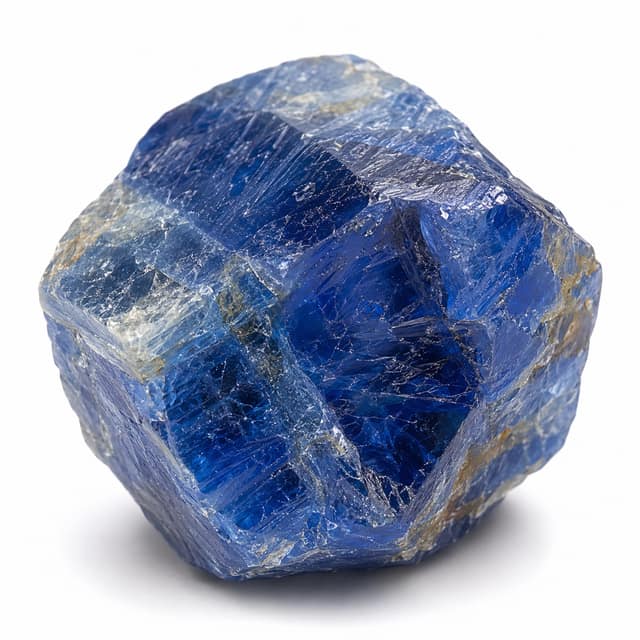
Sapphire covers far more than blue, yet the gem remains associated with crisp colour, durability, and a polished, highly wearable finish. Its place in jewellery owes as much to resilience as to appearance.
Smithsonite is a zinc carbonate mineral used as a collector and ornamental gemstone material.
Durability is part of the appeal of Spinel, not merely a technical footnote. That combination of blue body colour, 9 Mohs hardness, and vitreous lustre is what usually makes it recognisable in practice. The secondary pink note often matters more than people expect when separating it from lookalikes.
Star Sapphire profile is under factual gemological review. Properties shown here are provisional unless marked as verified.
Thulite is a pink variety of zoisite used mainly in carvings and cabochons.
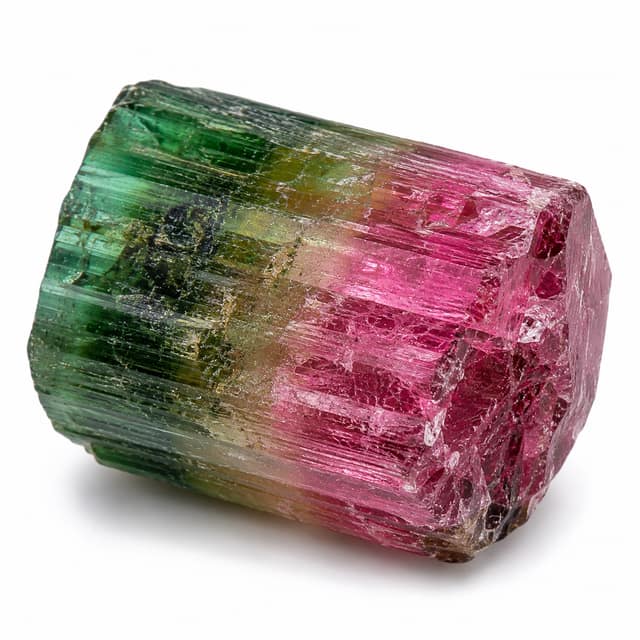
Locality plays an important role in how Tourmaline is understood in the gem trade. That combination of green body colour, 7 Mohs hardness, and vitreous lustre is what usually makes it recognisable in practice. The secondary pink note often matters more than people expect when separating it from lookalikes.
Tugtupite is a rare pink feldspathoid known for UV fluorescence and light-sensitive color behavior.
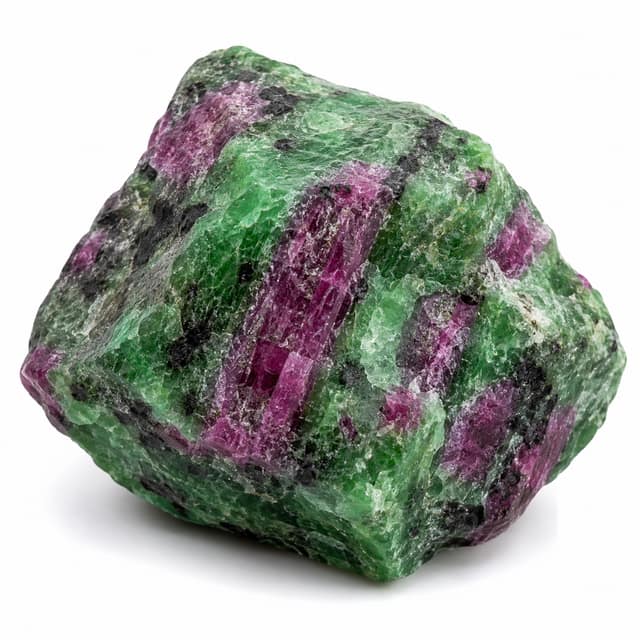
Zoisite is an orthorhombic sorosilicate species encompassing several gem varieties.