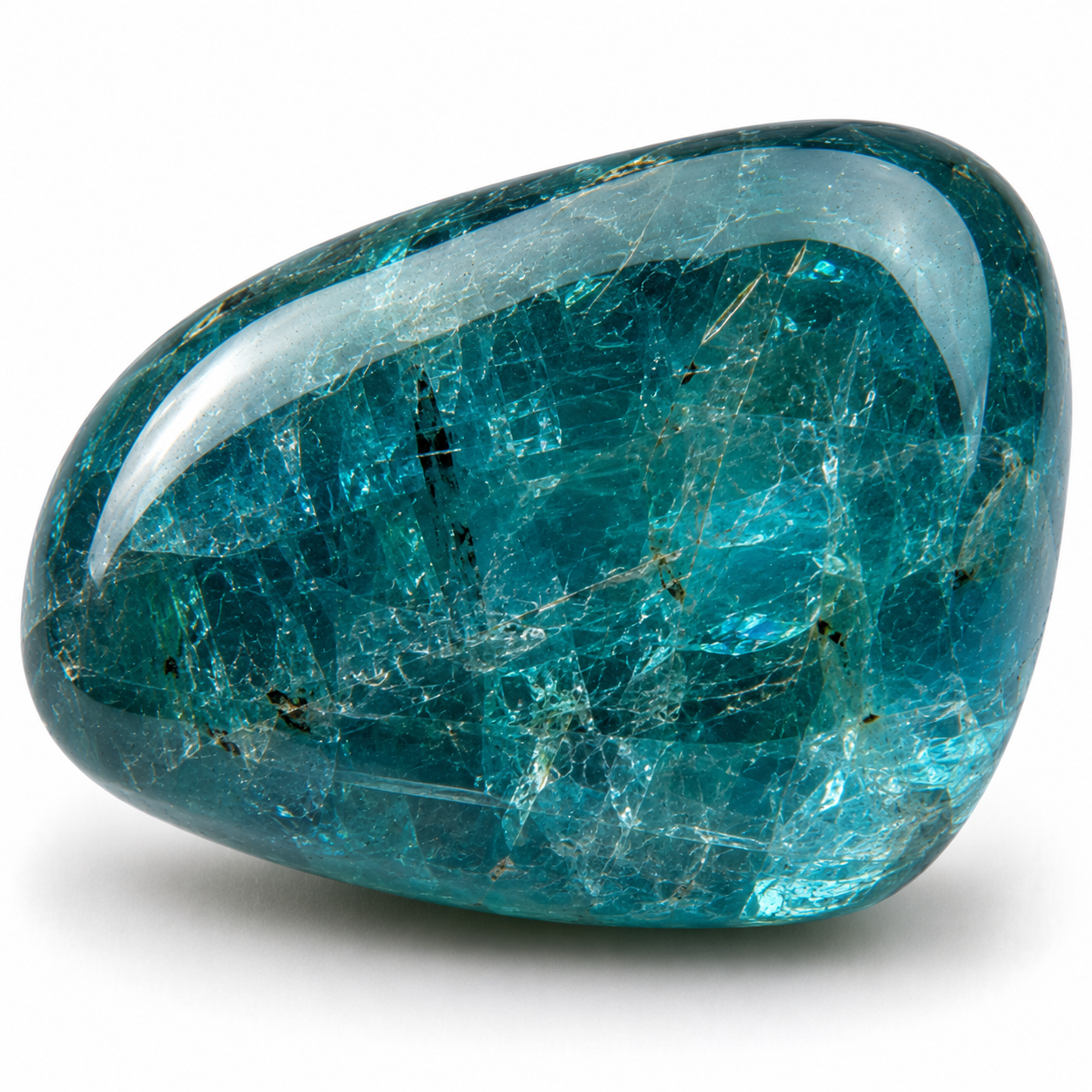
Mineral species: Tourmaline group
Mineral group: Tourmaline group
Chemical formula: Complex borosilicate group (variable species chemistry)
Mohs hardness: 7.25
Crystal system: Trigonal
Lustre: vitreous
Transparency: transparent
Streak: White
Cleavage: Indistinct
Fracture: Conchoidal to uneven
Specific gravity: 3.00-3.20
Refractive index: 1.61-1.65
Optical phenomena: Pleochroism
Colour range: Green, Pink
Common inclusions: Growth tubes, liquid inclusions, and color-zoning features
Geological environment: Indicolite occurs in Boron-rich granitic pegmatites and associated hydrothermal systems. Its Trigonal structure reflects the pressure-temperature conditions of those host rocks, with notable occurrences in Brazil, Afghanistan, Nigeria, Mozambique, Madagascar.
Principal mining regions: Brazil, Afghanistan, Nigeria, Mozambique, Madagascar
Important commercial sources: Commercial gem tourmaline is supplied mainly by Brazil and East Africa, with Afghanistan important for some varieties
Historical significance: Tourmaline has become a cornerstone of modern colored-gem trade due to wide color diversity.
Common treatments: Heat treatment is used for some colors; other treatments vary by variety and source lot.
Synthetic or imitation forms: Glass and assembled imitations exist; synthetic true tourmaline is not common in jewelry trade.
Common look-alikes: tourmaline, pink tourmaline, green tourmaline
Jewellery uses: Indicolite is used chiefly for A good fit for collectors and jewellers looking for visible character without needing the highest hardness category.. In the trade it is commonly fashioned as faceted stones, calibrated cuts, and higher-clarity collector pieces, with Mohs hardness 7.25 guiding suitable jewellery applications.
Care recommendations: Indicolite should be cleaned with lukewarm water, mild soap, and a soft brush. At Mohs 7.25 in the Trigonal system, avoid steam cleaners, harsh chemicals, and high-impact wear. Store separately from harder gems to minimise abrasion and edge wear.