

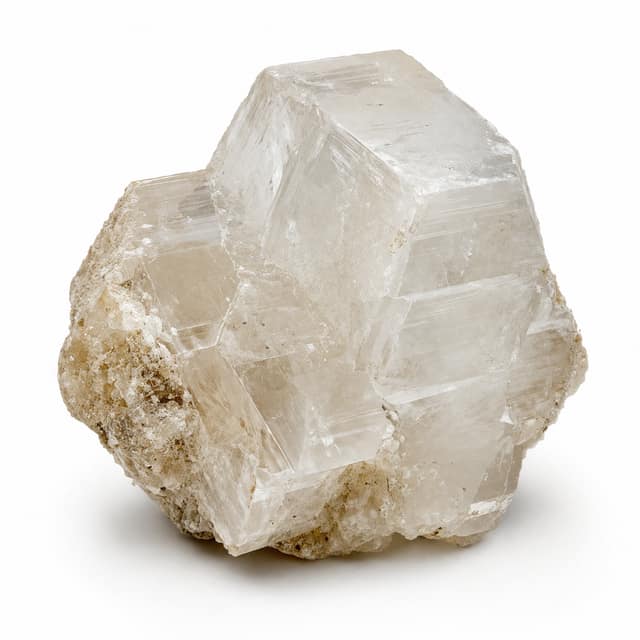
Adularia
Adularia is a low-temperature orthoclase feldspar variety historically associated with moonstone-type adularescence.
Complete index
Explore the gemstone catalogue page by page with colour tags, hardness information, and quick access to detailed profiles.
Adularia is a low-temperature orthoclase feldspar variety historically associated with moonstone-type adularescence.
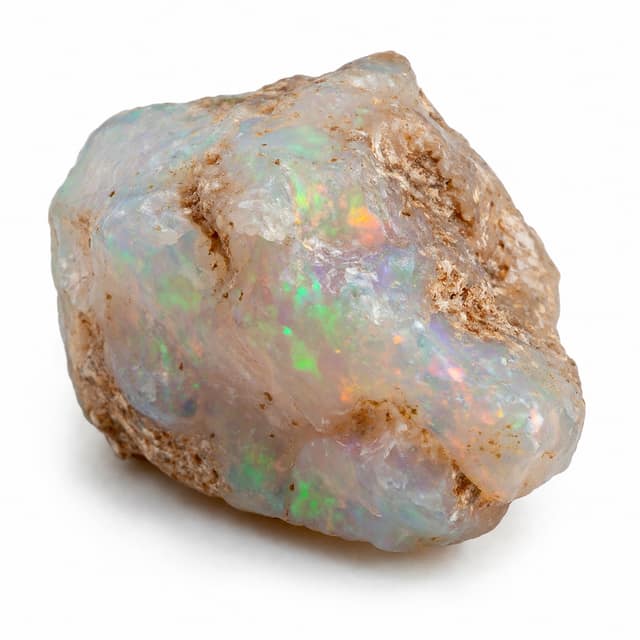
Aegean opal is a trade-name opal category and should be handled as opal mineraloid material with seller-specific locality disclosure.
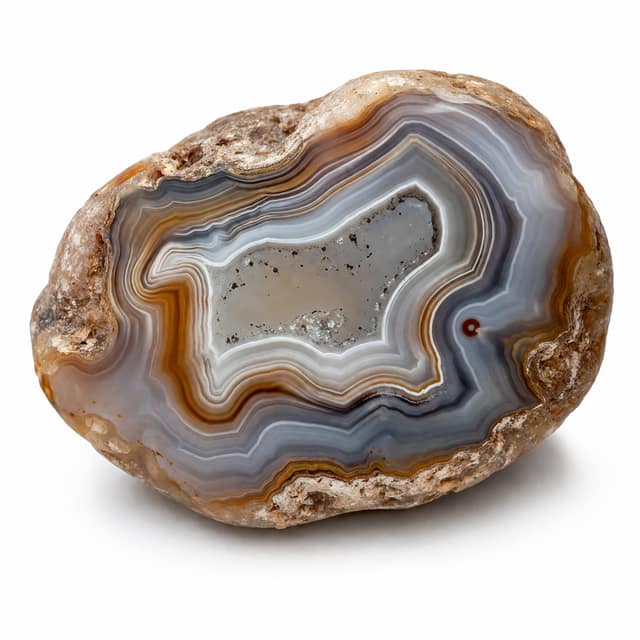
Agate is a banded chalcedony variety of quartz identified by concentric or parallel growth bands and waxy lustre.
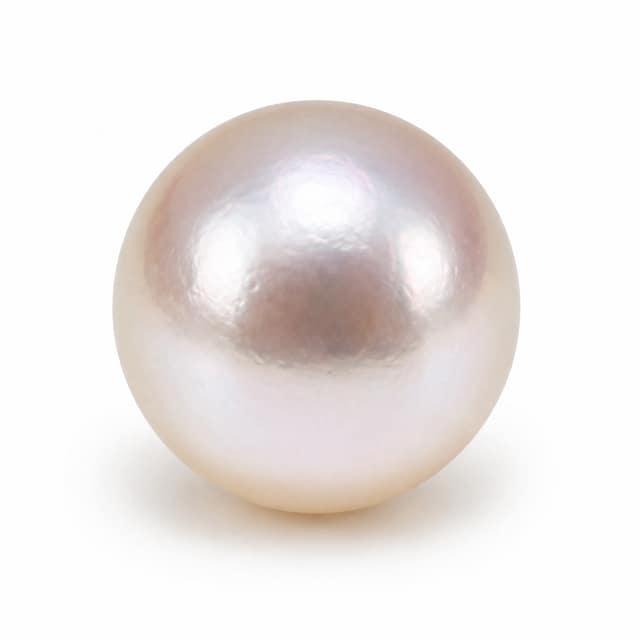
Akoya pearls are marine cultured pearls known for high lustre, round shape, and white to cream body colour with overtones.
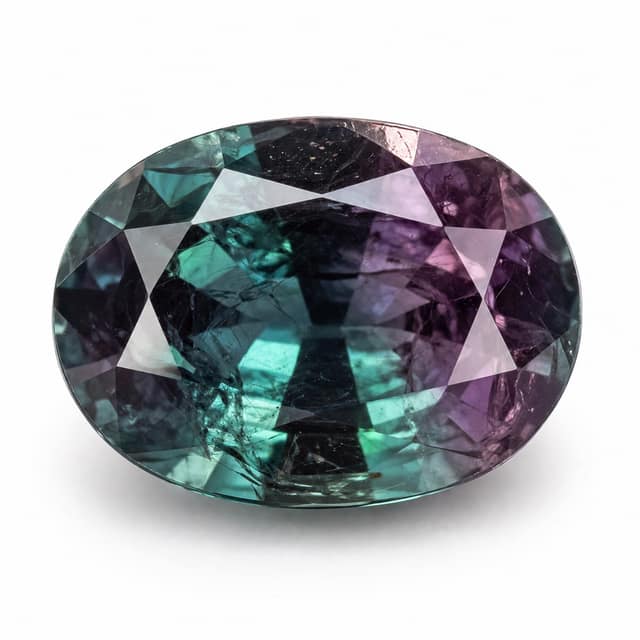
Alexandrite is the colour-change variety of chrysoberyl, typically shifting from green to bluish green in daylight to red to purplish red under incandescent light. Commercial alexandrite is sourced mainly from Brazil, Sri Lanka, and East Africa, with the Russian Urals important historically.
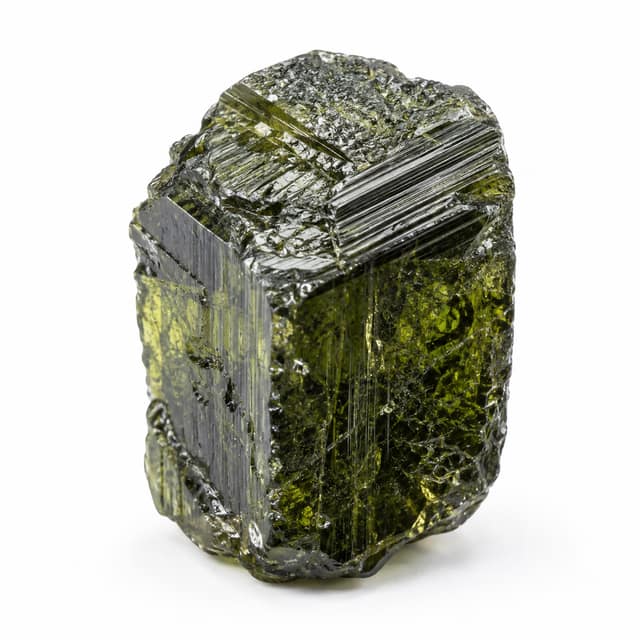
Allanite is a rare-earth-bearing member of the epidote group with limited use as a gemstone and strong collector value.
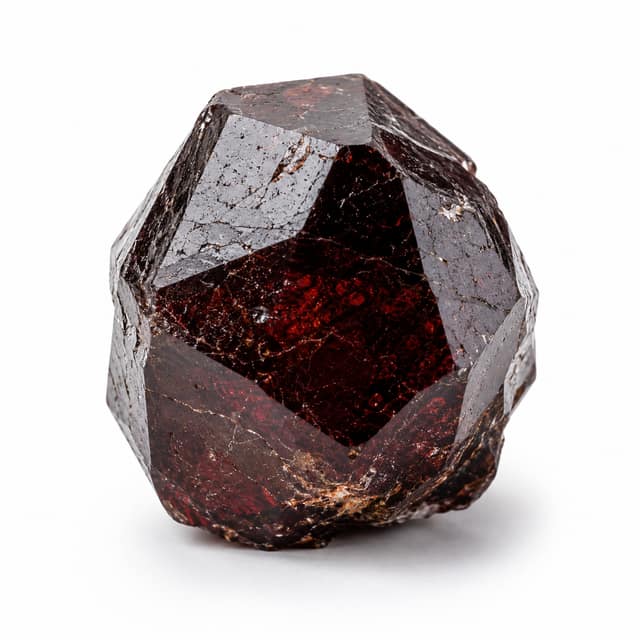
Almandine is the iron-rich red garnet species commonly used in faceted and cabochon jewellery.
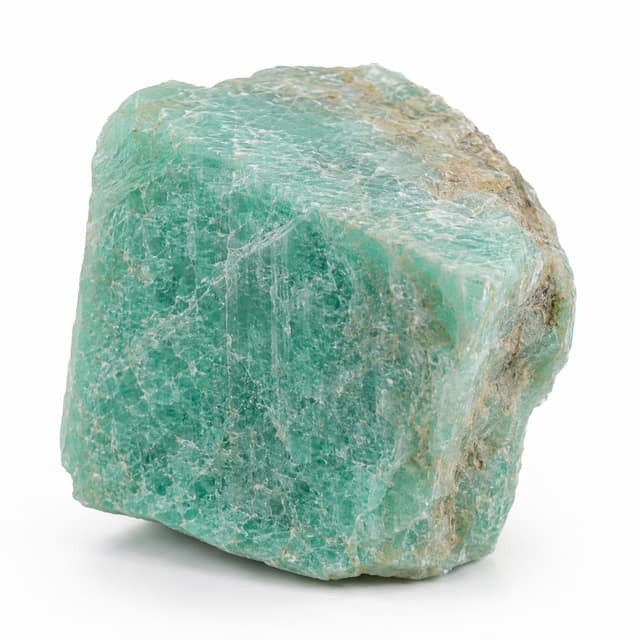
Amazonite is a green to blue-green variety of microcline feldspar.
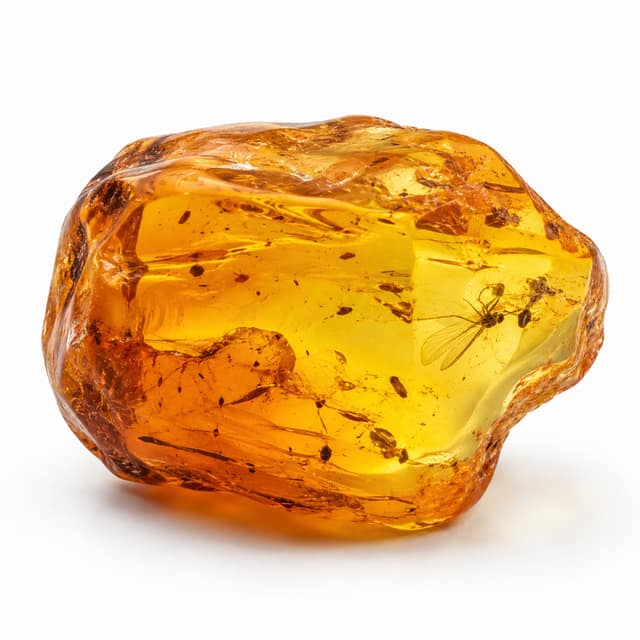
Amber is fossilized tree resin used as an organic gemstone and archaeological material.
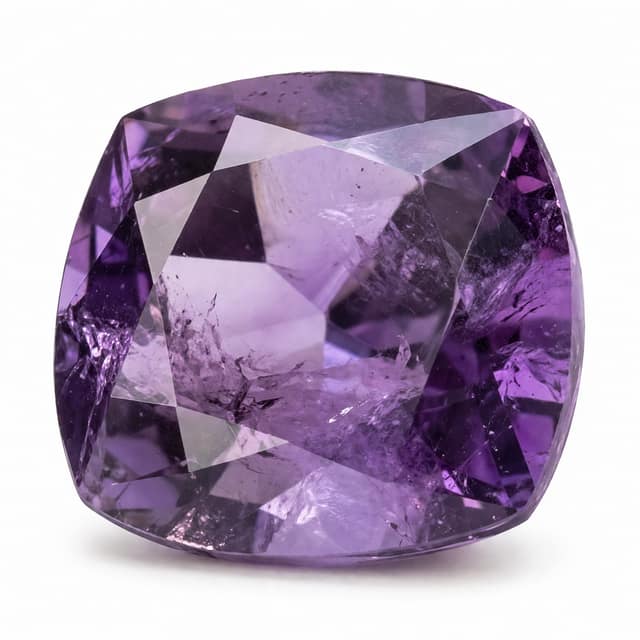
Violet quartz earns its place in both jewellery and mineral collections through colour rather than rarity. The appeal of amethyst lies in how evenly or intensely that purple is distributed, from pale lilac material to richly saturated stones cut for statement pieces.
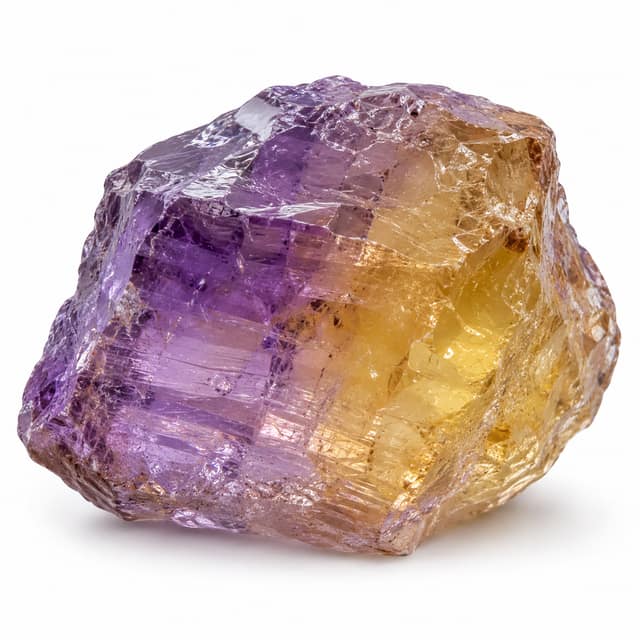
Ametrine is a bicolour quartz variety containing distinct amethyst and citrine colour zones.
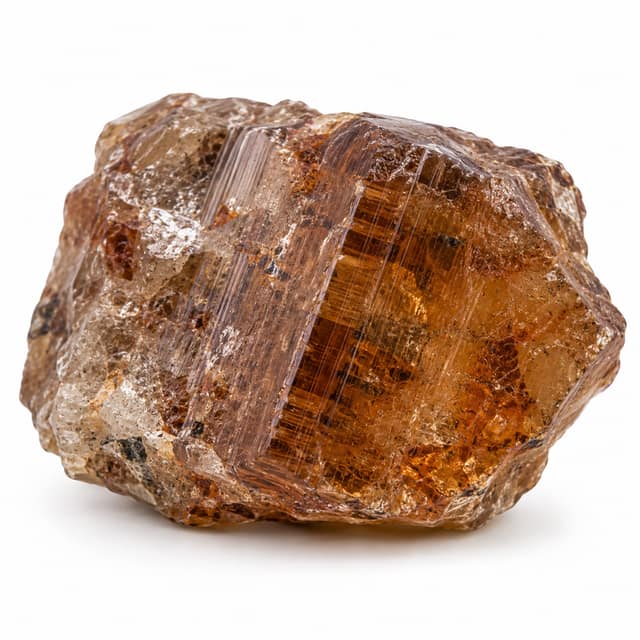
Andalusite is an aluminum silicate gemstone noted for strong pleochroism between green, yellow, and brown hues.
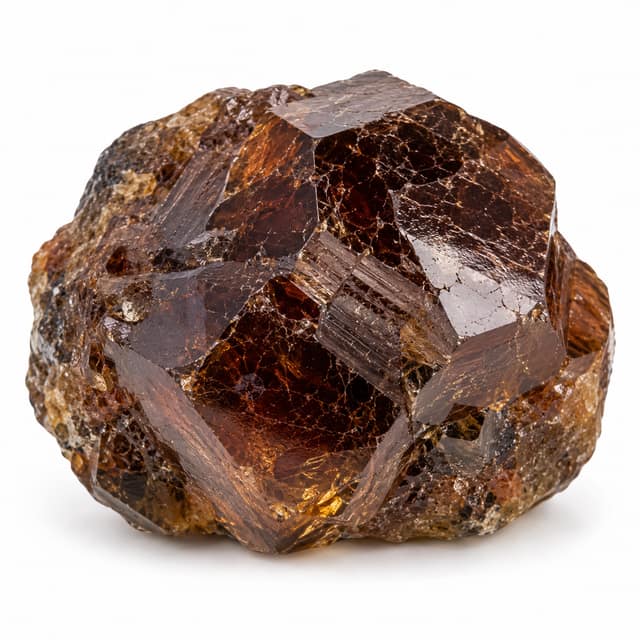
Andradite is a calcium-iron garnet species that includes demantoid and melanite varieties.
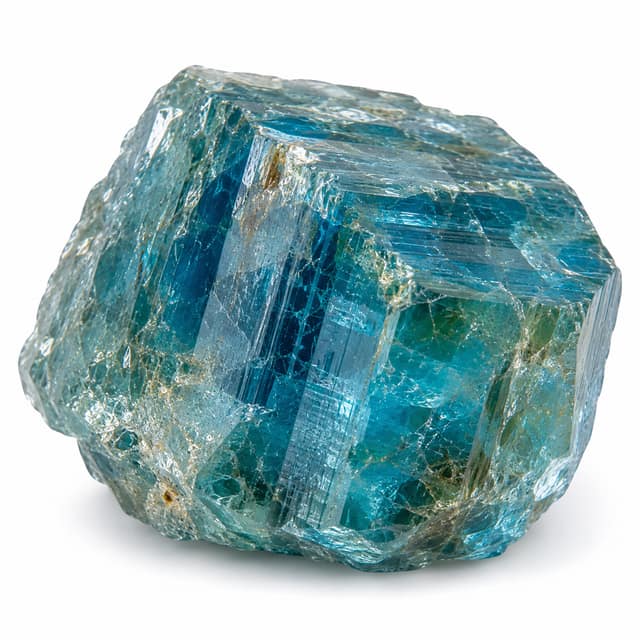
Apatite is a calcium phosphate mineral group used as a collector and jewellery gemstone in multiple colours.
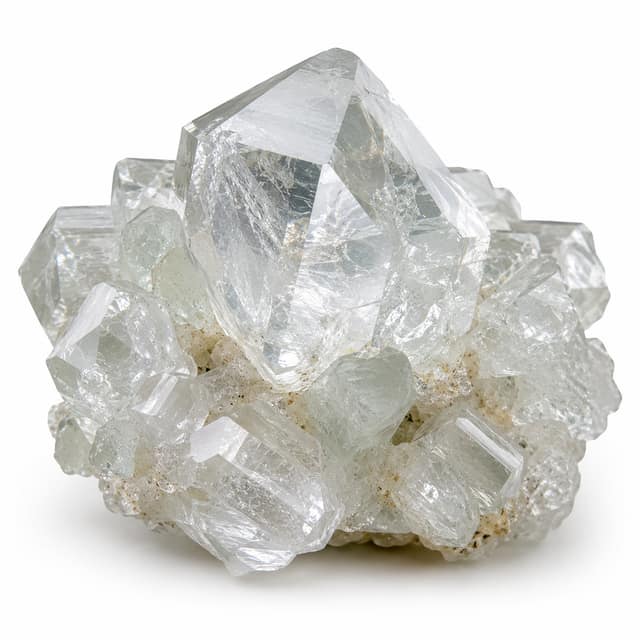
Apophyllite is a hydrated silicate mineral group known primarily as collector crystal material and occasional faceted gem.
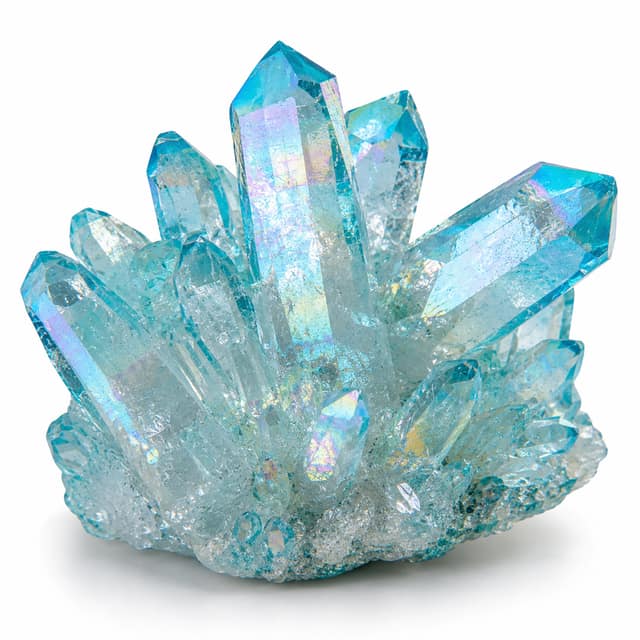
Aqua aura quartz is clear quartz modified by vapor deposition of metals (commonly gold) to produce blue iridescent colour.
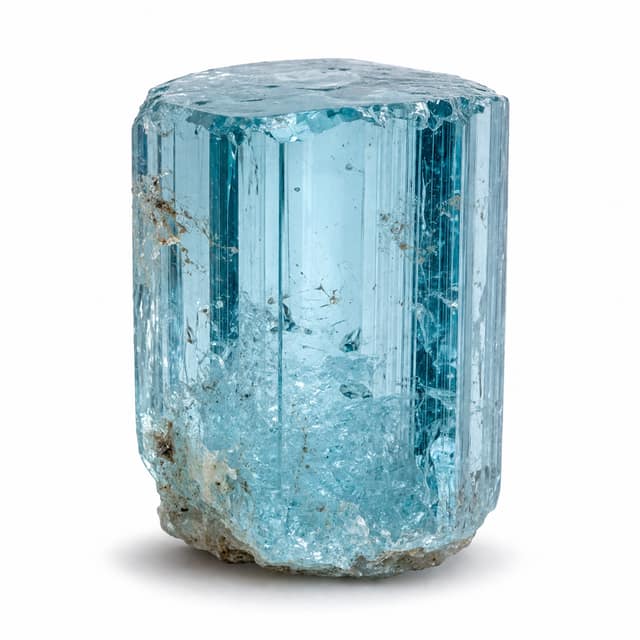
Aquamarine is appreciated for clarity and calm blue colour more than spectacle. Well-cut stones often look almost water-clear at first glance, with the blue becoming more apparent as light travels through the body of the gem.
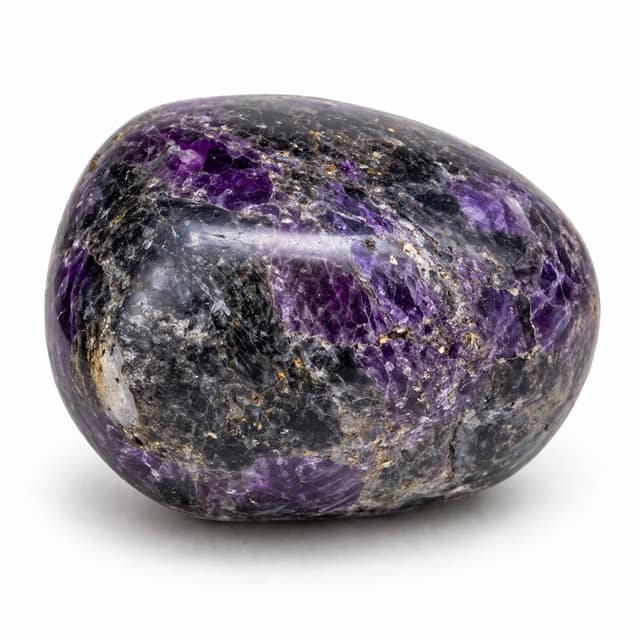
Astro stone is a trade descriptor for decorative composite material rather than a recognized mineral species.
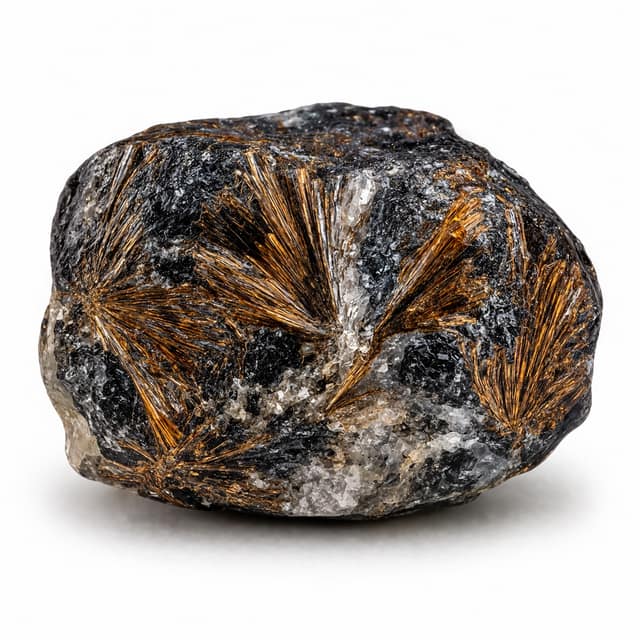
Astrophyllite is a rare complex silicate mineral seen as bronze radiating blades in matrix material.
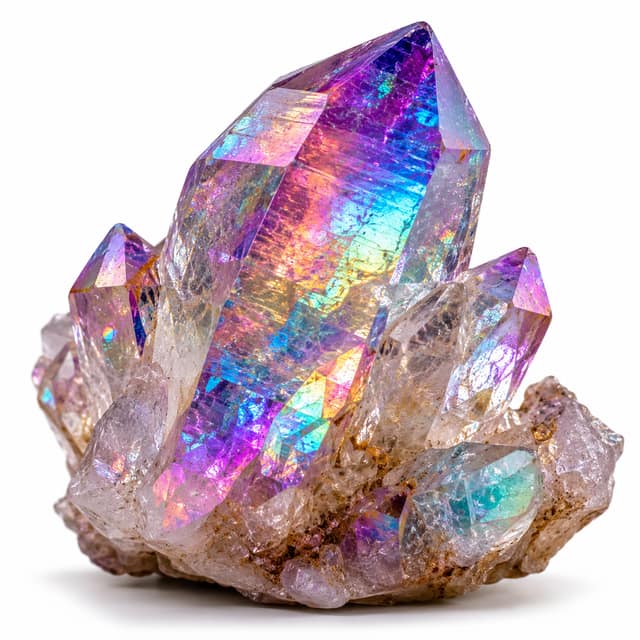
Aurora quartz is coated quartz sold under a trade name for iridescent surface color effects.
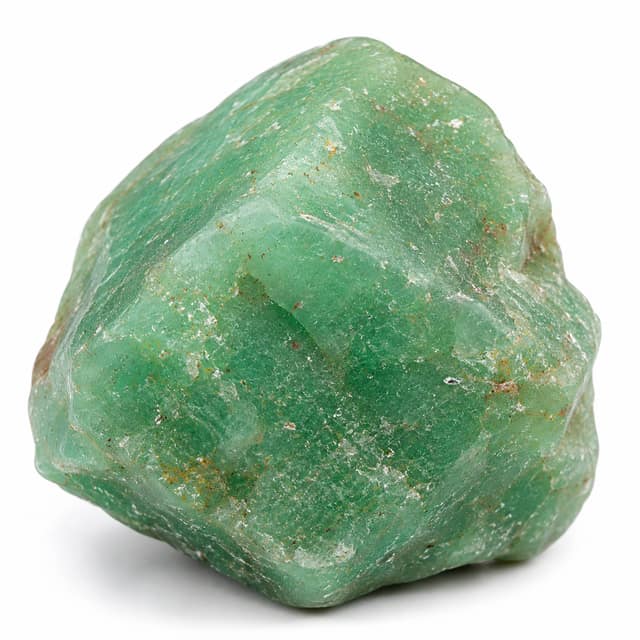
Aventurine is a quartz variety containing reflective platelets that create aventurescence.
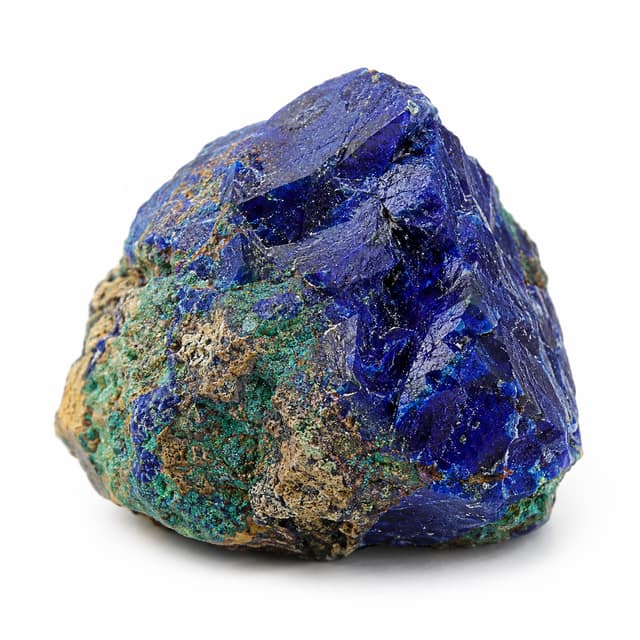
Azurite is a deep blue copper carbonate mineral, often associated with malachite in oxidized copper deposits.
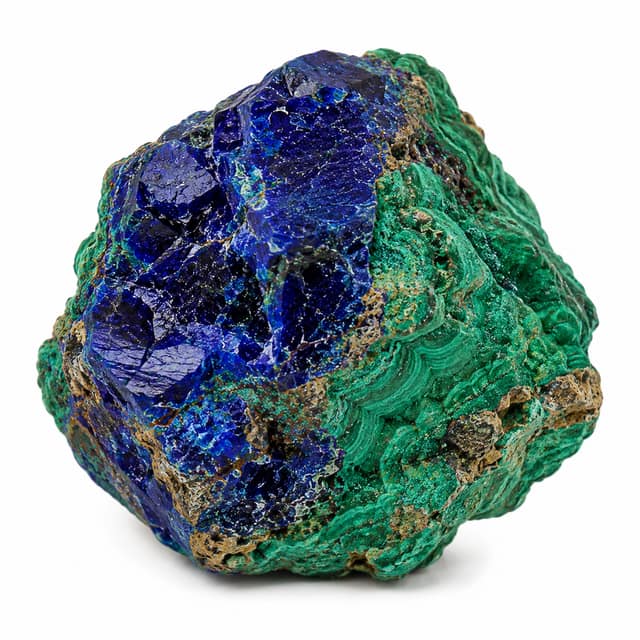
Azurite-malachite is a natural intergrowth of two copper carbonates used as an ornamental gemstone material.
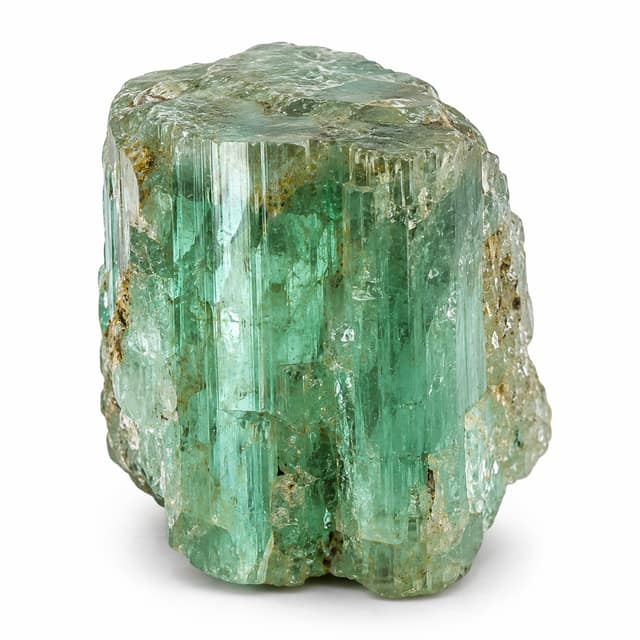
Beryl is often discussed with one eye on colour and the other on where the material comes from. That combination of blue body colour, 7.5 Mohs hardness, and vitreous lustre is what usually makes it recognisable in practice. The secondary green note often matters more than people expect when separating it from lookalikes.
Use focused hubs to discover similar gemstones by colour, transparency, rarity, or durability before reviewing profile details.