

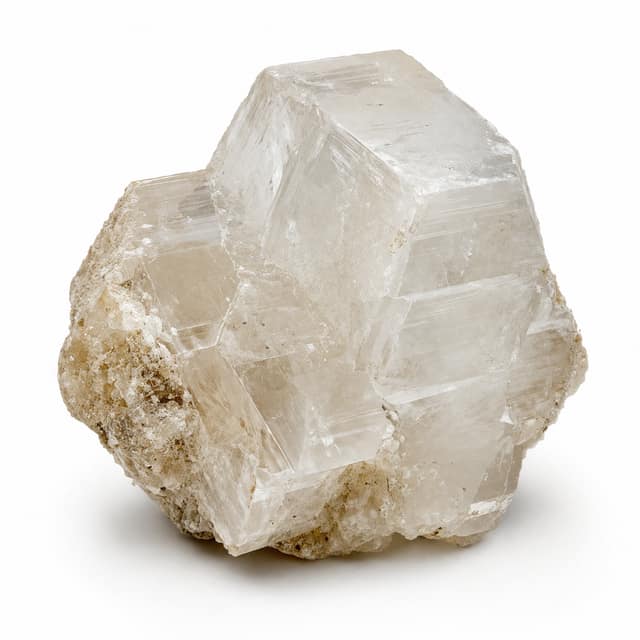
Adularia
Adularia is a low-temperature orthoclase feldspar variety historically associated with moonstone-type adularescence.
Discovery hub
Use this hub to review gemstones that transmit light clearly, then compare hardness and crystal-system details on each profile page.
Transparent appearance is one key signal. For better accuracy, combine transparency with colour, hardness, and crystal-system evidence.
Adularia is a low-temperature orthoclase feldspar variety historically associated with moonstone-type adularescence.
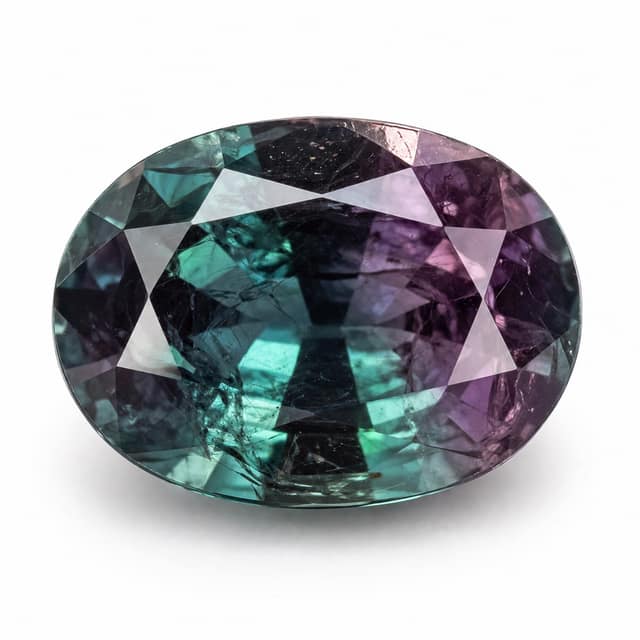
Alexandrite is the colour-change variety of chrysoberyl, typically shifting from green to bluish green in daylight to red to purplish red under incandescent light. Commercial alexandrite is sourced mainly from Brazil, Sri Lanka, and East Africa, with the Russian Urals important historically.
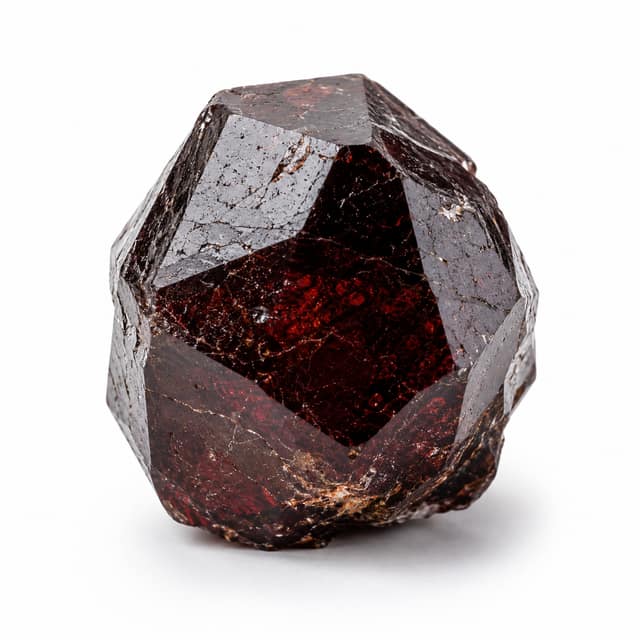
Almandine is the iron-rich red garnet species commonly used in faceted and cabochon jewellery.
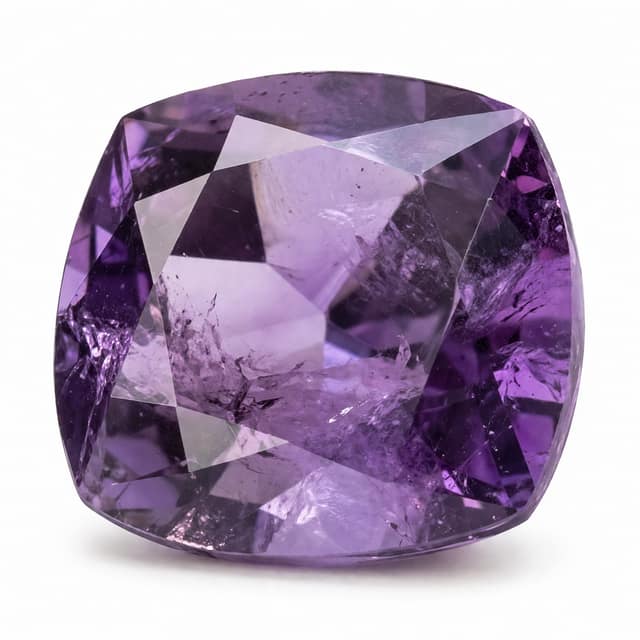
Violet quartz earns its place in both jewellery and mineral collections through colour rather than rarity. The appeal of amethyst lies in how evenly or intensely that purple is distributed, from pale lilac material to richly saturated stones cut for statement pieces.
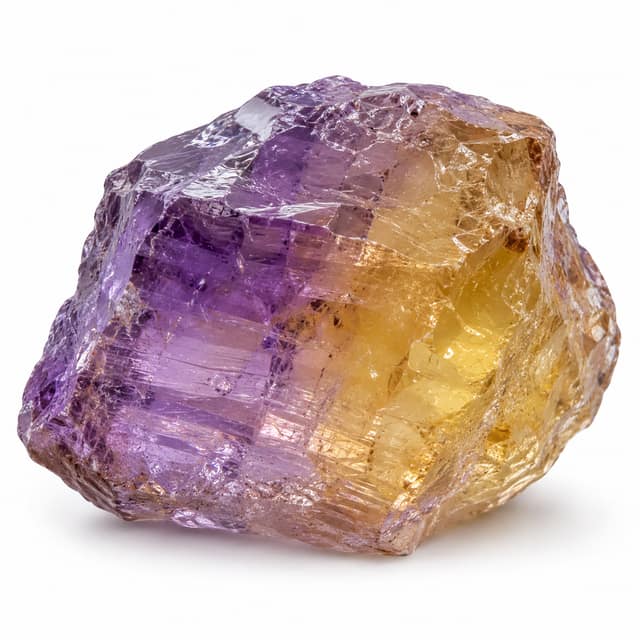
Ametrine is a bicolour quartz variety containing distinct amethyst and citrine colour zones.
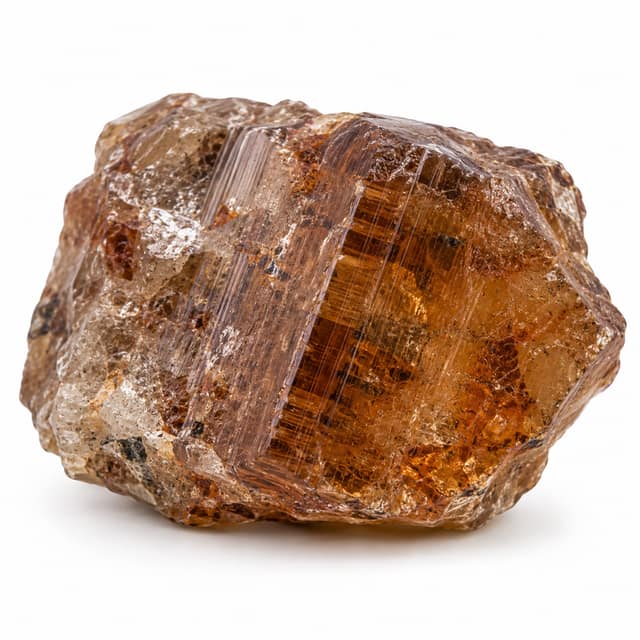
Andalusite is an aluminum silicate gemstone noted for strong pleochroism between green, yellow, and brown hues.
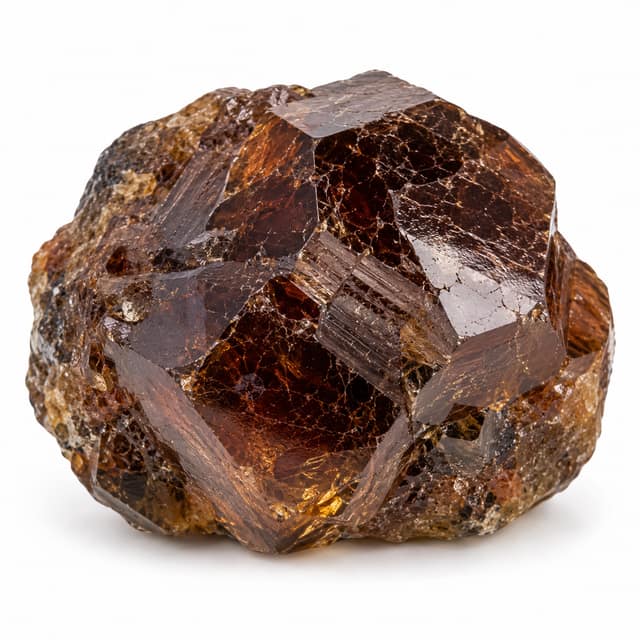
Andradite is a calcium-iron garnet species that includes demantoid and melanite varieties.
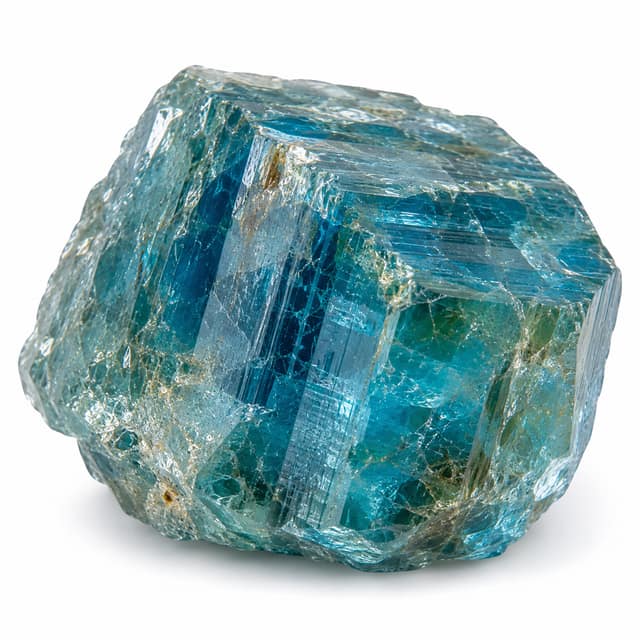
Apatite is a calcium phosphate mineral group used as a collector and jewellery gemstone in multiple colours.
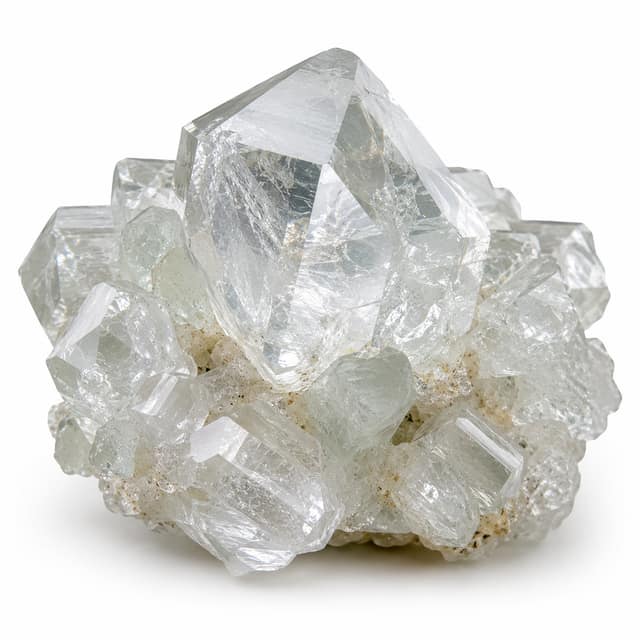
Apophyllite is a hydrated silicate mineral group known primarily as collector crystal material and occasional faceted gem.
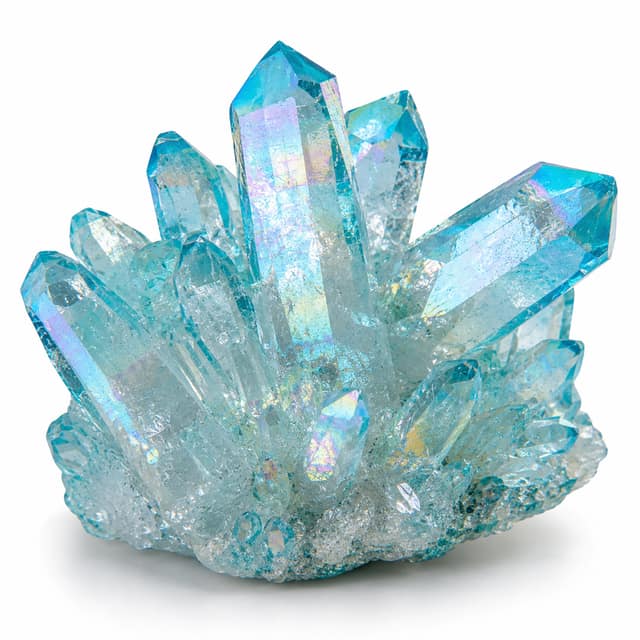
Aqua aura quartz is clear quartz modified by vapor deposition of metals (commonly gold) to produce blue iridescent colour.
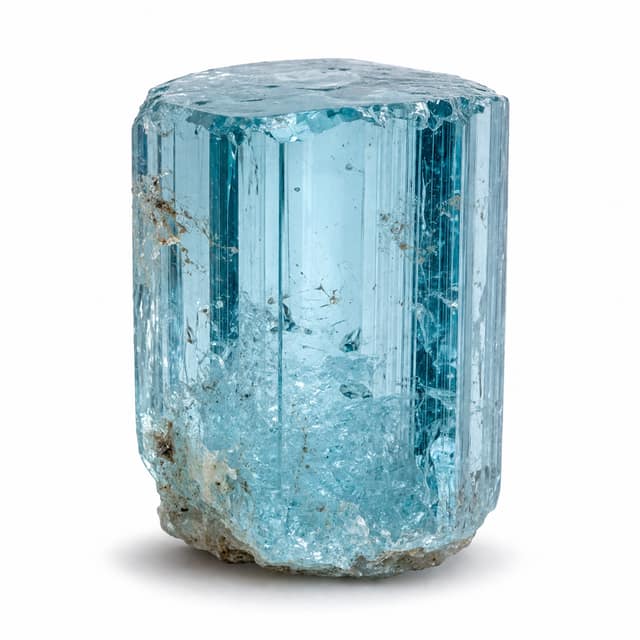
Aquamarine is appreciated for clarity and calm blue colour more than spectacle. Well-cut stones often look almost water-clear at first glance, with the blue becoming more apparent as light travels through the body of the gem.
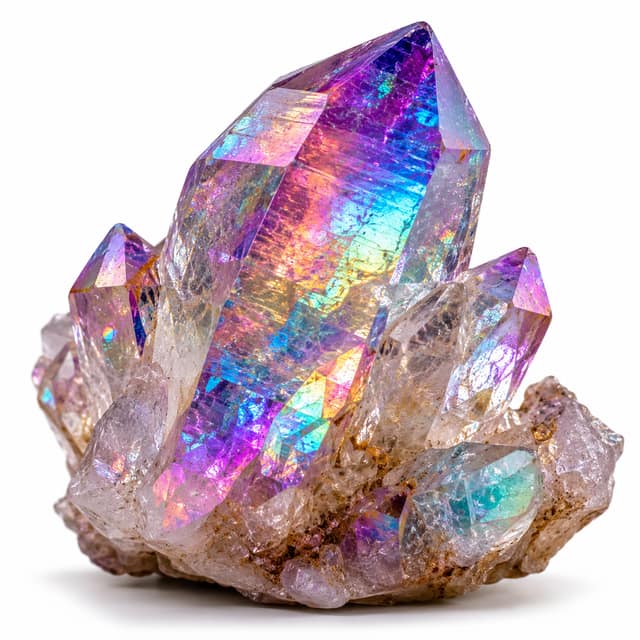
Aurora quartz is coated quartz sold under a trade name for iridescent surface color effects.
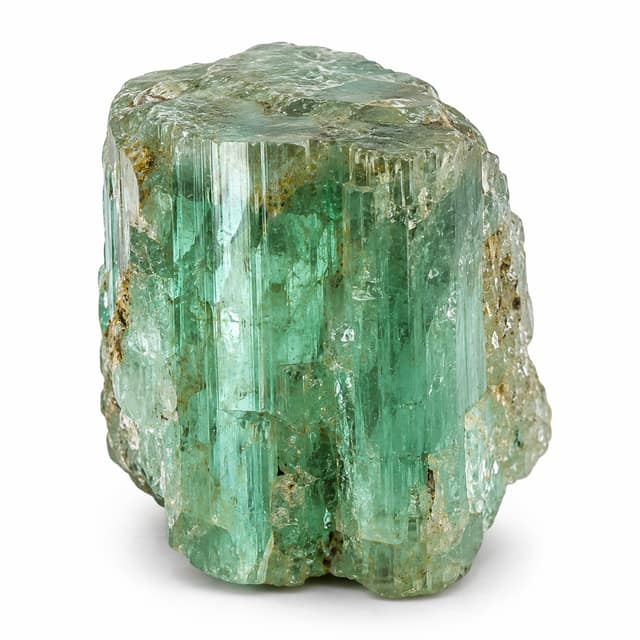
Beryl is often discussed with one eye on colour and the other on where the material comes from. That combination of blue body colour, 7.5 Mohs hardness, and vitreous lustre is what usually makes it recognisable in practice. The secondary green note often matters more than people expect when separating it from lookalikes.
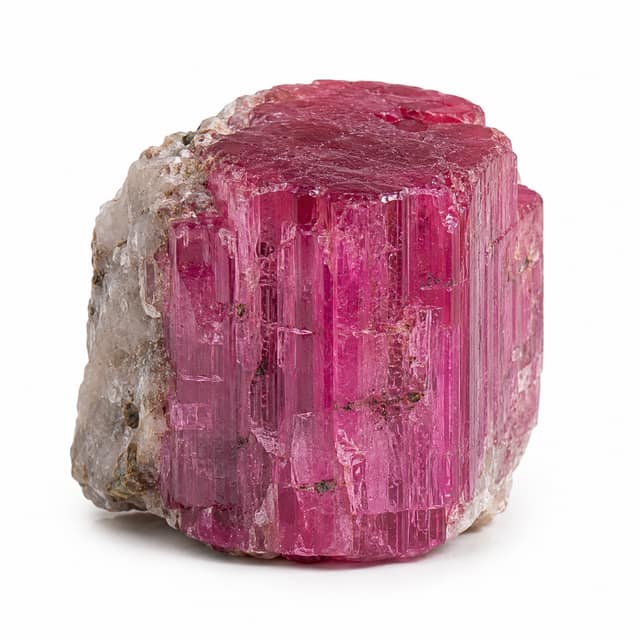
Bixbite profile is under factual gemological review. Properties shown here are provisional unless marked as verified.
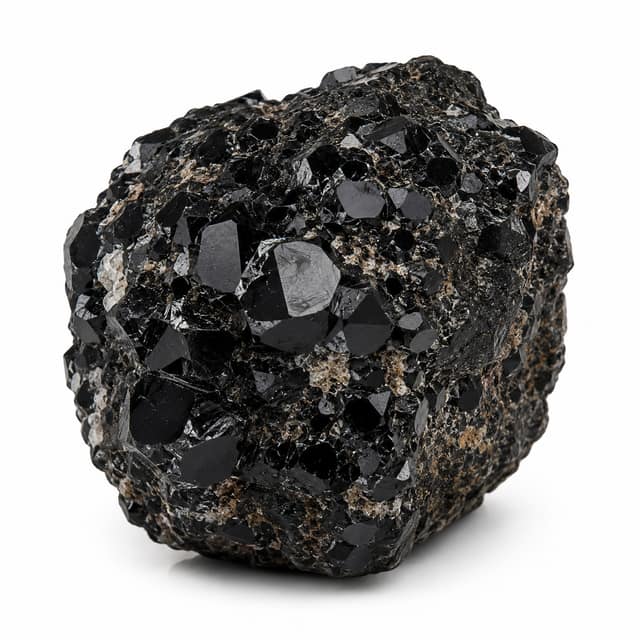
Black Spinel sits among the more resilient gem materials used for jewellery, which shapes both how it wears and how it is collected. That combination of black body colour, 9 Mohs hardness, and vitreous lustre is what usually makes it recognisable in practice.
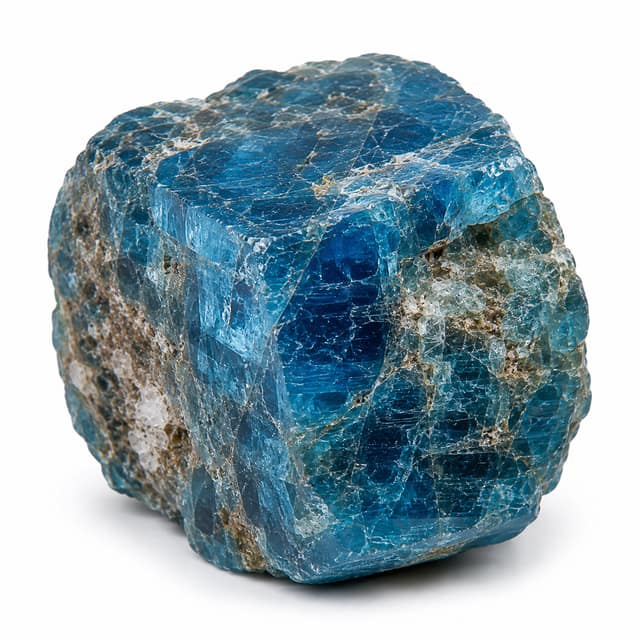
Blue apatite is a blue-colored member of the apatite group used as a collector and jewellery gemstone.
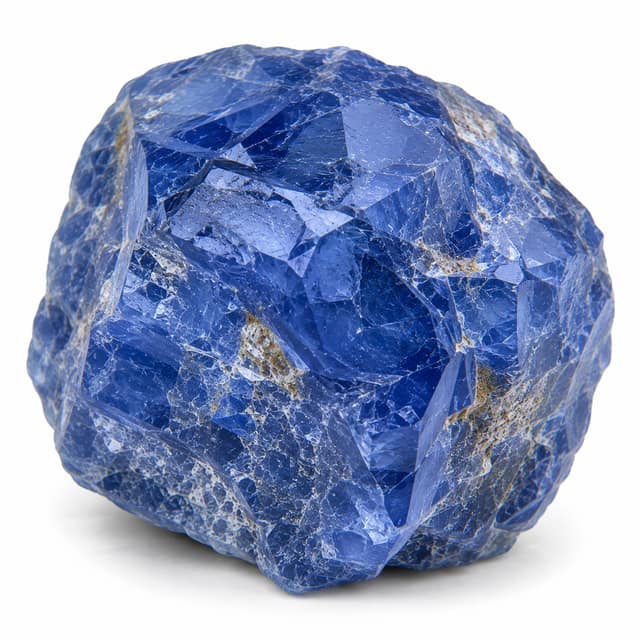
Blue Spinel sits among the more resilient gem materials used for jewellery, which shapes both how it wears and how it is collected. That combination of blue body colour, 9 Mohs hardness, and vitreous lustre is what usually makes it recognisable in practice.
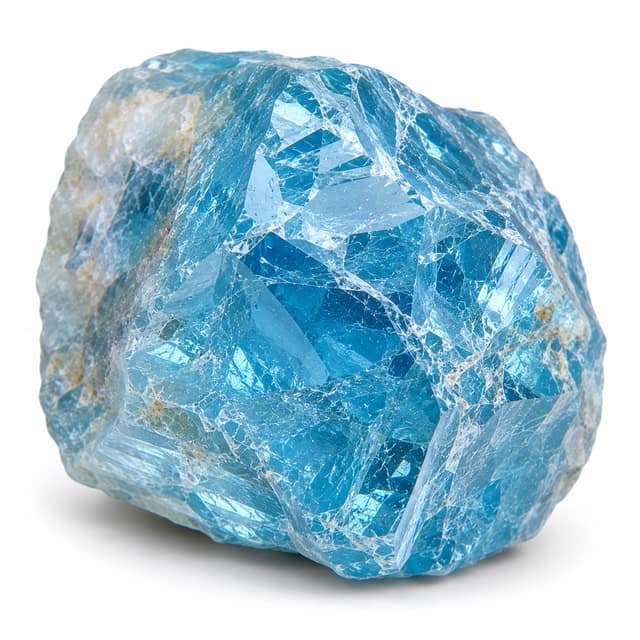
Blue Topaz profile is under factual gemological review. Properties shown here are provisional unless marked as verified.
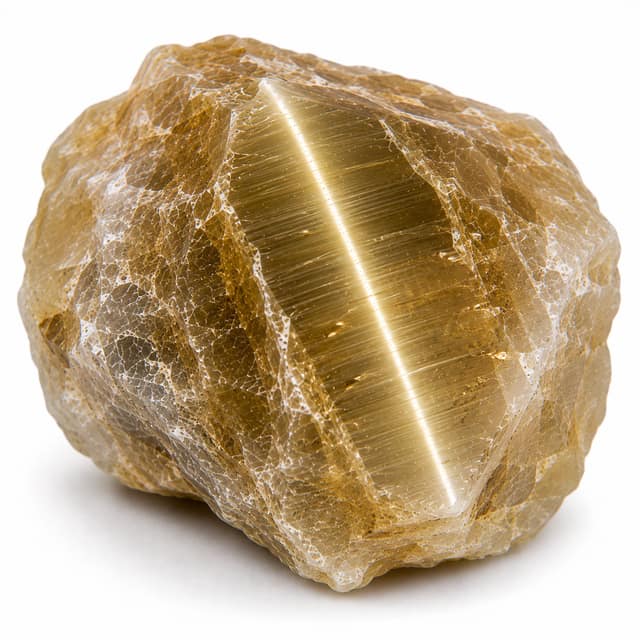
Cat's Eye Topaz earns attention when light begins to travel across or through it. Collectors who care about optical performance often come to it for different reasons, but identification still comes back to blue body colour, chatoyancy optical effects, and 8 Mohs hardness. The effect is best judged in motion, since a static view rarely shows the full character of the stone.
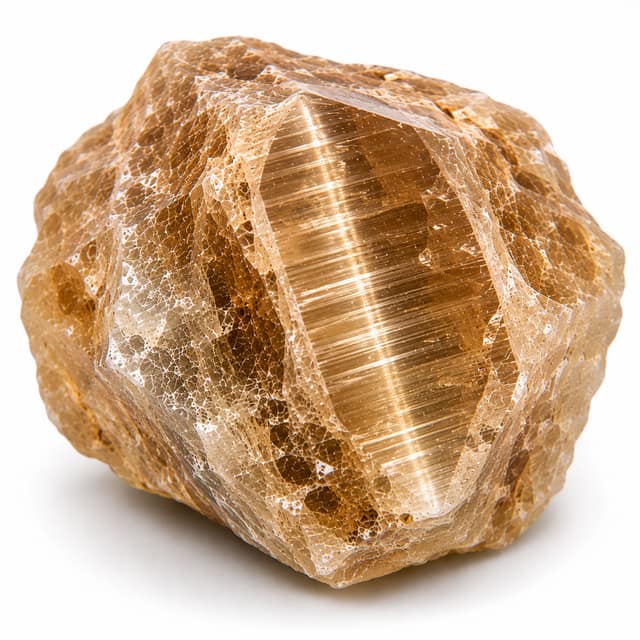
Among jewellery stones, Champagne Topaz stands out for combining appearance with notable wear resistance. Jewellers who need dependable wear resistance often come to it for different reasons, but identification still comes back to blue body colour, 8 Mohs hardness, and vitreous lustre. The secondary champagne note often matters more than people expect when separating it from lookalikes.
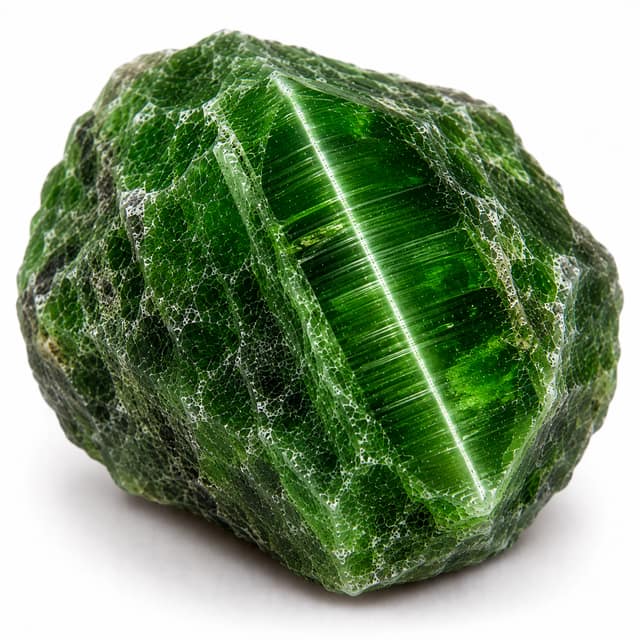
Chrome diopside is the vivid green chromium-bearing gem variety of diopside.
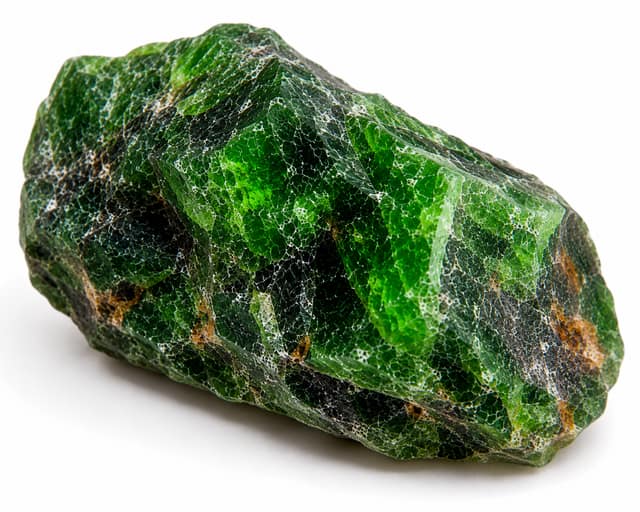
Chrome garnet is a trade term for chromium-bearing green garnets, often pyrope-rich material.
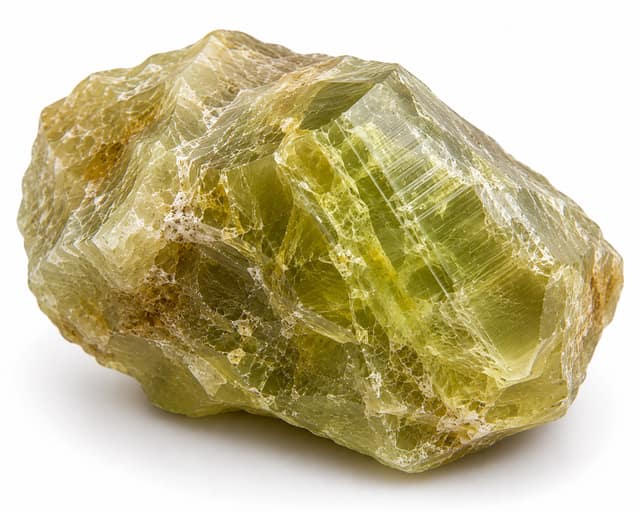
Chrysoberyl is a very hard beryllium aluminum oxide gemstone species that includes alexandrite and cat-eye varieties.
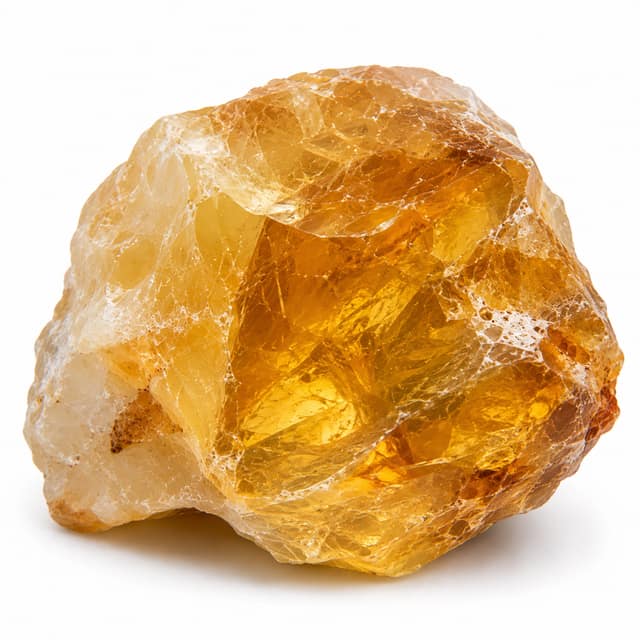
Citrine is the yellow variety of quartz, commonly transparent with vitreous lustre.
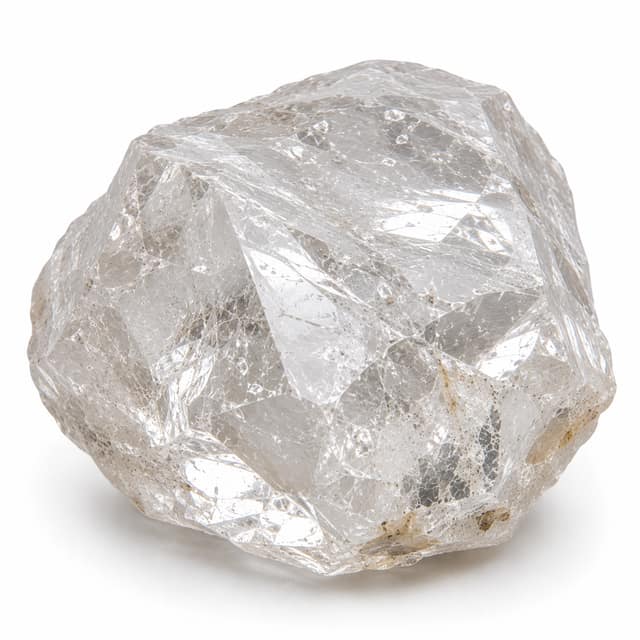
Clear quartz (rock crystal) is colorless transparent quartz with trigonal crystal symmetry and vitreous lustre.
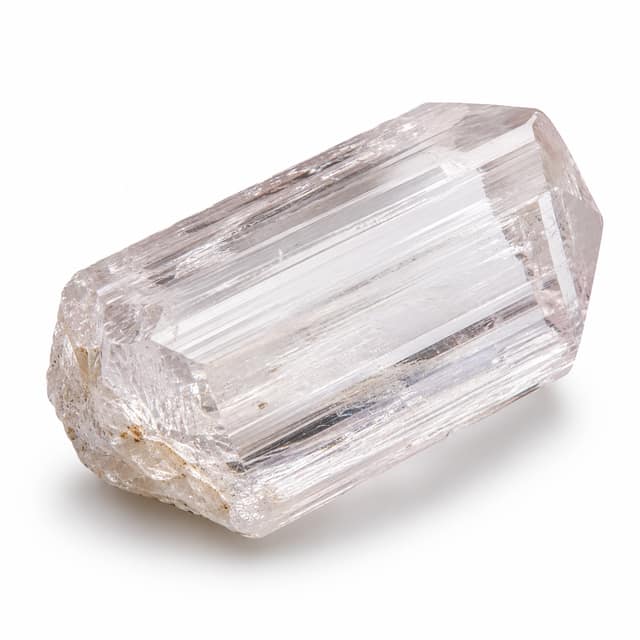
Danburite is a calcium borosilicate gemstone often seen as a colorless faceted stone.
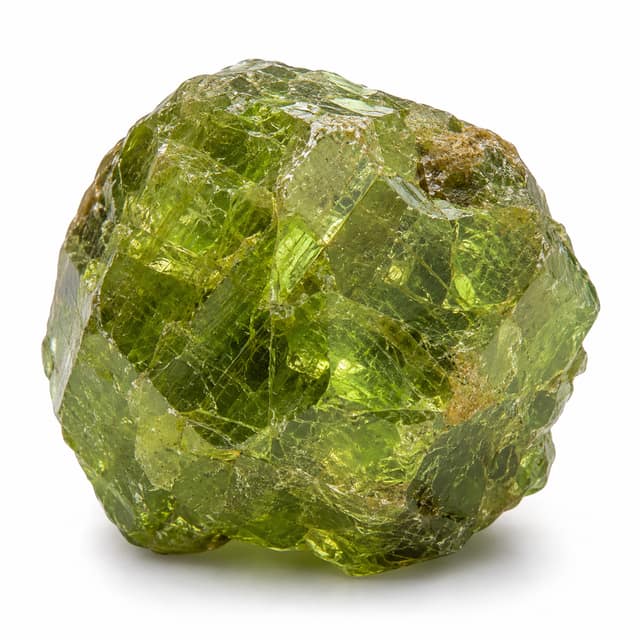
Demantoid is the green gem variety of andradite garnet, prized for high dispersion and brilliance.
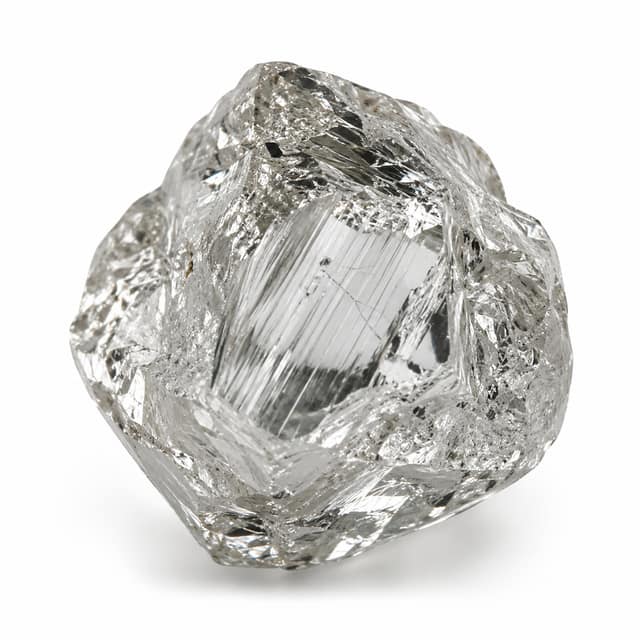
No gemstone has a stronger reputation for durability than diamond, and that reputation is grounded in crystal structure rather than marketing. Its exceptional hardness, high lustre, and ability to return crisp light make it central to both jewellery and industrial applications.
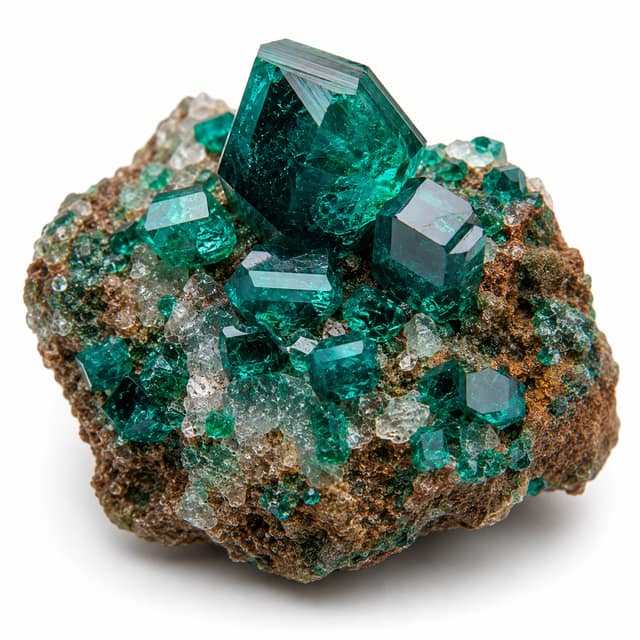
Dioptase is a bright green copper cyclosilicate mineral prized mainly as a collector crystal and occasional gem.
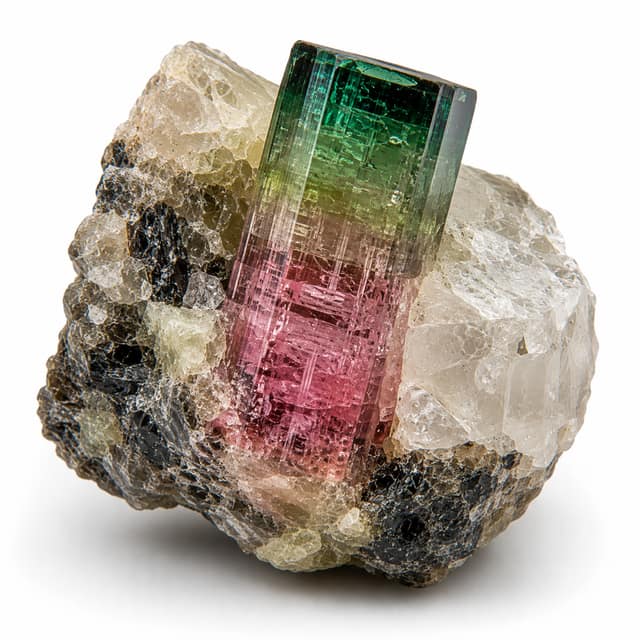
Elbaite is the lithium-rich tourmaline species that includes many prized gem tourmaline colors.
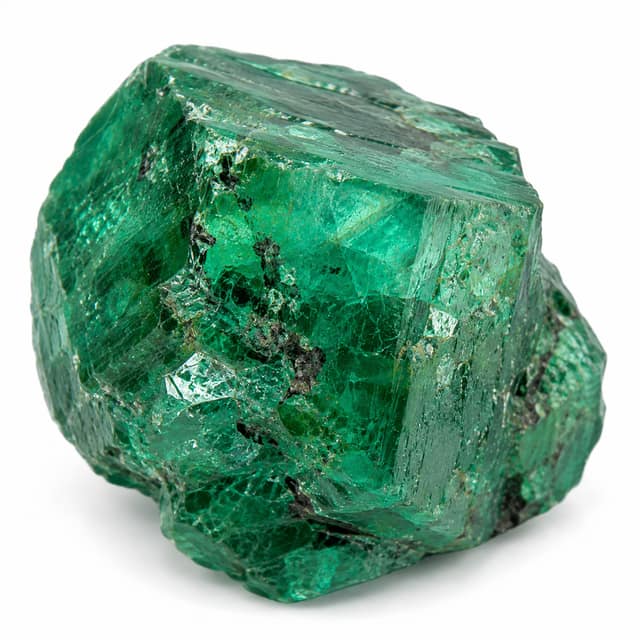
Emerald stands apart from other green gems because colour carries more weight than absolute clarity. Even stones with visible inclusions can be highly regarded when the green is vivid, lively, and unmistakably within the emerald range.
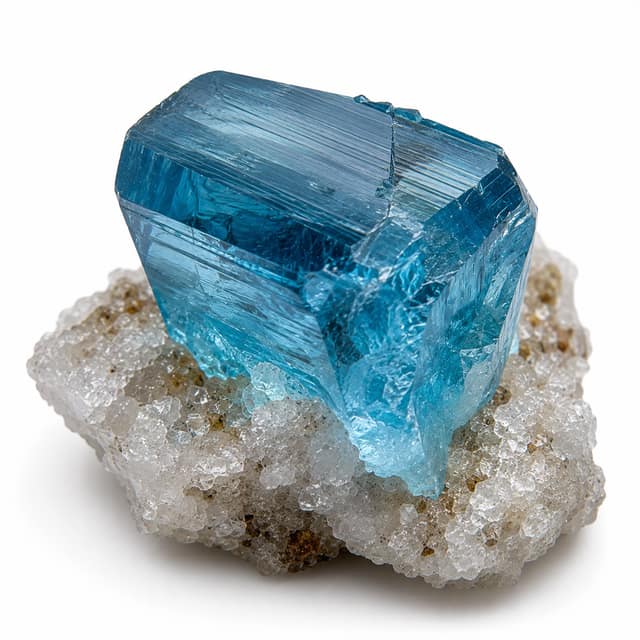
Euclase is a beryllium aluminum silicate hydroxide mineral occasionally cut as a collector gemstone.
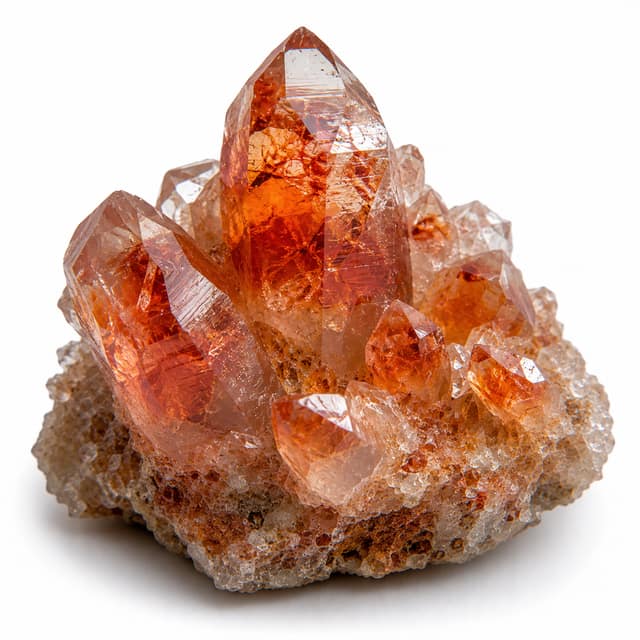
Fire quartz is a trade term commonly used for hematoid quartz showing red-orange internal inclusion color.
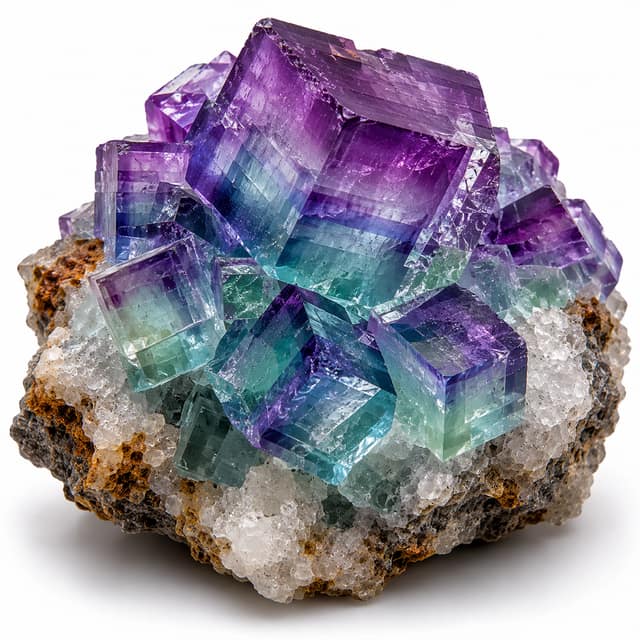
Fluorite is a calcium fluoride mineral known for wide colour variation, strong cleavage, and common fluorescence.
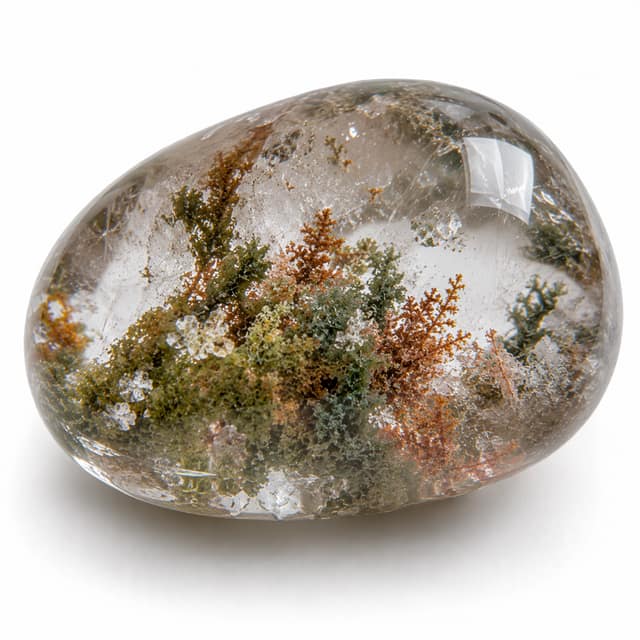
Garden quartz is a trade name for quartz with inclusion scenes resembling landscapes.
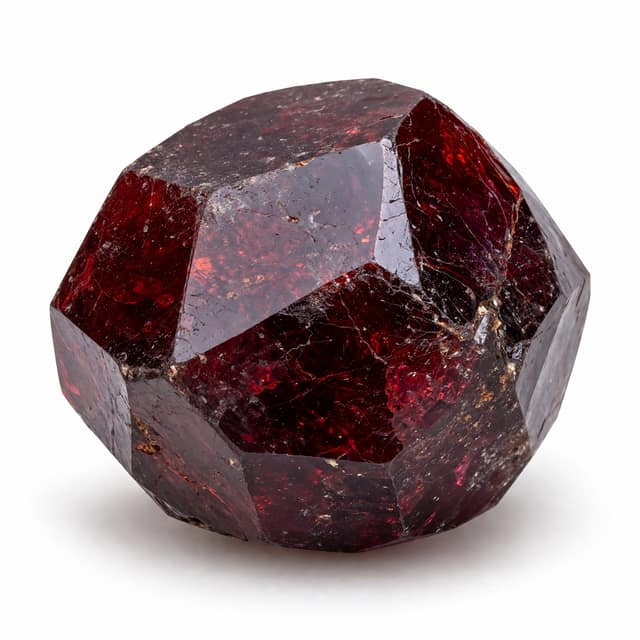
Garnet is often discussed with one eye on colour and the other on where the material comes from. Collectors and lapidaries comparing similar stones often come to it for different reasons, but identification still comes back to green body colour, 6.5 Mohs hardness, and vitreous lustre. The secondary burgundy note often matters more than people expect when separating it from lookalikes.
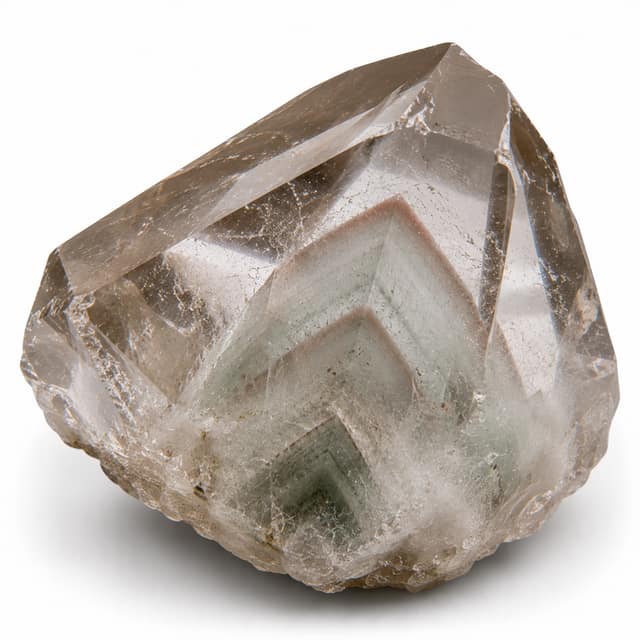
Ghost quartz is quartz containing internal phantom crystal outlines created during interrupted growth.
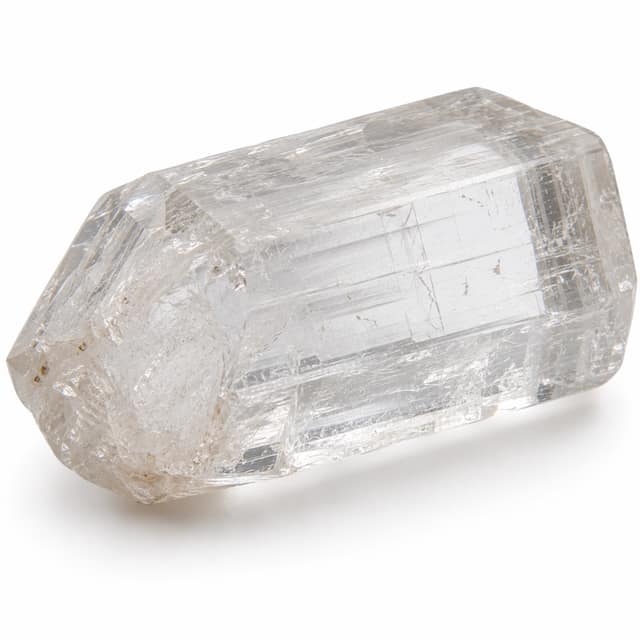
Goshenite is often discussed with one eye on colour and the other on where the material comes from. That combination of blue body colour, 7.5 Mohs hardness, and vitreous lustre is what usually makes it recognisable in practice. The secondary green note often matters more than people expect when separating it from lookalikes.
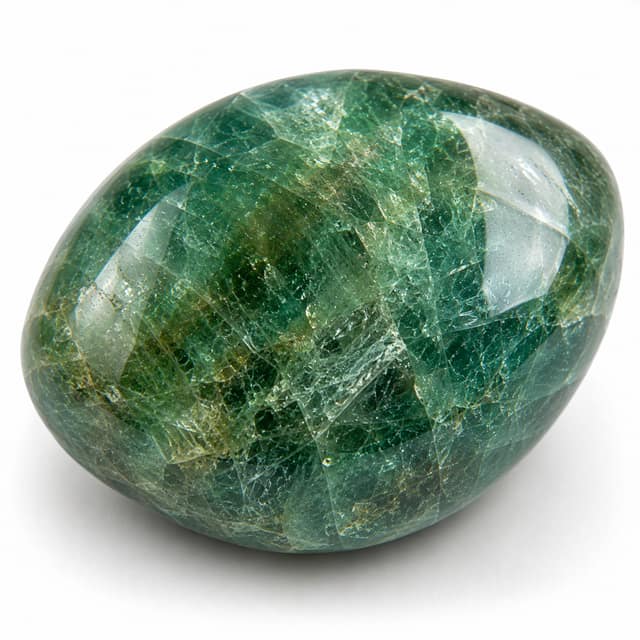
Green apatite is a calcium phosphate gemstone valued for vivid green hues and high brilliance.
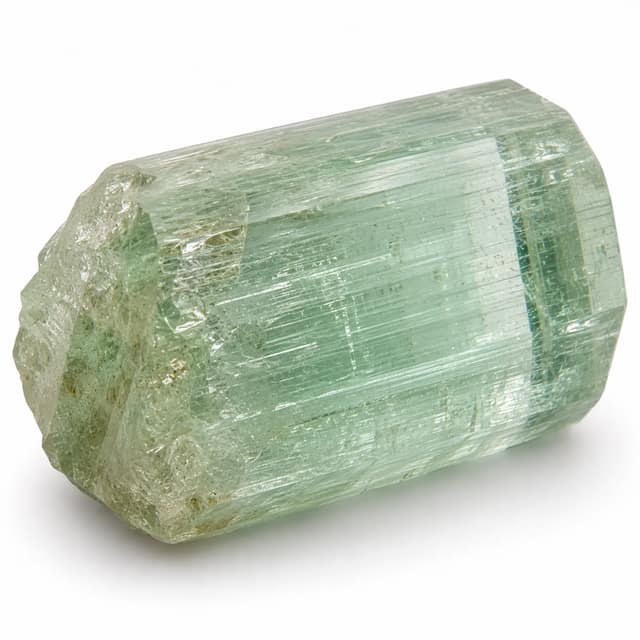
Locality plays an important role in how Green Beryl is understood in the gem trade. That combination of green body colour, 7.5 Mohs hardness, and vitreous lustre is what usually makes it recognisable in practice.
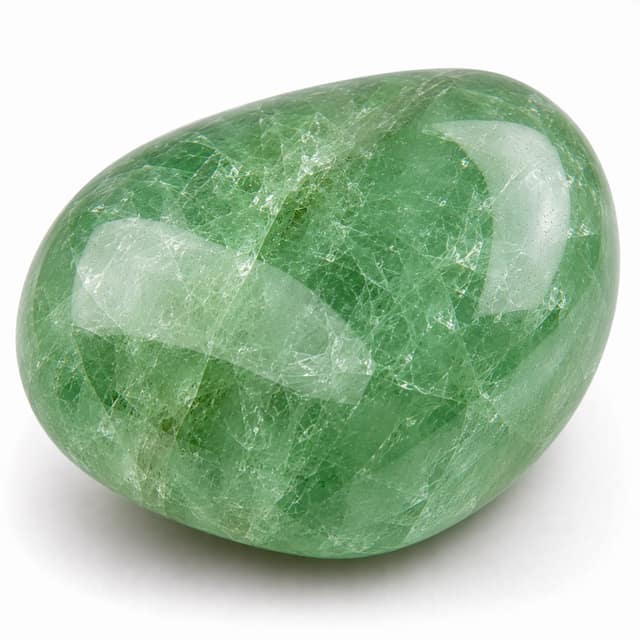
Green quartz is a broad trade category that may include naturally green included quartz or treated quartz.
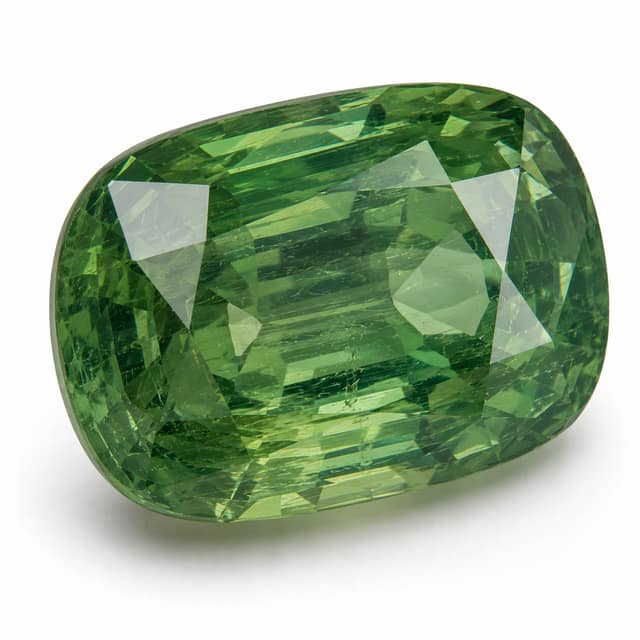
Green Sapphire profile is under factual gemological review. Properties shown here are provisional unless marked as verified.
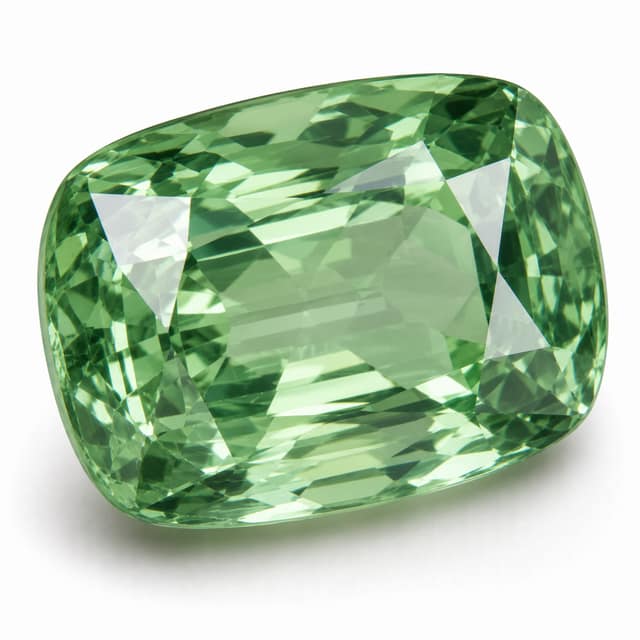
Durability is part of the appeal of Green Topaz, not merely a technical footnote. Jewellers who need dependable wear resistance often come to it for different reasons, but identification still comes back to green body colour, 8 Mohs hardness, and vitreous lustre.
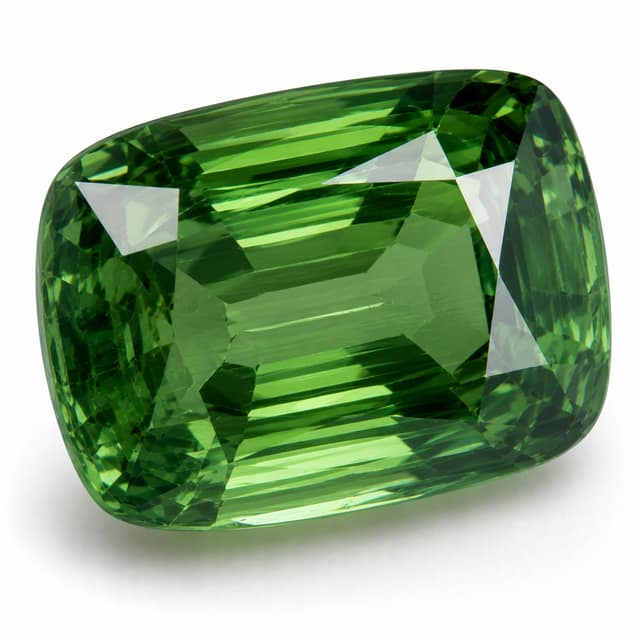
Green Tourmaline is often discussed with one eye on colour and the other on where the material comes from. That combination of green body colour, 7 Mohs hardness, and vitreous lustre is what usually makes it recognisable in practice.
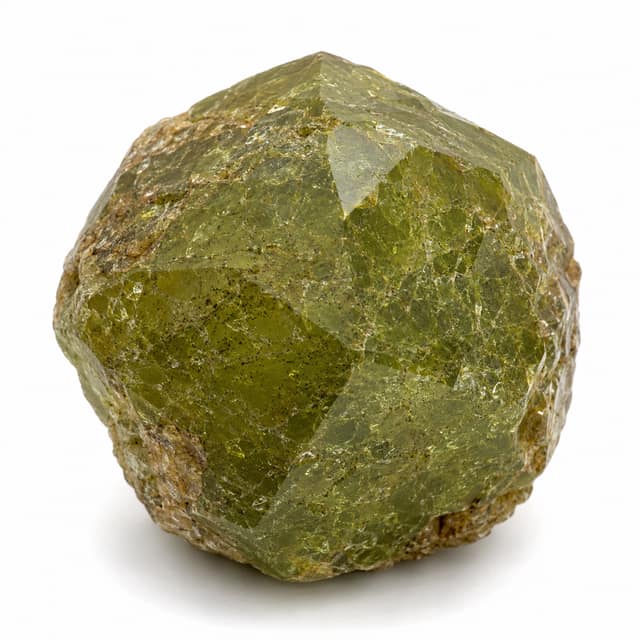
Grossular is a calcium-aluminum garnet species including tsavorite and hessonite varieties.
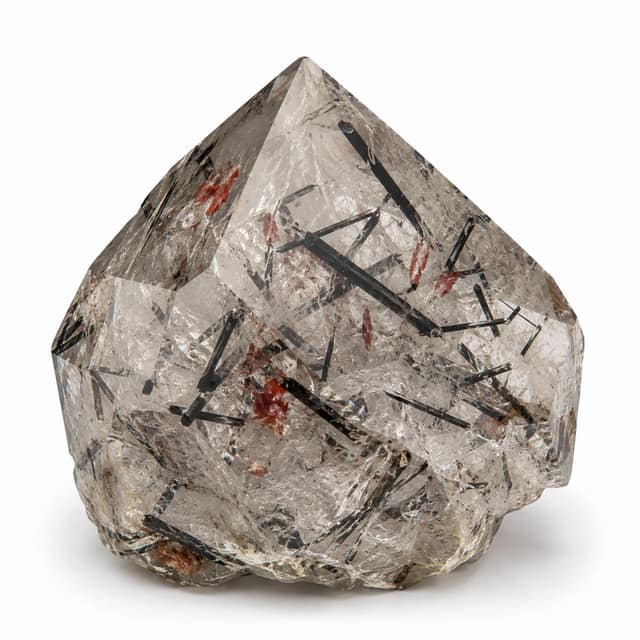
Harlequin quartz is a trade name used for quartz with vivid internal red/orange inclusion patterning.
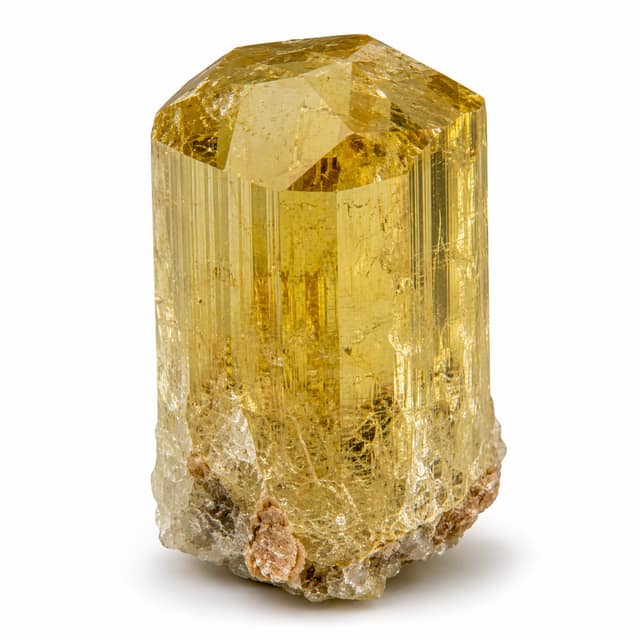
Locality plays an important role in how Heliodor is understood in the gem trade. Collectors and lapidaries comparing similar stones often come to it for different reasons, but identification still comes back to blue body colour, 7.5 Mohs hardness, and vitreous lustre. The secondary green note often matters more than people expect when separating it from lookalikes.
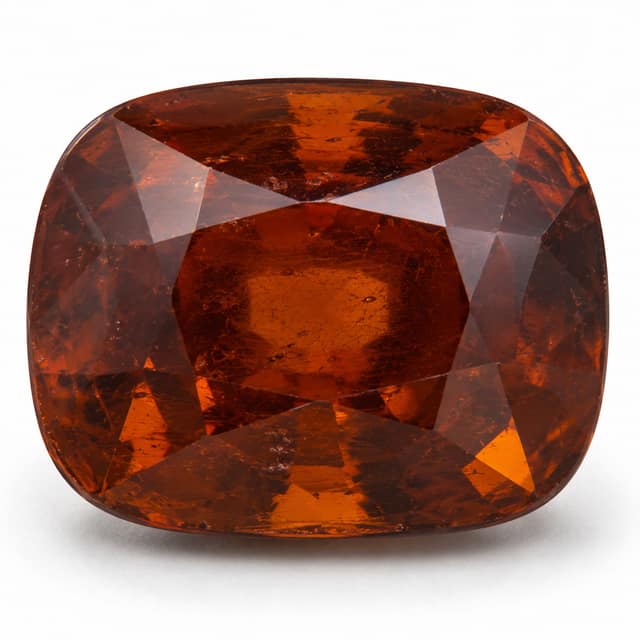
Hessonite is the orange to brownish-orange variety of grossular garnet.
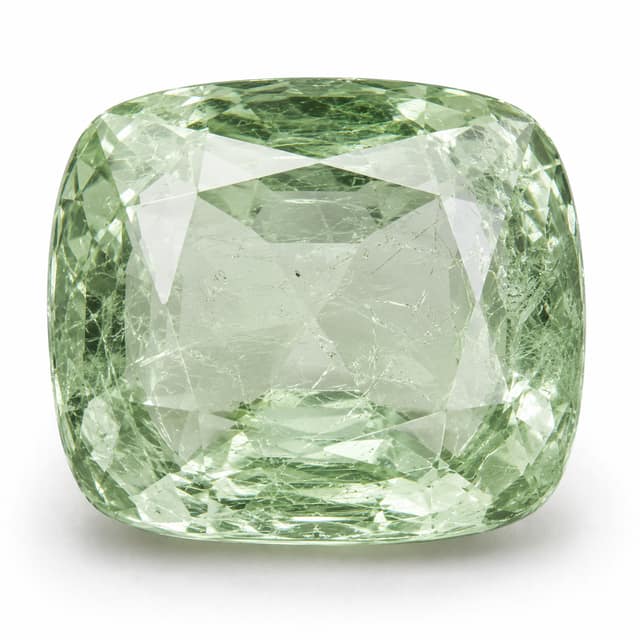
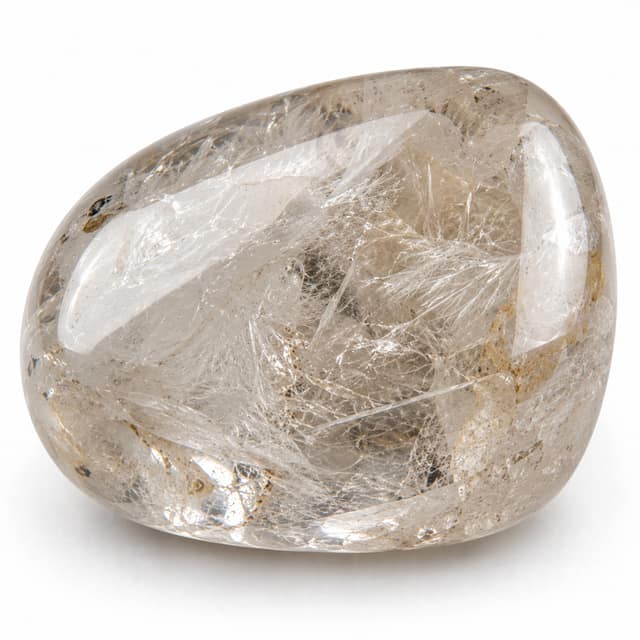
Hydro quartz refers to hydrothermally grown synthetic quartz used as a gem and decorative material.
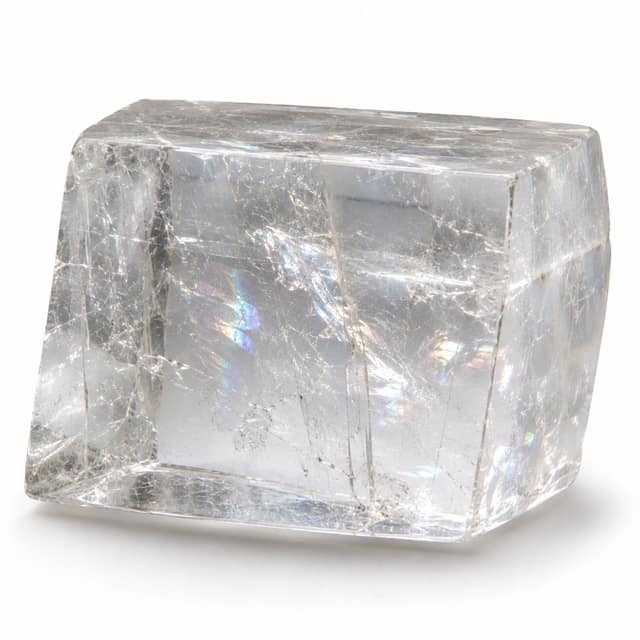
Iceland spar is a transparent variety of calcite noted for pronounced birefringence and double refraction.
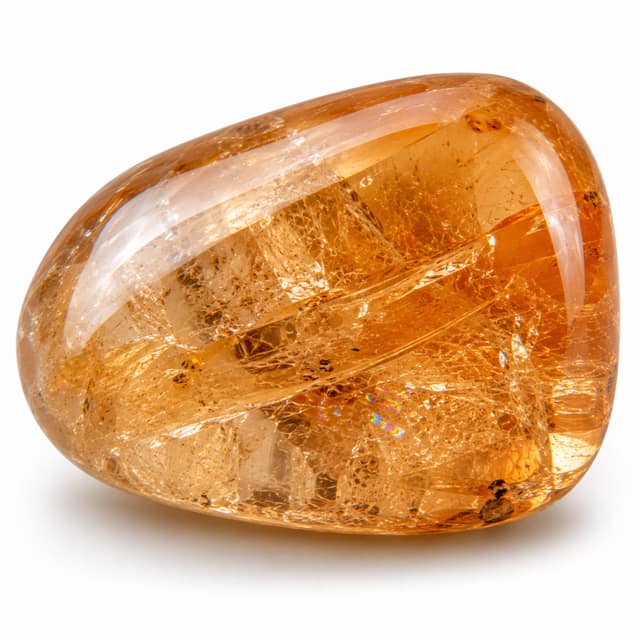
Durability is part of the appeal of Imperial Topaz, not merely a technical footnote. Jewellers who need dependable wear resistance often come to it for different reasons, but identification still comes back to blue body colour, 8 Mohs hardness, and vitreous lustre. The secondary yellow note often matters more than people expect when separating it from lookalikes.
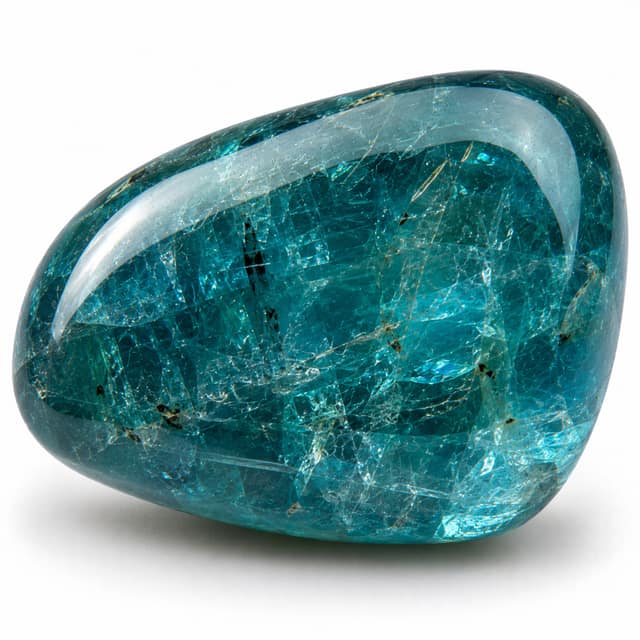
Part of the identity of Indicolite comes from the producing regions associated with it. That combination of green body colour, 7 Mohs hardness, and vitreous lustre is what usually makes it recognisable in practice. The secondary pink note often matters more than people expect when separating it from lookalikes.
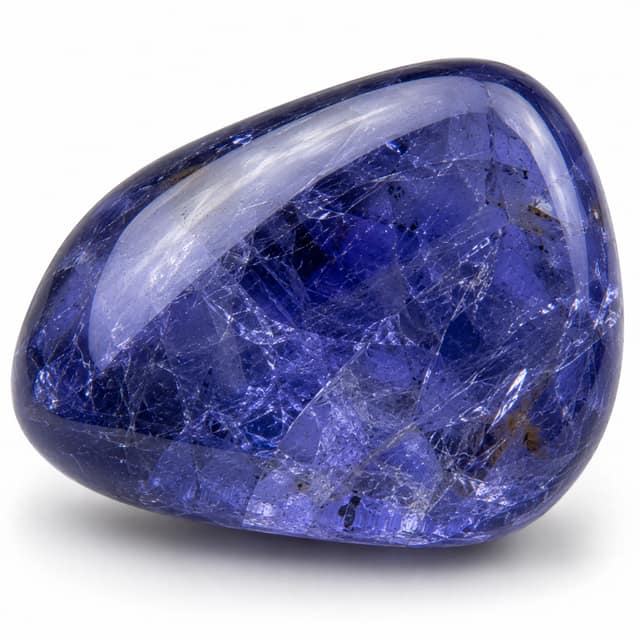
Iolite is the gem variety of cordierite, known for pronounced pleochroism from blue-violet to pale yellow-grey.
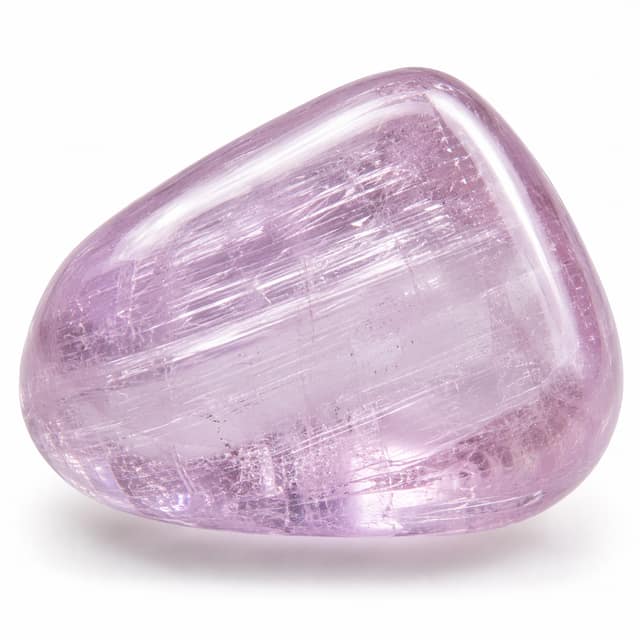
Kunzite profile is under factual gemological review. Properties shown here are provisional unless marked as verified.
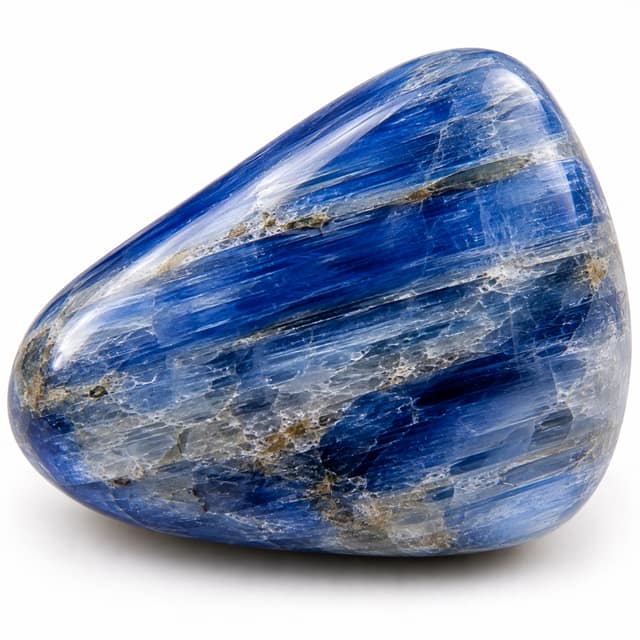
Kyanite is an aluminum silicate mineral notable for pronounced hardness anisotropy and blue pleochroic colour.
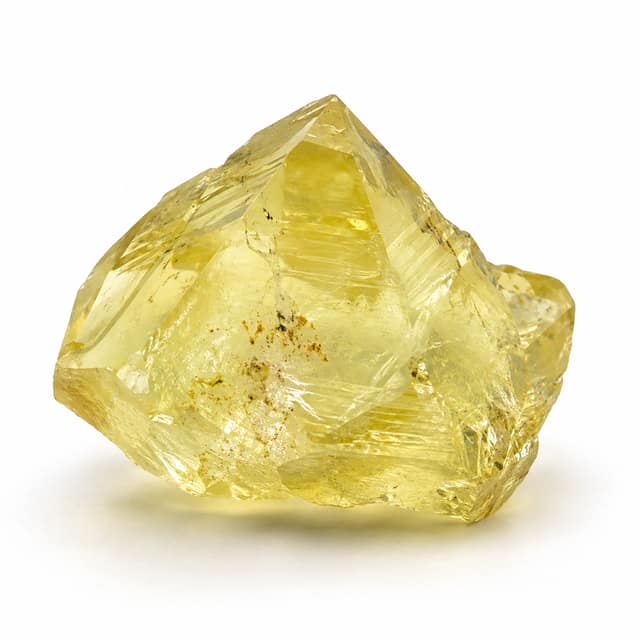
Lemon quartz is a trade name for bright yellow quartz, commonly achieved through irradiation and/or heat treatment.

Lemurian quartz is a trade term for naturally striated quartz crystals, not a distinct mineral species.
Liddicoatite is a calcium-rich tourmaline species known for striking multicolor zoning patterns.
Durability is part of the appeal of London Blue Topaz, not merely a technical footnote. Jewellers who need dependable wear resistance often come to it for different reasons, but identification still comes back to blue body colour, 8 Mohs hardness, and vitreous lustre.
Locality plays an important role in how Maxixe is understood in the gem trade. Collectors and lapidaries comparing similar stones often come to it for different reasons, but identification still comes back to blue body colour, 7.5 Mohs hardness, and vitreous lustre. The secondary green note often matters more than people expect when separating it from lookalikes.
Morganite profile is under factual gemological review. Properties shown here are provisional unless marked as verified.
Mystic Topaz profile is under factual gemological review. Properties shown here are provisional unless marked as verified.
Olivine is a magnesium-iron silicate mineral; transparent gem-quality material is known as peridot.
Orange Sapphire profile is under factual gemological review. Properties shown here are provisional unless marked as verified.
Among jewellery stones, Orange Spinel stands out for combining appearance with notable wear resistance. That combination of orange body colour, 9 Mohs hardness, and vitreous lustre is what usually makes it recognisable in practice.
Orthoclase is a monoclinic potassium feldspar species and an important member of the moonstone feldspar series.
Padparadscha Sapphire sits among the more resilient gem materials used for jewellery, which shapes both how it wears and how it is collected. That combination of blue body colour, 9 Mohs hardness, and vitreous lustre is what usually makes it recognisable in practice. The secondary sapphire blue note often matters more than people expect when separating it from lookalikes.
Paraiba spinel is a trade term for bright neon blue-green spinel resembling paraiba-style color appearance.
Paraiba Tourmaline profile is under factual gemological review. Properties shown here are provisional unless marked as verified.
Among jewellery stones, Peach Topaz stands out for combining appearance with notable wear resistance. That combination of blue body colour, 8 Mohs hardness, and vitreous lustre is what usually makes it recognisable in practice. The secondary orange note often matters more than people expect when separating it from lookalikes.
Peridot is easiest to understand by starting with green and brown colour. That combination of green body colour, 6.5 Mohs hardness, and vitreous lustre is what usually makes it recognisable in practice. The secondary brown note often matters more than people expect when separating it from lookalikes.
Phantom quartz contains internal growth-stage outlines recording episodic crystal development.
Phenakite is a beryllium silicate gemstone species known for high clarity and limited availability.
Pink apatite is a calcium phosphate gemstone variety valued for delicate to vivid pink color.
Pink Sapphire profile is under factual gemological review. Properties shown here are provisional unless marked as verified.
Pink Spinel sits among the more resilient gem materials used for jewellery, which shapes both how it wears and how it is collected. That combination of pink body colour, 9 Mohs hardness, and vitreous lustre is what usually makes it recognisable in practice.
Locality plays an important role in how Pink Tourmaline is understood in the gem trade. Collectors and lapidaries comparing similar stones often come to it for different reasons, but identification still comes back to pink body colour, 7 Mohs hardness, and vitreous lustre.
Prasiolite is a green quartz trade variety, most commonly produced via treatment.
Pyrope is a magnesium-rich red garnet species prized for saturated color and durability.
Raspberry quartz is a trade term for red-pink quartz material, requiring treatment disclosure when applicable.
Red Beryl is often discussed with one eye on colour and the other on where the material comes from. Collectors and lapidaries comparing similar stones often come to it for different reasons, but identification still comes back to red body colour, 7.5 Mohs hardness, and vitreous lustre.
Red Spinel sits among the more resilient gem materials used for jewellery, which shapes both how it wears and how it is collected. That combination of red body colour, 9 Mohs hardness, and vitreous lustre is what usually makes it recognisable in practice.
Rhodolite is a pyrope-almandine garnet blend valued for bright rose-red to purplish-red color.
Rose aura quartz is coated quartz designed to create pink iridescent surface effects.
Durability is part of the appeal of Royal Blue Sapphire, not merely a technical footnote. That combination of blue body colour, 9 Mohs hardness, and vitreous lustre is what usually makes it recognisable in practice. The secondary royal blue note often matters more than people expect when separating it from lookalikes.
Part of the identity of Rubellite comes from the producing regions associated with it. Collectors and lapidaries comparing similar stones often come to it for different reasons, but identification still comes back to green body colour, 7 Mohs hardness, and vitreous lustre. The secondary pink note often matters more than people expect when separating it from lookalikes.
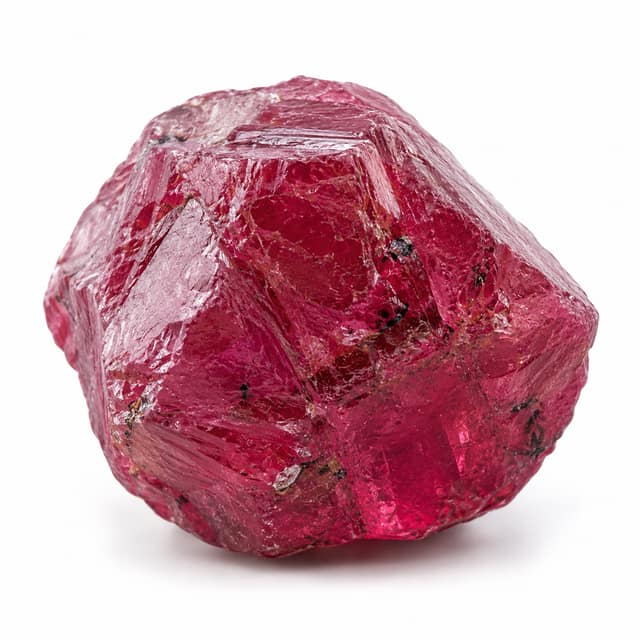
Ruby is defined by red corundum, but not every red stone carries the same authority of colour. The most sought-after examples combine vivid saturation with enough transparency to let the red remain bright rather than murky.
Rutilated quartz is quartz containing visible rutile needles that create distinctive internal patterns.
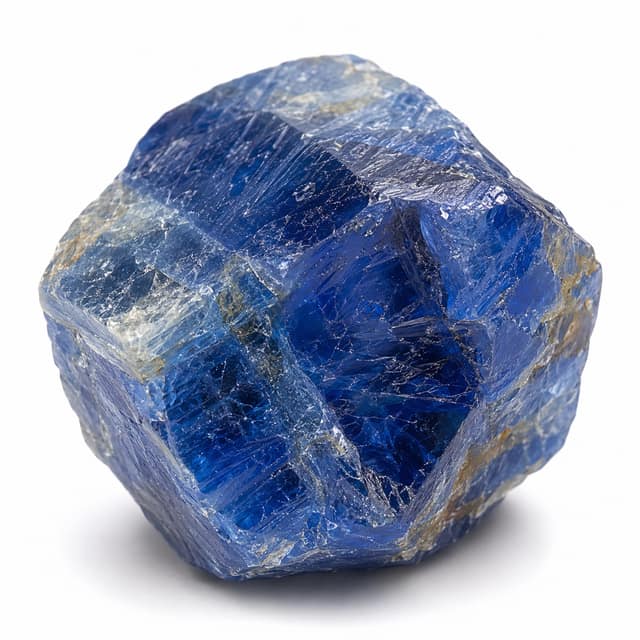
Sapphire covers far more than blue, yet the gem remains associated with crisp colour, durability, and a polished, highly wearable finish. Its place in jewellery owes as much to resilience as to appearance.
Among jewellery stones, Sky Blue Topaz stands out for combining appearance with notable wear resistance. Jewellers who need dependable wear resistance often come to it for different reasons, but identification still comes back to blue body colour, 8 Mohs hardness, and vitreous lustre. The secondary sky blue note often matters more than people expect when separating it from lookalikes.
Smoky quartz is the brown variety of quartz, its colour linked to natural irradiation and trace aluminum.
Spessartine is a manganese-rich garnet known for bright orange brilliance.
Sphalerite is a zinc sulfide mineral prized by collectors for exceptionally high fire.
Durability is part of the appeal of Spinel, not merely a technical footnote. That combination of blue body colour, 9 Mohs hardness, and vitreous lustre is what usually makes it recognisable in practice. The secondary pink note often matters more than people expect when separating it from lookalikes.
Star Ruby profile is under factual gemological review. Properties shown here are provisional unless marked as verified.
Star Sapphire profile is under factual gemological review. Properties shown here are provisional unless marked as verified.
Strawberry quartz is a quartz trade variety with red-pink coloration often linked to internal inclusions.
Sunstone is a feldspar gemstone exhibiting aventurescent glitter from reflective inclusions.
Taaffeite is a rare beryllium-bearing oxide gemstone species distinct from spinel.
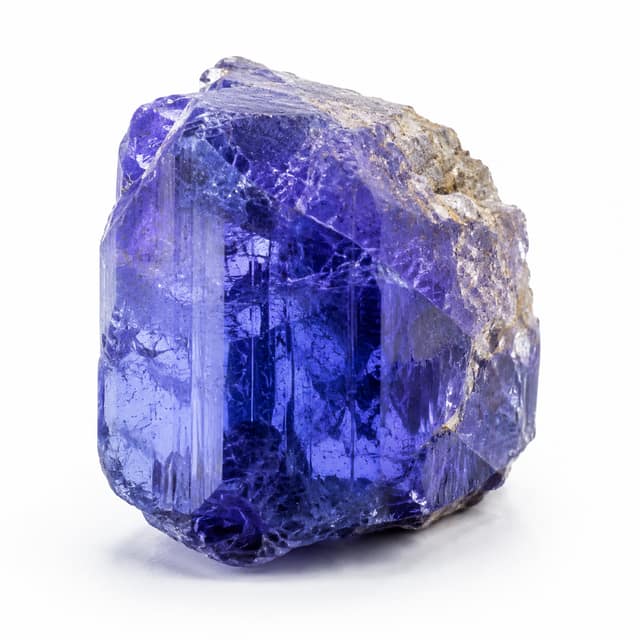
Tanzanite is one of the few gemstones whose identity is closely tied to a single modern locality. Its blue-to-violet colour and pleochroic character give it an instantly contemporary profile among transparent jewellery stones.
Titanite (sphene) is a high-fire gemstone species valued by collectors and connoisseurs.
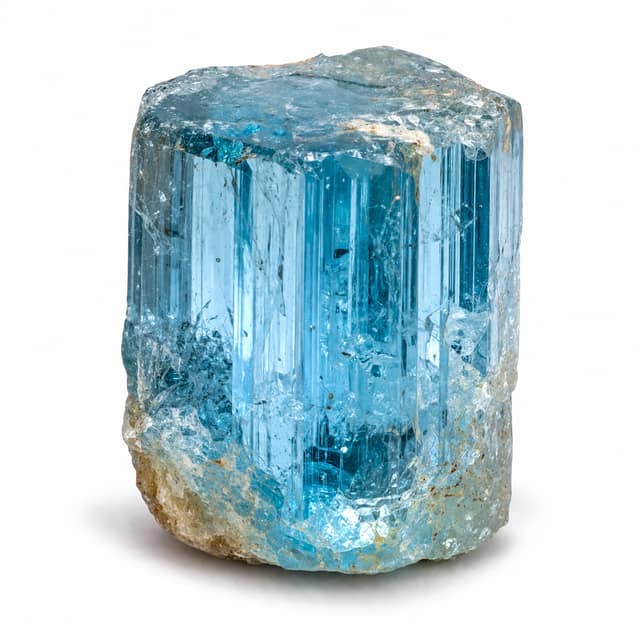
Topaz sits among the more resilient gem materials used for jewellery, which shapes both how it wears and how it is collected. Jewellers who need dependable wear resistance often come to it for different reasons, but identification still comes back to blue body colour, 8 Mohs hardness, and vitreous lustre. The secondary yellow note often matters more than people expect when separating it from lookalikes.
Tourmalinated quartz is quartz with visible black tourmaline inclusions creating striking contrast.
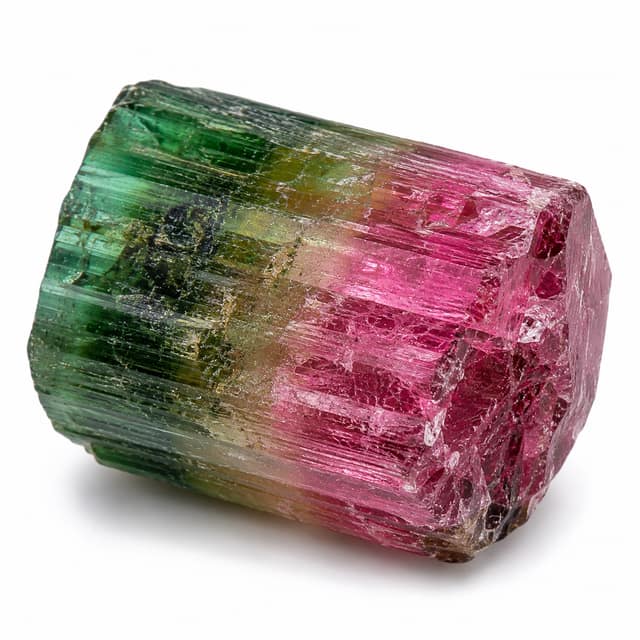
Locality plays an important role in how Tourmaline is understood in the gem trade. That combination of green body colour, 7 Mohs hardness, and vitreous lustre is what usually makes it recognisable in practice. The secondary pink note often matters more than people expect when separating it from lookalikes.
Tsavorite is the vivid green variety of grossular garnet colored by vanadium/chromium.
Vesuvianite, also known as idocrase, is a calcium-rich silicate gemstone species.
Watermelon tourmaline is a zoned tourmaline variety typically showing pink core and green rim coloration.
White sapphire is the colorless variety of corundum valued for durability and brilliance.
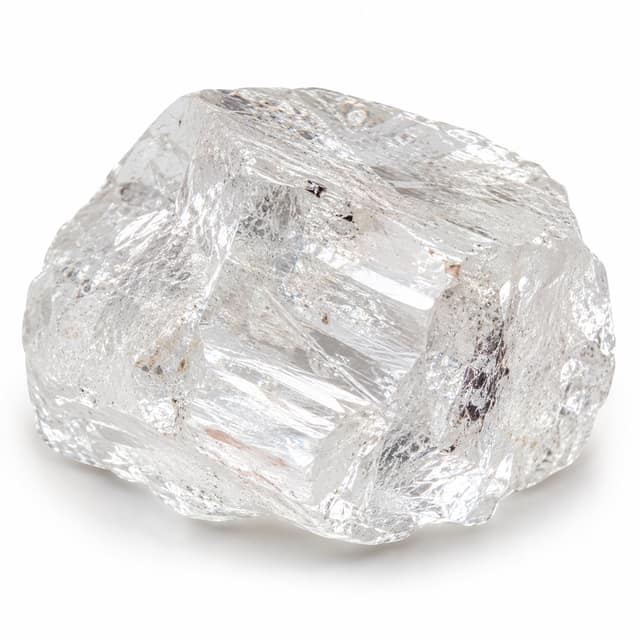
White spinel is the colorless to near-colorless variety of spinel used in fine jewelry.
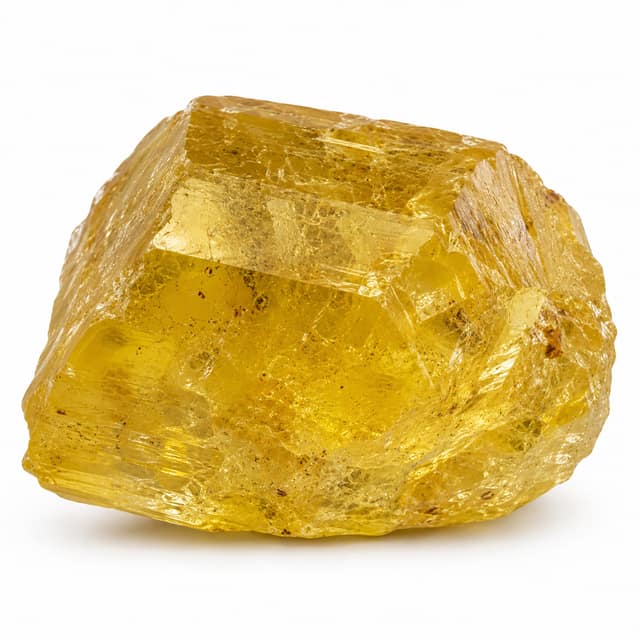
Yellow apatite is a calcium phosphate gem variety valued for bright yellow color.
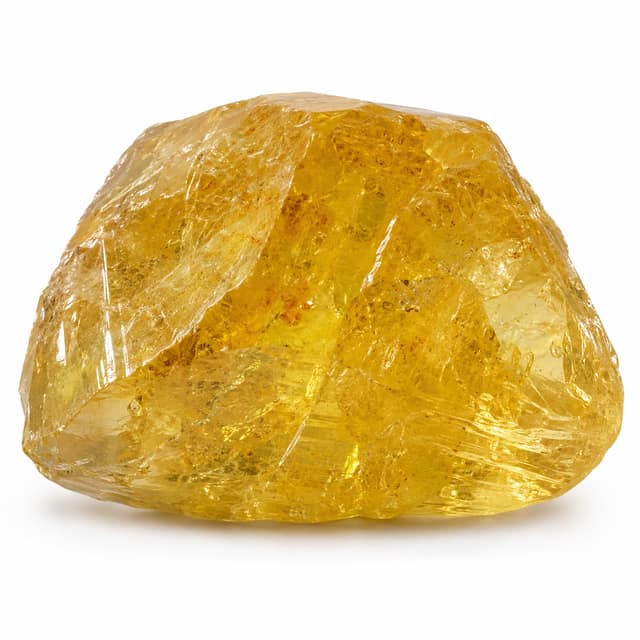
Yellow sapphire is the yellow color variety of corundum valued for durability and bright color.
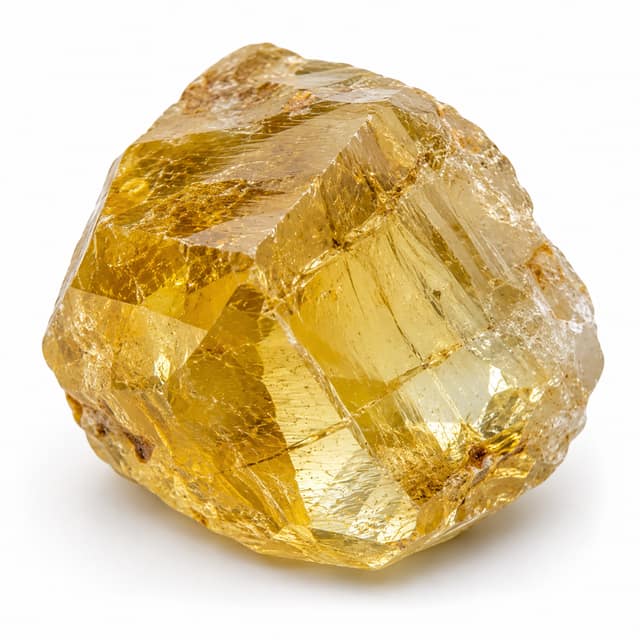
Yellow topaz is a durable topaz color variety used in faceted jewelry gems.
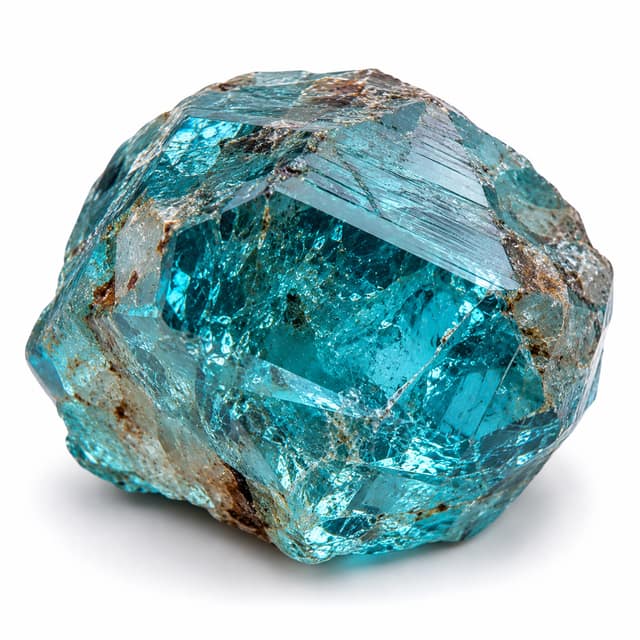
Zircon is a natural zirconium silicate gemstone known for high dispersion and brilliance.