

★★☆☆☆ 0% Match
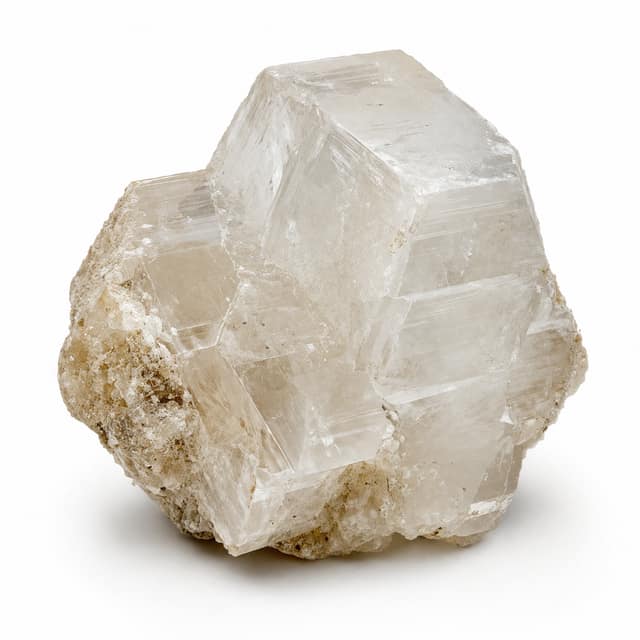
Adularia
Adularia is a low-temperature orthoclase feldspar variety historically associated with moonstone-type adularescence.
Identification Match
Matched
- No key matching properties yet
Differences
No significant mismatches
Guided identification
Use this interactive system to narrow possibilities by selecting observed physical properties and comparing them with our gemstone database.
Built as an educational resource and collector reference, this tool helps you run a practical identification workflow before moving to full profile review.
Look at the primary and secondary colours of your gemstone. Select all colours that apply.
Hold it up to light. Can you see through it clearly (transparent), partially (translucent), or not at all (opaque)?
Try scratching with common objects: fingernail (2.5), copper coin (3.5), glass (5.5), steel knife (6.5). This tells you the approximate hardness.
Look at the visible crystal structure. Is it cubic, hexagonal, or another shape? Some stones may be amorphous (no visible structure).
How does the surface shine? Is it glass-like, metallic, pearly, silky, waxy, or dull?
Use this matching tool to identify unknown stones. Select as many characteristics as you know. The system will match gemstones based on shared properties.
For best results, combine colour, transparency, hardness range, crystal system, lustre, and any visible optical effects.
Select gemstone characteristics to generate an expert-style confidence assessment.
Expert assessment
Confidence assessment will appear after matching.
Confidence is based on the characteristics provided.
Gemstones frequently share observable characteristics. Review similar gemstones to compare close alternatives based on the characteristics provided.
Adularia is a low-temperature orthoclase feldspar variety historically associated with moonstone-type adularescence.
Matched
Differences
No significant mismatches
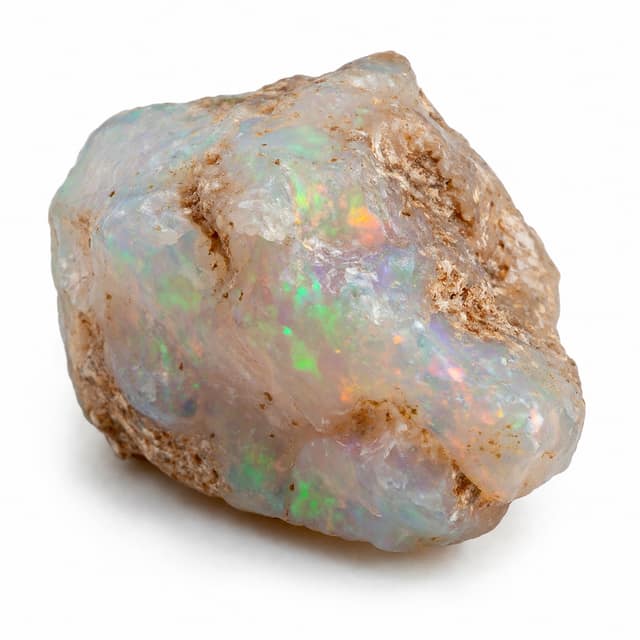
Aegean opal is a trade-name opal category and should be handled as opal mineraloid material with seller-specific locality disclosure.
Matched
Differences
No significant mismatches
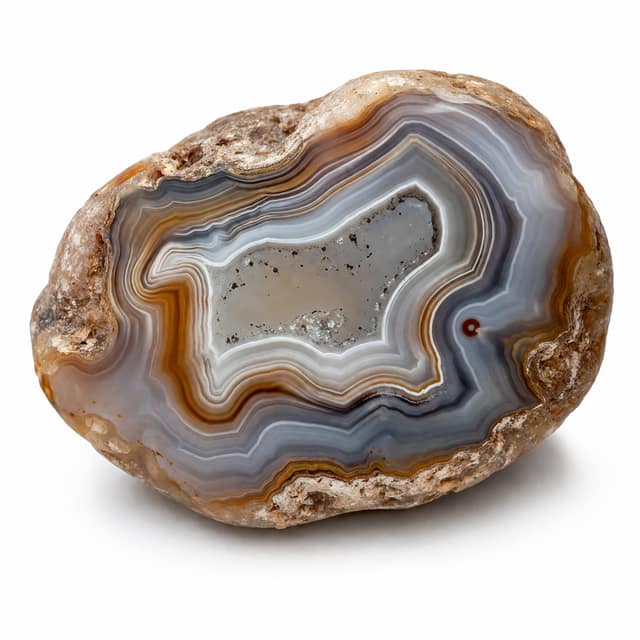
Agate is a banded chalcedony variety of quartz identified by concentric or parallel growth bands and waxy lustre.
Matched
Differences
No significant mismatches
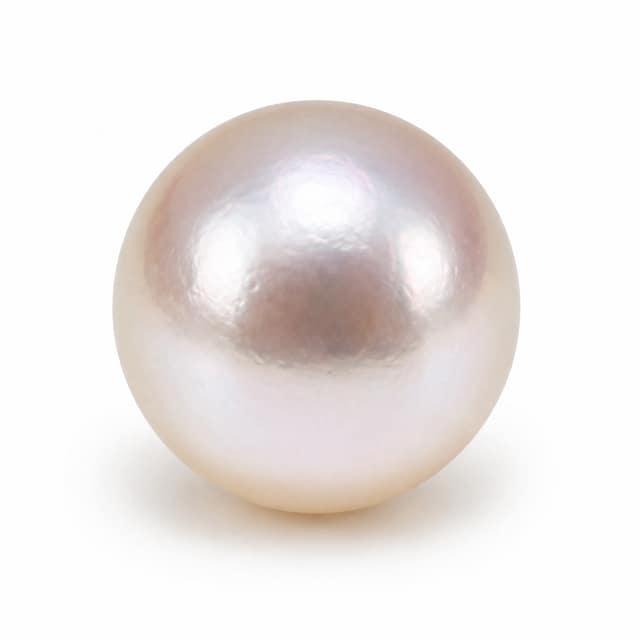
Akoya pearls are marine cultured pearls known for high lustre, round shape, and white to cream body colour with overtones.
Matched
Differences
No significant mismatches
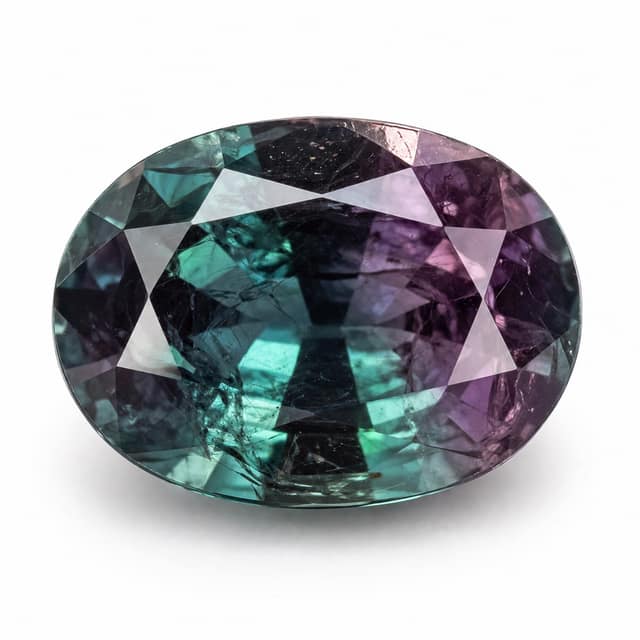
Alexandrite is the colour-change variety of chrysoberyl, typically shifting from green to bluish green in daylight to red to purplish red under incandescent light. Commercial alexandrite is sourced mainly from Brazil, Sri Lanka, and East Africa, with the Russian Urals important historically.
Matched
Differences
No significant mismatches
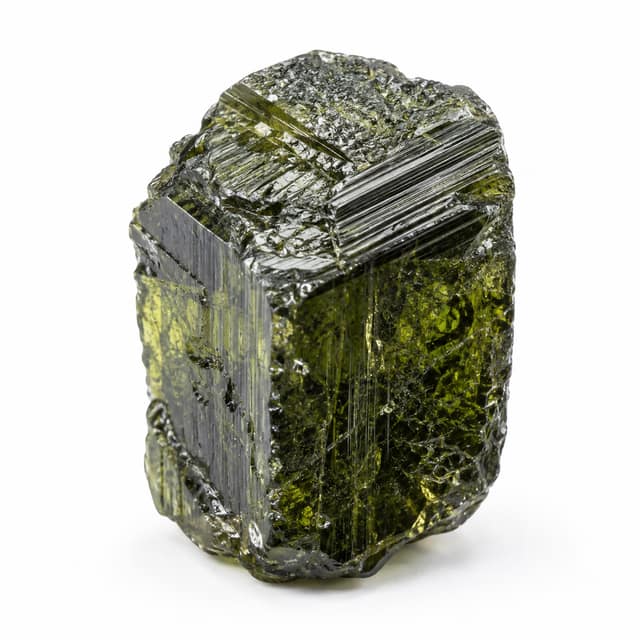
Allanite is a rare-earth-bearing member of the epidote group with limited use as a gemstone and strong collector value.
Matched
Differences
No significant mismatches
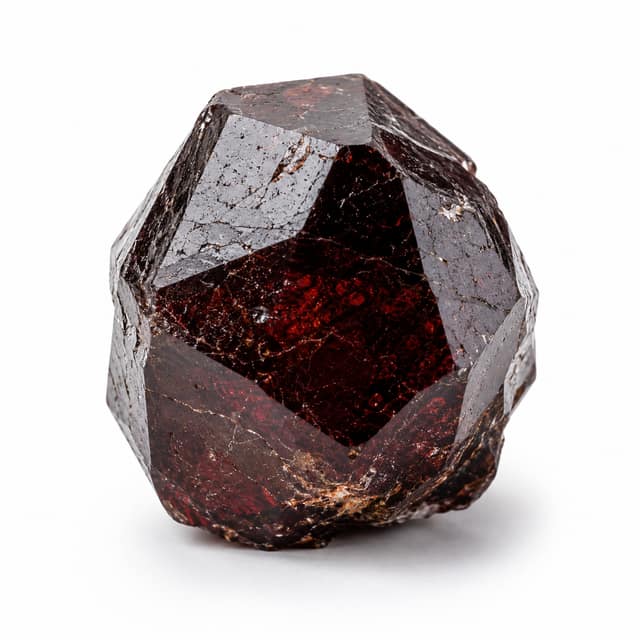
Almandine is the iron-rich red garnet species commonly used in faceted and cabochon jewellery.
Matched
Differences
No significant mismatches
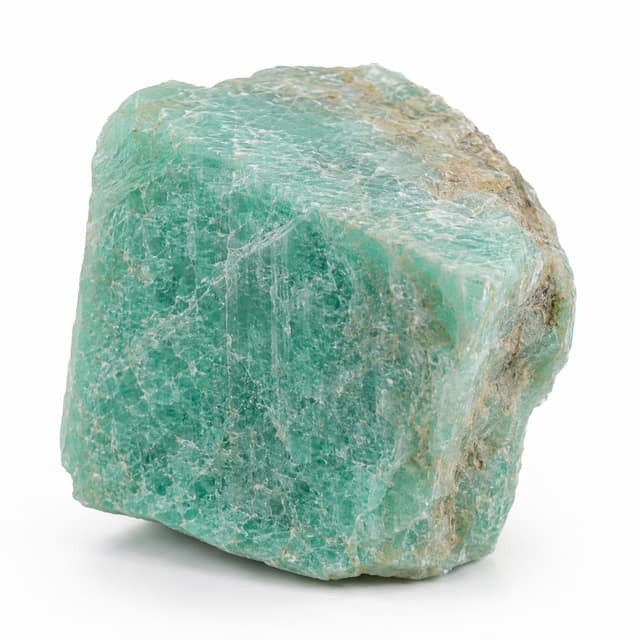
Amazonite is a green to blue-green variety of microcline feldspar.
Matched
Differences
No significant mismatches
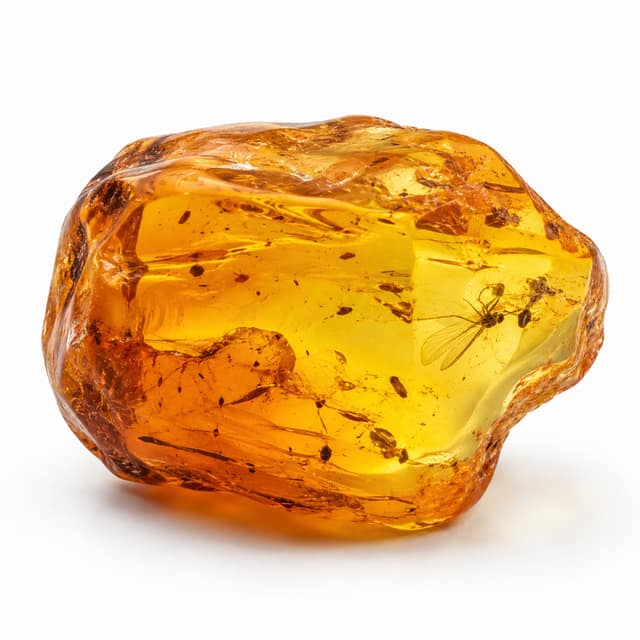
Amber is fossilized tree resin used as an organic gemstone and archaeological material.
Matched
Differences
No significant mismatches
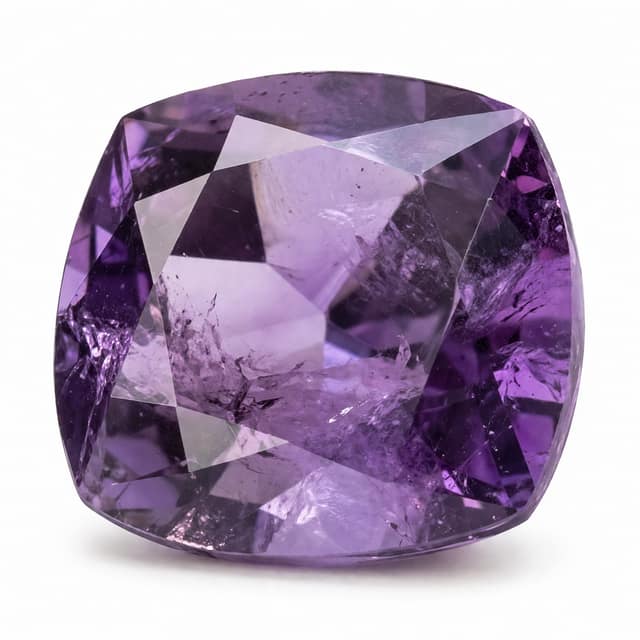
Violet quartz earns its place in both jewellery and mineral collections through colour rather than rarity. The appeal of amethyst lies in how evenly or intensely that purple is distributed, from pale lilac material to richly saturated stones cut for statement pieces.
Matched
Differences
No significant mismatches
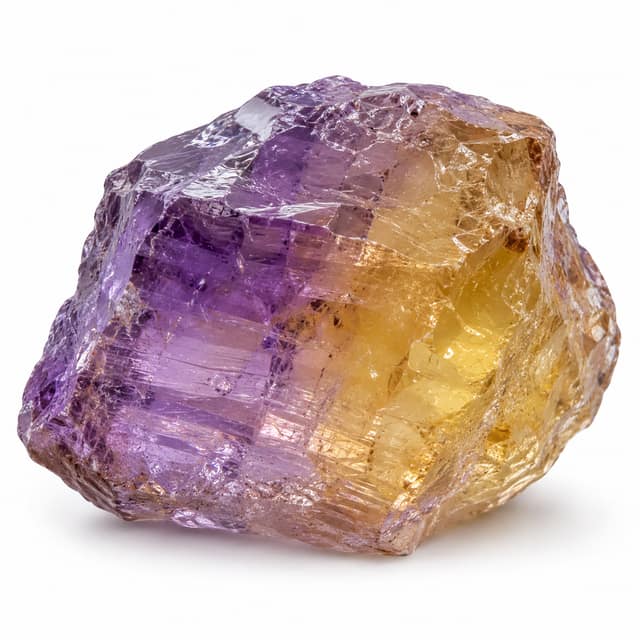
Ametrine is a bicolour quartz variety containing distinct amethyst and citrine colour zones.
Matched
Differences
No significant mismatches
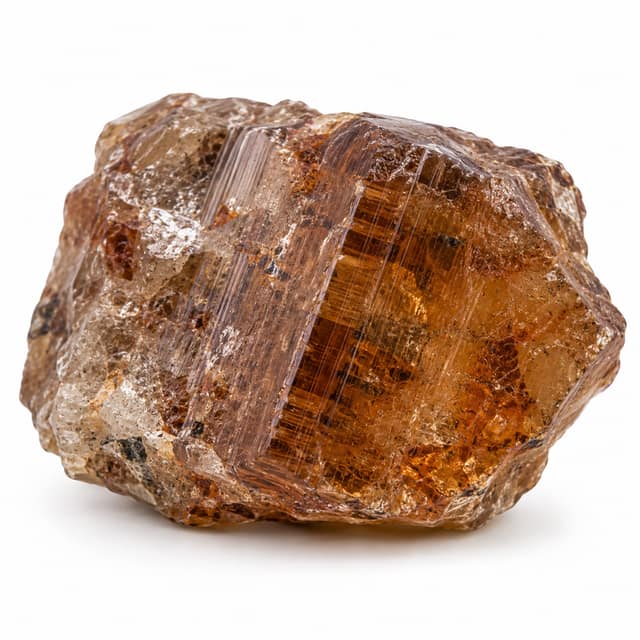
Andalusite is an aluminum silicate gemstone noted for strong pleochroism between green, yellow, and brown hues.
Matched
Differences
No significant mismatches
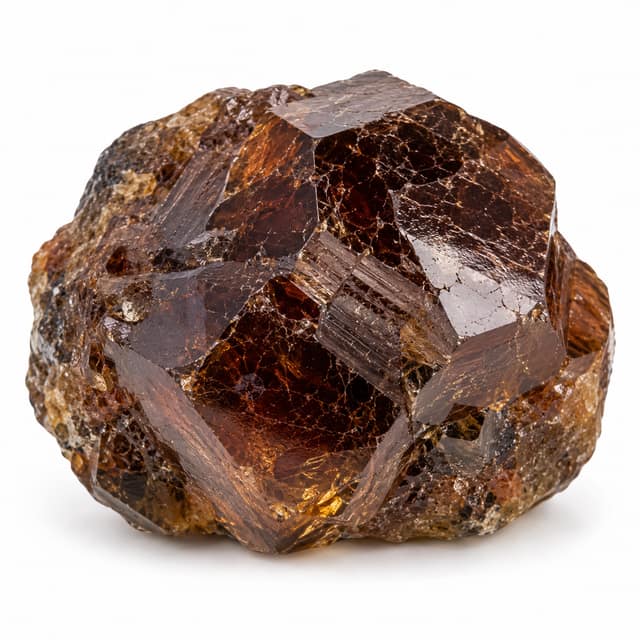
Andradite is a calcium-iron garnet species that includes demantoid and melanite varieties.
Matched
Differences
No significant mismatches
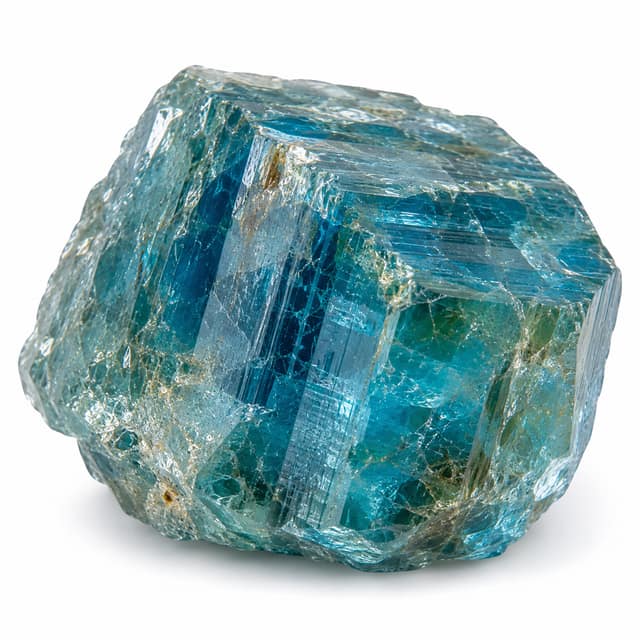
Apatite is a calcium phosphate mineral group used as a collector and jewellery gemstone in multiple colours.
Matched
Differences
No significant mismatches
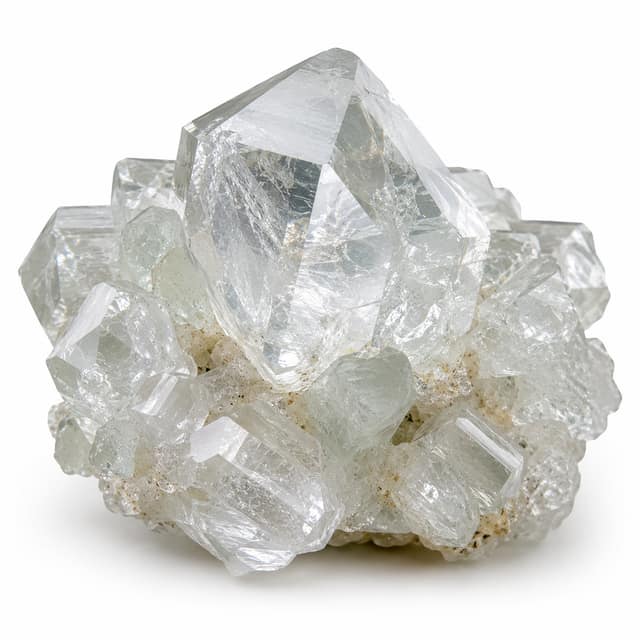
Apophyllite is a hydrated silicate mineral group known primarily as collector crystal material and occasional faceted gem.
Matched
Differences
No significant mismatches
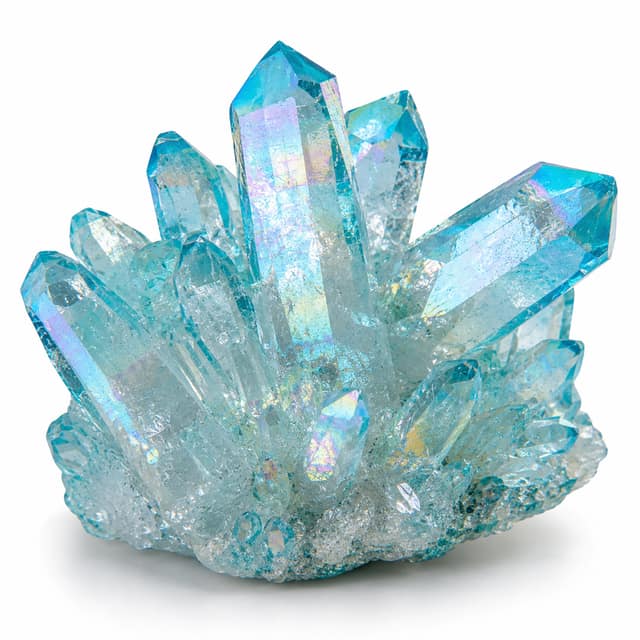
Aqua aura quartz is clear quartz modified by vapor deposition of metals (commonly gold) to produce blue iridescent colour.
Matched
Differences
No significant mismatches
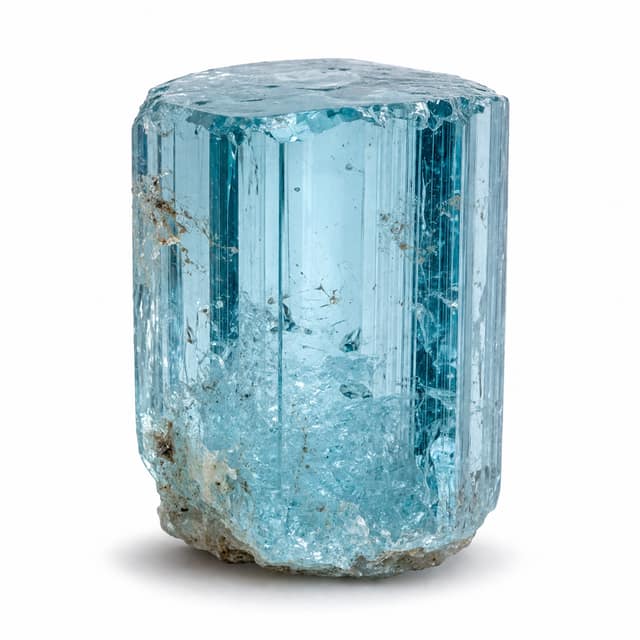
Aquamarine is appreciated for clarity and calm blue colour more than spectacle. Well-cut stones often look almost water-clear at first glance, with the blue becoming more apparent as light travels through the body of the gem.
Matched
Differences
No significant mismatches
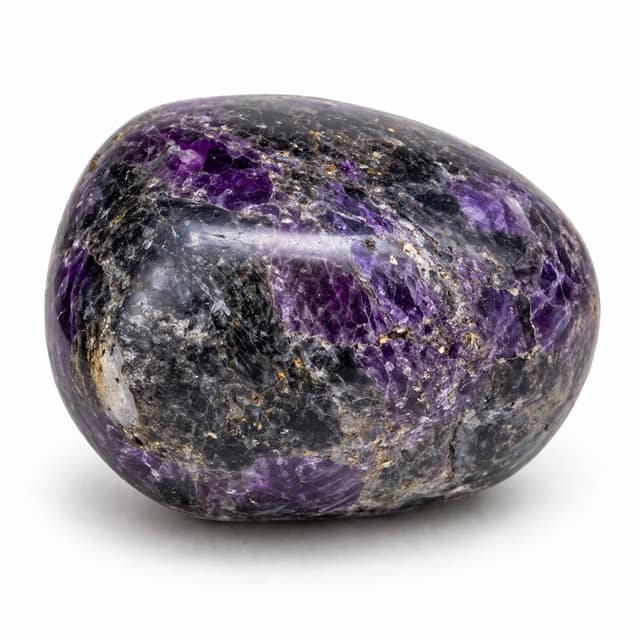
Astro stone is a trade descriptor for decorative composite material rather than a recognized mineral species.
Matched
Differences
No significant mismatches
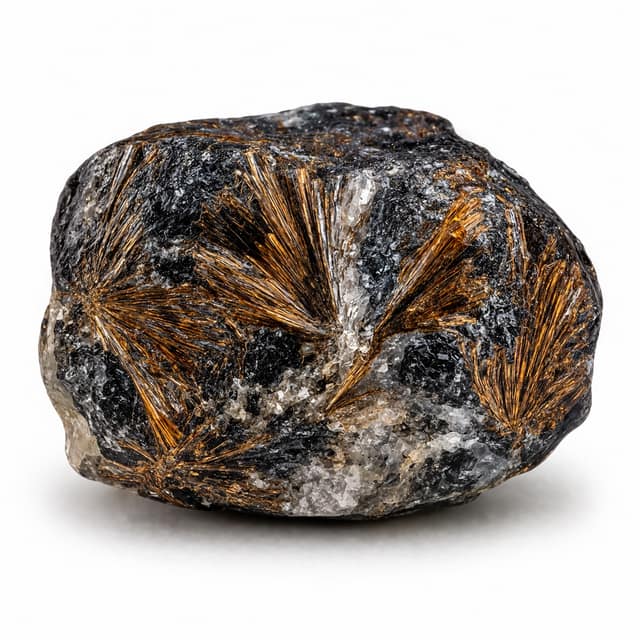
Astrophyllite is a rare complex silicate mineral seen as bronze radiating blades in matrix material.
Matched
Differences
No significant mismatches
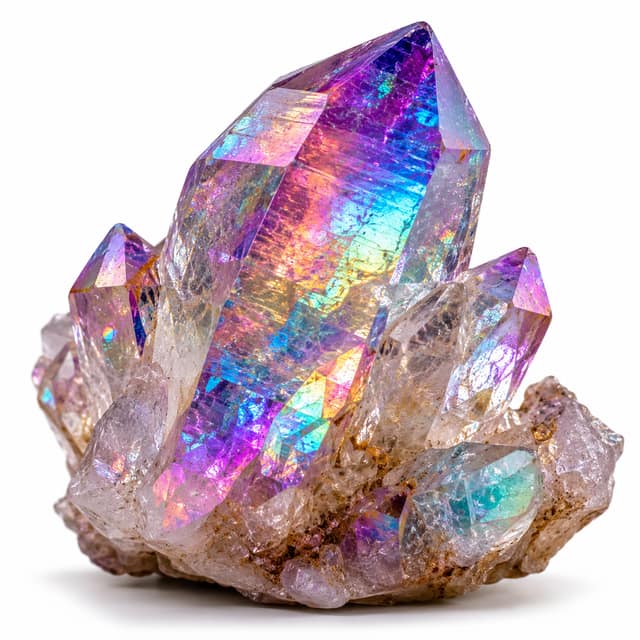
Aurora quartz is coated quartz sold under a trade name for iridescent surface color effects.
Matched
Differences
No significant mismatches
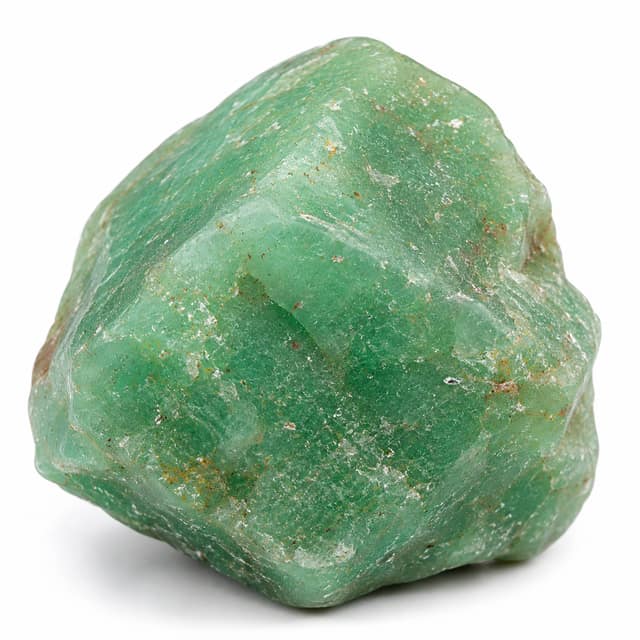
Aventurine is a quartz variety containing reflective platelets that create aventurescence.
Matched
Differences
No significant mismatches
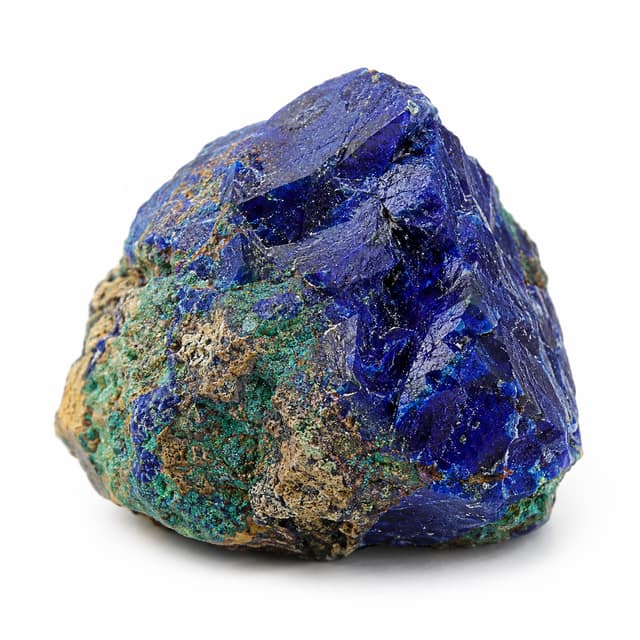
Azurite is a deep blue copper carbonate mineral, often associated with malachite in oxidized copper deposits.
Matched
Differences
No significant mismatches
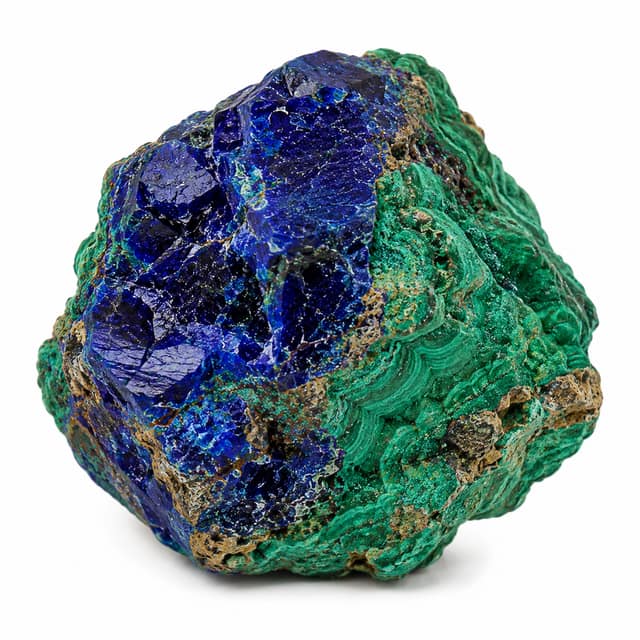
Azurite-malachite is a natural intergrowth of two copper carbonates used as an ornamental gemstone material.
Matched
Differences
No significant mismatches
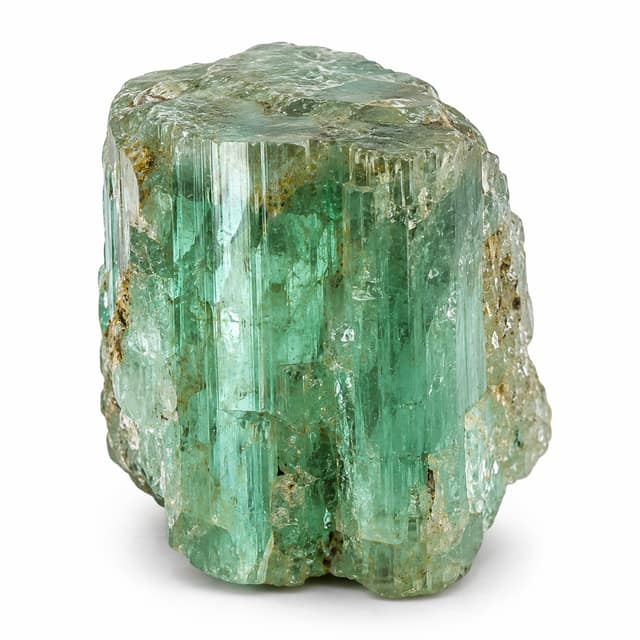
Beryl is often discussed with one eye on colour and the other on where the material comes from. That combination of blue body colour, 7.5 Mohs hardness, and vitreous lustre is what usually makes it recognisable in practice. The secondary green note often matters more than people expect when separating it from lookalikes.
Matched
Differences
No significant mismatches
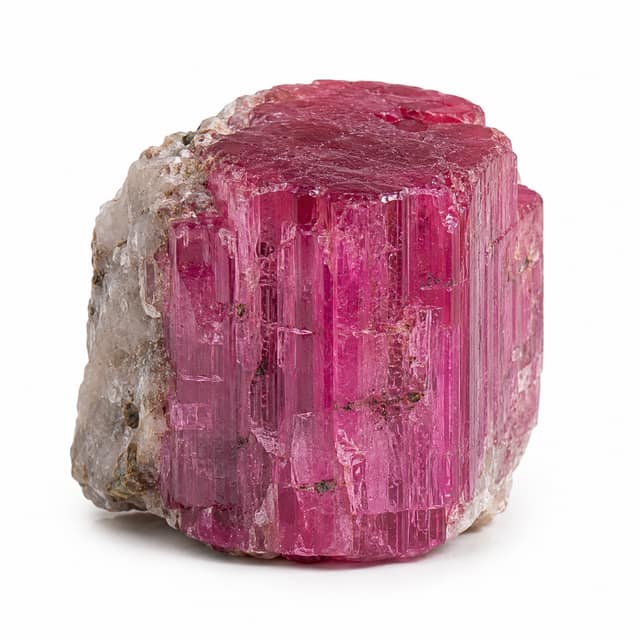
Bixbite profile is under factual gemological review. Properties shown here are provisional unless marked as verified.
Matched
Differences
No significant mismatches
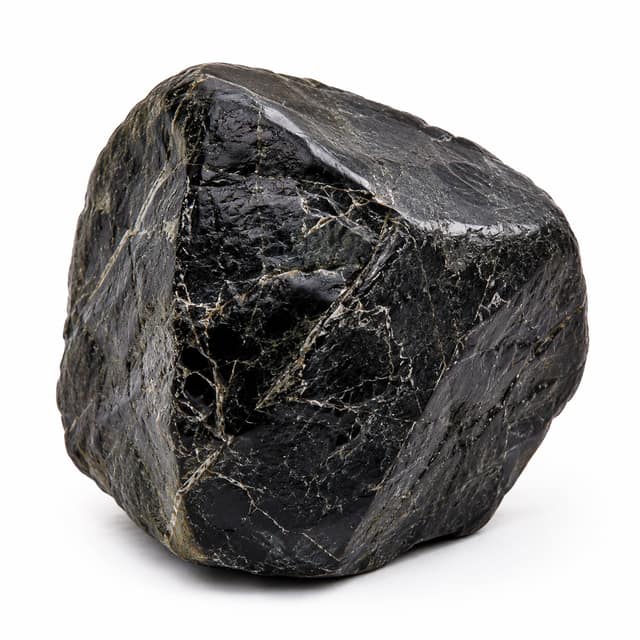
Black jade is a trade color category for dark jade materials, most often nephrite in commercial use.
Matched
Differences
No significant mismatches
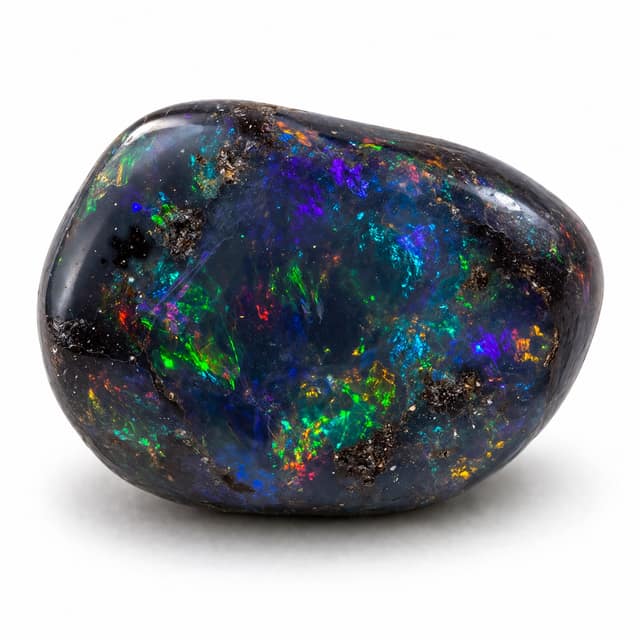
A dark body tone turns black opal into a stage for moving colour. Against that deeper background, flashes of red, green, blue, and orange can appear sharper and more dramatic than they do in lighter opal varieties.
Matched
Differences
No significant mismatches
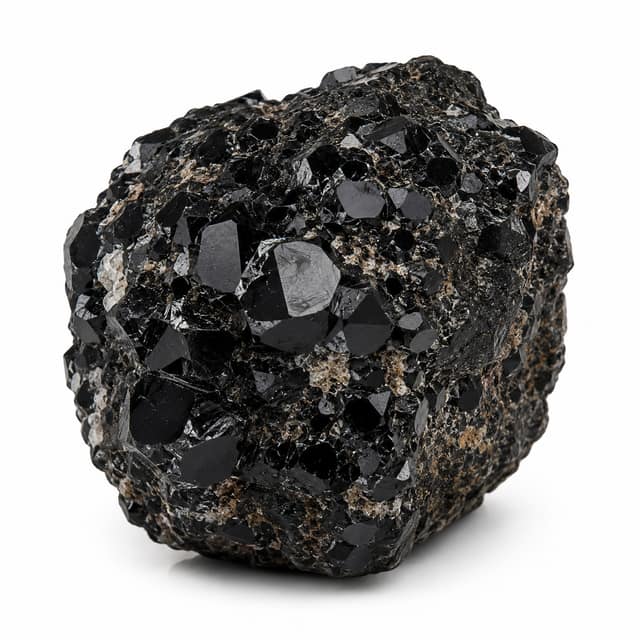
Black Spinel sits among the more resilient gem materials used for jewellery, which shapes both how it wears and how it is collected. That combination of black body colour, 9 Mohs hardness, and vitreous lustre is what usually makes it recognisable in practice.
Matched
Differences
No significant mismatches
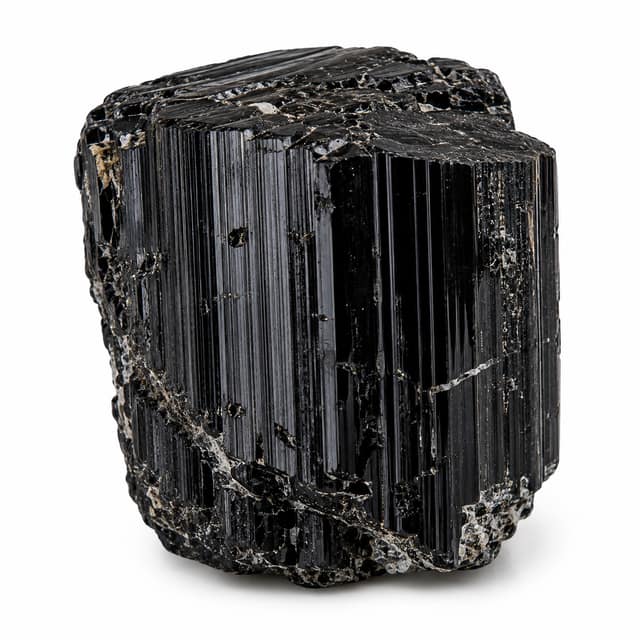
Black Tourmaline is often discussed with one eye on colour and the other on where the material comes from. That combination of black body colour, 7 Mohs hardness, and vitreous lustre is what usually makes it recognisable in practice.
Matched
Differences
No significant mismatches
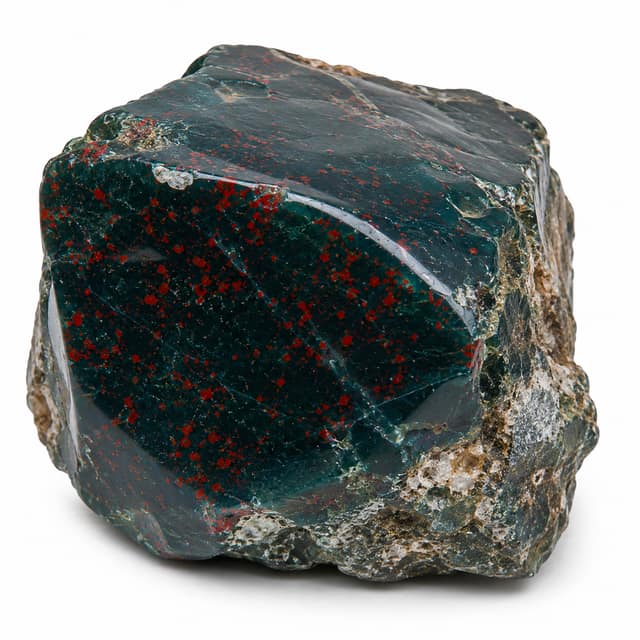
Bloodstone (heliotrope) is dark green chalcedony/jasper marked by red iron-oxide spots.
Matched
Differences
No significant mismatches
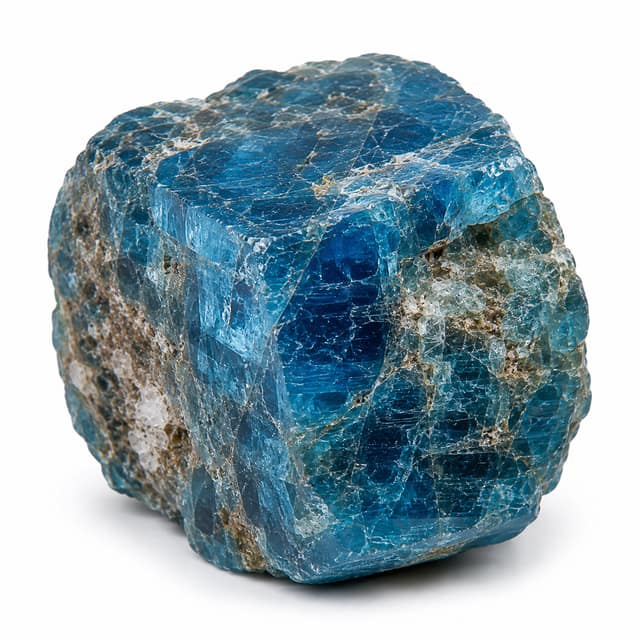
Blue apatite is a blue-colored member of the apatite group used as a collector and jewellery gemstone.
Matched
Differences
No significant mismatches
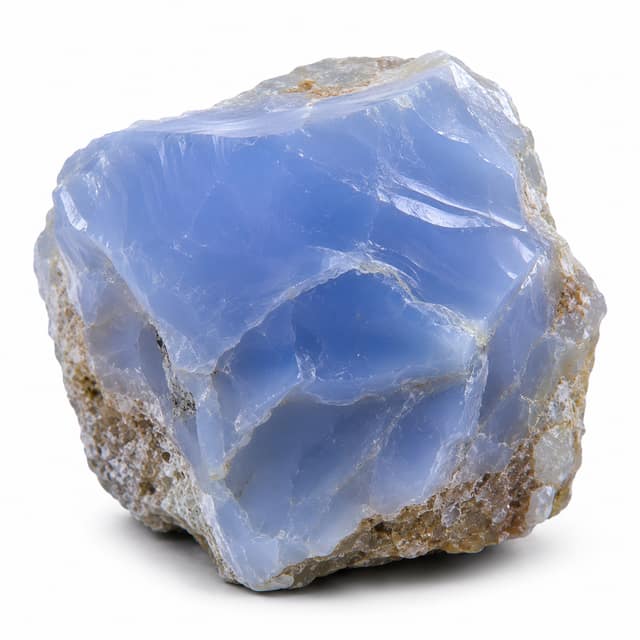
Blue chalcedony is a blue microcrystalline quartz variety valued for soft, uniform translucent colour.
Matched
Differences
No significant mismatches
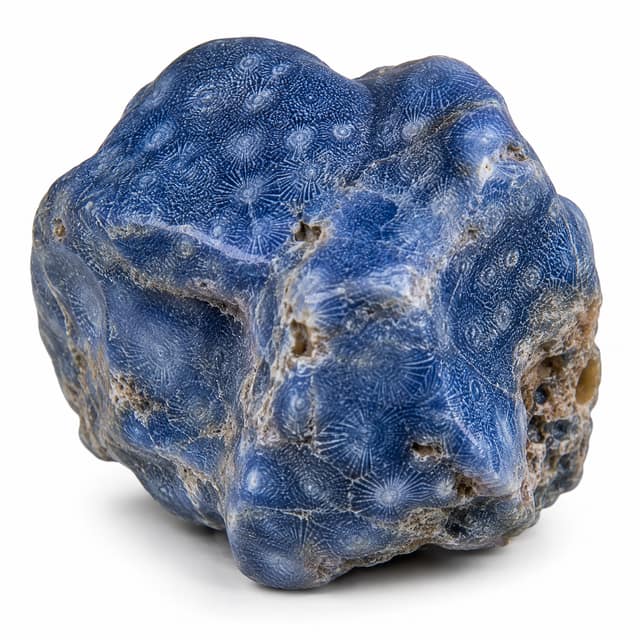
Blue coral is generally a trade product category and often involves dyed or treated coral material.
Matched
Differences
No significant mismatches
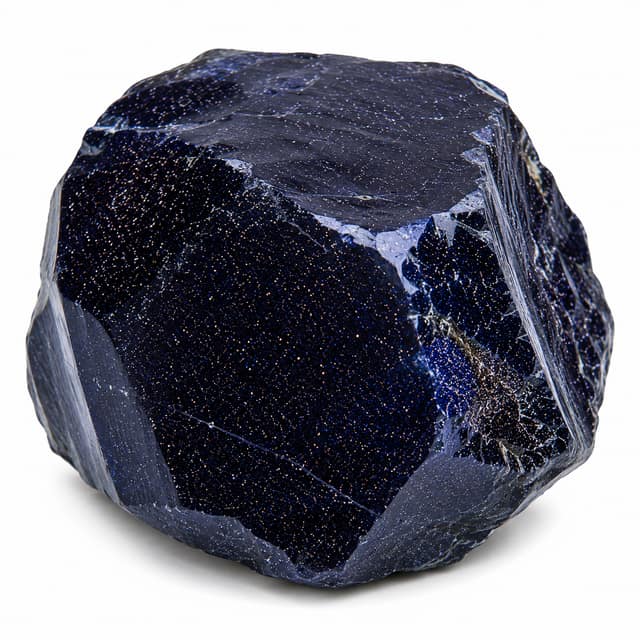
Blue goldstone is a man-made glitter glass used as an ornamental jewellery material.
Matched
Differences
No significant mismatches
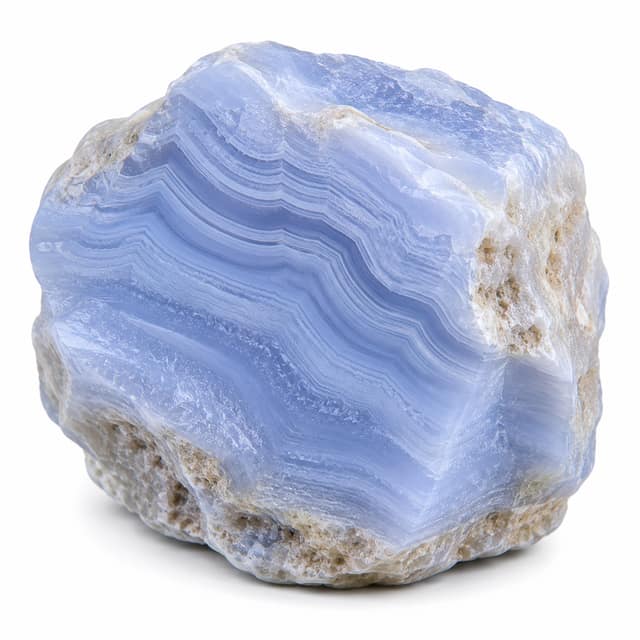
Blue lace agate is a pale blue banded chalcedony variety with fine lace-like white patterns.
Matched
Differences
No significant mismatches
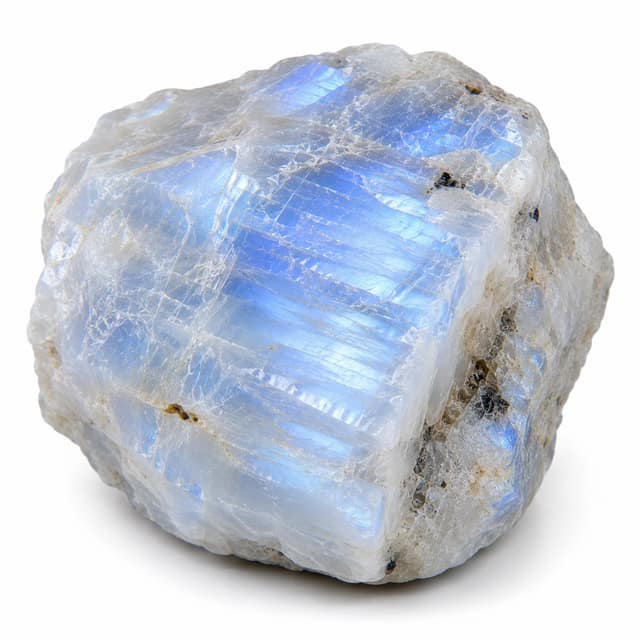
Blue moonstone is a trade term for moonstone-type feldspar showing a blue sheen effect.
Matched
Differences
No significant mismatches
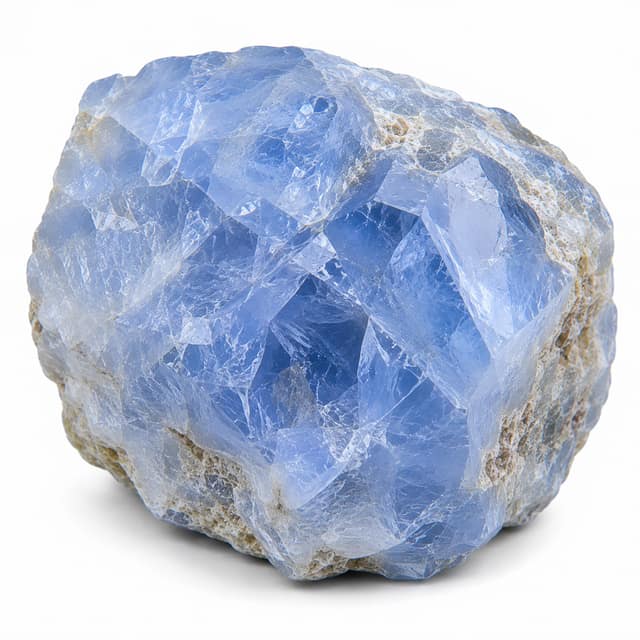
Blue quartz is a trade variety of quartz with blue appearance caused by inclusions or structural scattering.
Matched
Differences
No significant mismatches
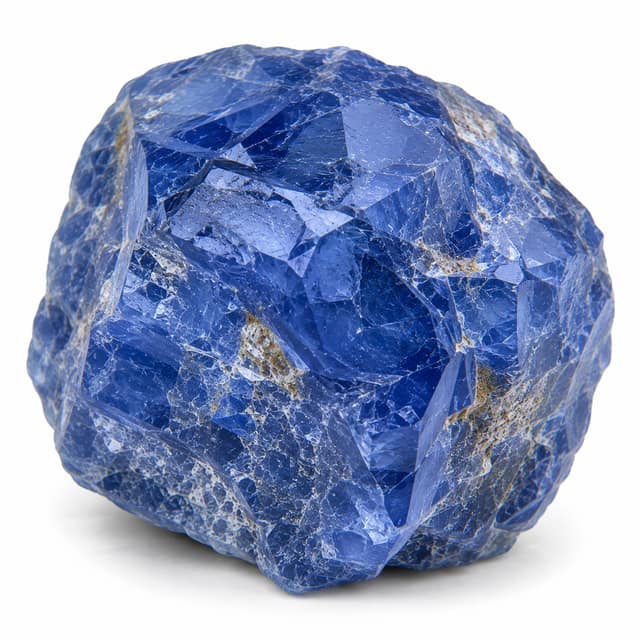
Blue Spinel sits among the more resilient gem materials used for jewellery, which shapes both how it wears and how it is collected. That combination of blue body colour, 9 Mohs hardness, and vitreous lustre is what usually makes it recognisable in practice.
Matched
Differences
No significant mismatches
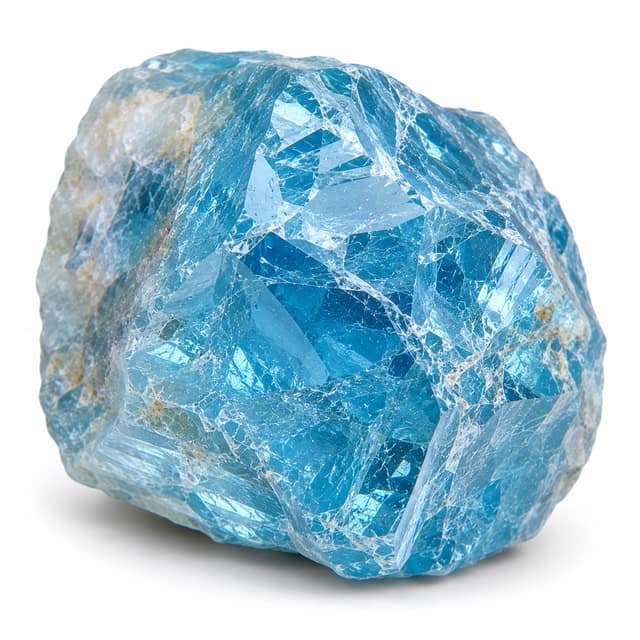
Blue Topaz profile is under factual gemological review. Properties shown here are provisional unless marked as verified.
Matched
Differences
No significant mismatches
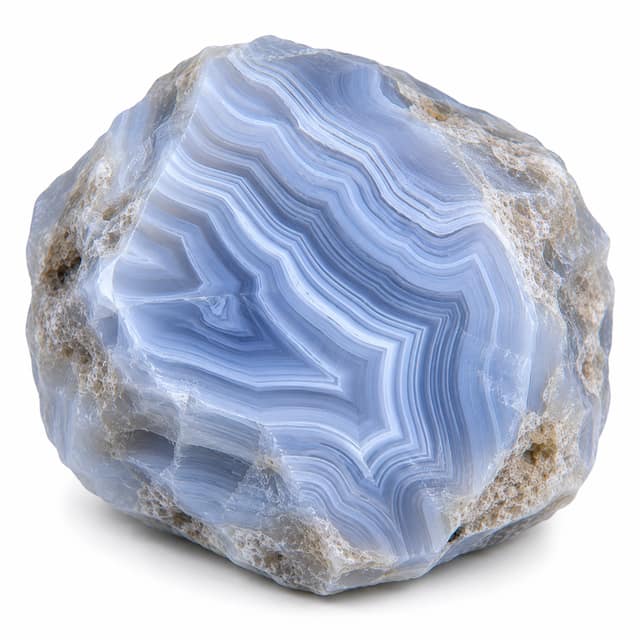
Botswana agate is a finely banded agate variety known for subtle grey-brown and pinkish tones.
Matched
Differences
No significant mismatches
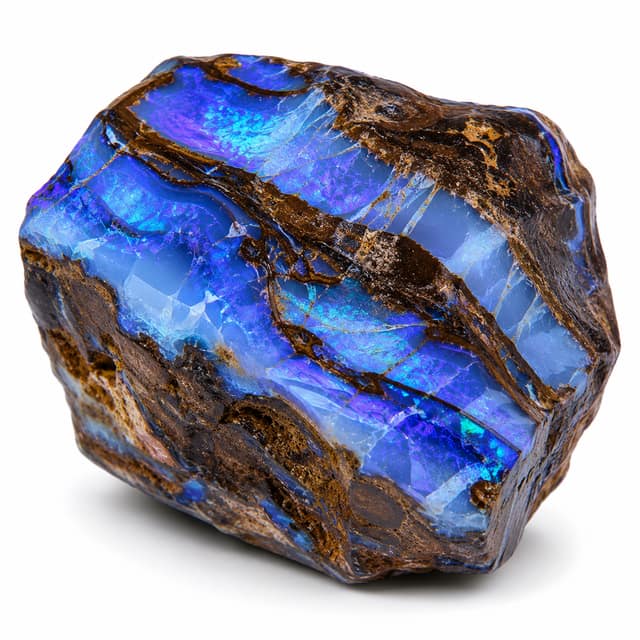
Boulder Opal earns attention when light begins to travel across or through it. That combination of multicolour body colour, opalescence, play of colour, iridescence optical effects, and 5.5 Mohs hardness is what usually makes it recognisable in practice. The effect is best judged in motion, since a static view rarely shows the full character of the stone.
Matched
Differences
No significant mismatches
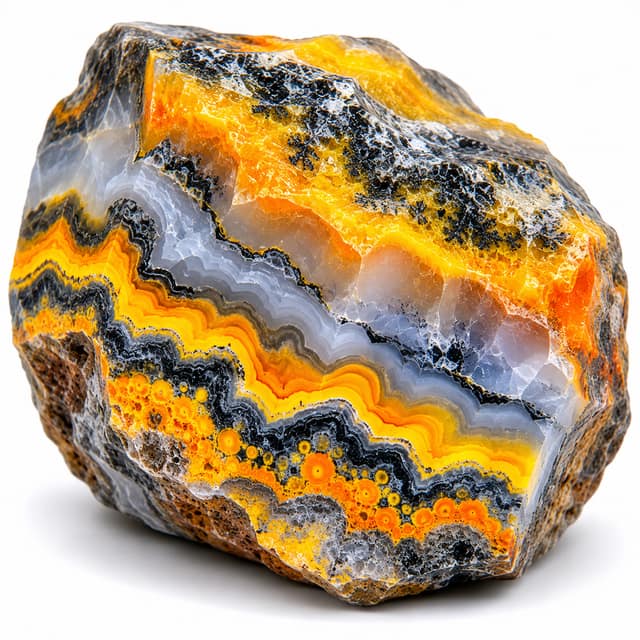
Bumblebee jasper is a trade name for a patterned volcanic-sedimentary composite material, not a true quartz jasper.
Matched
Differences
No significant mismatches
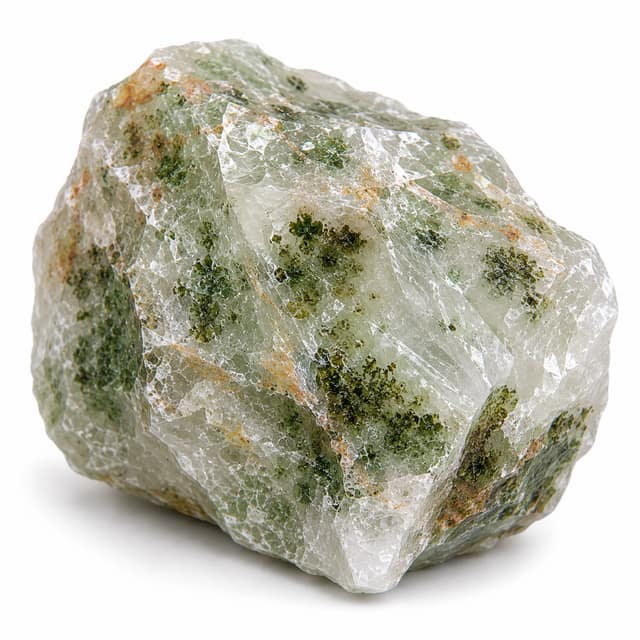
Cactus quartz is a trade name for spirit-like quartz clusters where small crystals cover a larger central crystal.
Matched
Differences
No significant mismatches
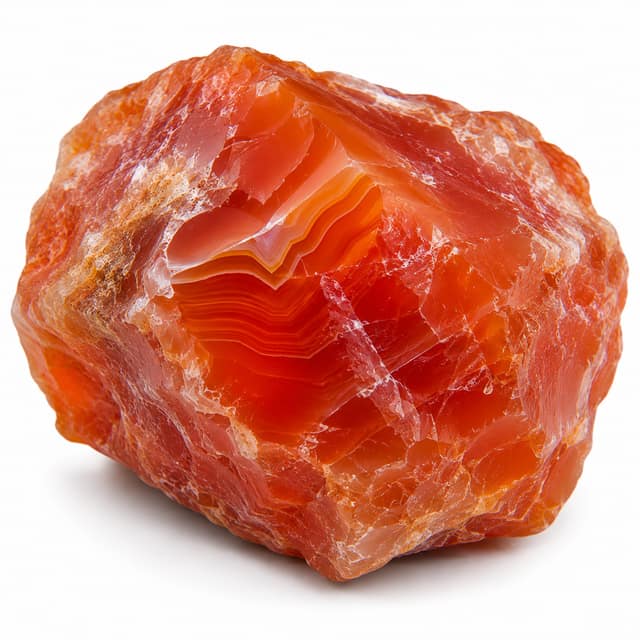
Carnelian is an orange to red chalcedony variety of quartz, typically translucent with a waxy to vitreous surface lustre.
Matched
Differences
No significant mismatches
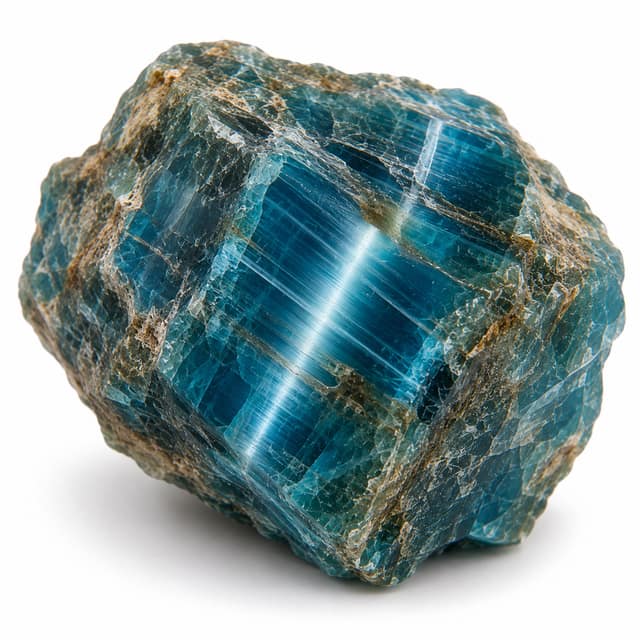
Cat's-eye apatite is a chatoyant apatite variety cut as cabochon to display a moving light band.
Matched
Differences
No significant mismatches
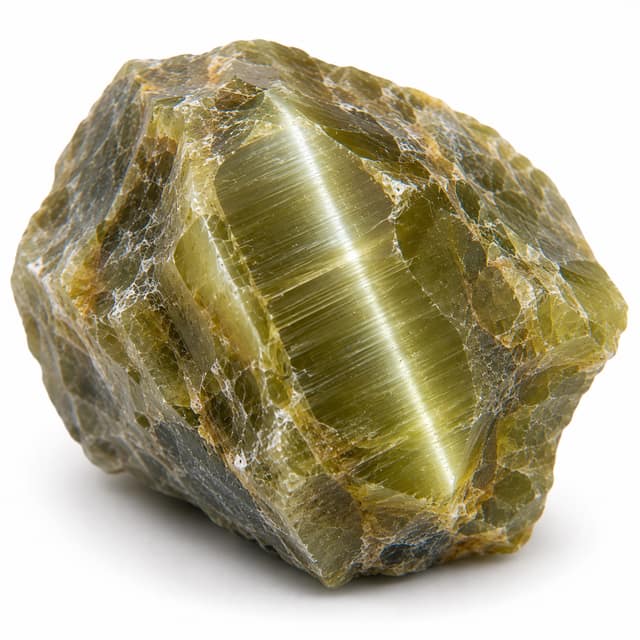
Cat's-eye chrysoberyl is chrysoberyl displaying a strong chatoyant eye caused by aligned inclusions.
Matched
Differences
No significant mismatches
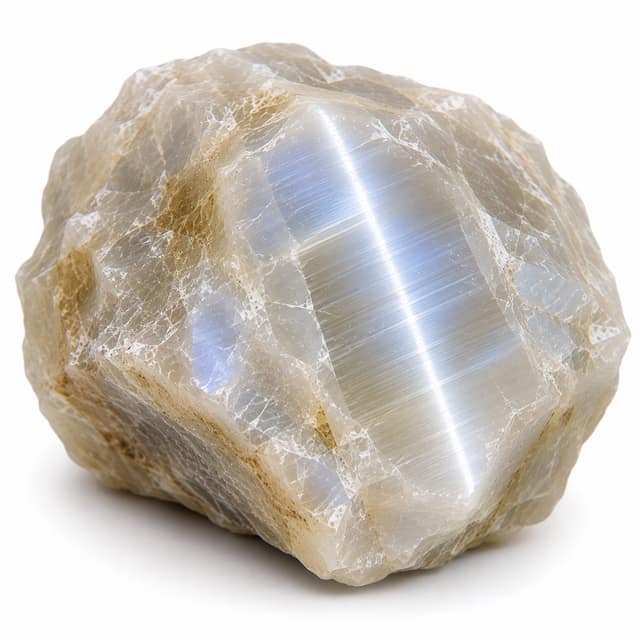
Cat's-eye moonstone is moonstone-type feldspar showing a chatoyant band in suitable cabochon orientation.
Matched
Differences
No significant mismatches
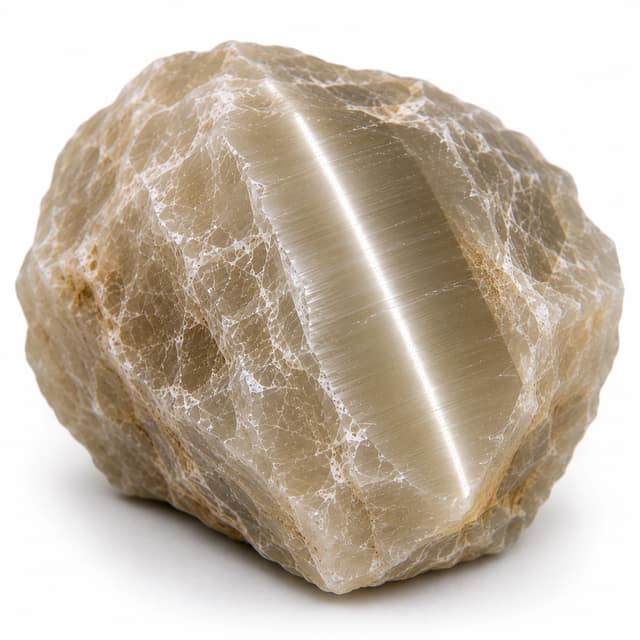
Cat's-eye quartz is quartz showing a chatoyant eye caused by aligned fibrous or needle inclusions.
Matched
Differences
No significant mismatches
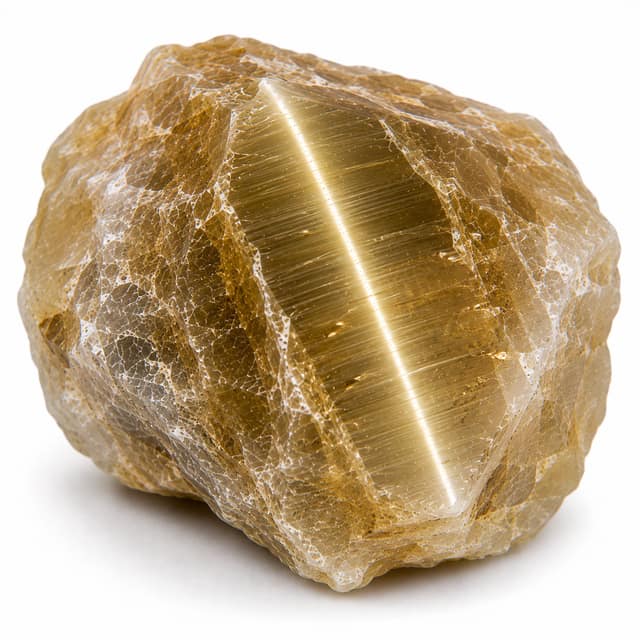
Cat's Eye Topaz earns attention when light begins to travel across or through it. Collectors who care about optical performance often come to it for different reasons, but identification still comes back to blue body colour, chatoyancy optical effects, and 8 Mohs hardness. The effect is best judged in motion, since a static view rarely shows the full character of the stone.
Matched
Differences
No significant mismatches
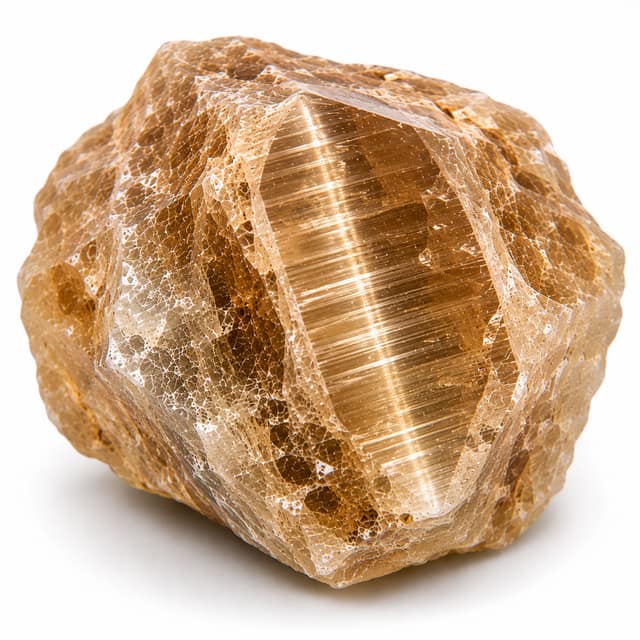
Among jewellery stones, Champagne Topaz stands out for combining appearance with notable wear resistance. Jewellers who need dependable wear resistance often come to it for different reasons, but identification still comes back to blue body colour, 8 Mohs hardness, and vitreous lustre. The secondary champagne note often matters more than people expect when separating it from lookalikes.
Matched
Differences
No significant mismatches
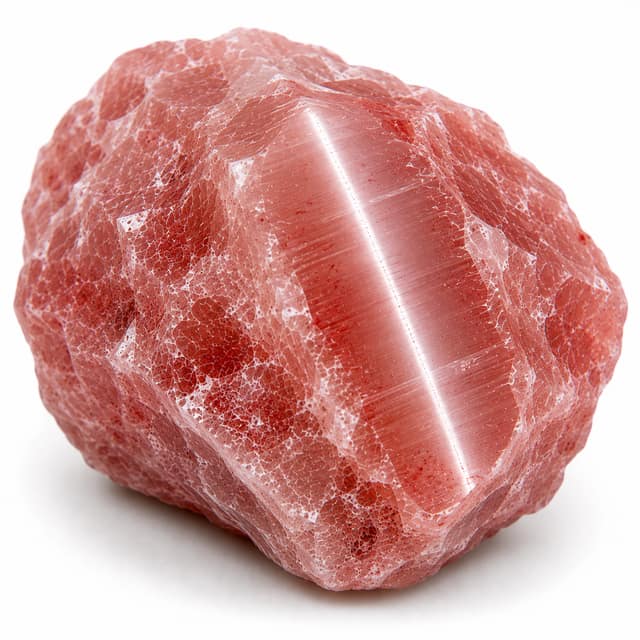
Cherry quartz in commerce is commonly glass or treated quartz-like material sold as a decorative stone.
Matched
Differences
No significant mismatches
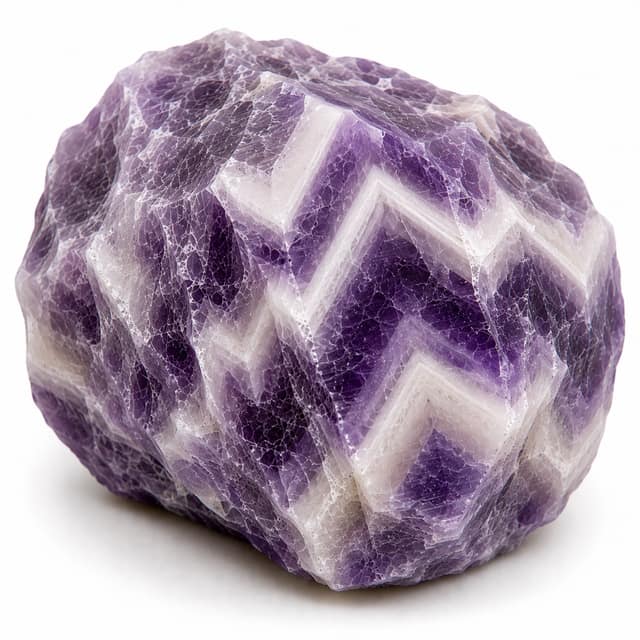
Chevron amethyst is an amethyst-quartz banded variety characterized by angular purple-white zoning.
Matched
Differences
No significant mismatches
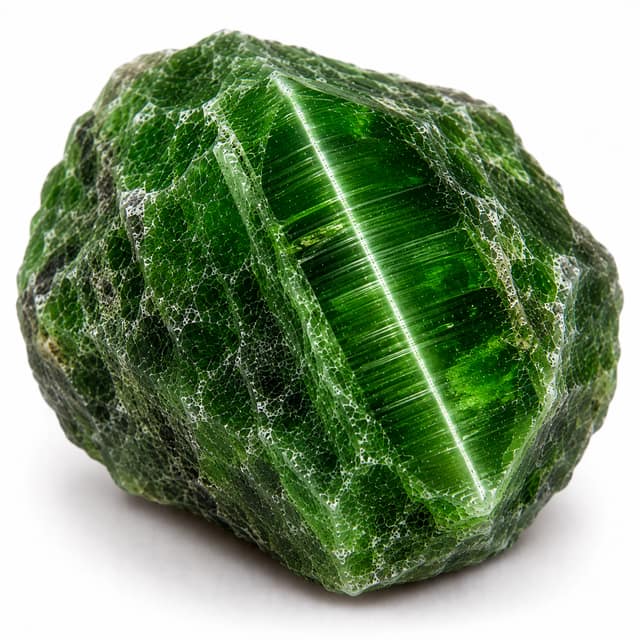
Chrome diopside is the vivid green chromium-bearing gem variety of diopside.
Matched
Differences
No significant mismatches
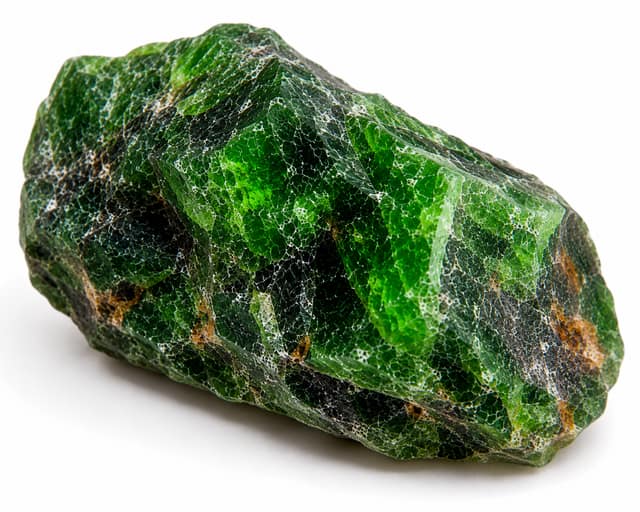
Chrome garnet is a trade term for chromium-bearing green garnets, often pyrope-rich material.
Matched
Differences
No significant mismatches
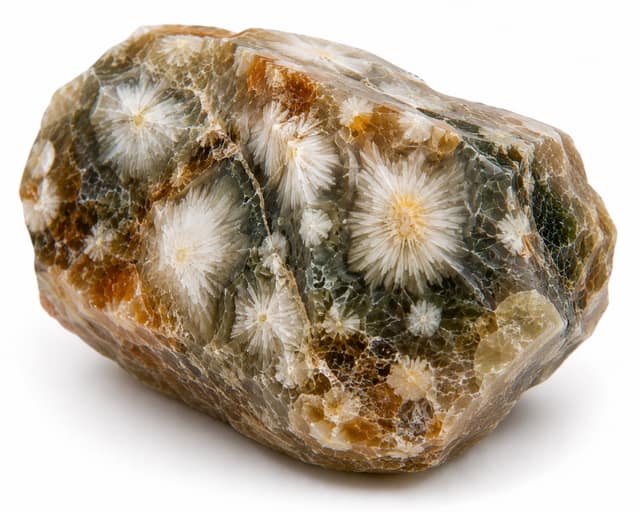
Chrysanthemum stone is a patterned ornamental rock with white radiating mineral growths in dark matrix.
Matched
Differences
No significant mismatches
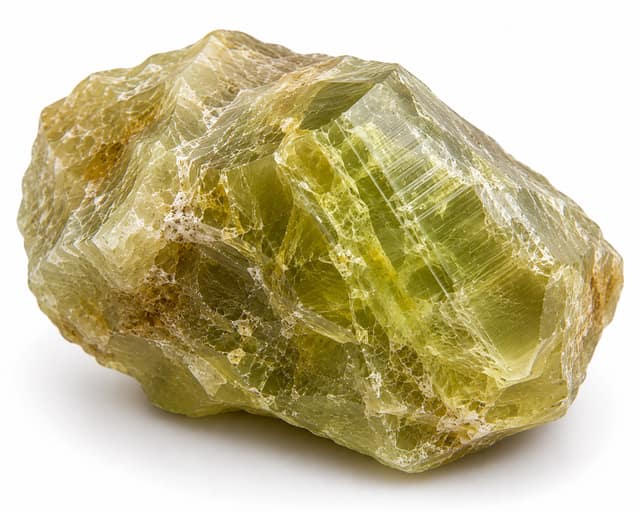
Chrysoberyl is a very hard beryllium aluminum oxide gemstone species that includes alexandrite and cat-eye varieties.
Matched
Differences
No significant mismatches
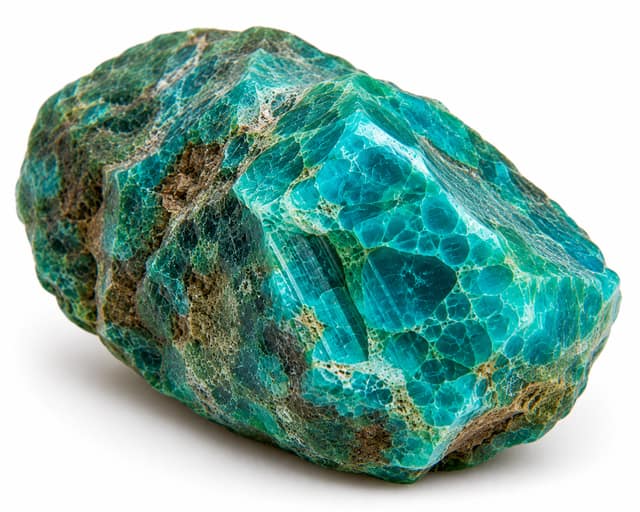
Chrysocolla is a hydrated copper silicate gemstone material, frequently occurring as massive blue-green aggregates.
Matched
Differences
No significant mismatches
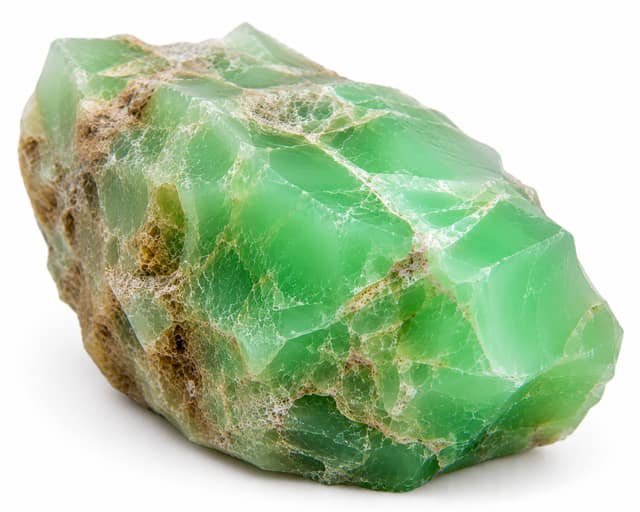
Chrysoprase is a nickel-coloured green chalcedony variety of quartz.
Matched
Differences
No significant mismatches
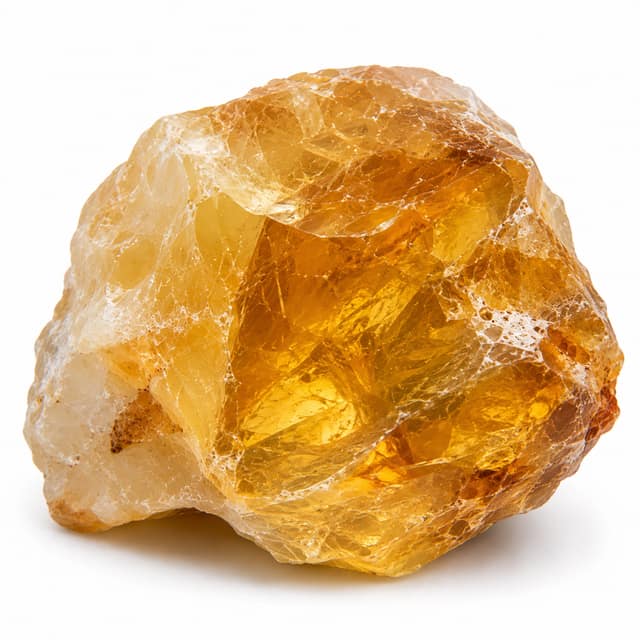
Citrine is the yellow variety of quartz, commonly transparent with vitreous lustre.
Matched
Differences
No significant mismatches
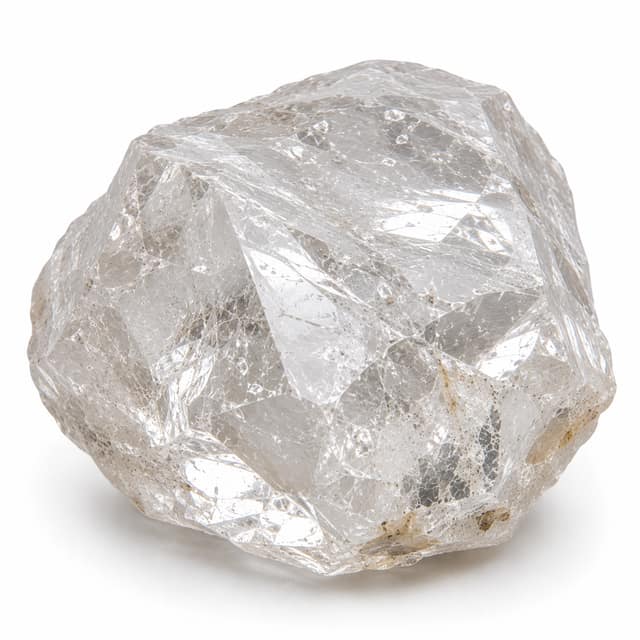
Clear quartz (rock crystal) is colorless transparent quartz with trigonal crystal symmetry and vitreous lustre.
Matched
Differences
No significant mismatches
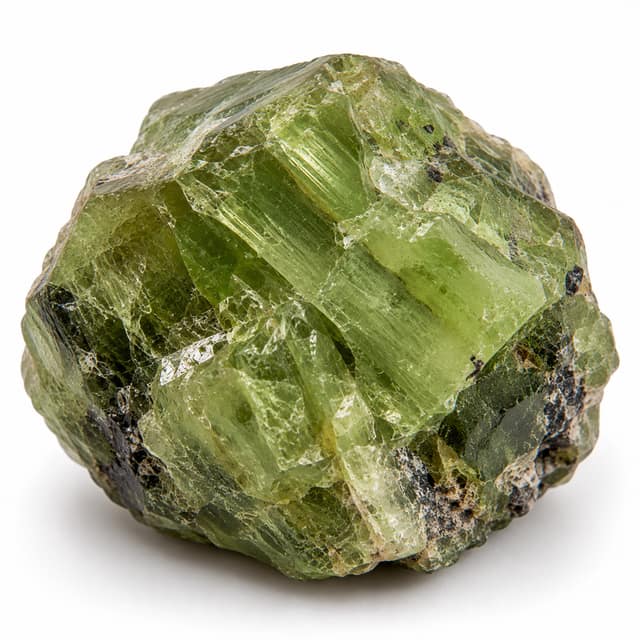
Clinozoisite is a monoclinic epidote-group calcium aluminum sorosilicate with limited gem use.
Matched
Differences
No significant mismatches
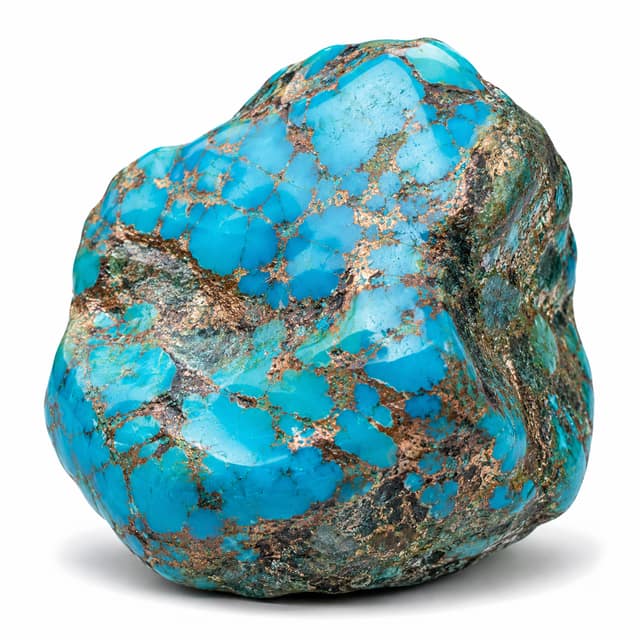
Copper turquoise is a trade material combining turquoise with metallic copper effect components, often stabilized or reconstructed.
Matched
Differences
No significant mismatches
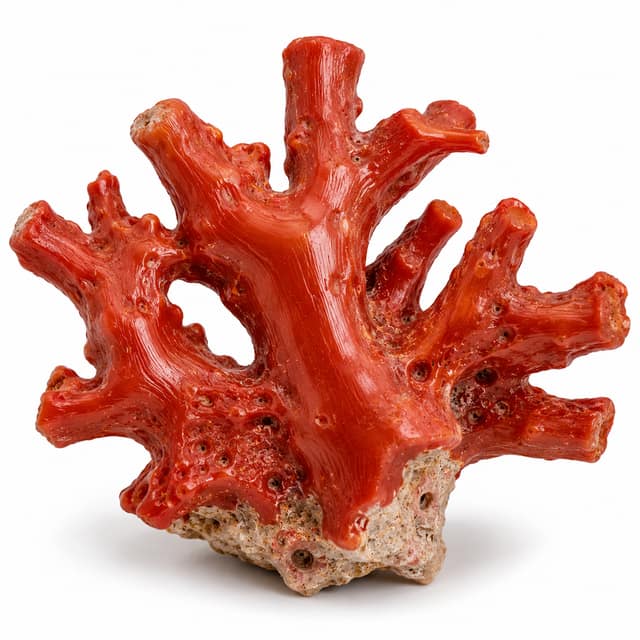
Gem coral is an organic biogenic material composed of coral skeleton polished for ornamental use.
Matched
Differences
No significant mismatches
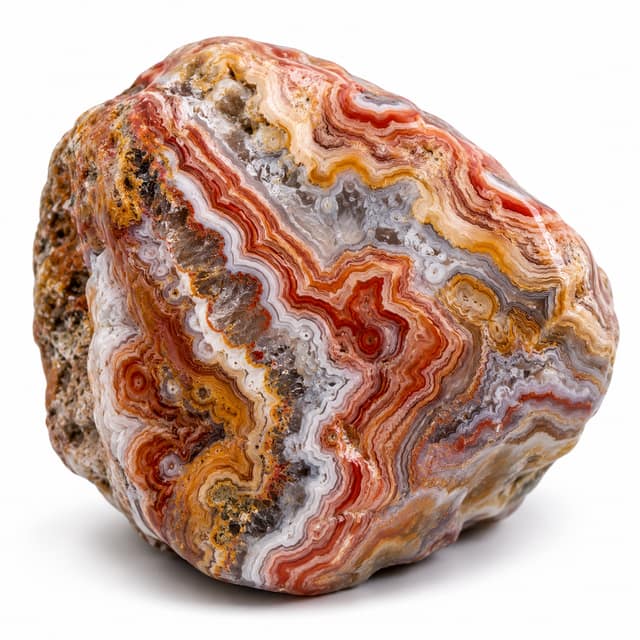
Crazy lace agate is a Mexican banded agate known for dense swirling lace-like patterning.
Matched
Differences
No significant mismatches
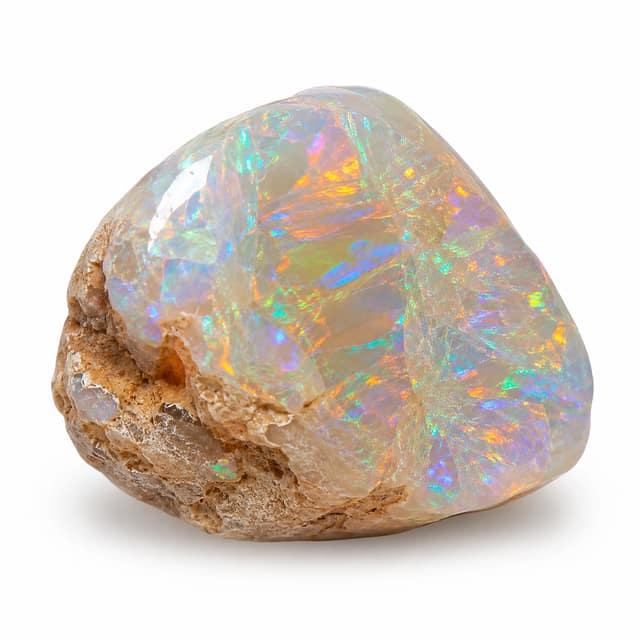
Crystal Opal earns attention when light begins to travel across or through it. That combination of multicolour body colour, opalescence, play of colour, iridescence optical effects, and 5.5 Mohs hardness is what usually makes it recognisable in practice. The effect is best judged in motion, since a static view rarely shows the full character of the stone.
Matched
Differences
No significant mismatches
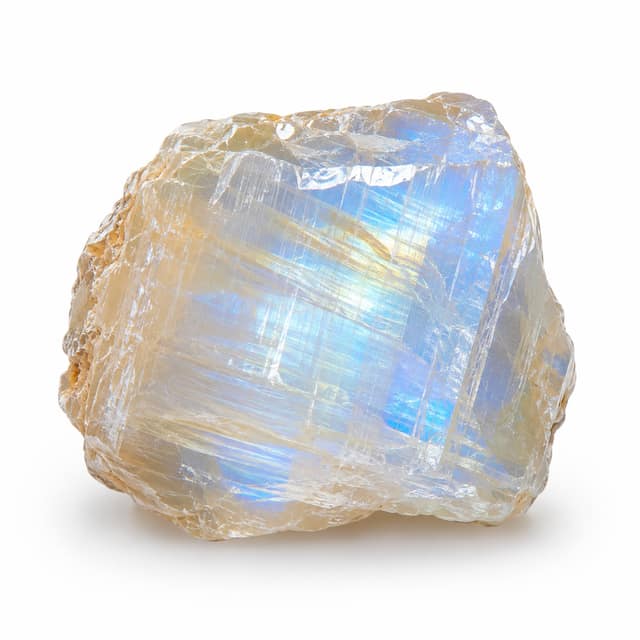
Cymophane is the traditional mineralogical name for cat's-eye chrysoberyl.
Matched
Differences
No significant mismatches
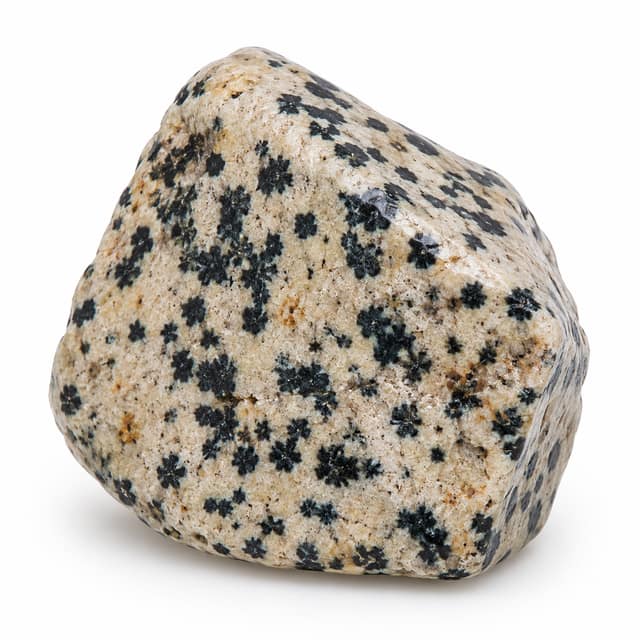
Dalmatian jasper is a trade name for spotted ornamental rock, not a strict quartz jasper species.
Matched
Differences
No significant mismatches
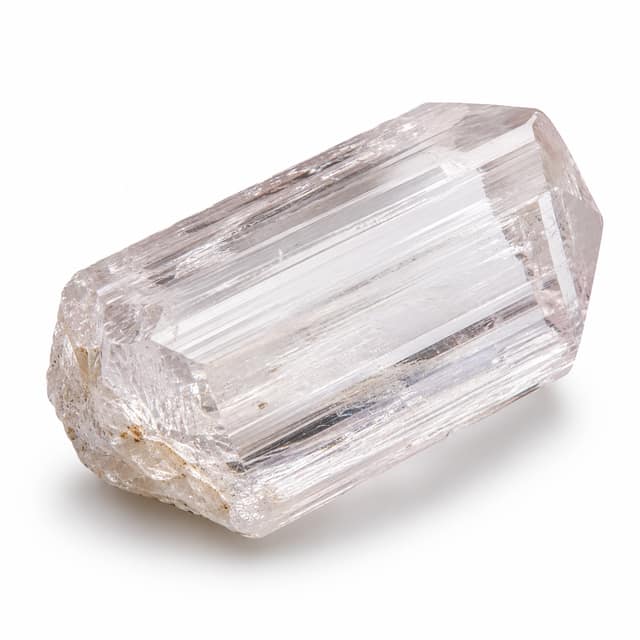
Danburite is a calcium borosilicate gemstone often seen as a colorless faceted stone.
Matched
Differences
No significant mismatches
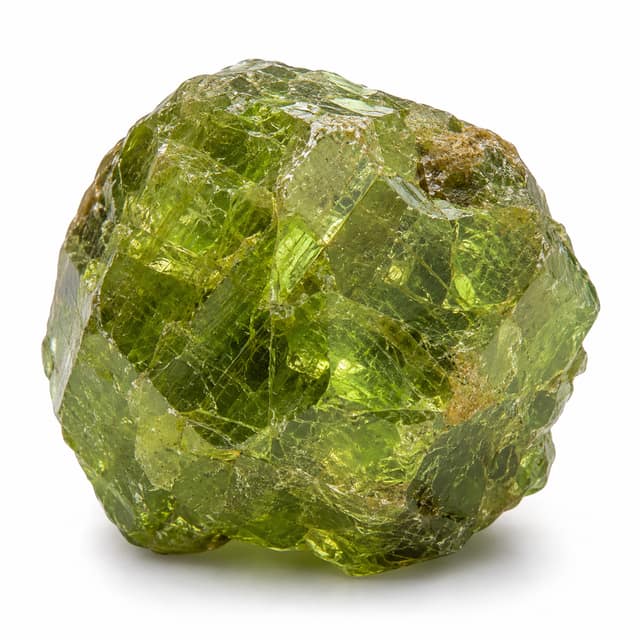
Demantoid is the green gem variety of andradite garnet, prized for high dispersion and brilliance.
Matched
Differences
No significant mismatches
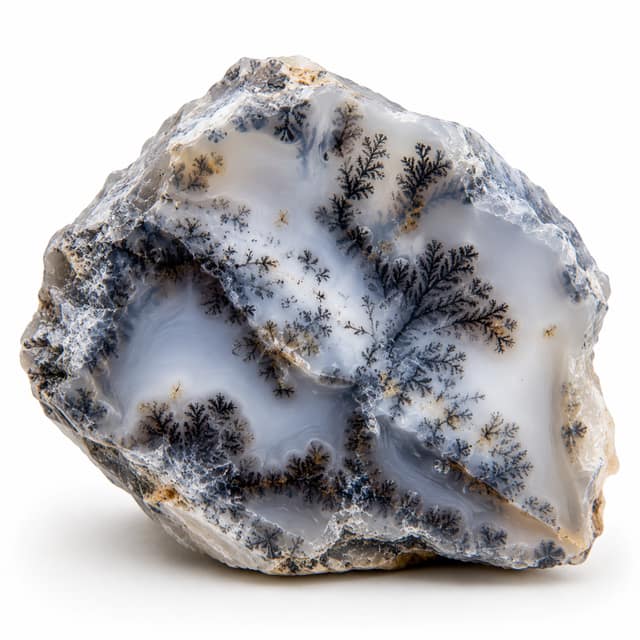
Dendritic agate is chalcedony containing tree-like manganese or iron dendritic inclusions.
Matched
Differences
No significant mismatches
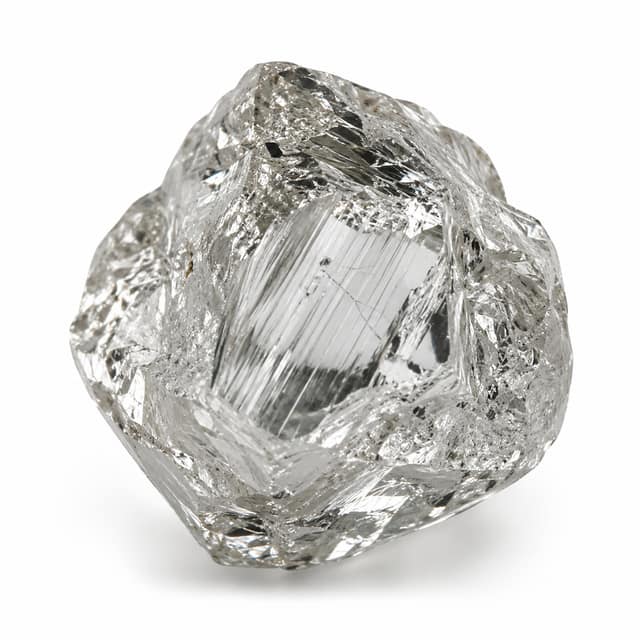
No gemstone has a stronger reputation for durability than diamond, and that reputation is grounded in crystal structure rather than marketing. Its exceptional hardness, high lustre, and ability to return crisp light make it central to both jewellery and industrial applications.
Matched
Differences
No significant mismatches
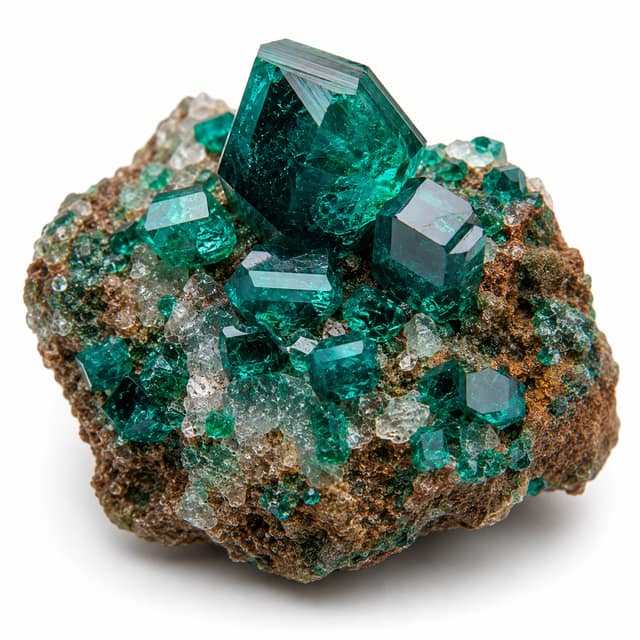
Dioptase is a bright green copper cyclosilicate mineral prized mainly as a collector crystal and occasional gem.
Matched
Differences
No significant mismatches
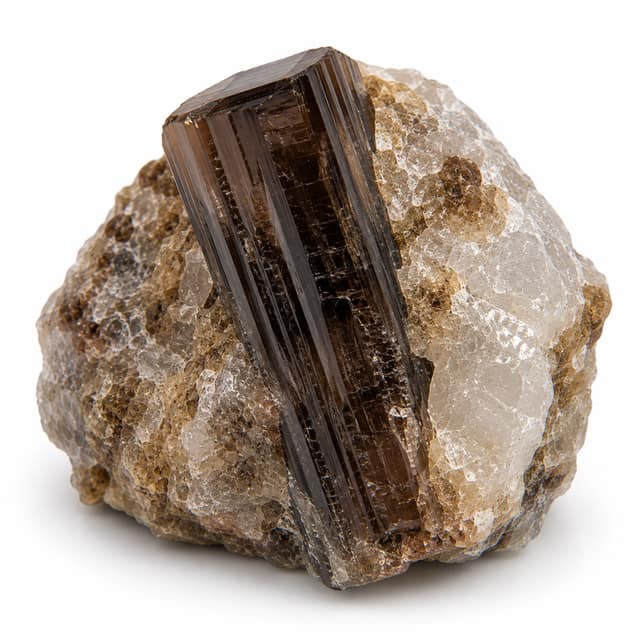
Dravite is the magnesium-rich brown end-member of the tourmaline group.
Matched
Differences
No significant mismatches
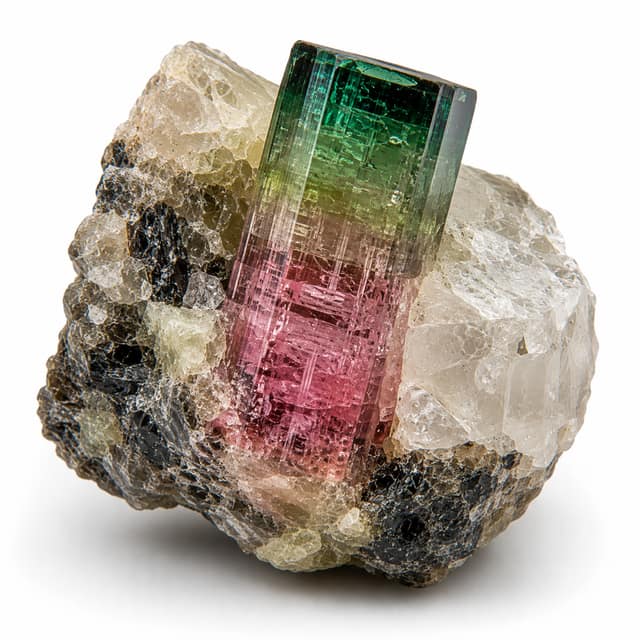
Elbaite is the lithium-rich tourmaline species that includes many prized gem tourmaline colors.
Matched
Differences
No significant mismatches
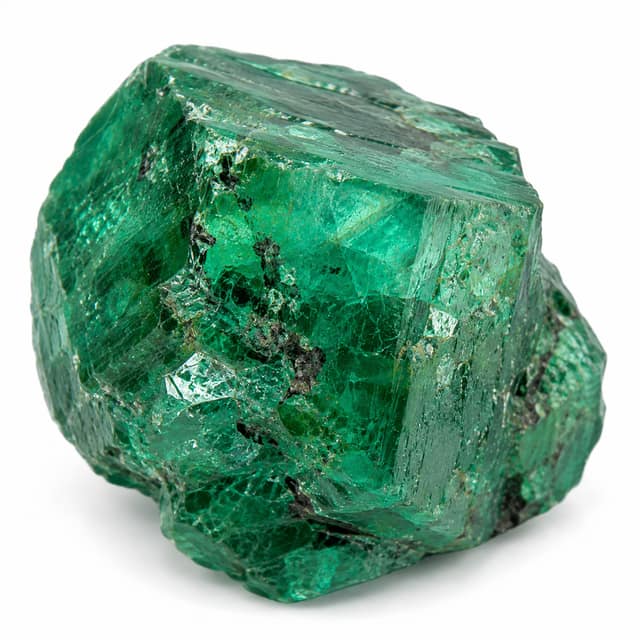
Emerald stands apart from other green gems because colour carries more weight than absolute clarity. Even stones with visible inclusions can be highly regarded when the green is vivid, lively, and unmistakably within the emerald range.
Matched
Differences
No significant mismatches
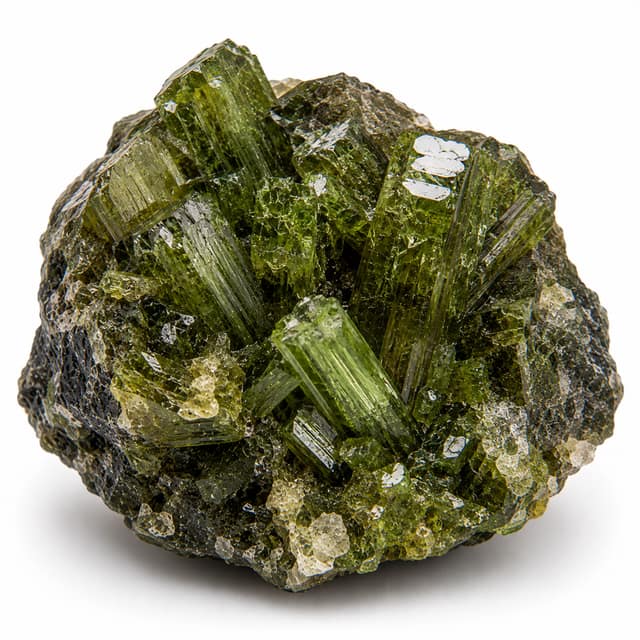
Epidote is a monoclinic sorosilicate mineral with green coloration and occasional facetable transparency.
Matched
Differences
No significant mismatches
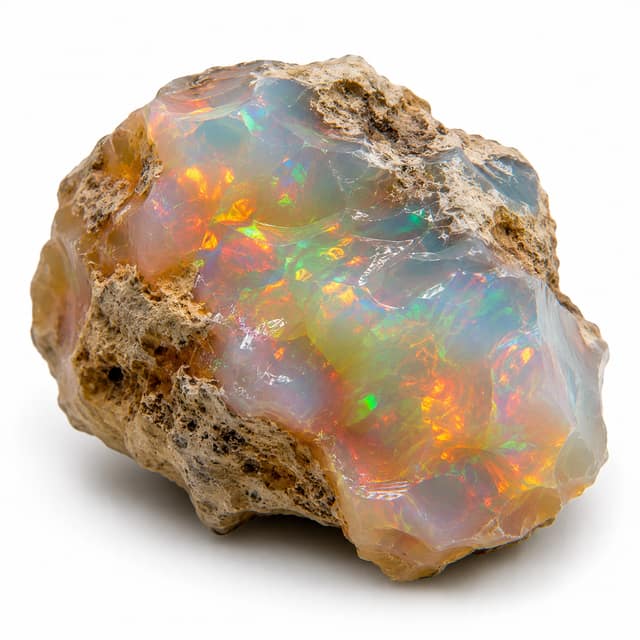
Ethiopian Opal profile is under factual gemological review. Properties shown here are provisional unless marked as verified.
Matched
Differences
No significant mismatches
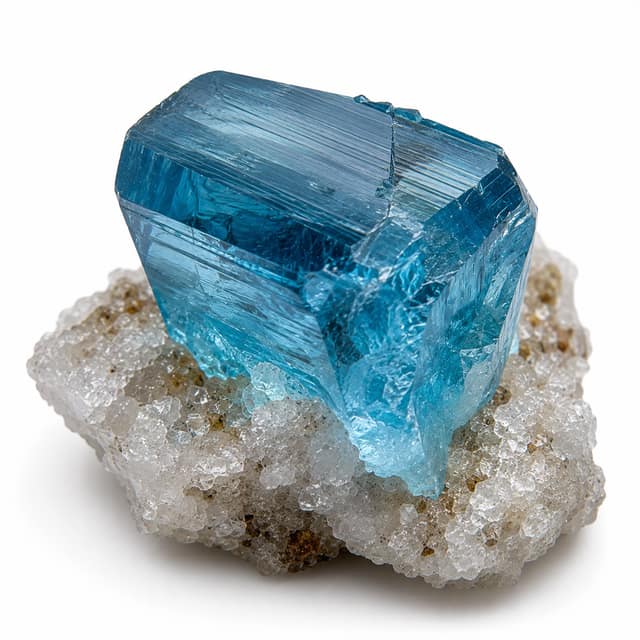
Euclase is a beryllium aluminum silicate hydroxide mineral occasionally cut as a collector gemstone.
Matched
Differences
No significant mismatches
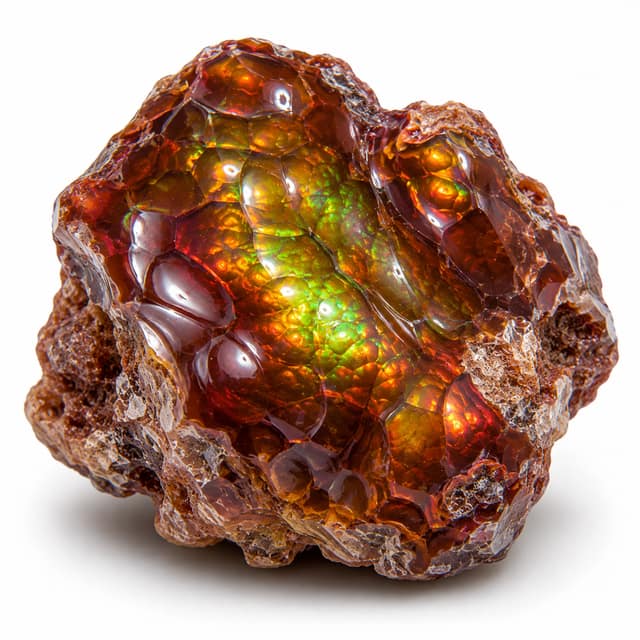
Fire agate is a chalcedony variety with iridescent colors caused by thin iron-oxide interference layers.
Matched
Differences
No significant mismatches
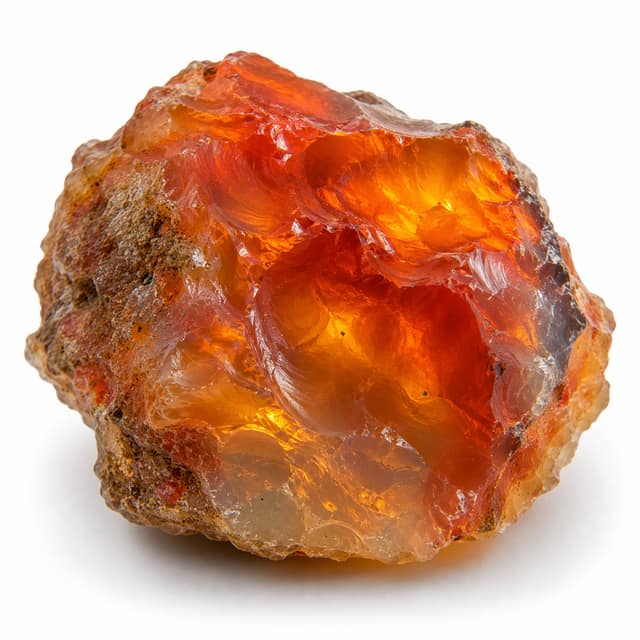
Fire chalcedony is an orange-red chalcedony trade variety distinguished by body color rather than interference iridescence.
Matched
Differences
No significant mismatches
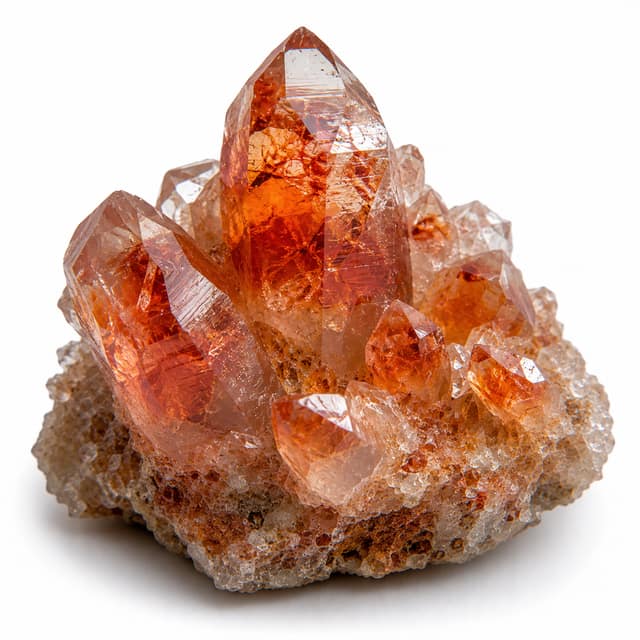
Fire quartz is a trade term commonly used for hematoid quartz showing red-orange internal inclusion color.
Matched
Differences
No significant mismatches
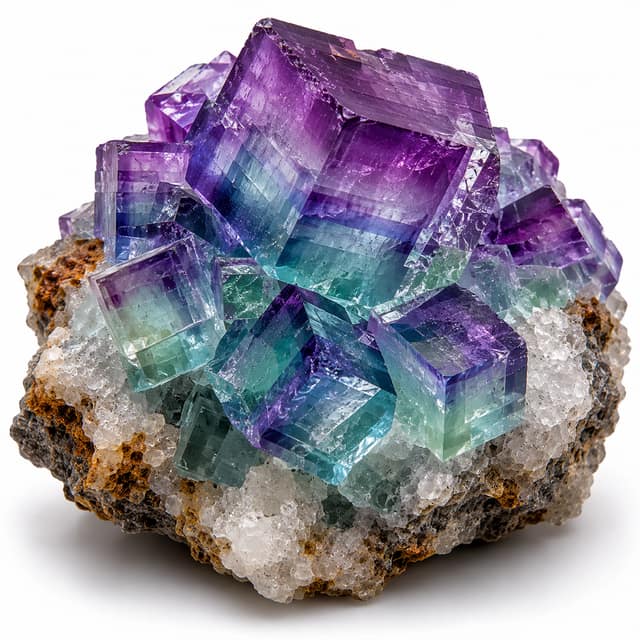
Fluorite is a calcium fluoride mineral known for wide colour variation, strong cleavage, and common fluorescence.
Matched
Differences
No significant mismatches
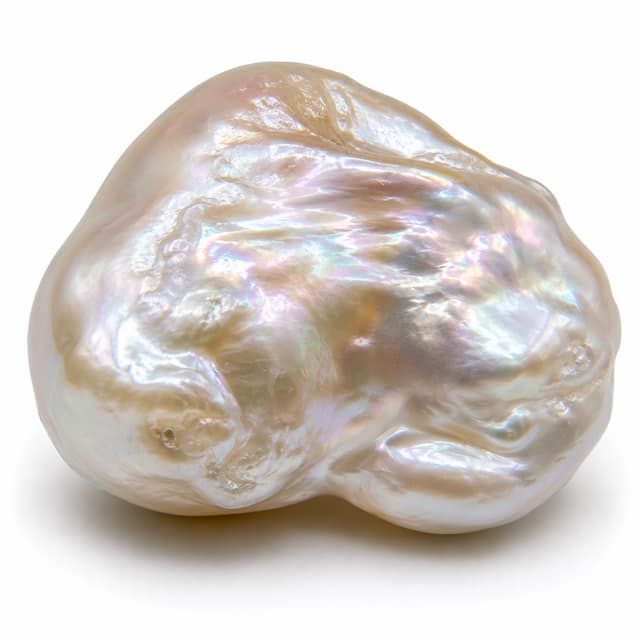
Freshwater pearls are cultured biogenic gems produced in freshwater mollusks.
Matched
Differences
No significant mismatches
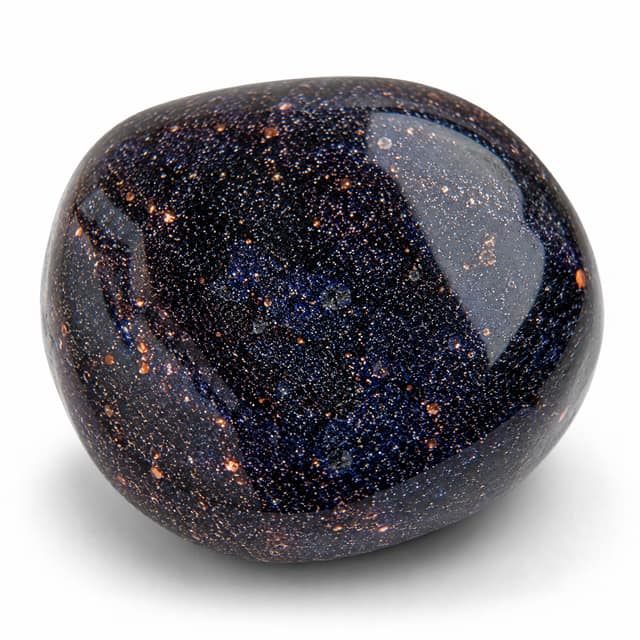
Galaxy stone is typically a decorative trade product rather than a mineral species designation.
Matched
Differences
No significant mismatches
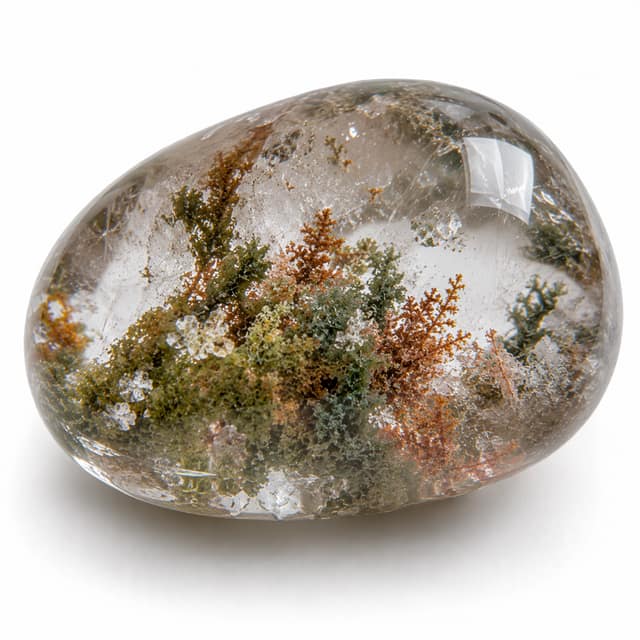
Garden quartz is a trade name for quartz with inclusion scenes resembling landscapes.
Matched
Differences
No significant mismatches
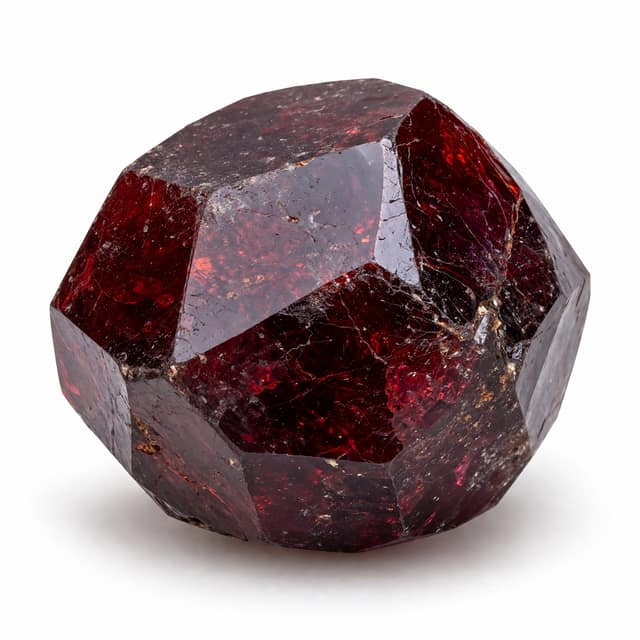
Garnet is often discussed with one eye on colour and the other on where the material comes from. Collectors and lapidaries comparing similar stones often come to it for different reasons, but identification still comes back to green body colour, 6.5 Mohs hardness, and vitreous lustre. The secondary burgundy note often matters more than people expect when separating it from lookalikes.
Matched
Differences
No significant mismatches
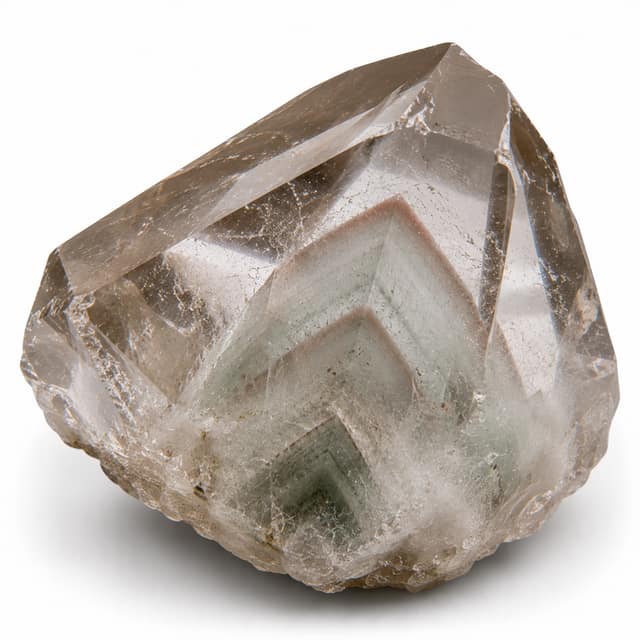
Ghost quartz is quartz containing internal phantom crystal outlines created during interrupted growth.
Matched
Differences
No significant mismatches
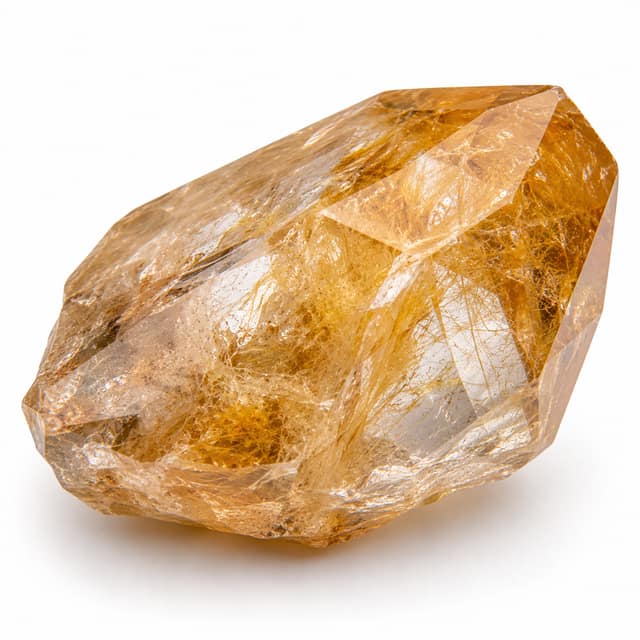
Golden healer quartz is a trade term for quartz with yellow-gold iron-oxide coloration.
Matched
Differences
No significant mismatches
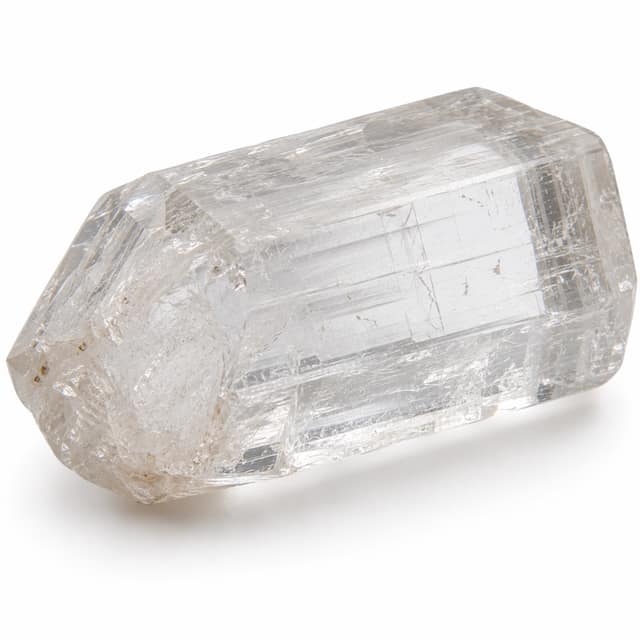
Goshenite is often discussed with one eye on colour and the other on where the material comes from. That combination of blue body colour, 7.5 Mohs hardness, and vitreous lustre is what usually makes it recognisable in practice. The secondary green note often matters more than people expect when separating it from lookalikes.
Matched
Differences
No significant mismatches
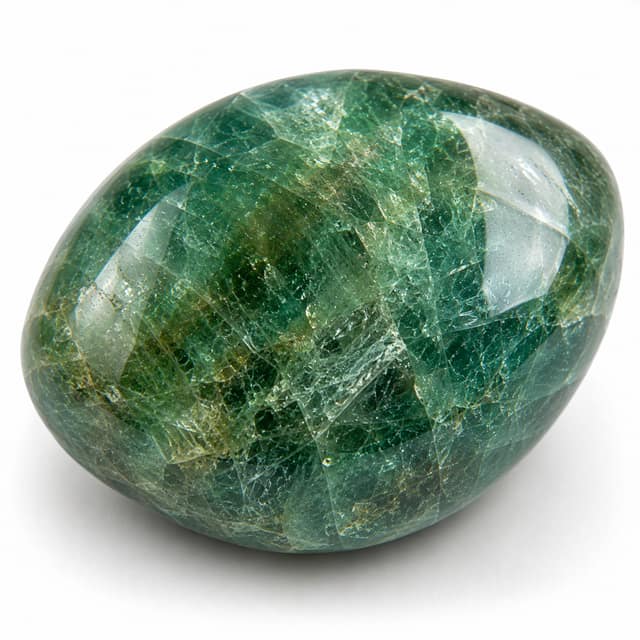
Green apatite is a calcium phosphate gemstone valued for vivid green hues and high brilliance.
Matched
Differences
No significant mismatches
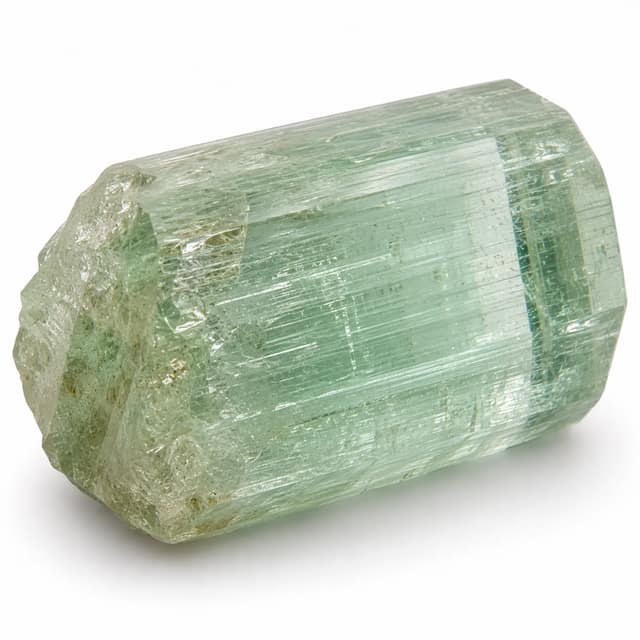
Locality plays an important role in how Green Beryl is understood in the gem trade. That combination of green body colour, 7.5 Mohs hardness, and vitreous lustre is what usually makes it recognisable in practice.
Matched
Differences
No significant mismatches
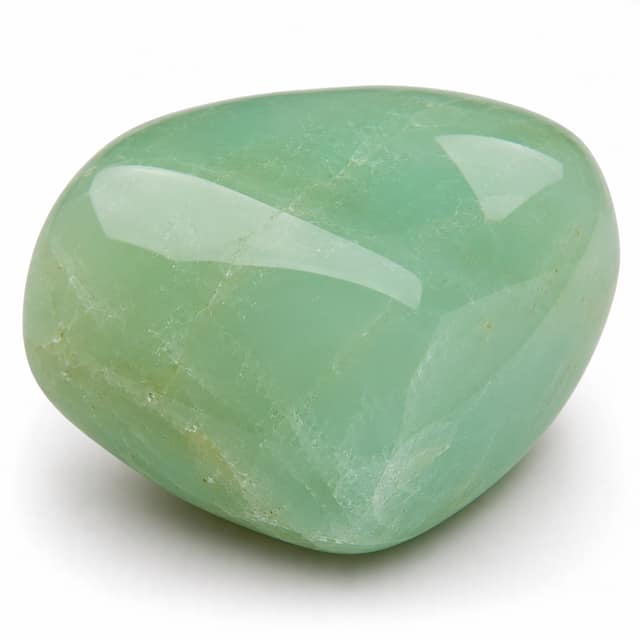
Green chalcedony is a green microcrystalline quartz variety used for cabochons and beads.
Matched
Differences
No significant mismatches
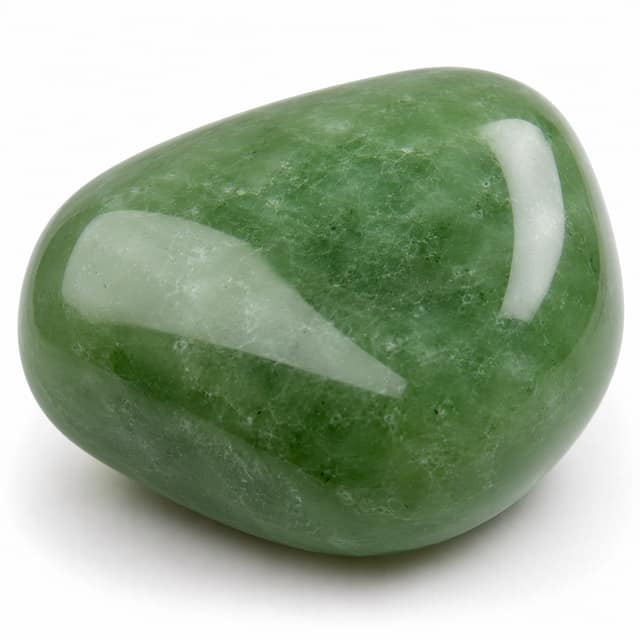
Green jade is a trade category encompassing green jadeite and green nephrite materials.
Matched
Differences
No significant mismatches
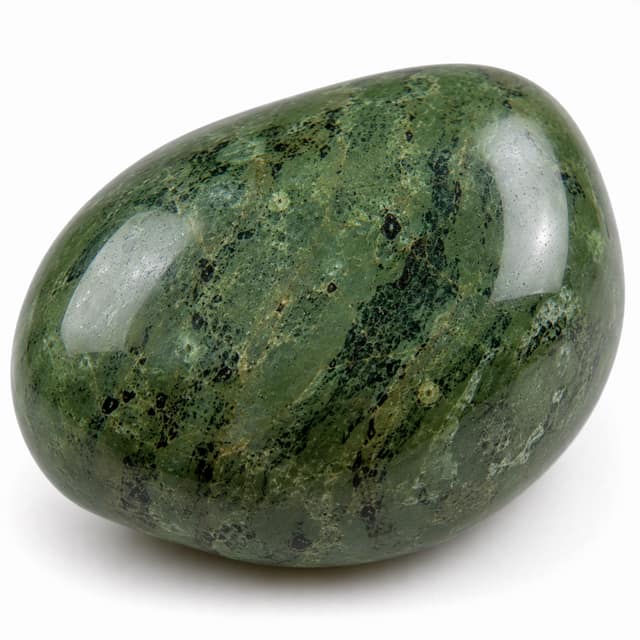
Green jasper is an opaque green chalcedony/jasper variety used in lapidary and ornamental work.
Matched
Differences
No significant mismatches
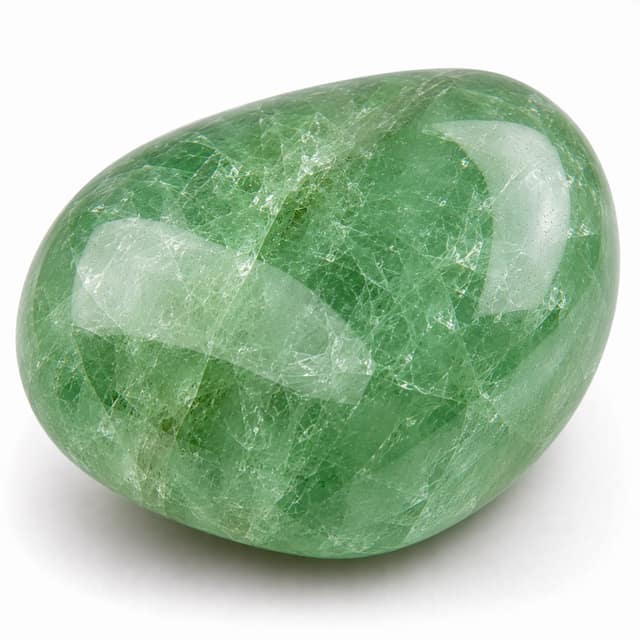
Green quartz is a broad trade category that may include naturally green included quartz or treated quartz.
Matched
Differences
No significant mismatches
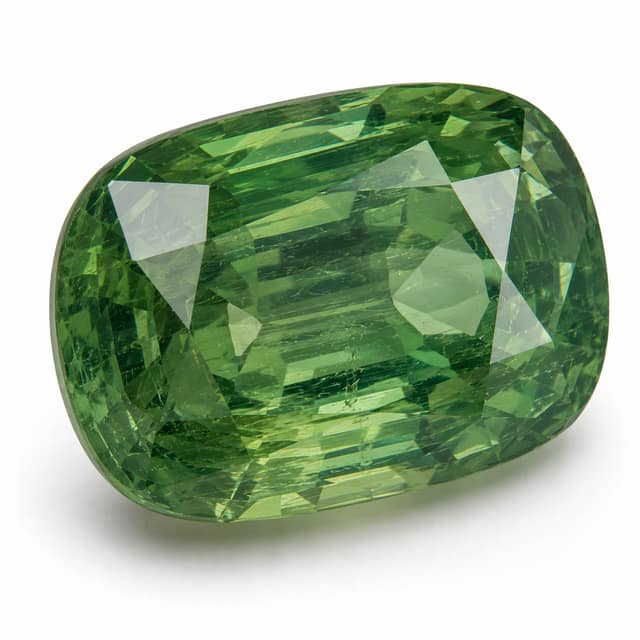
Green Sapphire profile is under factual gemological review. Properties shown here are provisional unless marked as verified.
Matched
Differences
No significant mismatches
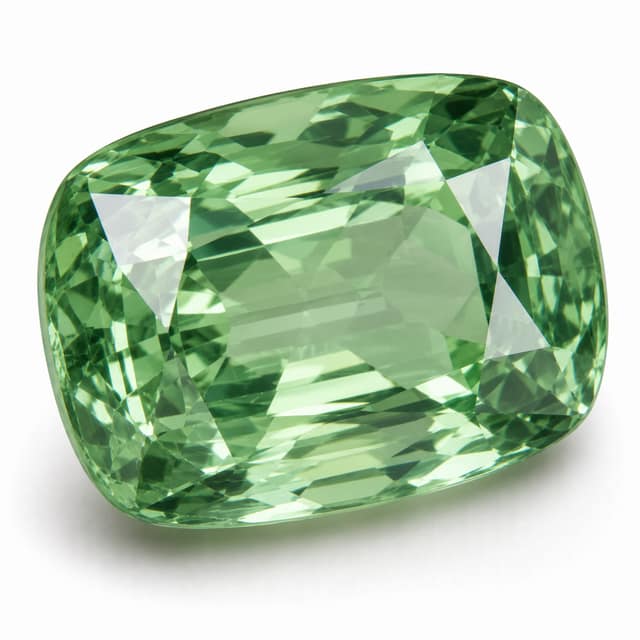
Durability is part of the appeal of Green Topaz, not merely a technical footnote. Jewellers who need dependable wear resistance often come to it for different reasons, but identification still comes back to green body colour, 8 Mohs hardness, and vitreous lustre.
Matched
Differences
No significant mismatches
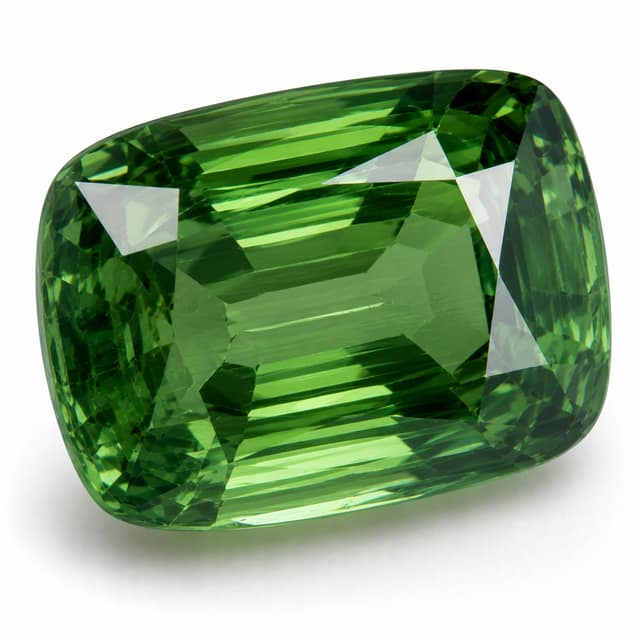
Green Tourmaline is often discussed with one eye on colour and the other on where the material comes from. That combination of green body colour, 7 Mohs hardness, and vitreous lustre is what usually makes it recognisable in practice.
Matched
Differences
No significant mismatches
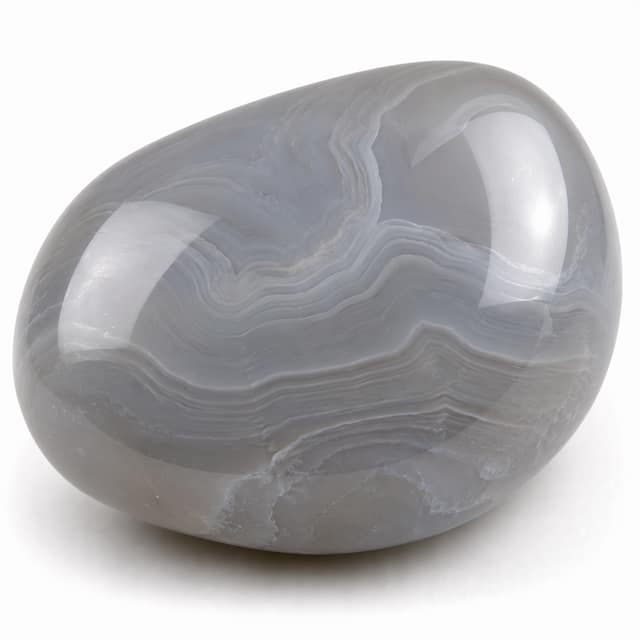
Grey chalcedony is a neutral-toned chalcedony variety used in cabochons, beads, and carvings.
Matched
Differences
No significant mismatches
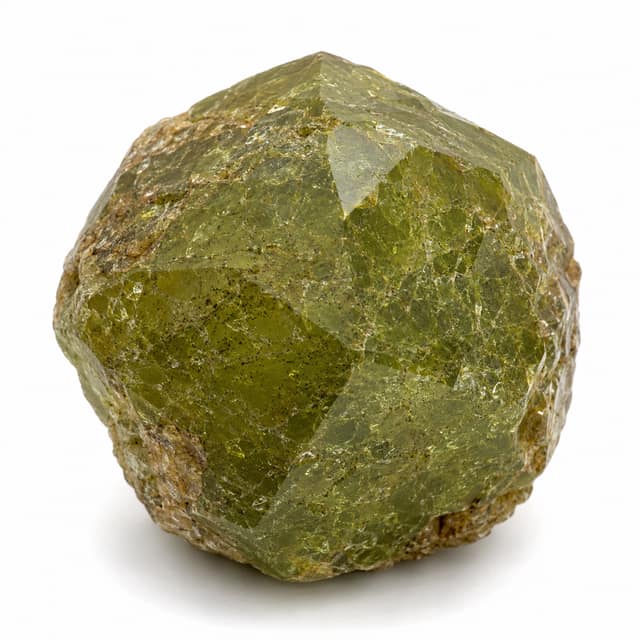
Grossular is a calcium-aluminum garnet species including tsavorite and hessonite varieties.
Matched
Differences
No significant mismatches
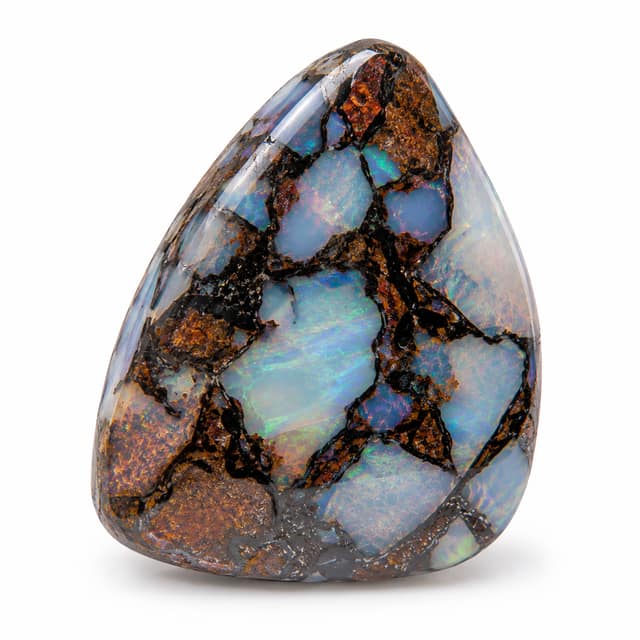
Harlequin opal is a trade pattern descriptor for precious opal with geometric, patchy color play.
Matched
Differences
No significant mismatches
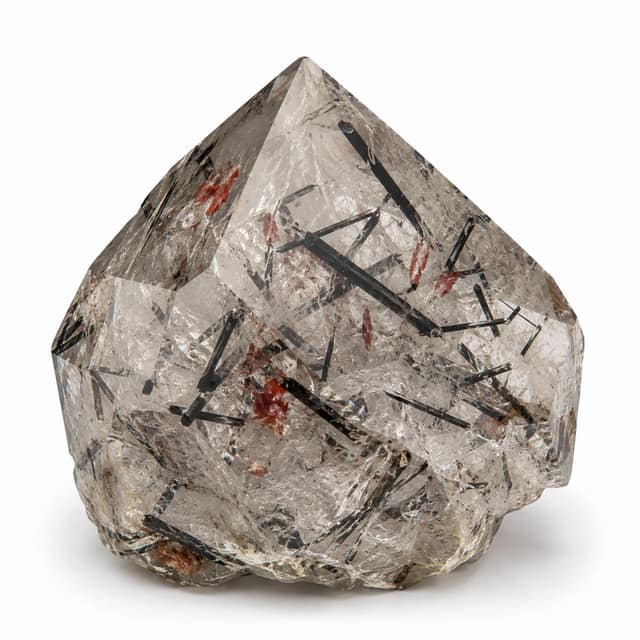
Harlequin quartz is a trade name used for quartz with vivid internal red/orange inclusion patterning.
Matched
Differences
No significant mismatches
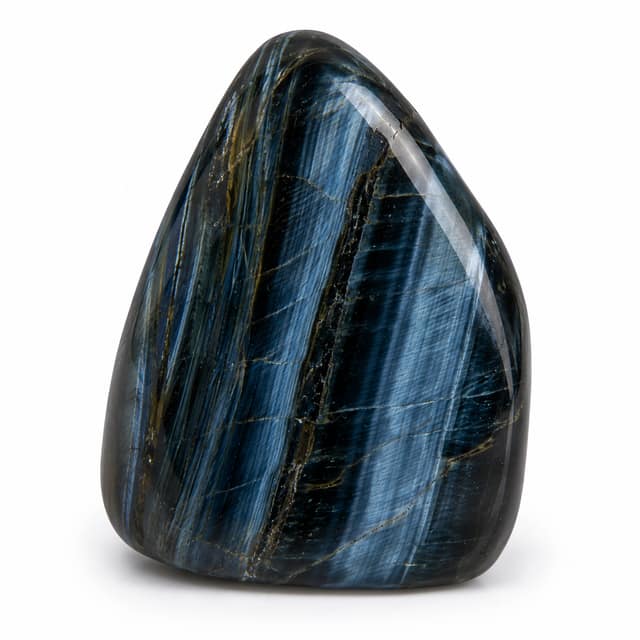
Hawk's eye is a blue-grey chatoyant quartz variety formed by silicification of fibrous host textures.
Matched
Differences
No significant mismatches
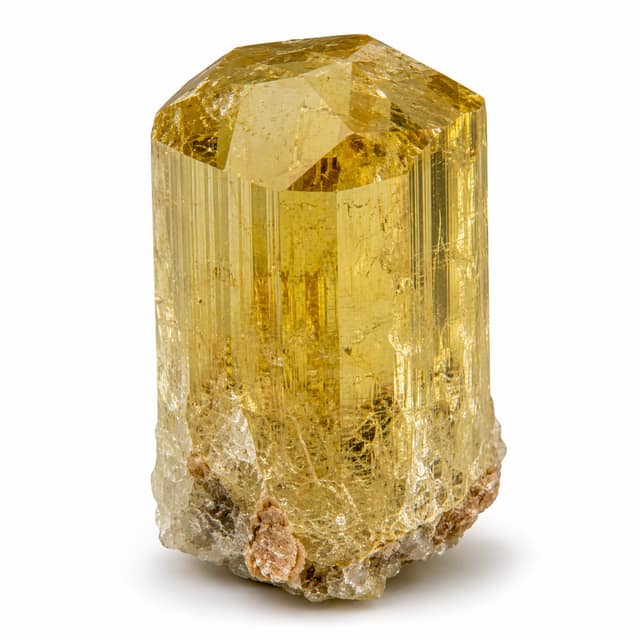
Locality plays an important role in how Heliodor is understood in the gem trade. Collectors and lapidaries comparing similar stones often come to it for different reasons, but identification still comes back to blue body colour, 7.5 Mohs hardness, and vitreous lustre. The secondary green note often matters more than people expect when separating it from lookalikes.
Matched
Differences
No significant mismatches
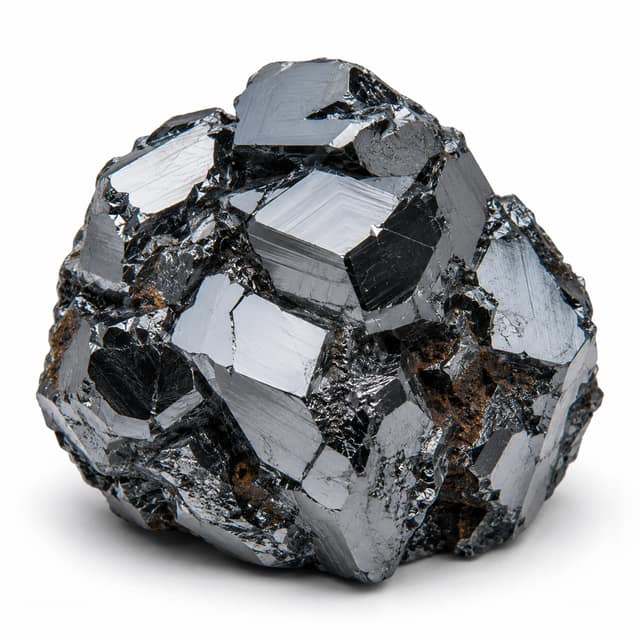
Hematite is an iron oxide mineral identified in gem use by metallic lustre and red-brown streak.
Matched
Differences
No significant mismatches
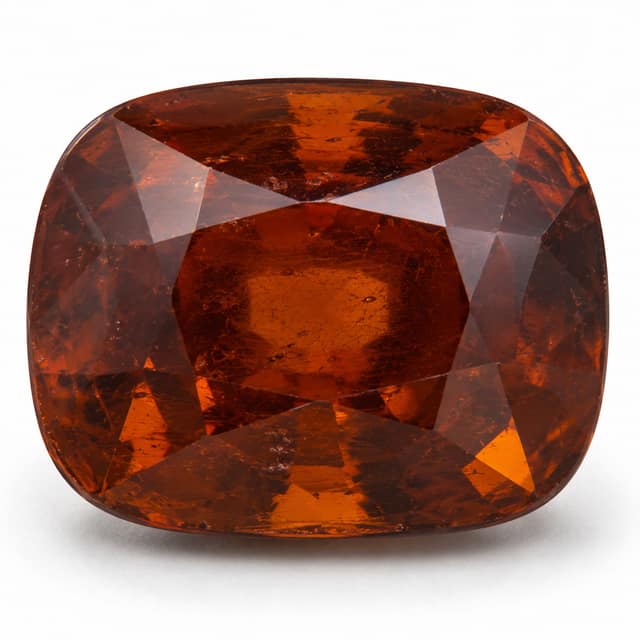
Hessonite is the orange to brownish-orange variety of grossular garnet.
Matched
Differences
No significant mismatches
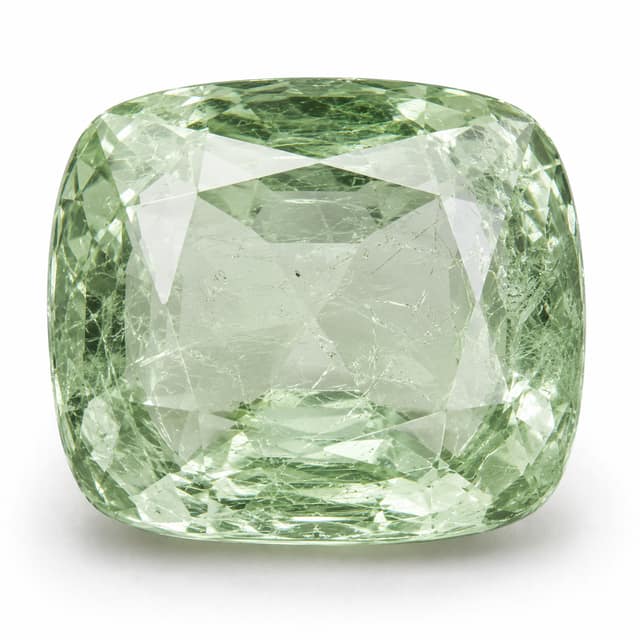
Matched
Differences
No significant mismatches
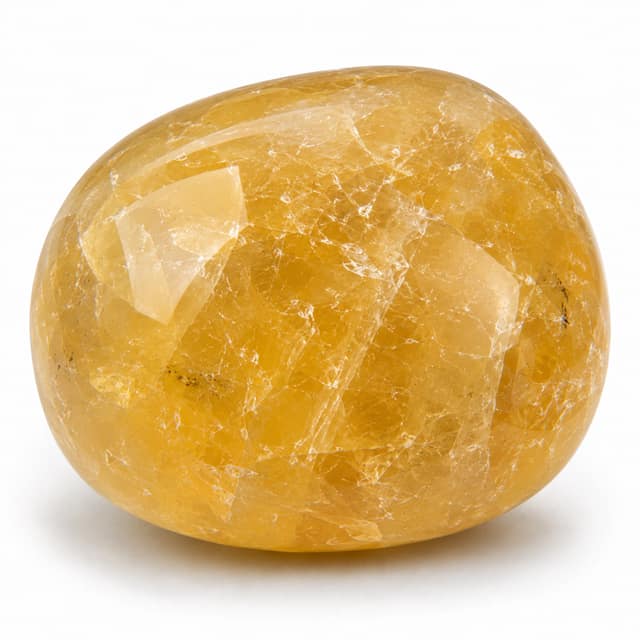
Honey calcite is a yellow variety of calcite used for ornamental stones and carvings.
Matched
Differences
No significant mismatches
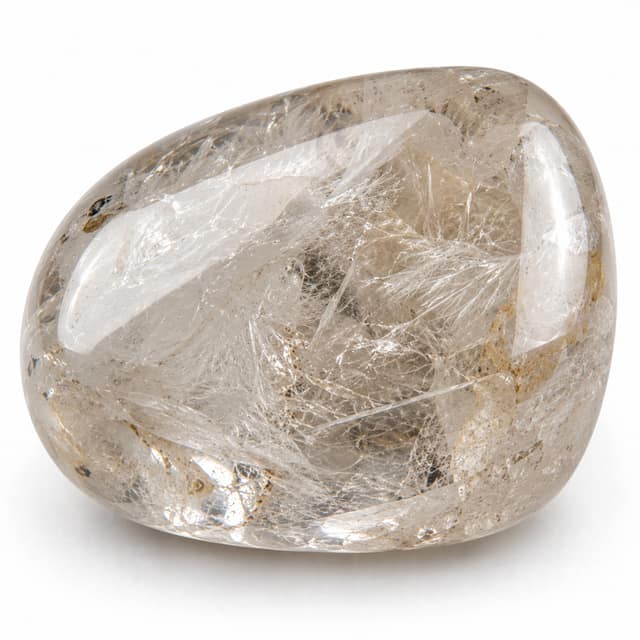
Hydro quartz refers to hydrothermally grown synthetic quartz used as a gem and decorative material.
Matched
Differences
No significant mismatches
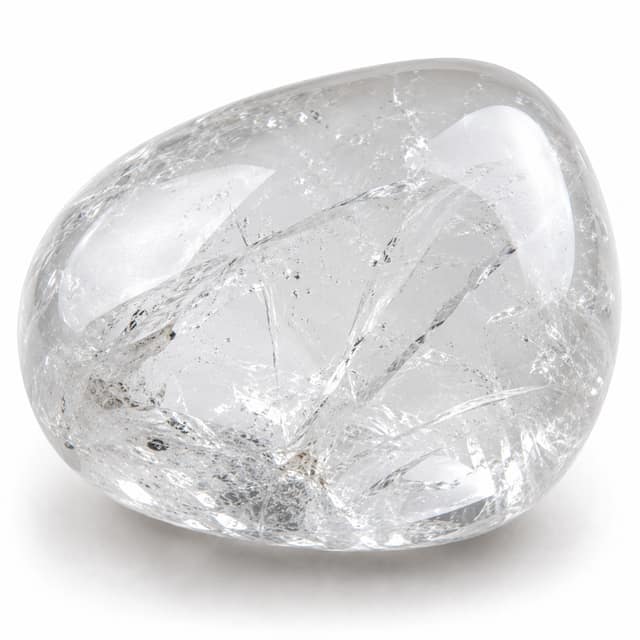
Ice quartz is a trade name for quartz with frosted or crackled internal appearance.
Matched
Differences
No significant mismatches
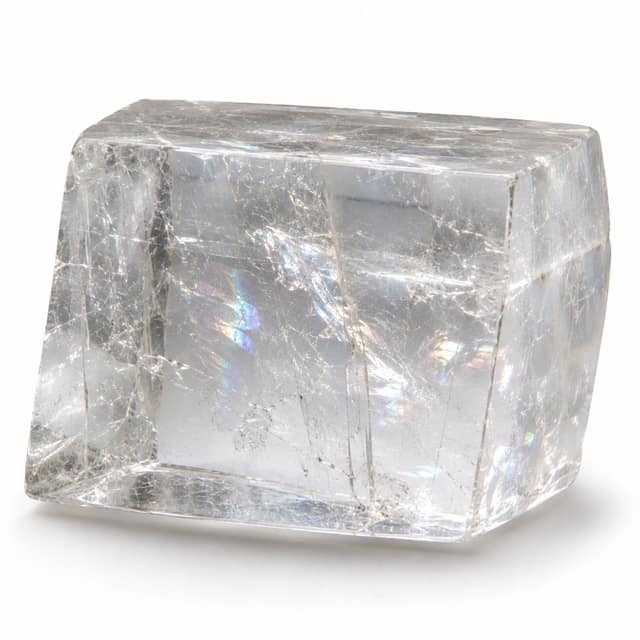
Iceland spar is a transparent variety of calcite noted for pronounced birefringence and double refraction.
Matched
Differences
No significant mismatches
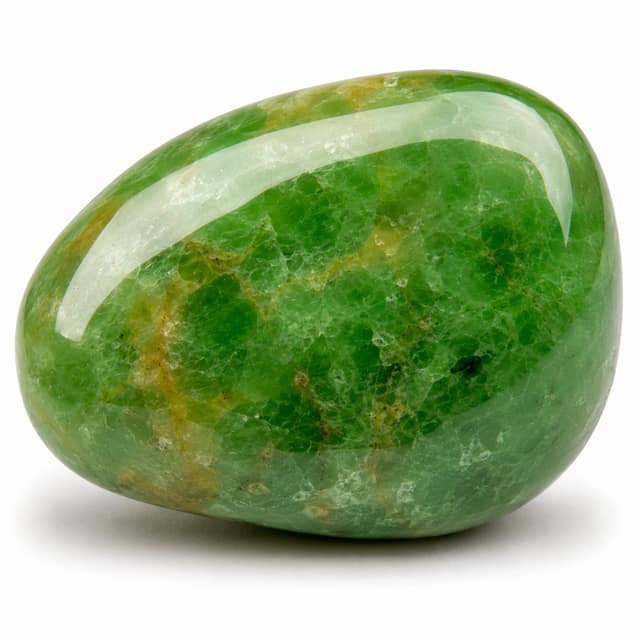
Imperial jade is the highest-value trade grade of vivid green jadeite, distinguished by color quality and translucency.
Matched
Differences
No significant mismatches
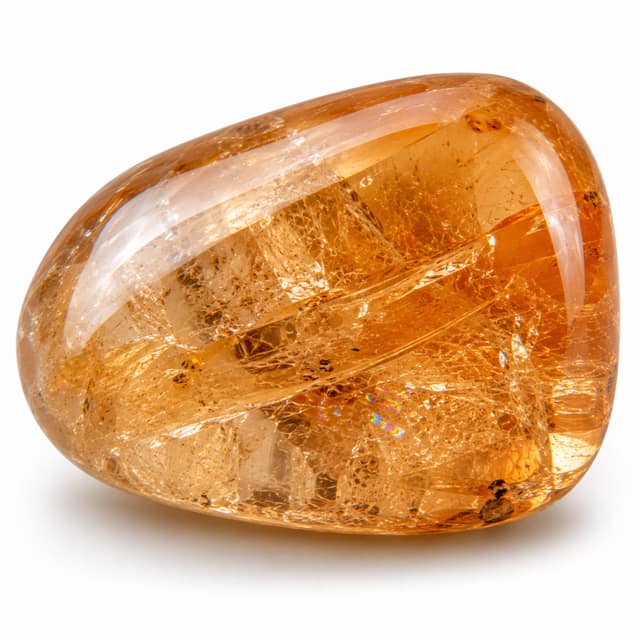
Durability is part of the appeal of Imperial Topaz, not merely a technical footnote. Jewellers who need dependable wear resistance often come to it for different reasons, but identification still comes back to blue body colour, 8 Mohs hardness, and vitreous lustre. The secondary yellow note often matters more than people expect when separating it from lookalikes.
Matched
Differences
No significant mismatches
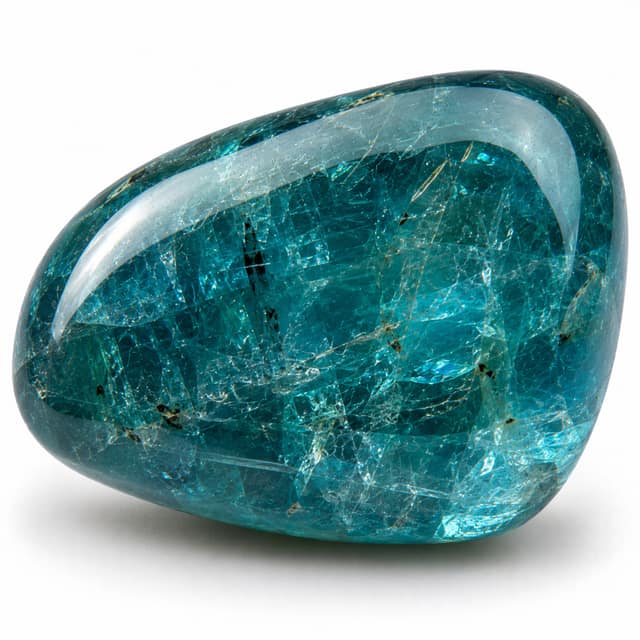
Part of the identity of Indicolite comes from the producing regions associated with it. That combination of green body colour, 7 Mohs hardness, and vitreous lustre is what usually makes it recognisable in practice. The secondary pink note often matters more than people expect when separating it from lookalikes.
Matched
Differences
No significant mismatches
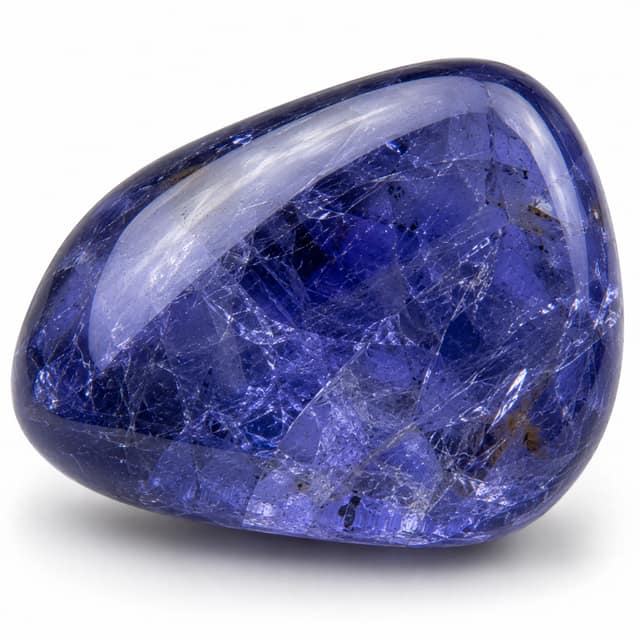
Iolite is the gem variety of cordierite, known for pronounced pleochroism from blue-violet to pale yellow-grey.
Matched
Differences
No significant mismatches
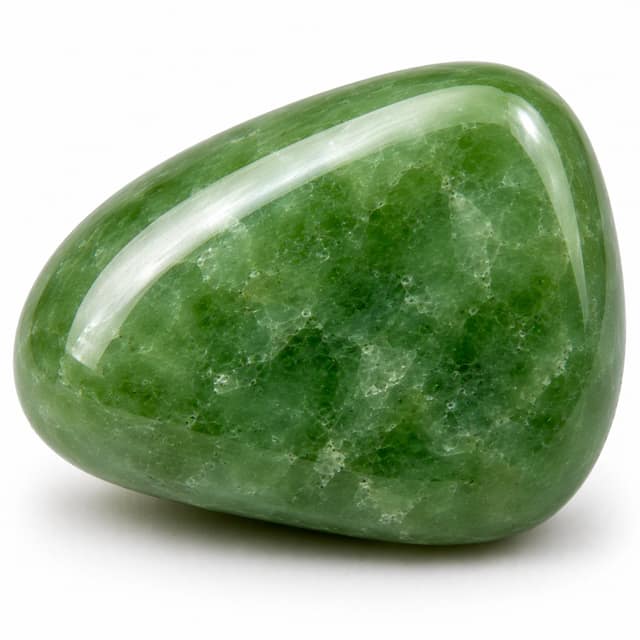
Jade is valued as much for texture and toughness as for colour. A fine piece has a compact, almost glowing appearance that feels different from ordinary green ornamental stone, which is one reason jade has held cultural importance for so many centuries.
Matched
Differences
No significant mismatches
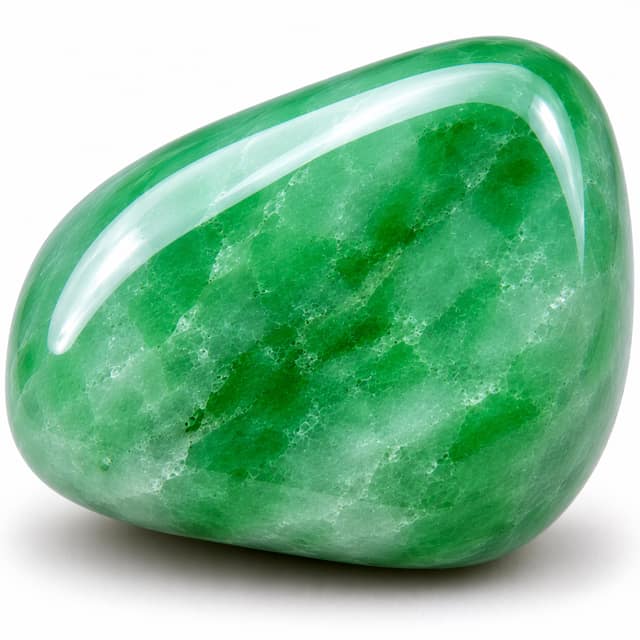
Part of the identity of Jadeite comes from the producing regions associated with it. That combination of green body colour, 6.5 Mohs hardness, and silky lustre is what usually makes it recognisable in practice. The secondary white note often matters more than people expect when separating it from lookalikes.
Matched
Differences
No significant mismatches
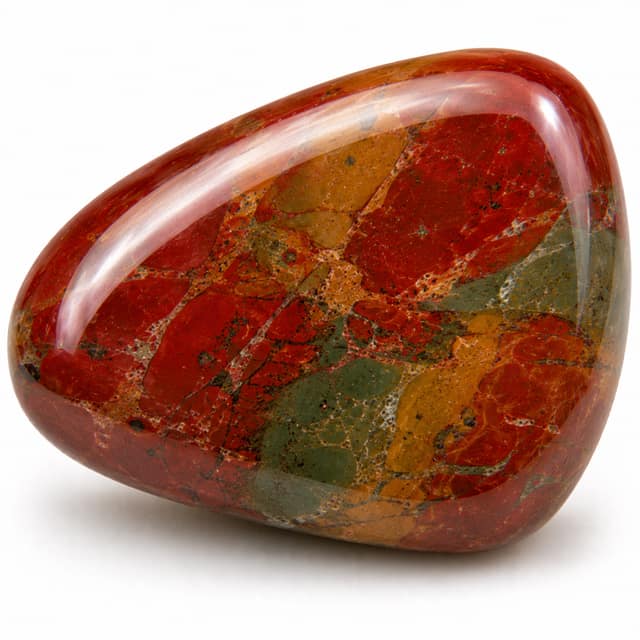
Jasper is an opaque microcrystalline quartz aggregate with diverse colors and patterns.
Matched
Differences
No significant mismatches
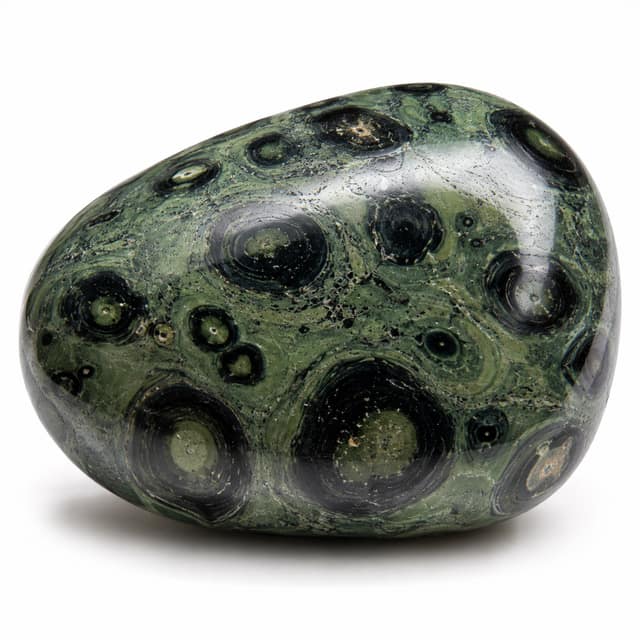
Kambaba jasper is a trade-name ornamental rock with green-black orbicular patterns, not a strict jasper species term.
Matched
Differences
No significant mismatches
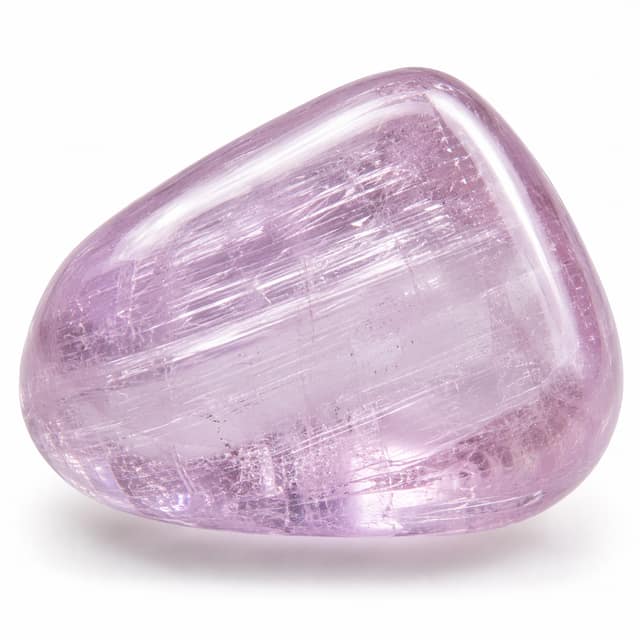
Kunzite profile is under factual gemological review. Properties shown here are provisional unless marked as verified.
Matched
Differences
No significant mismatches
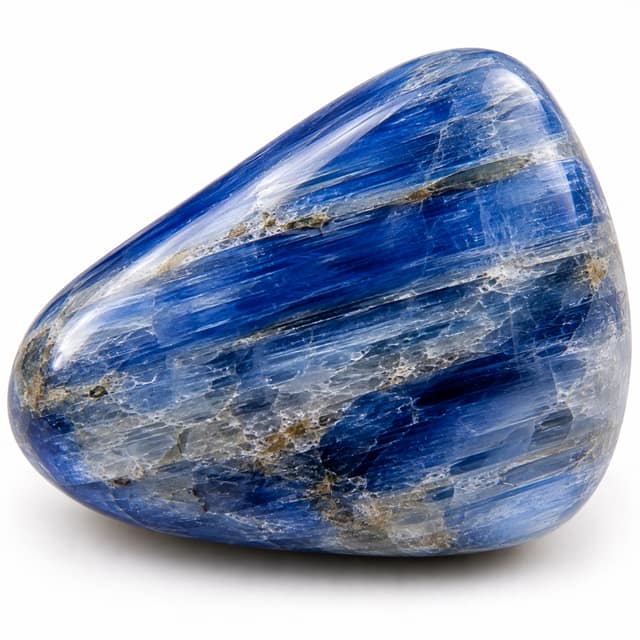
Kyanite is an aluminum silicate mineral notable for pronounced hardness anisotropy and blue pleochroic colour.
Matched
Differences
No significant mismatches
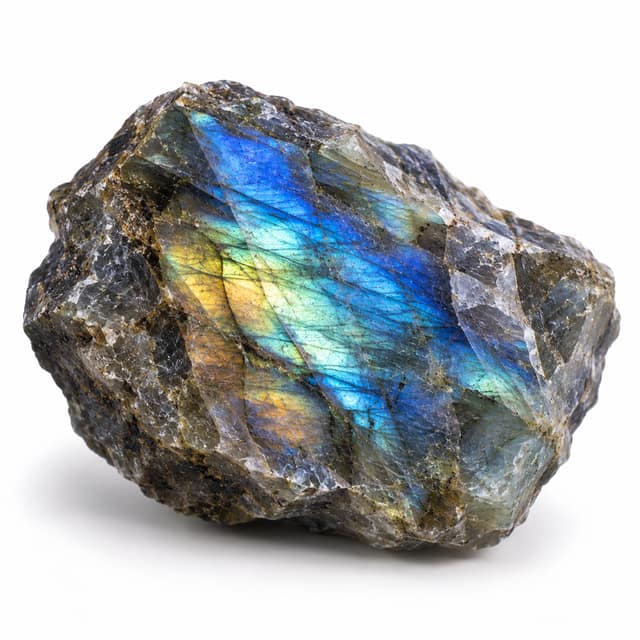
Labradorite is a plagioclase feldspar known for labradorescence caused by light interference in lamellar structures.
Matched
Differences
No significant mismatches
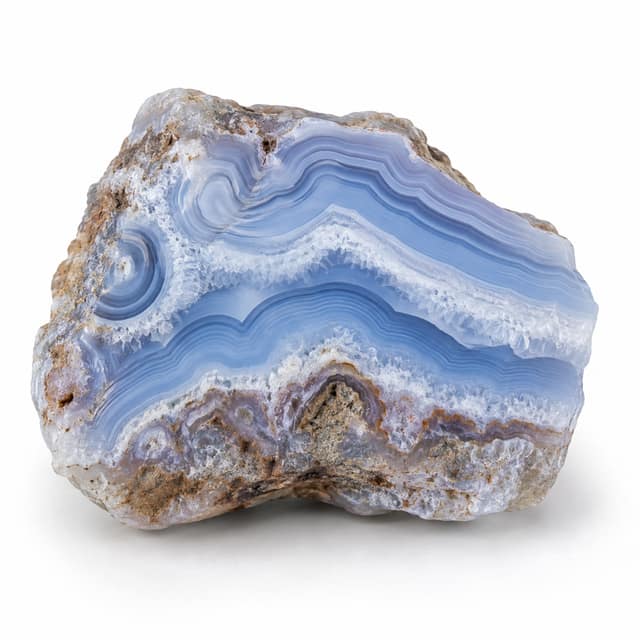
Laguna agate is a prized Mexican agate known for tight, colorful fortification banding.
Matched
Differences
No significant mismatches
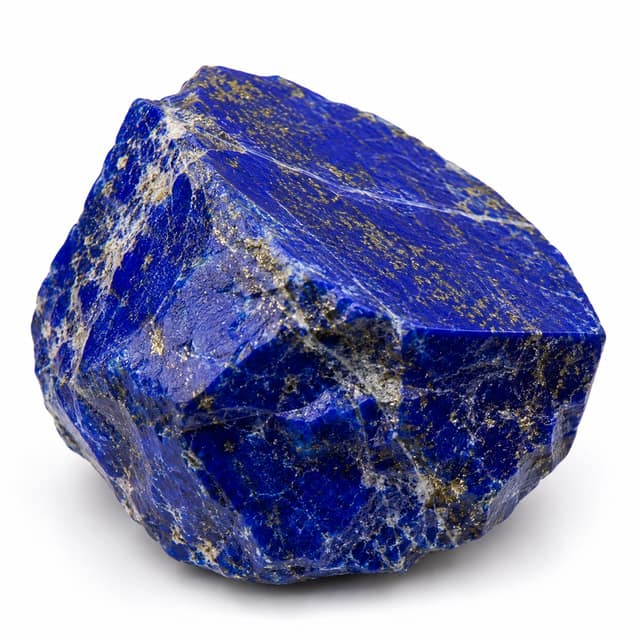
Lapis lazuli is a lazurite-rich metamorphic rock used as a gemstone and ornamental material.
Matched
Differences
No significant mismatches
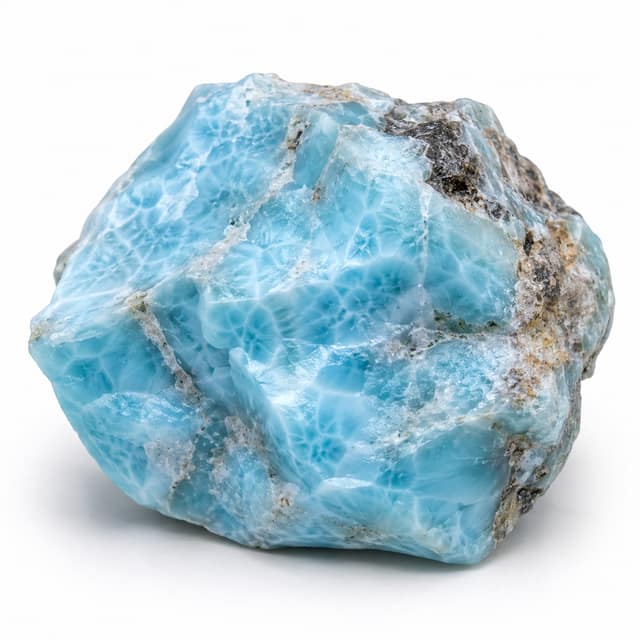
The character of Larimar comes through in its aqua, blue, cyan / blue-green, green, and brown colour and the way that colour interacts with a silicate structure. That combination of aqua body colour, 6.5 Mohs hardness, and vitreous lustre is what usually makes it recognisable in practice. The secondary blue note often matters more than people expect when separating it from lookalikes.
Matched
Differences
No significant mismatches

Lava stone is a porous volcanic basalt used as an ornamental bead and decorative material.
Matched
Differences
No significant mismatches
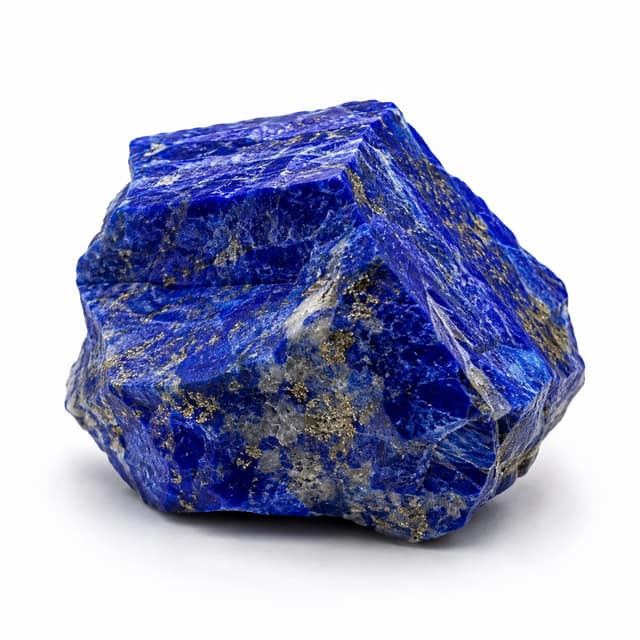
Lazurite is a blue feldspathoid mineral and the key color component in lapis lazuli.
Matched
Differences
No significant mismatches
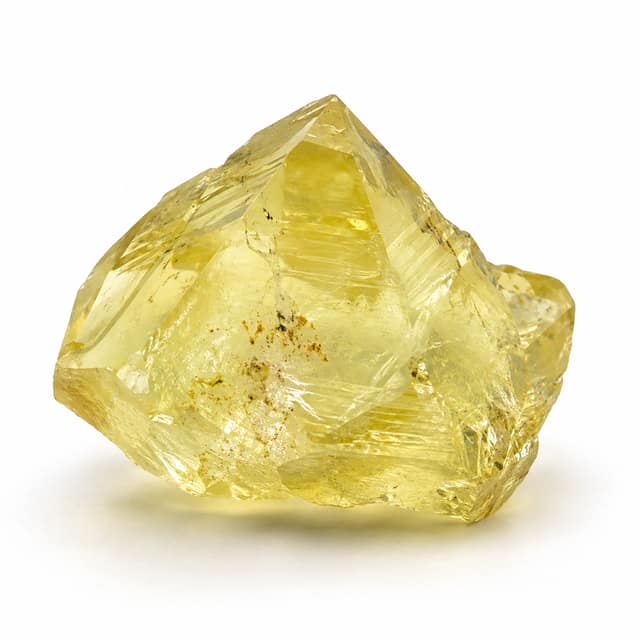
Lemon quartz is a trade name for bright yellow quartz, commonly achieved through irradiation and/or heat treatment.
Matched
Differences
No significant mismatches
Lemurian quartz is a trade term for naturally striated quartz crystals, not a distinct mineral species.
Matched
Differences
No significant mismatches
Libyan desert glass is a natural silica glass from the Sahara, widely considered impact-related in origin.
Matched
Differences
No significant mismatches
Liddicoatite is a calcium-rich tourmaline species known for striking multicolor zoning patterns.
Matched
Differences
No significant mismatches
Durability is part of the appeal of London Blue Topaz, not merely a technical footnote. Jewellers who need dependable wear resistance often come to it for different reasons, but identification still comes back to blue body colour, 8 Mohs hardness, and vitreous lustre.
Matched
Differences
No significant mismatches
Mahogany obsidian is an obsidian variety showing reddish-brown mottling from iron-rich inclusions.
Matched
Differences
No significant mismatches
Malachite is an opaque copper carbonate mineral recognized by vivid green banding.
Matched
Differences
No significant mismatches
Locality plays an important role in how Maxixe is understood in the gem trade. Collectors and lapidaries comparing similar stones often come to it for different reasons, but identification still comes back to blue body colour, 7.5 Mohs hardness, and vitreous lustre. The secondary green note often matters more than people expect when separating it from lookalikes.
Matched
Differences
No significant mismatches
Melanite is a black titanium-rich variety of andradite garnet.
Matched
Differences
No significant mismatches
Meteorite stone is a trade category for extraterrestrial material used in jewelry and collector pieces.
Matched
Differences
No significant mismatches
Mettle stone is handled as a trade-name decorative material requiring supplier-level composition disclosure.
Matched
Differences
No significant mismatches
Mexican Opal profile is under factual gemological review. Properties shown here are provisional unless marked as verified.
Matched
Differences
No significant mismatches
Moldavite is a natural impact glass (tektite) formed during the Ries impact event and found in Central Europe.
Matched
Differences
No significant mismatches
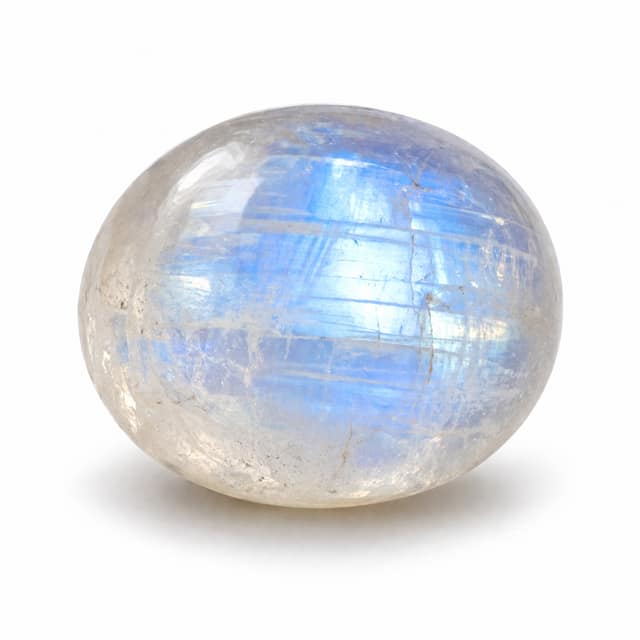
Moonstone is recognised by light that seems to float just beneath the surface. That soft billowing glow gives even simple cabochons an internal life that is very different from the brilliance expected in faceted transparent gems.
Matched
Differences
No significant mismatches
Morganite profile is under factual gemological review. Properties shown here are provisional unless marked as verified.
Matched
Differences
No significant mismatches
Moss agate is chalcedony containing green mineral inclusions that resemble moss or vegetation.
Matched
Differences
No significant mismatches
Moss chalcedony is a chalcedony variety featuring natural dendritic or mossy internal inclusions.
Matched
Differences
No significant mismatches
Mutton fat jade is a trade descriptor for high-quality creamy white jade material, commonly nephrite.
Matched
Differences
No significant mismatches
Mystic Topaz profile is under factual gemological review. Properties shown here are provisional unless marked as verified.
Matched
Differences
No significant mismatches
Nephrite profile is under factual gemological review. Properties shown here are provisional unless marked as verified.
Matched
Differences
No significant mismatches
Nigrine is an ambiguous term in gem trade usage and should be tied to tested mineral identity before strict species claims.
Matched
Differences
No significant mismatches
Obsidian is a natural volcanic glass formed by rapid cooling of silica-rich lava.
Matched
Differences
No significant mismatches
Ocean agate is a trade-name patterned agate category rather than a separate mineral species.
Matched
Differences
No significant mismatches
Ocean jasper is a trade name for orbicular patterned chalcedony/jasper material, chiefly from Madagascar.
Matched
Differences
No significant mismatches
Ocean jasperite is a trade descriptor for patterned ornamental material, not a strict mineral species.
Matched
Differences
No significant mismatches
Ocean reef is treated as a broad trade label for decorative patterned material.
Matched
Differences
No significant mismatches
Olivine is a magnesium-iron silicate mineral; transparent gem-quality material is known as peridot.
Matched
Differences
No significant mismatches
Onyx is a parallel-banded chalcedony variety of quartz, traditionally black and white in layered form.
Matched
Differences
No significant mismatches
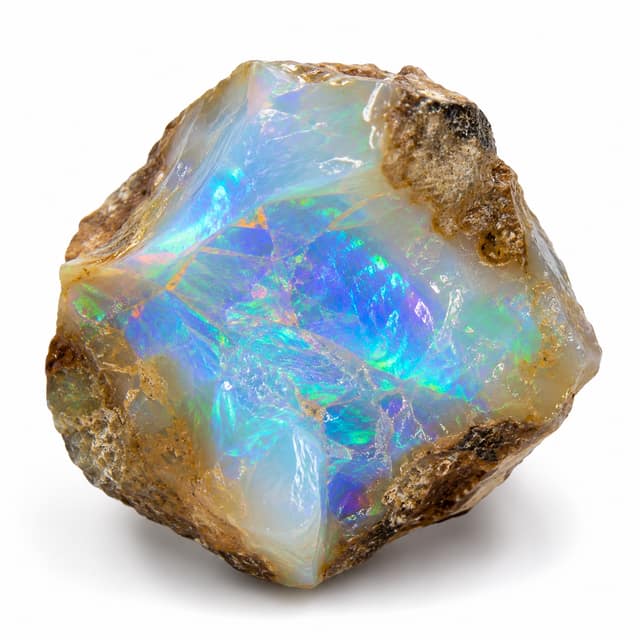
Opal is less about crystal form than about light. Depending on structure, it may show a soft inner haze, bold flashes of spectral colour, or a calm body tone that changes character as the stone is turned in the hand.
Matched
Differences
No significant mismatches
Orange Sapphire profile is under factual gemological review. Properties shown here are provisional unless marked as verified.
Matched
Differences
No significant mismatches
Among jewellery stones, Orange Spinel stands out for combining appearance with notable wear resistance. That combination of orange body colour, 9 Mohs hardness, and vitreous lustre is what usually makes it recognisable in practice.
Matched
Differences
No significant mismatches
Orthoclase is a monoclinic potassium feldspar species and an important member of the moonstone feldspar series.
Matched
Differences
No significant mismatches
Padparadscha Sapphire sits among the more resilient gem materials used for jewellery, which shapes both how it wears and how it is collected. That combination of blue body colour, 9 Mohs hardness, and vitreous lustre is what usually makes it recognisable in practice. The secondary sapphire blue note often matters more than people expect when separating it from lookalikes.
Matched
Differences
No significant mismatches
Paraiba spinel is a trade term for bright neon blue-green spinel resembling paraiba-style color appearance.
Matched
Differences
No significant mismatches
Paraiba Tourmaline profile is under factual gemological review. Properties shown here are provisional unless marked as verified.
Matched
Differences
No significant mismatches
Among jewellery stones, Peach Topaz stands out for combining appearance with notable wear resistance. That combination of blue body colour, 8 Mohs hardness, and vitreous lustre is what usually makes it recognisable in practice. The secondary orange note often matters more than people expect when separating it from lookalikes.
Matched
Differences
No significant mismatches
Pearl is an organic gem formed by mollusks, represented in trade by both natural and cultured products.
Matched
Differences
No significant mismatches
Peridot is easiest to understand by starting with green and brown colour. That combination of green body colour, 6.5 Mohs hardness, and vitreous lustre is what usually makes it recognisable in practice. The secondary brown note often matters more than people expect when separating it from lookalikes.
Matched
Differences
No significant mismatches
The appeal of Peruvian Blue Opal lies in what happens after the stone is turned in the light. That combination of blue body colour, opalescence, play of colour, iridescence optical effects, and 5.5 Mohs hardness is what usually makes it recognisable in practice. The effect is best judged in motion, since a static view rarely shows the full character of the stone.
Matched
Differences
No significant mismatches
Petrified wood is fossil wood in which original organic tissue has been replaced by silica minerals.
Matched
Differences
No significant mismatches
Phantom quartz contains internal growth-stage outlines recording episodic crystal development.
Matched
Differences
No significant mismatches
Phenakite is a beryllium silicate gemstone species known for high clarity and limited availability.
Matched
Differences
No significant mismatches
Phosphosiderite is a hydrated iron phosphate known for distinctive lilac to purple coloration.
Matched
Differences
No significant mismatches
Picasso jasper is a trade-name patterned decorative rock used for graphic line-based lapidary designs.
Matched
Differences
No significant mismatches
Picture jasper is a patterned jasper variety known for natural landscape-like designs.
Matched
Differences
No significant mismatches
Pietersite is a brecciated chatoyant quartz aggregate with dramatic directional luster.
Matched
Differences
No significant mismatches
Pinfire opal is a pattern descriptor for precious opal with fine pinpoint color flashes.
Matched
Differences
No significant mismatches
Pink apatite is a calcium phosphate gemstone variety valued for delicate to vivid pink color.
Matched
Differences
No significant mismatches
Pink chalcedony is a pastel pink chalcedony variety used in beads and cabochon jewelry.
Matched
Differences
No significant mismatches
Pink coral is an organic gem material widely used in decorative jewelry, often requiring treatment and sourcing disclosure.
Matched
Differences
No significant mismatches
Pink Sapphire profile is under factual gemological review. Properties shown here are provisional unless marked as verified.
Matched
Differences
No significant mismatches
Pink Spinel sits among the more resilient gem materials used for jewellery, which shapes both how it wears and how it is collected. That combination of pink body colour, 9 Mohs hardness, and vitreous lustre is what usually makes it recognisable in practice.
Matched
Differences
No significant mismatches
Locality plays an important role in how Pink Tourmaline is understood in the gem trade. Collectors and lapidaries comparing similar stones often come to it for different reasons, but identification still comes back to pink body colour, 7 Mohs hardness, and vitreous lustre.
Matched
Differences
No significant mismatches
Prasiolite is a green quartz trade variety, most commonly produced via treatment.
Matched
Differences
No significant mismatches
Prehnite is a calcium aluminum silicate used as a translucent green gemstone and collector mineral.
Matched
Differences
No significant mismatches
Pyrite is an iron sulfide mineral used in jewelry and ornament for its metallic luster and brassy color.
Matched
Differences
No significant mismatches
Pyrope is a magnesium-rich red garnet species prized for saturated color and durability.
Matched
Differences
No significant mismatches
Rainbow moonstone is a trade name typically applied to white labradorite showing colorful flash.
Matched
Differences
No significant mismatches
Raspberry quartz is a trade term for red-pink quartz material, requiring treatment disclosure when applicable.
Matched
Differences
No significant mismatches
Red Beryl is often discussed with one eye on colour and the other on where the material comes from. Collectors and lapidaries comparing similar stones often come to it for different reasons, but identification still comes back to red body colour, 7.5 Mohs hardness, and vitreous lustre.
Matched
Differences
No significant mismatches
Red coral is an organic gemstone material with longstanding decorative and cultural use.
Matched
Differences
No significant mismatches
Red jasper is an iron-rich opaque chalcedony variety used extensively in lapidary work.
Matched
Differences
No significant mismatches
Red Spinel sits among the more resilient gem materials used for jewellery, which shapes both how it wears and how it is collected. That combination of red body colour, 9 Mohs hardness, and vitreous lustre is what usually makes it recognisable in practice.
Matched
Differences
No significant mismatches
Rhodochrosite is a manganese carbonate known for pink to red coloration and characteristic banding in many lapidary pieces.
Matched
Differences
No significant mismatches
Rhodolite is a pyrope-almandine garnet blend valued for bright rose-red to purplish-red color.
Matched
Differences
No significant mismatches
Rhodonite is a manganese silicate gemstone recognized by pink body colour and dark manganese-oxide veining.
Matched
Differences
No significant mismatches
Rose aura quartz is coated quartz designed to create pink iridescent surface effects.
Matched
Differences
No significant mismatches
Rose quartz is the pink variety of quartz, usually found as translucent massive material and less commonly as transparent crystals.
Matched
Differences
No significant mismatches
Durability is part of the appeal of Royal Blue Sapphire, not merely a technical footnote. That combination of blue body colour, 9 Mohs hardness, and vitreous lustre is what usually makes it recognisable in practice. The secondary royal blue note often matters more than people expect when separating it from lookalikes.
Matched
Differences
No significant mismatches
Part of the identity of Rubellite comes from the producing regions associated with it. Collectors and lapidaries comparing similar stones often come to it for different reasons, but identification still comes back to green body colour, 7 Mohs hardness, and vitreous lustre. The secondary pink note often matters more than people expect when separating it from lookalikes.
Matched
Differences
No significant mismatches
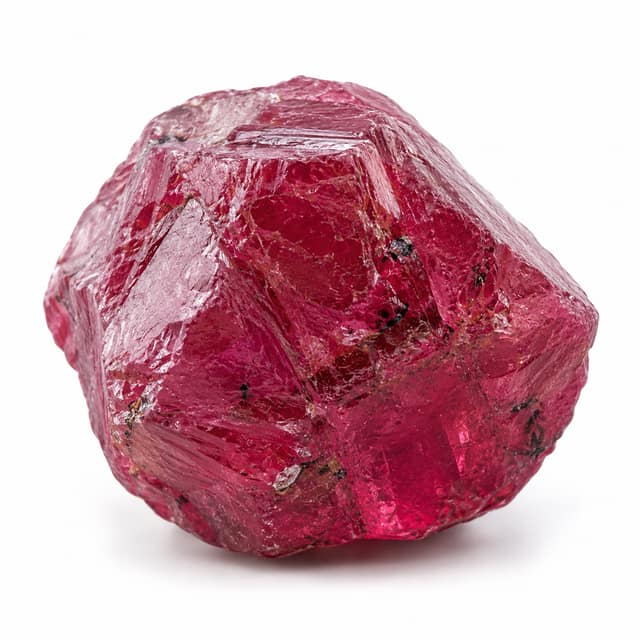
Ruby is defined by red corundum, but not every red stone carries the same authority of colour. The most sought-after examples combine vivid saturation with enough transparency to let the red remain bright rather than murky.
Matched
Differences
No significant mismatches
Rutilated quartz is quartz containing visible rutile needles that create distinctive internal patterns.
Matched
Differences
No significant mismatches
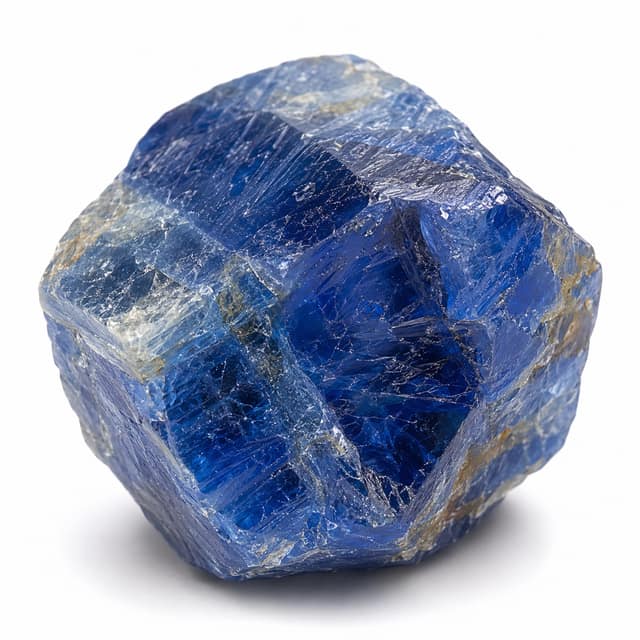
Sapphire covers far more than blue, yet the gem remains associated with crisp colour, durability, and a polished, highly wearable finish. Its place in jewellery owes as much to resilience as to appearance.
Matched
Differences
No significant mismatches
Sardonyx is a banded chalcedony combining sard-colored and onyx-style layers.
Matched
Differences
No significant mismatches
Schorl is the black iron-rich tourmaline species widely used in mineral and decorative markets.
Matched
Differences
No significant mismatches
Selenite is a transparent crystalline gypsum variety used in decorative and collector contexts.
Matched
Differences
No significant mismatches
Seraphinite is a trade name for feather-pattern clinochlore used in decorative jewelry.
Matched
Differences
No significant mismatches
Serpentine is a group of hydrated magnesium silicates used widely as ornamental stone.
Matched
Differences
No significant mismatches
Among jewellery stones, Sky Blue Topaz stands out for combining appearance with notable wear resistance. Jewellers who need dependable wear resistance often come to it for different reasons, but identification still comes back to blue body colour, 8 Mohs hardness, and vitreous lustre. The secondary sky blue note often matters more than people expect when separating it from lookalikes.
Matched
Differences
No significant mismatches
Smithsonite is a zinc carbonate mineral used as a collector and ornamental gemstone material.
Matched
Differences
No significant mismatches
Smoky quartz is the brown variety of quartz, its colour linked to natural irradiation and trace aluminum.
Matched
Differences
No significant mismatches
Snowflake obsidian is a patterned obsidian variety containing cristobalite spherulites.
Matched
Differences
No significant mismatches
Sodalite is a blue feldspathoid mineral commonly used as an opaque ornamental gemstone.
Matched
Differences
No significant mismatches
South Sea pearl is a premium saltwater cultured pearl category known for large size and satin-like luster.
Matched
Differences
No significant mismatches
Spectrolite is a labradorite variety known for strong multicolor labradorescence.
Matched
Differences
No significant mismatches
Spessartine is a manganese-rich garnet known for bright orange brilliance.
Matched
Differences
No significant mismatches
Sphalerite is a zinc sulfide mineral prized by collectors for exceptionally high fire.
Matched
Differences
No significant mismatches
Durability is part of the appeal of Spinel, not merely a technical footnote. That combination of blue body colour, 9 Mohs hardness, and vitreous lustre is what usually makes it recognisable in practice. The secondary pink note often matters more than people expect when separating it from lookalikes.
Matched
Differences
No significant mismatches
Spirit quartz is a trade name for quartz clusters with sparkling secondary overgrowths.
Matched
Differences
No significant mismatches
Star Ruby profile is under factual gemological review. Properties shown here are provisional unless marked as verified.
Matched
Differences
No significant mismatches
Star Sapphire profile is under factual gemological review. Properties shown here are provisional unless marked as verified.
Matched
Differences
No significant mismatches
Strawberry quartz is a quartz trade variety with red-pink coloration often linked to internal inclusions.
Matched
Differences
No significant mismatches
Sugilite is a rare purple cyclosilicate prized in collector and ornamental jewelry markets.
Matched
Differences
No significant mismatches
Sunrise jasper is a trade-name patterned jasper category emphasizing warm multitone color scenes.
Matched
Differences
No significant mismatches
Sunstone is a feldspar gemstone exhibiting aventurescent glitter from reflective inclusions.
Matched
Differences
No significant mismatches
Taaffeite is a rare beryllium-bearing oxide gemstone species distinct from spinel.
Matched
Differences
No significant mismatches
Tahitian pearl is a premium dark saltwater cultured pearl category.
Matched
Differences
No significant mismatches
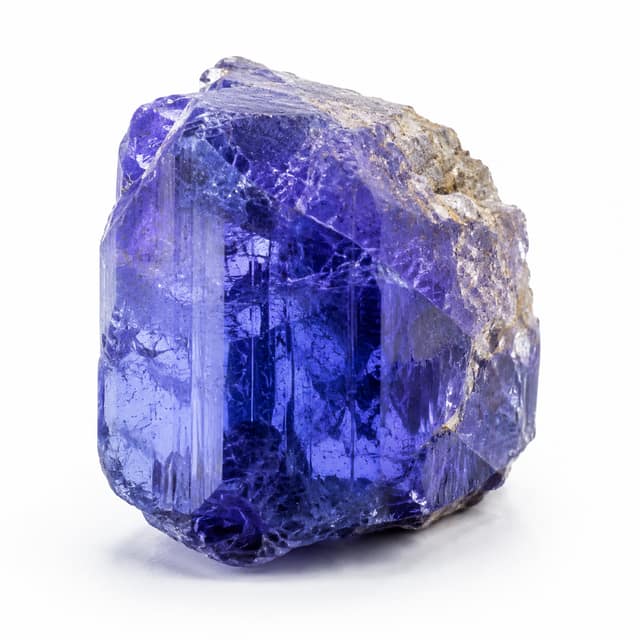
Tanzanite is one of the few gemstones whose identity is closely tied to a single modern locality. Its blue-to-violet colour and pleochroic character give it an instantly contemporary profile among transparent jewellery stones.
Matched
Differences
No significant mismatches
Tektite is natural impact glass formed by meteorite impact events.
Matched
Differences
No significant mismatches
Thulite is a pink variety of zoisite used mainly in carvings and cabochons.
Matched
Differences
No significant mismatches
Tiger iron is a layered ornamental rock combining tiger eye, jasper, and hematite components.
Matched
Differences
No significant mismatches
Tiger's eye is a chatoyant quartz variety known for a bright moving eye effect.
Matched
Differences
No significant mismatches
Titanite (sphene) is a high-fire gemstone species valued by collectors and connoisseurs.
Matched
Differences
No significant mismatches
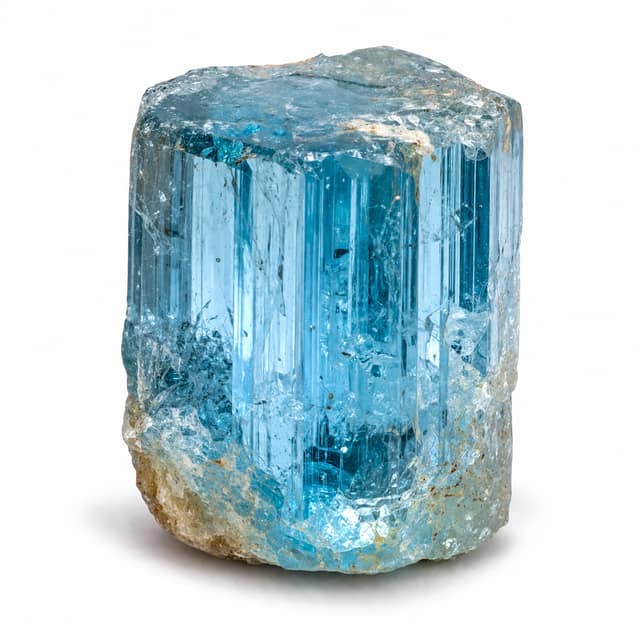
Topaz sits among the more resilient gem materials used for jewellery, which shapes both how it wears and how it is collected. Jewellers who need dependable wear resistance often come to it for different reasons, but identification still comes back to blue body colour, 8 Mohs hardness, and vitreous lustre. The secondary yellow note often matters more than people expect when separating it from lookalikes.
Matched
Differences
No significant mismatches
Tourmalinated quartz is quartz with visible black tourmaline inclusions creating striking contrast.
Matched
Differences
No significant mismatches
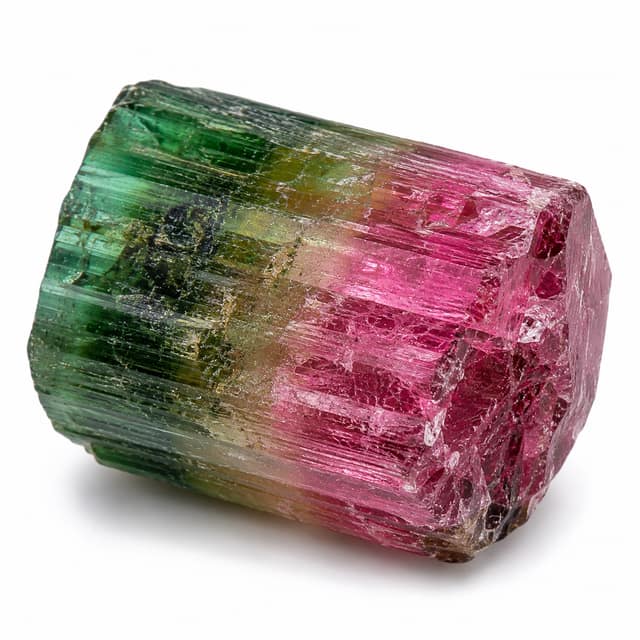
Locality plays an important role in how Tourmaline is understood in the gem trade. That combination of green body colour, 7 Mohs hardness, and vitreous lustre is what usually makes it recognisable in practice. The secondary pink note often matters more than people expect when separating it from lookalikes.
Matched
Differences
No significant mismatches
Tsavorite is the vivid green variety of grossular garnet colored by vanadium/chromium.
Matched
Differences
No significant mismatches
Tugtupite is a rare pink feldspathoid known for UV fluorescence and light-sensitive color behavior.
Matched
Differences
No significant mismatches
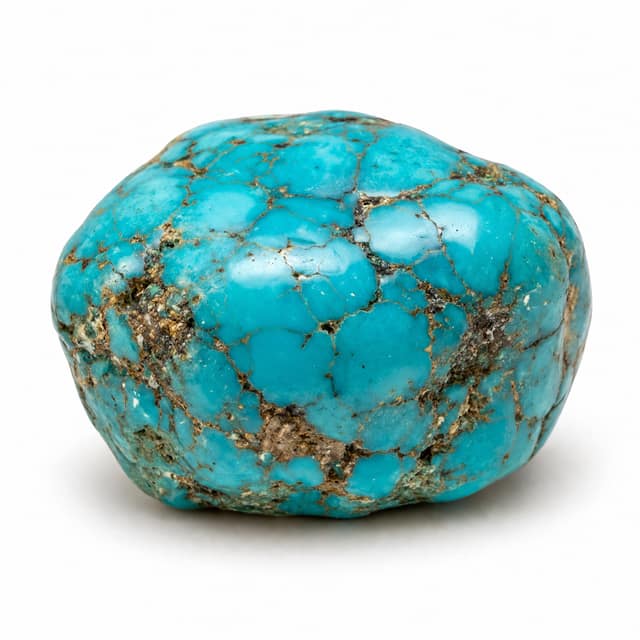
Turquoise has been used for ornament and status objects for millennia, yet its appeal remains straightforward: an unmistakable blue-to-green body colour, often paired with matrix patterns that make each piece visually individual.
Matched
Differences
No significant mismatches
Uvarovite is the chromium-rich green garnet species known for vivid drusy crystal clusters.
Matched
Differences
No significant mismatches
Variscite is a hydrated aluminum phosphate used in cabochons and carvings for green color.
Matched
Differences
No significant mismatches
Vesuvianite, also known as idocrase, is a calcium-rich silicate gemstone species.
Matched
Differences
No significant mismatches
Watermelon tourmaline is a zoned tourmaline variety typically showing pink core and green rim coloration.
Matched
Differences
No significant mismatches
White opal is opal with light body tone, occurring as common or precious opal types.
Matched
Differences
No significant mismatches
White sapphire is the colorless variety of corundum valued for durability and brilliance.
Matched
Differences
No significant mismatches
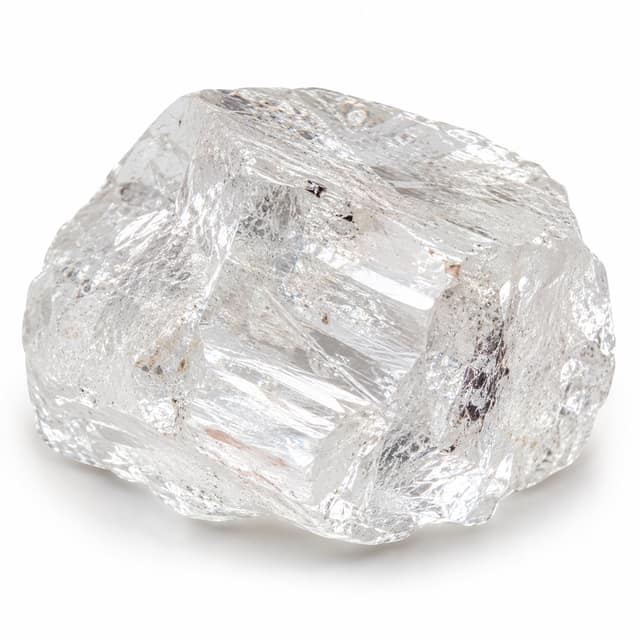
White spinel is the colorless to near-colorless variety of spinel used in fine jewelry.
Matched
Differences
No significant mismatches
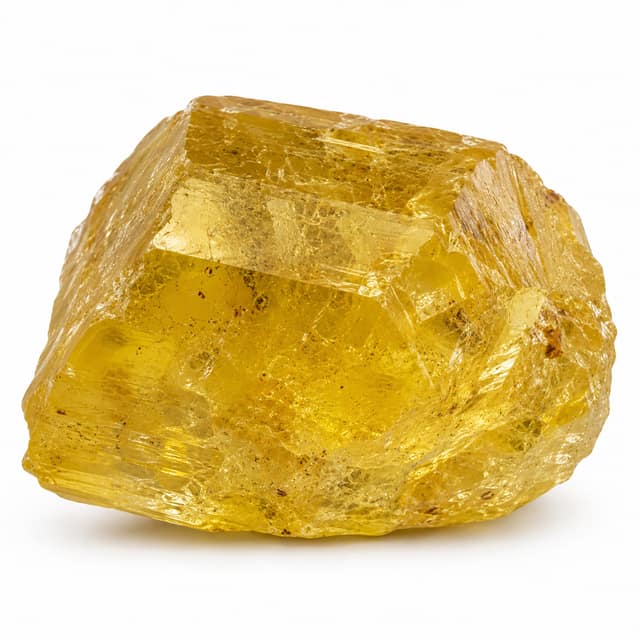
Yellow apatite is a calcium phosphate gem variety valued for bright yellow color.
Matched
Differences
No significant mismatches
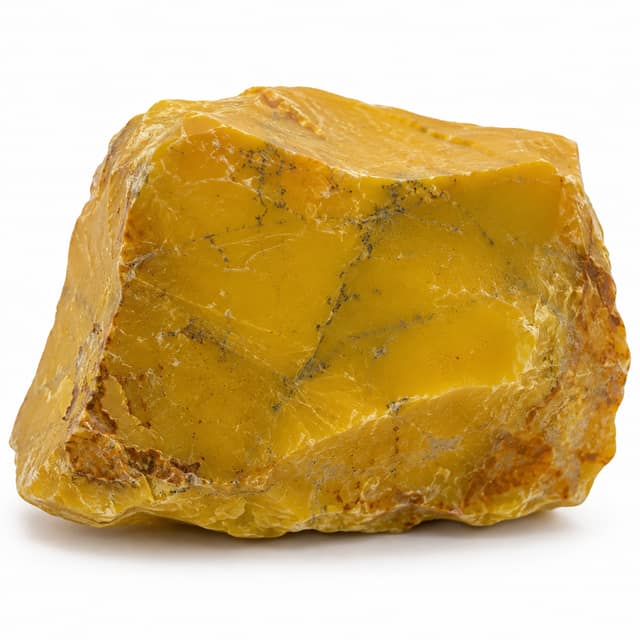
Yellow jasper is an opaque chalcedony variety colored by iron-bearing components.
Matched
Differences
No significant mismatches
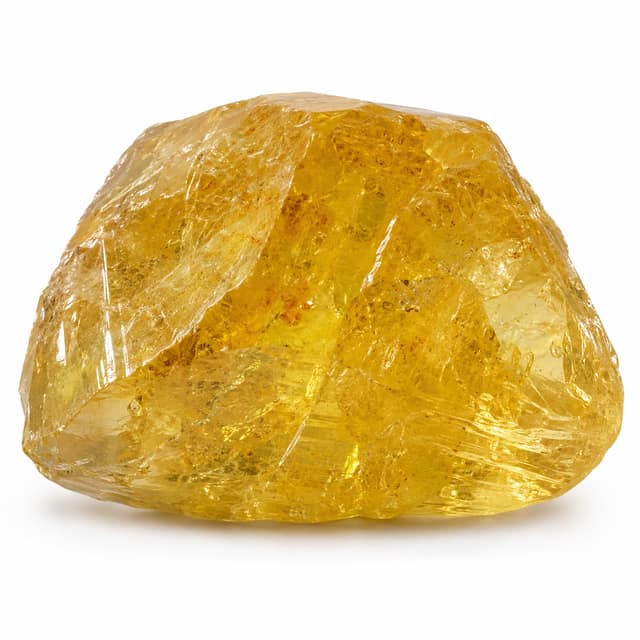
Yellow sapphire is the yellow color variety of corundum valued for durability and bright color.
Matched
Differences
No significant mismatches
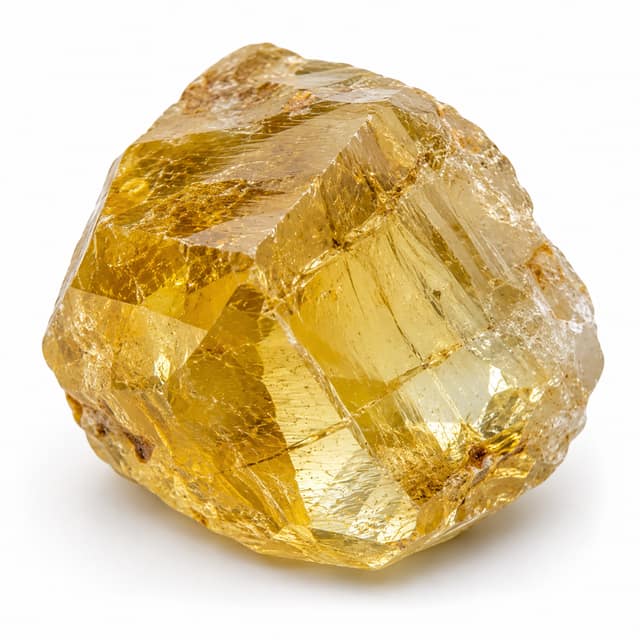
Yellow topaz is a durable topaz color variety used in faceted jewelry gems.
Matched
Differences
No significant mismatches
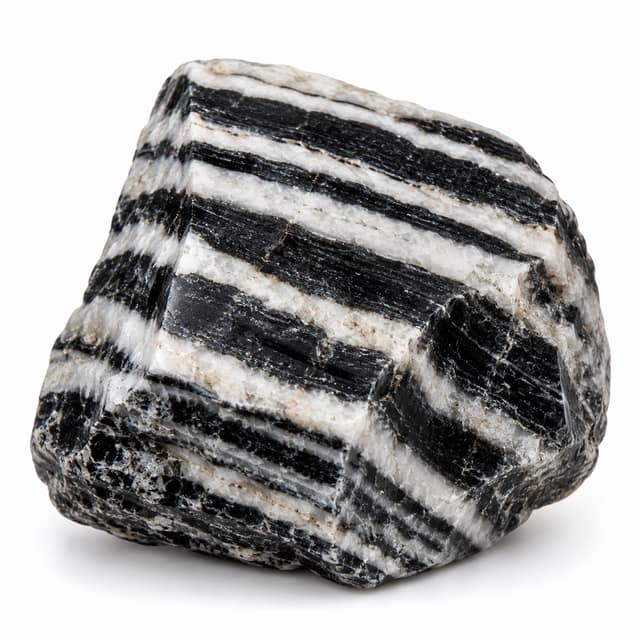
Zebra jasper is a patterned ornamental stone category defined by high-contrast striping.
Matched
Differences
No significant mismatches
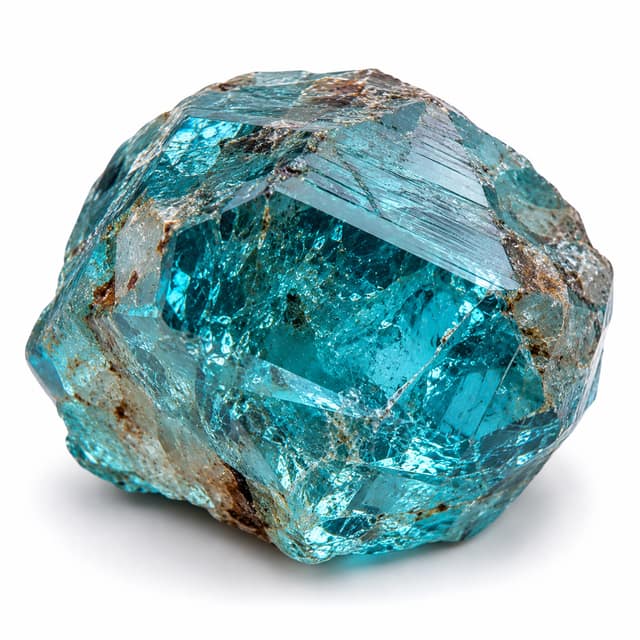
Zircon is a natural zirconium silicate gemstone known for high dispersion and brilliance.
Matched
Differences
No significant mismatches
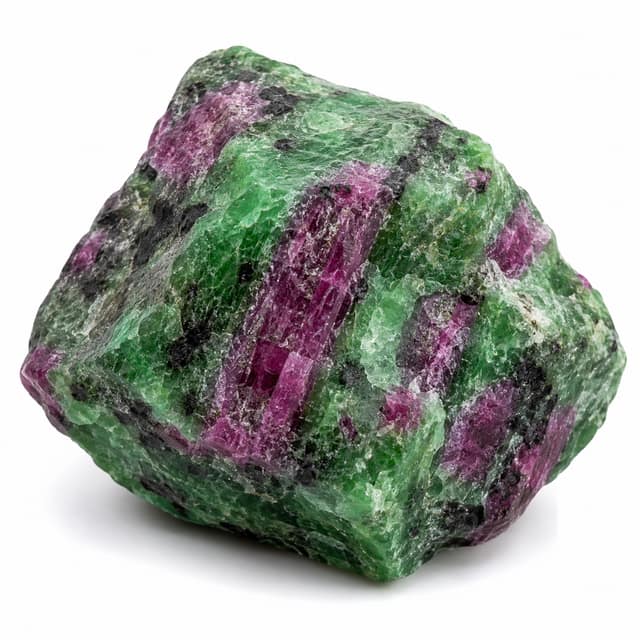
Zoisite is an orthorhombic sorosilicate species encompassing several gem varieties.
Matched
Differences
No significant mismatches
Single-property filtering gives a broad shortlist. For stronger matches, combine colour with hardness, transparency, and crystal system.
Hardness range, transparency, and crystal system usually reduce uncertainty fastest, especially when used alongside colour and lustre.
Open each gemstone profile to compare formation, uses, care guidance, and related stones before making a final judgement.