Gemstone profile and identification guide

Topaz

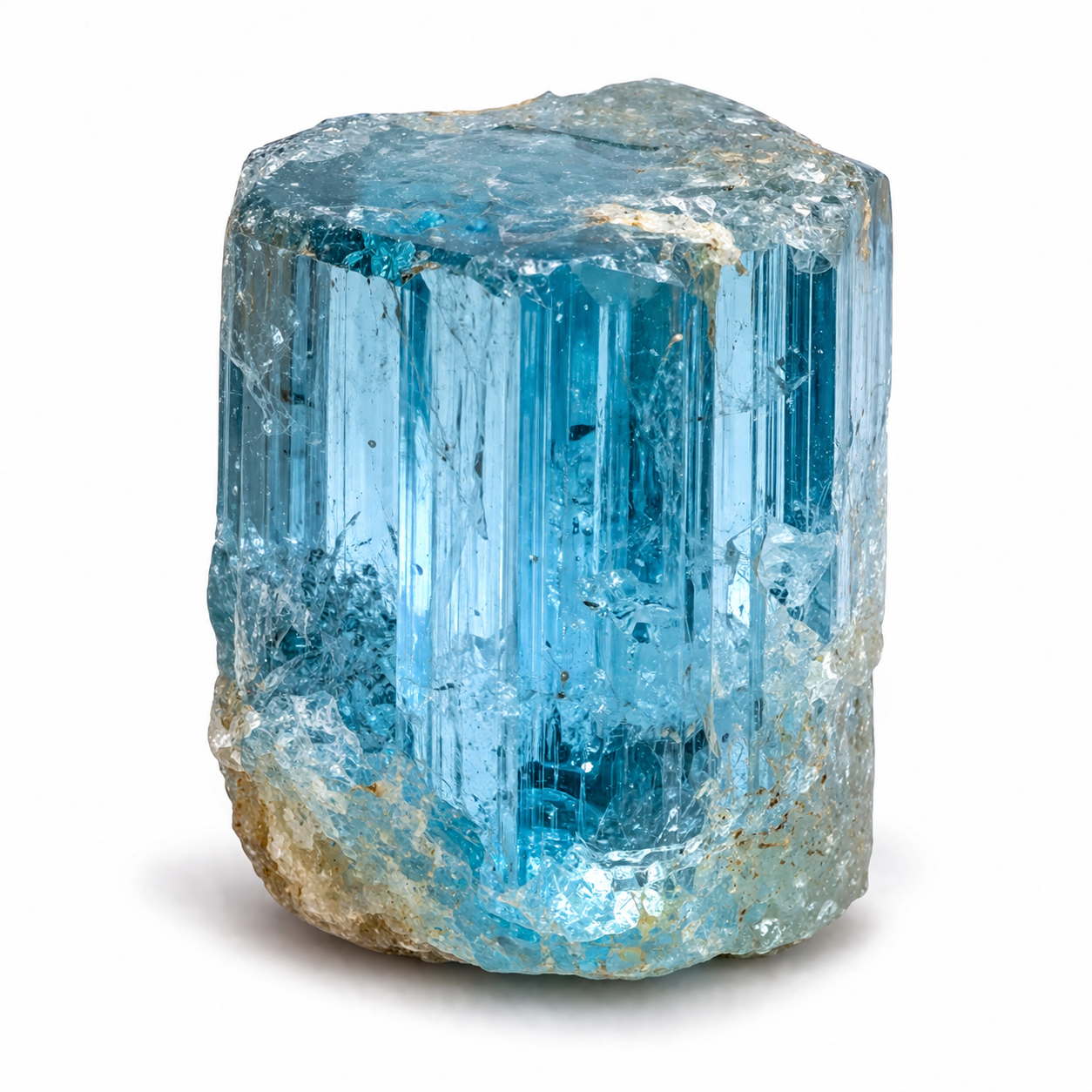
Topaz sits among the more resilient gem materials used for jewellery, which shapes both how it wears and how it is collected. Jewellers who need dependable wear resistance often come to it for different reasons, but identification still comes back to blue body colour, 8 Mohs hardness, and vitreous lustre. The secondary yellow note often matters more than people expect when separating it from lookalikes.

8 Mohs Blue, Yellow Nesosilicate (Topaz)
Topaz

Overview

Topaz sits among the more resilient gem materials used for jewellery, which shapes both how it wears and how it is collected. Jewellers who need dependable wear resistance often come to it for different reasons, but identification still comes back to blue body colour, 8 Mohs hardness, and vitreous lustre. The secondary yellow note often matters more than people expect when separating it from lookalikes.

Did you know? Topaz is commonly associated with material from Brazil, though the broader trade may draw on multiple localities.

Use this profile as a collector reference and educational guide for quick on-page comparison, then validate with the interactive identification system.

Identification

Name: Topaz

Scientific classification: Nesosilicate (Topaz)

Hardness: 8 Mohs

Transparency: transparent

Lustre: vitreous

Crystal system: Orthorhombic

Primary colour: Blue

Secondary colour: Yellow

Colour family: Blues & Cyans

When separating Topaz from similar-looking stones, pay attention to the combination of 8 Mohs hardness, vitreous lustre, and orthorhombic crystal structure. The interaction between blue and yellow tones is more useful than the primary colour alone when comparing candidates. Useful side-by-side comparisons include Moonstone, Peridot, Tanzanite.

Verification Status

Status: verified-core-fields

Reference priority: GIA, Gem-A, Mindat, International Gem Society

Core identity fields reviewed against consensus gemological references (GIA/Gem-A/Mindat/IGS).

Some market- and locality-level details may still require citation-grade source notes for publication workflows.

Physical Properties

Hardness category: hard

Hardness value: 8 Mohs

Chemical composition: Aluminum fluorine hydroxyl silicate [Al2SiO4(F,OH)2]

Crystal system: Orthorhombic

Common locations: Brazil (Minas Gerais), Pakistan, Russia, Nigeria, Sri Lanka

Learn more: Gem-A gemstone education resources.

Colour Variations

Topaz sits in the blues & cyans grouping here, usually reading first as blue with yellow appearing as a secondary note or modifier.

Optical effects: None specified in the current dataset.

Detailed Gemology

Mineral species: Topaz

Mineral group: Topaz group

Chemical formula: Aluminum fluorine hydroxyl silicate [Al2SiO4(F,OH)2]

Mohs hardness: 8

Crystal system: Orthorhombic

Lustre: vitreous

Transparency: transparent

Streak: White

Cleavage: Perfect basal cleavage

Fracture: Subconchoidal to uneven

Specific gravity: 3.49-3.57

Refractive index: 1.61-1.64

Optical phenomena: None commonly reported

Colour range: Blue, Yellow

Common inclusions: Liquid inclusions, fractures, and growth zoning

Geological environment: Topaz occurs in Granitic pegmatites, rhyolitic cavities, and hydrothermal environments. Its Orthorhombic structure reflects the pressure-temperature conditions of those host rocks, with notable occurrences in Brazil (Minas Gerais), Pakistan, Russia, Nigeria, Sri Lanka.

Principal mining regions: Brazil (Minas Gerais), Pakistan, Russia, Nigeria, Sri Lanka

Important commercial sources: Brazil is the principal producer of gem topaz, with additional sources in Pakistan, Russia, and Nigeria

Historical significance: Topaz has been used in jewelry for centuries and remains a major faceted gemstone species.

Common treatments: Irradiation and heat are common for blue topaz; coatings are used for products such as mystic topaz.

Synthetic or imitation forms: Synthetic substitutes and glass imitations are available in the market.

Common look-alikes: moonstone, peridot, tanzanite

Jewellery uses: Topaz is used chiefly for Particularly useful where durability matters alongside colour, clarity, or optical performance.. In the trade it is commonly fashioned as faceted stones, calibrated cuts, and higher-clarity collector pieces, with Mohs hardness 8 guiding suitable jewellery applications.

Care recommendations: Topaz should be cleaned with lukewarm water, mild soap, and a soft brush. At Mohs 8 in the Orthorhombic system, avoid steam cleaners, harsh chemicals, and high-impact wear. Protect cleavage directions from sharp knocks during wear and setting.


Cross-check profile data with GIA Gem Encyclopedia and Mindat entry for Topaz.

Formation

Topaz is a Topaz material with chemistry Aluminum fluorine hydroxyl silicate [Al2SiO4(F,OH)2]. It develops in Granitic pegmatites, rhyolitic cavities, and hydrothermal environments, and economically significant production is associated with Brazil (Minas Gerais), Pakistan, Russia, Nigeria, Sri Lanka.

Origin

Brazil is the principal producer of gem topaz, with additional sources in Pakistan, Russia, and Nigeria

Uses

Best for: Topaz is used chiefly for Particularly useful where durability matters alongside colour, clarity, or optical performance.. In the trade it is commonly fashioned as faceted stones, calibrated cuts, and higher-clarity collector pieces, with Mohs hardness 8 guiding suitable jewellery applications.

Ideal uses: Particularly useful where durability matters alongside colour, clarity, or optical performance.

Care

Topaz should be cleaned with lukewarm water, mild soap, and a soft brush. At Mohs 8 in the Orthorhombic system, avoid steam cleaners, harsh chemicals, and high-impact wear. Protect cleavage directions from sharp knocks during wear and setting.
Need another candidate? Use advanced gemstone search or return to the identification guide.

Topaz FAQ

How can I identify Topaz?

Compare hardness (8 Mohs), crystal system (Orthorhombic), colour profile, and lustre (vitreous) with your sample. Then cross-check related gemstones listed above.

What colour range does Topaz appear in?

Topaz sits in the blues & cyans grouping here, usually reading first as blue with yellow appearing as a secondary note or modifier.

Where is Topaz commonly used?

Particularly useful where durability matters alongside colour, clarity, or optical performance.. For maintenance, follow the care guidance in this profile.