

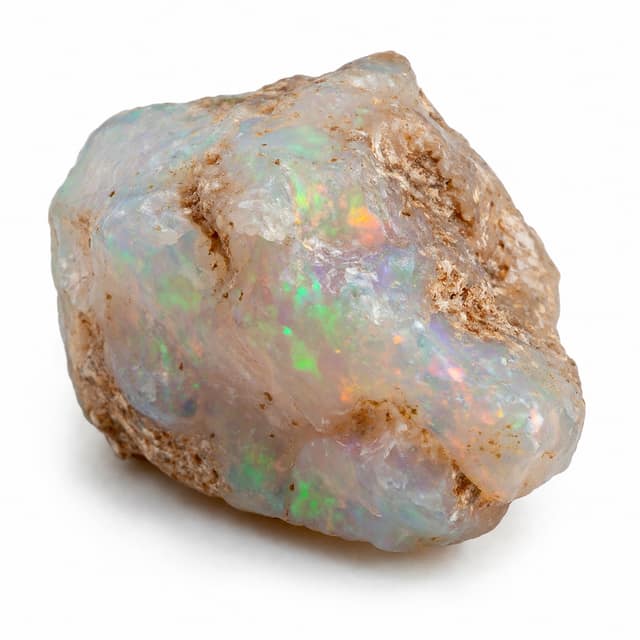
Aegean Opal
Aegean opal is a trade-name opal category and should be handled as opal mineraloid material with seller-specific locality disclosure.
Colour focus
Discover gemstones with blue tones, curated for design, jewellery, and clarity.
Aegean opal is a trade-name opal category and should be handled as opal mineraloid material with seller-specific locality disclosure.
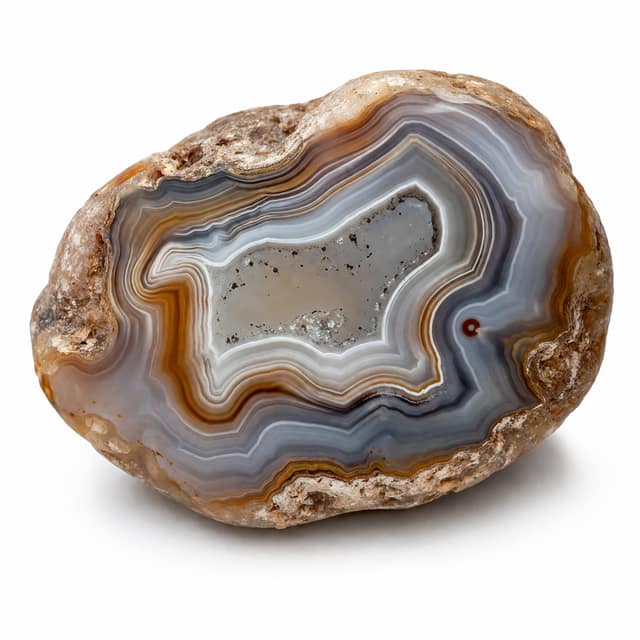
Agate is a banded chalcedony variety of quartz identified by concentric or parallel growth bands and waxy lustre.
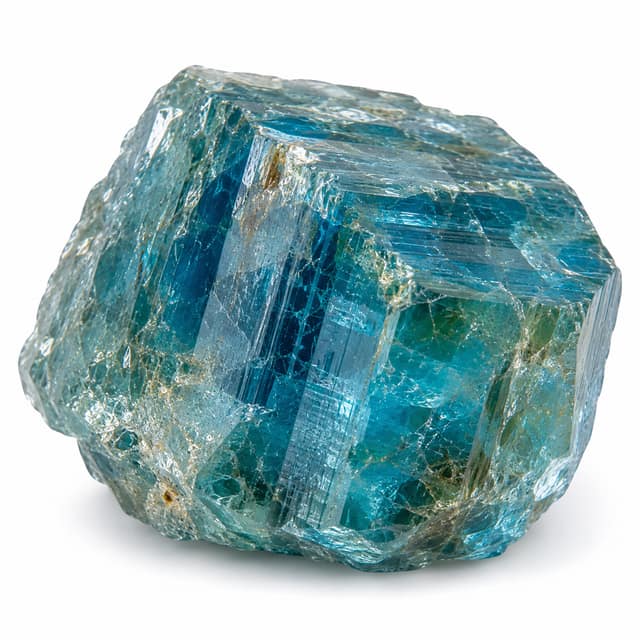
Apatite is a calcium phosphate mineral group used as a collector and jewellery gemstone in multiple colours.
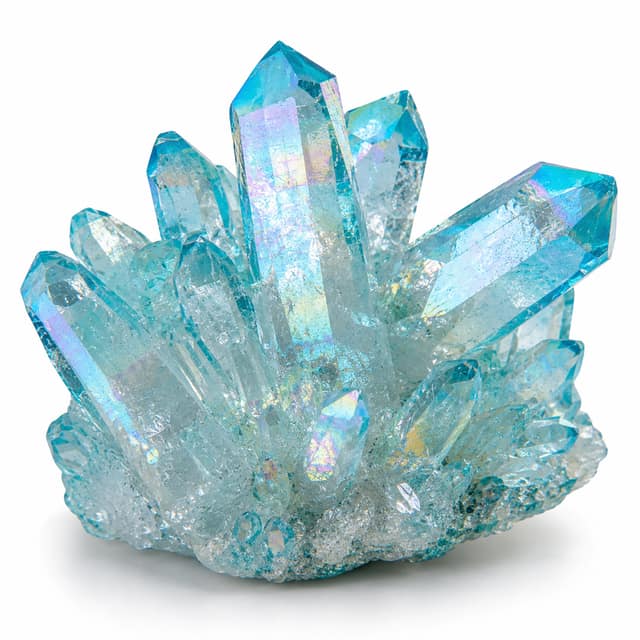
Aqua aura quartz is clear quartz modified by vapor deposition of metals (commonly gold) to produce blue iridescent colour.
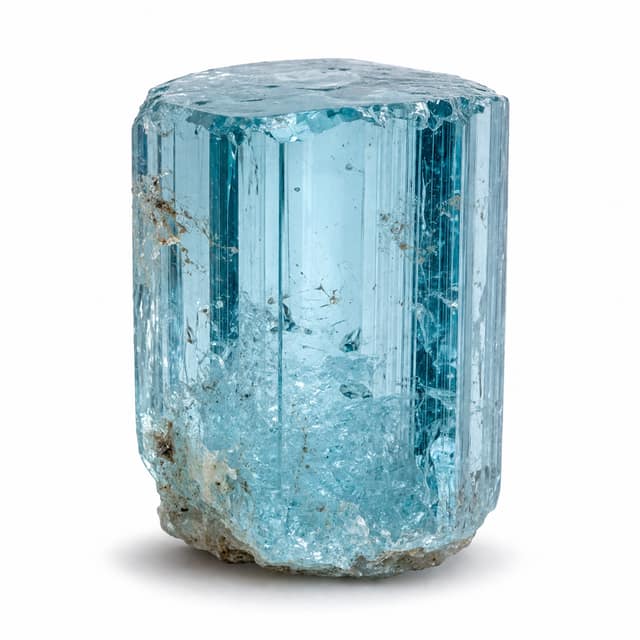
Aquamarine is appreciated for clarity and calm blue colour more than spectacle. Well-cut stones often look almost water-clear at first glance, with the blue becoming more apparent as light travels through the body of the gem.
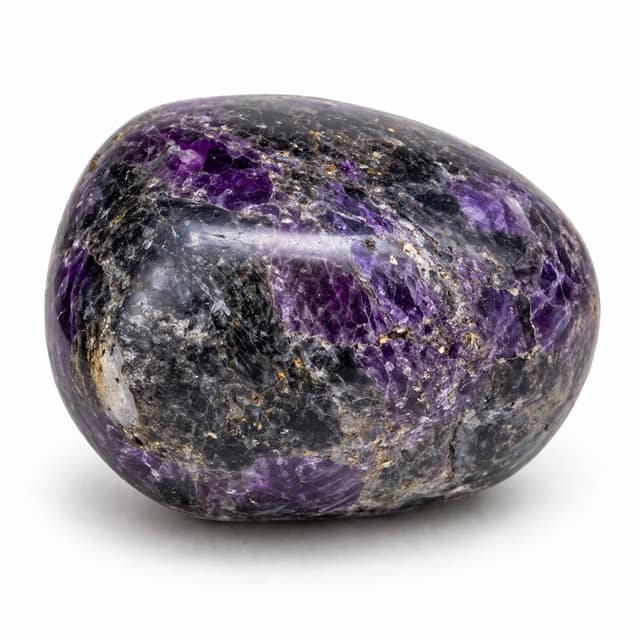
Astro stone is a trade descriptor for decorative composite material rather than a recognized mineral species.
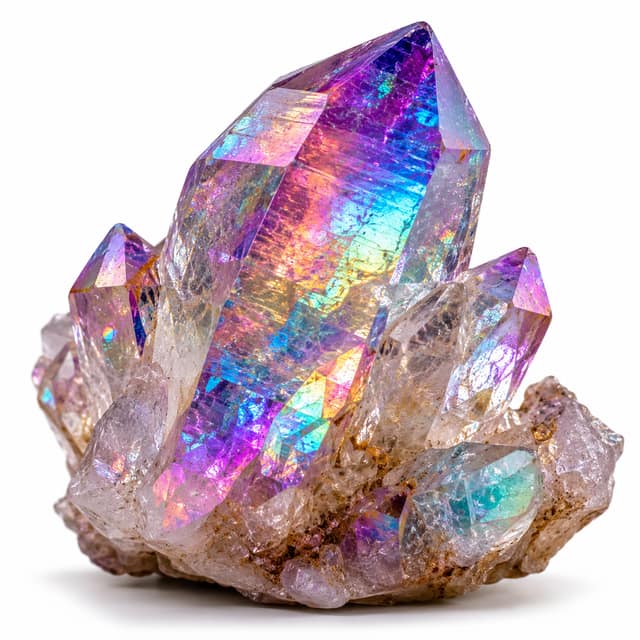
Aurora quartz is coated quartz sold under a trade name for iridescent surface color effects.
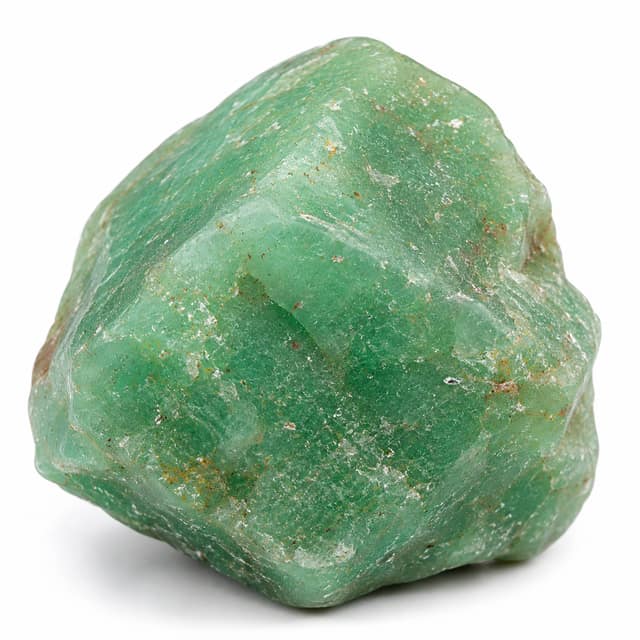
Aventurine is a quartz variety containing reflective platelets that create aventurescence.
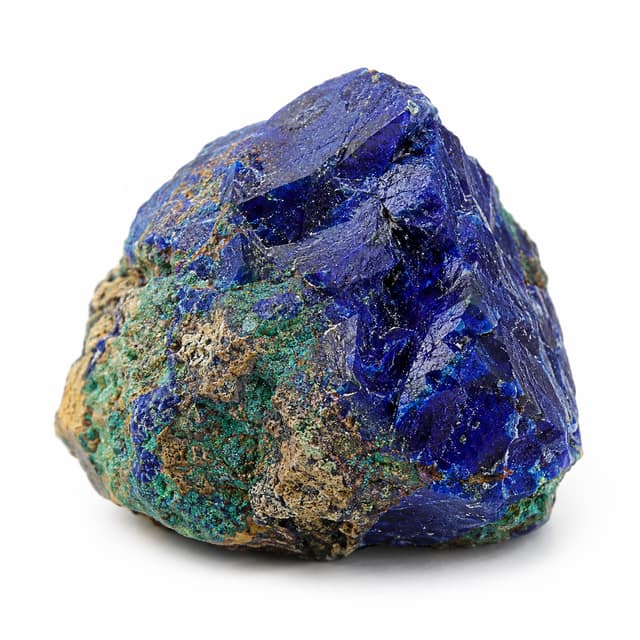
Azurite is a deep blue copper carbonate mineral, often associated with malachite in oxidized copper deposits.
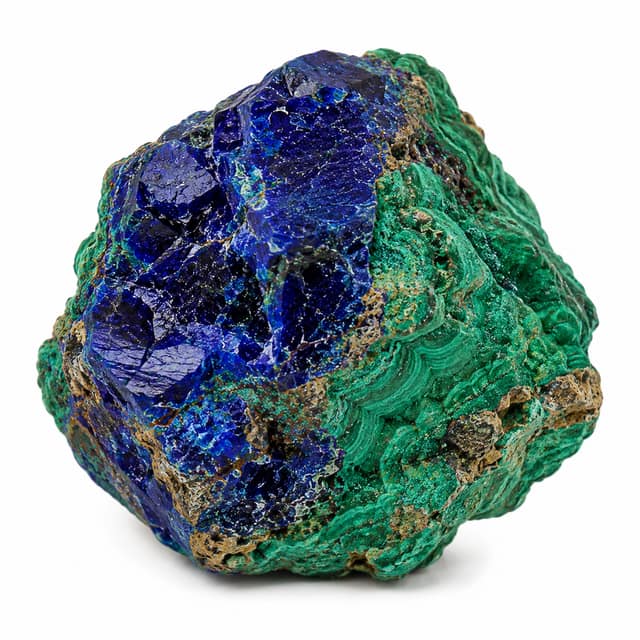
Azurite-malachite is a natural intergrowth of two copper carbonates used as an ornamental gemstone material.
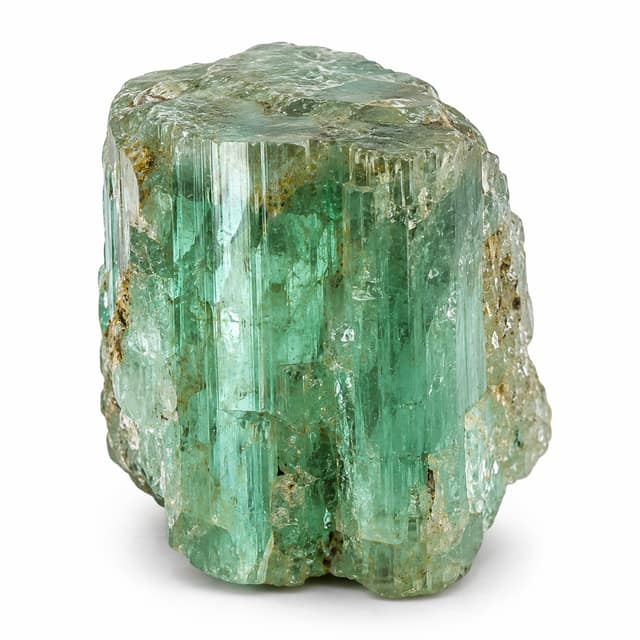
Beryl is often discussed with one eye on colour and the other on where the material comes from. That combination of blue body colour, 7.5 Mohs hardness, and vitreous lustre is what usually makes it recognisable in practice. The secondary green note often matters more than people expect when separating it from lookalikes.
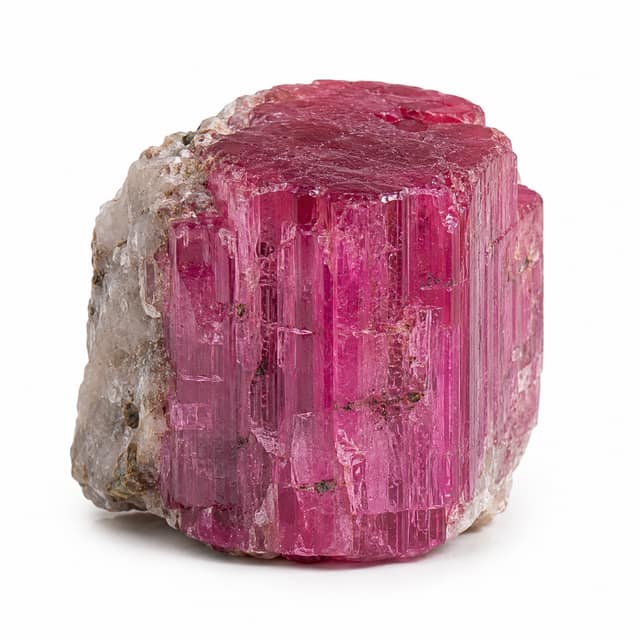
Bixbite profile is under factual gemological review. Properties shown here are provisional unless marked as verified.
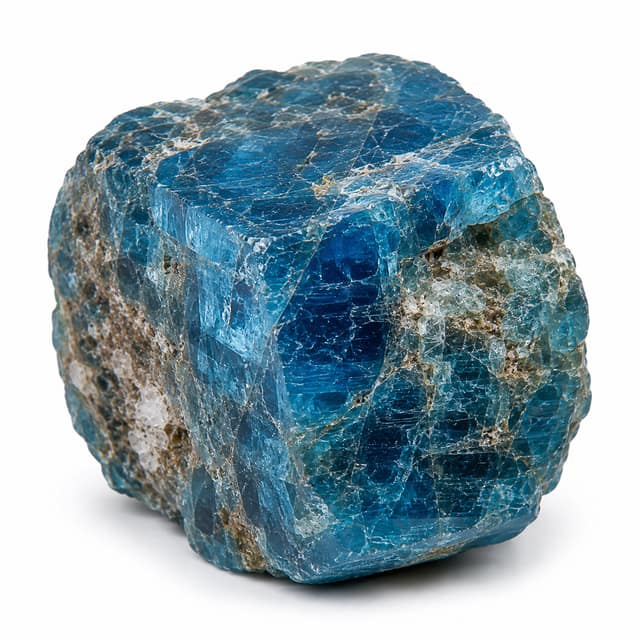
Blue apatite is a blue-colored member of the apatite group used as a collector and jewellery gemstone.
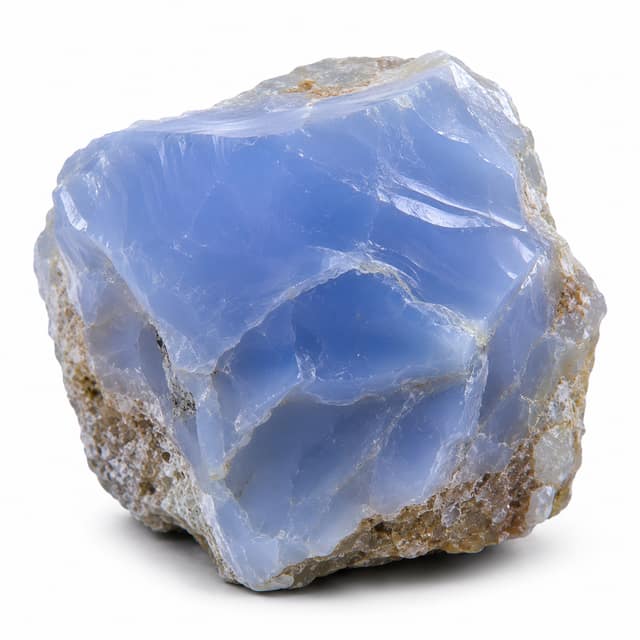
Blue chalcedony is a blue microcrystalline quartz variety valued for soft, uniform translucent colour.
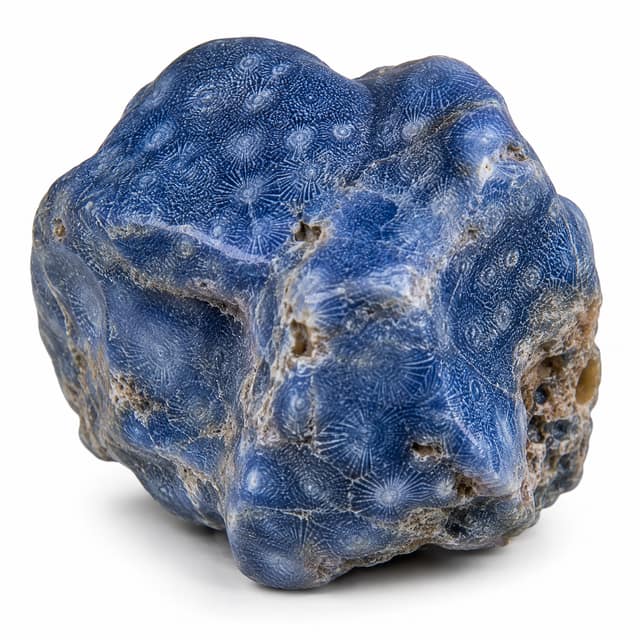
Blue coral is generally a trade product category and often involves dyed or treated coral material.
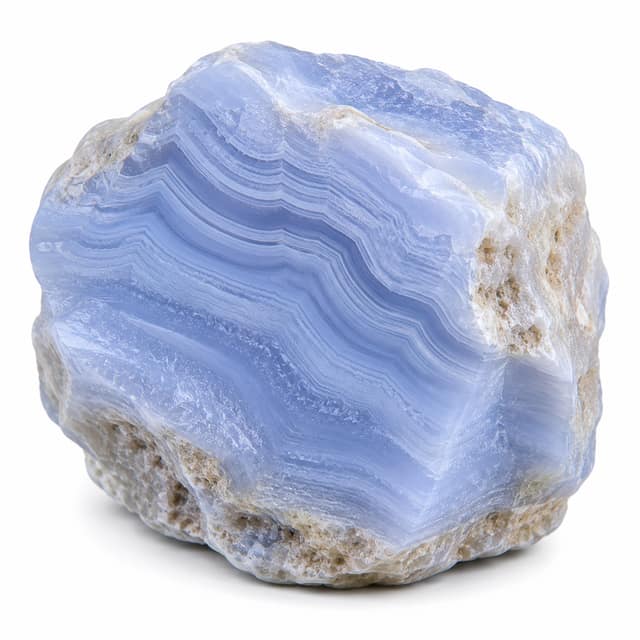
Blue lace agate is a pale blue banded chalcedony variety with fine lace-like white patterns.
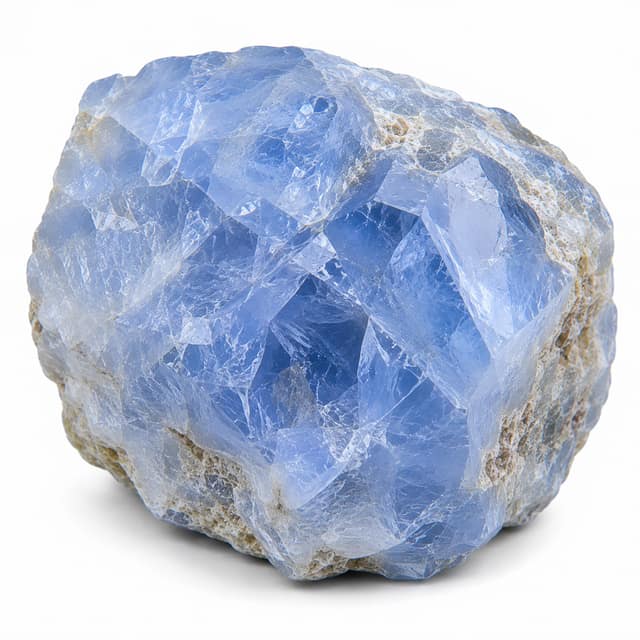
Blue quartz is a trade variety of quartz with blue appearance caused by inclusions or structural scattering.
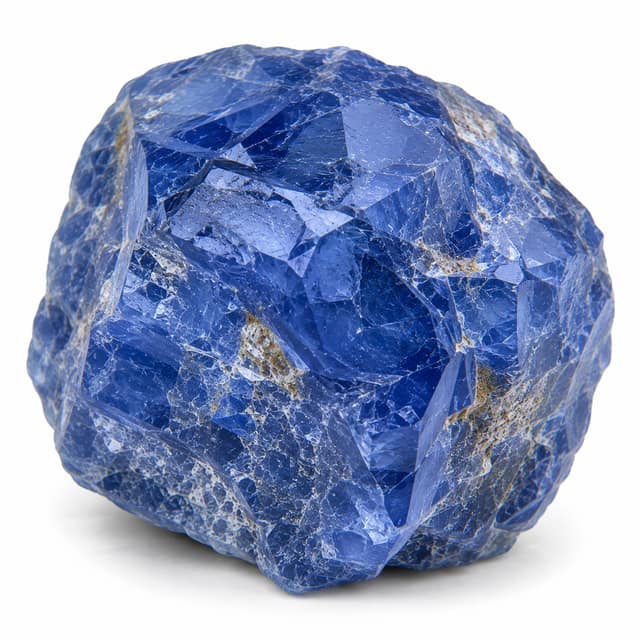
Blue Spinel sits among the more resilient gem materials used for jewellery, which shapes both how it wears and how it is collected. That combination of blue body colour, 9 Mohs hardness, and vitreous lustre is what usually makes it recognisable in practice.
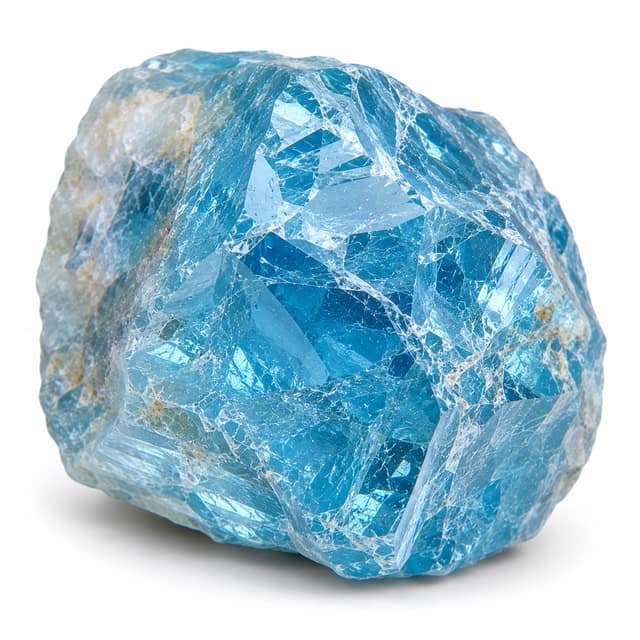
Blue Topaz profile is under factual gemological review. Properties shown here are provisional unless marked as verified.
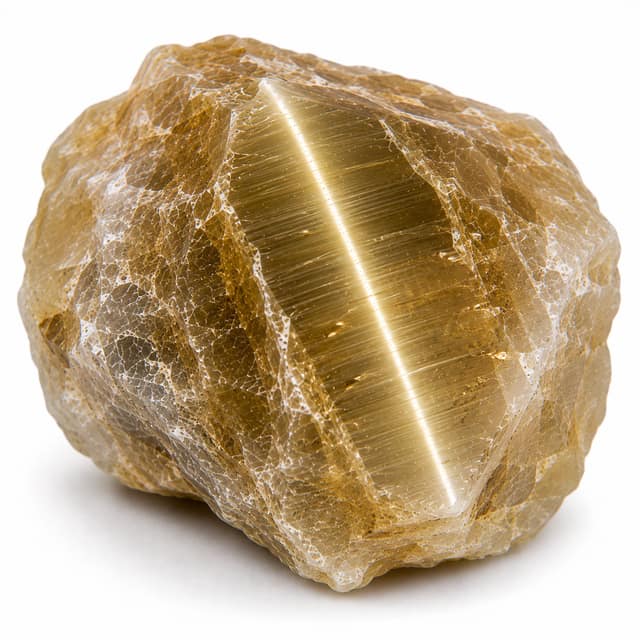
Cat's Eye Topaz earns attention when light begins to travel across or through it. Collectors who care about optical performance often come to it for different reasons, but identification still comes back to blue body colour, chatoyancy optical effects, and 8 Mohs hardness. The effect is best judged in motion, since a static view rarely shows the full character of the stone.
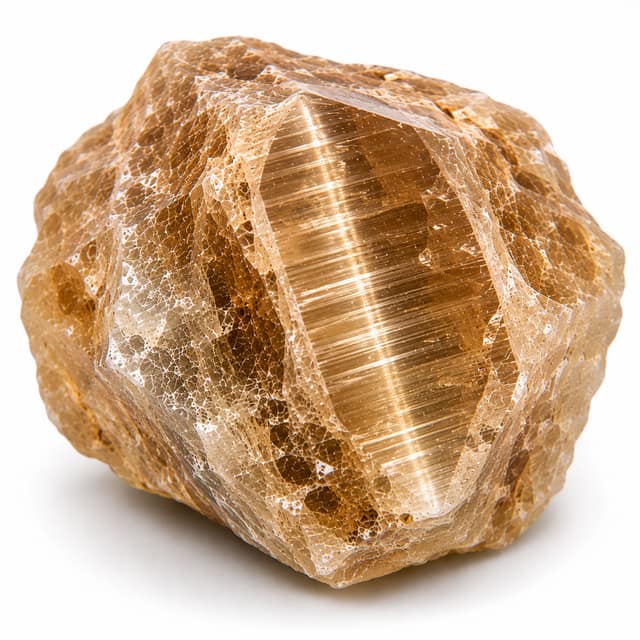
Among jewellery stones, Champagne Topaz stands out for combining appearance with notable wear resistance. Jewellers who need dependable wear resistance often come to it for different reasons, but identification still comes back to blue body colour, 8 Mohs hardness, and vitreous lustre. The secondary champagne note often matters more than people expect when separating it from lookalikes.
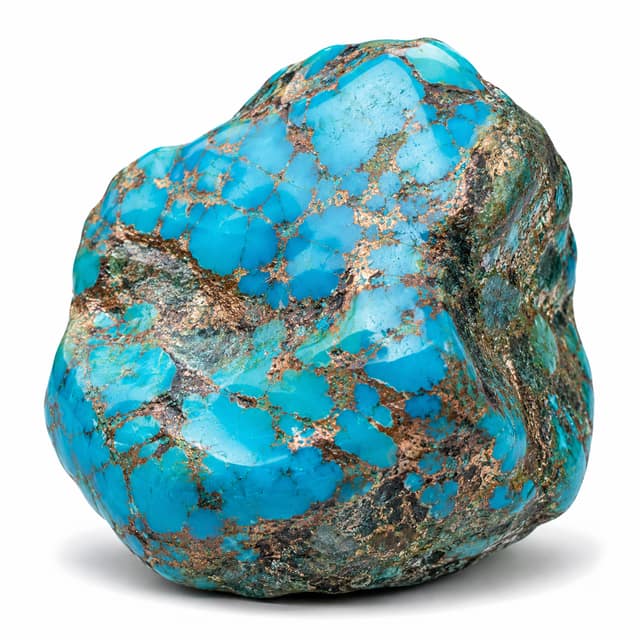
Copper turquoise is a trade material combining turquoise with metallic copper effect components, often stabilized or reconstructed.
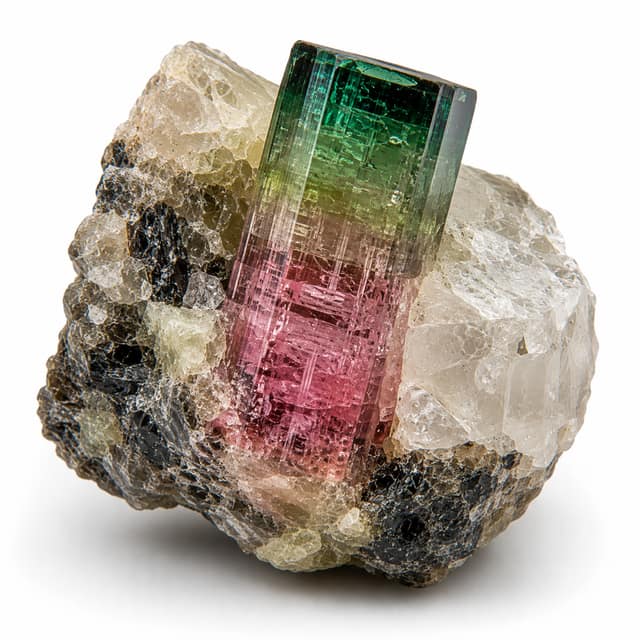
Elbaite is the lithium-rich tourmaline species that includes many prized gem tourmaline colors.
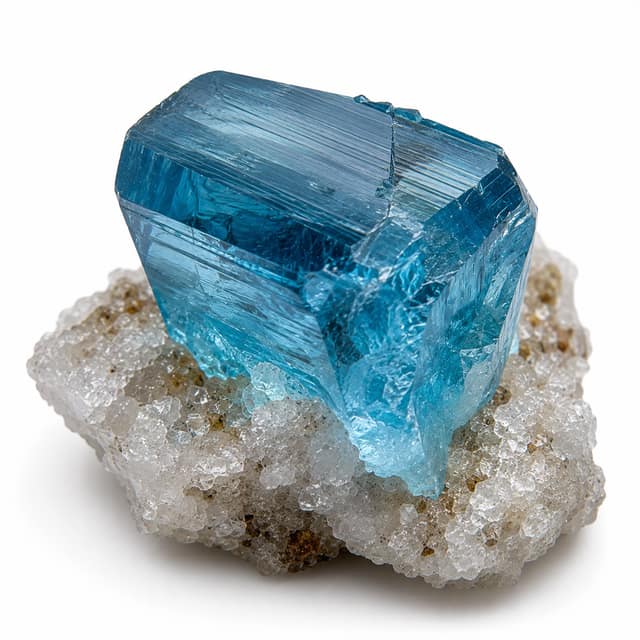
Euclase is a beryllium aluminum silicate hydroxide mineral occasionally cut as a collector gemstone.
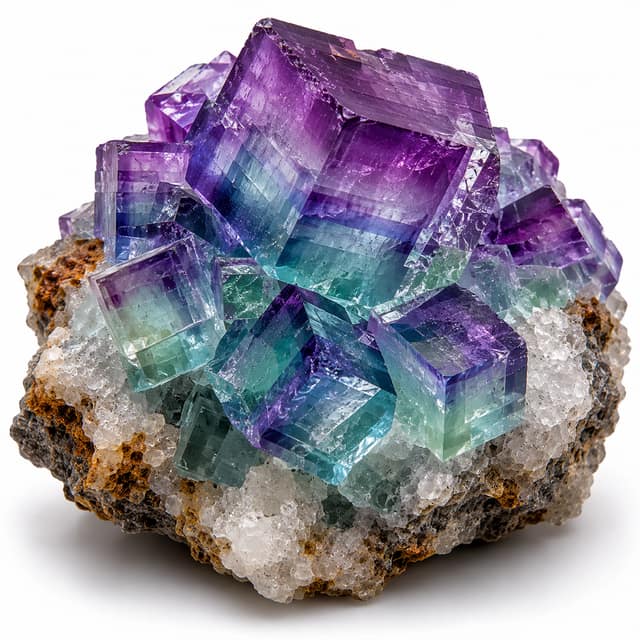
Fluorite is a calcium fluoride mineral known for wide colour variation, strong cleavage, and common fluorescence.
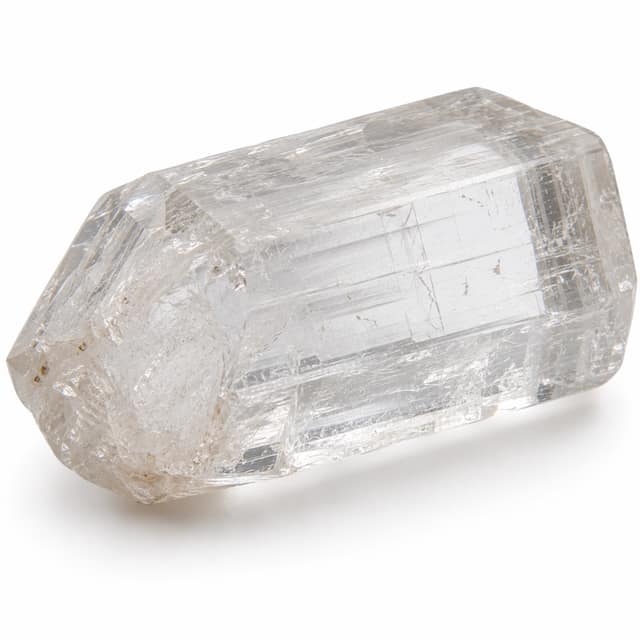
Goshenite is often discussed with one eye on colour and the other on where the material comes from. That combination of blue body colour, 7.5 Mohs hardness, and vitreous lustre is what usually makes it recognisable in practice. The secondary green note often matters more than people expect when separating it from lookalikes.
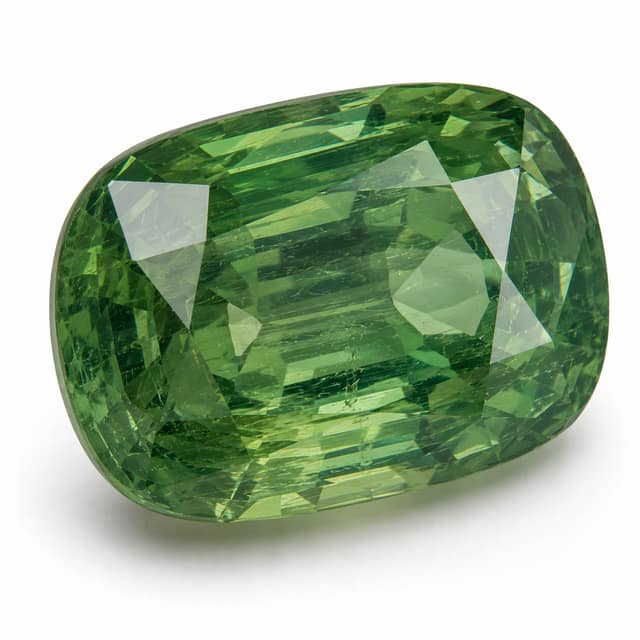
Green Sapphire profile is under factual gemological review. Properties shown here are provisional unless marked as verified.
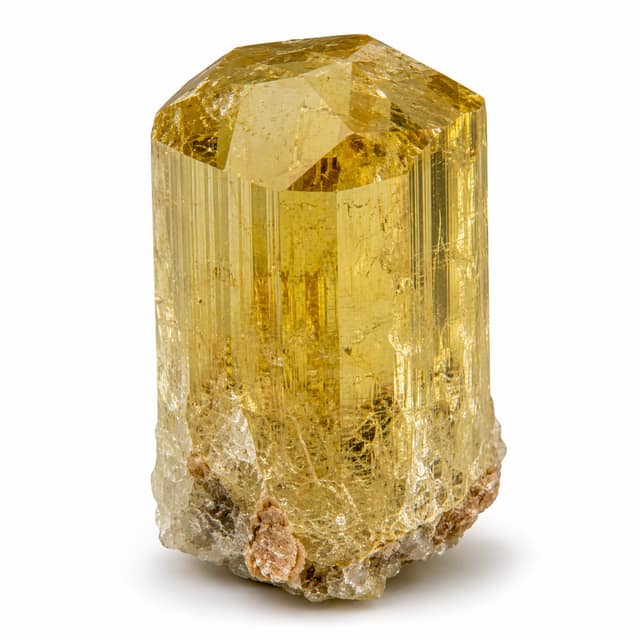
Locality plays an important role in how Heliodor is understood in the gem trade. Collectors and lapidaries comparing similar stones often come to it for different reasons, but identification still comes back to blue body colour, 7.5 Mohs hardness, and vitreous lustre. The secondary green note often matters more than people expect when separating it from lookalikes.
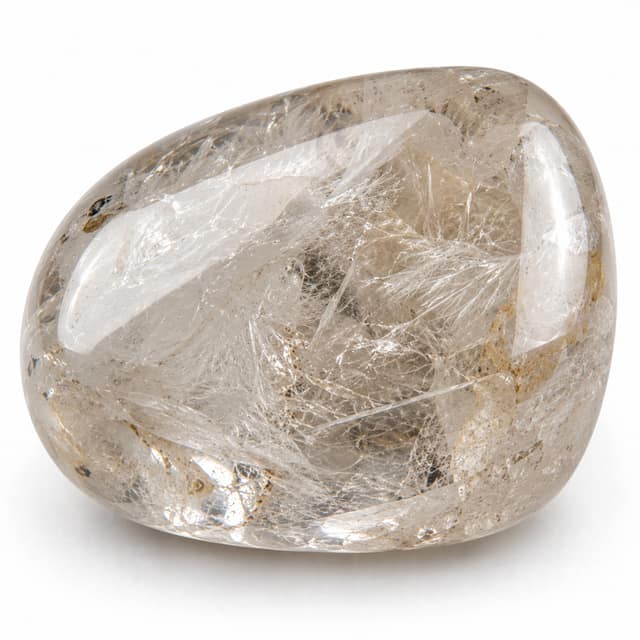
Hydro quartz refers to hydrothermally grown synthetic quartz used as a gem and decorative material.
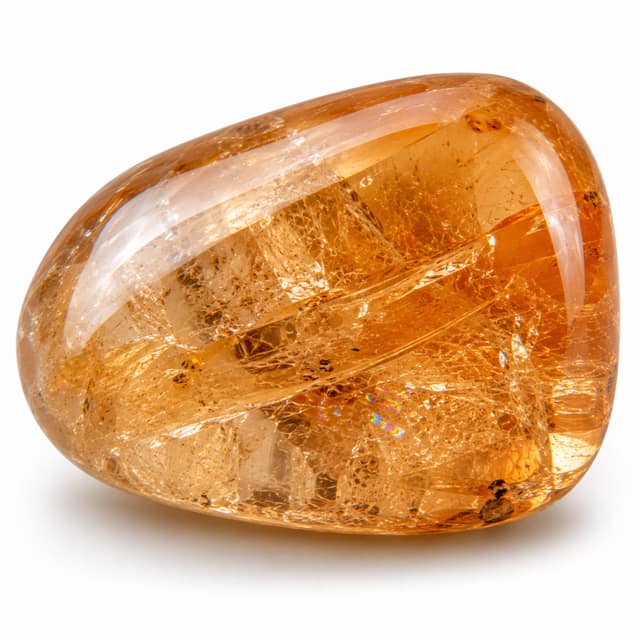
Durability is part of the appeal of Imperial Topaz, not merely a technical footnote. Jewellers who need dependable wear resistance often come to it for different reasons, but identification still comes back to blue body colour, 8 Mohs hardness, and vitreous lustre. The secondary yellow note often matters more than people expect when separating it from lookalikes.
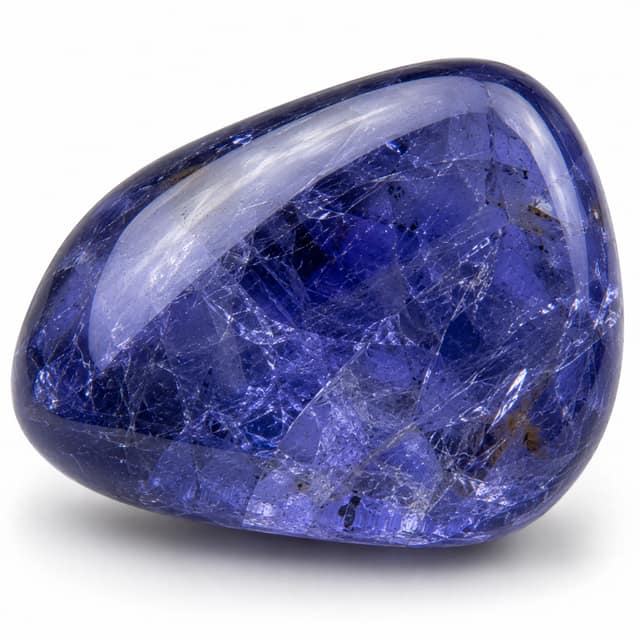
Iolite is the gem variety of cordierite, known for pronounced pleochroism from blue-violet to pale yellow-grey.
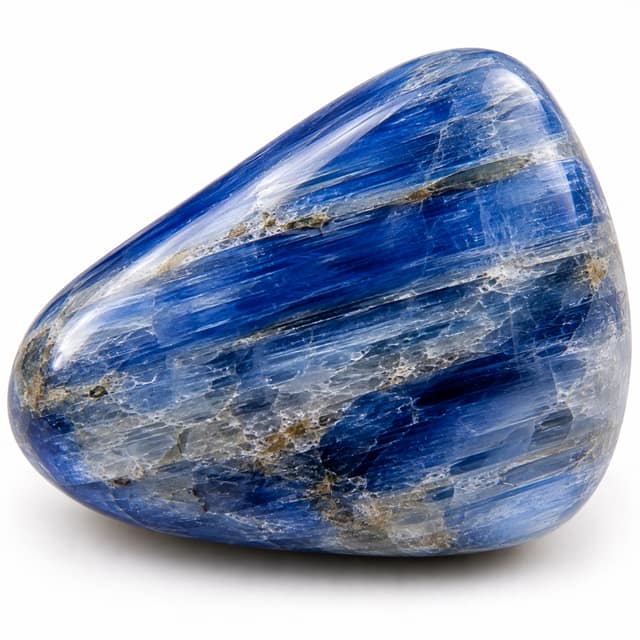
Kyanite is an aluminum silicate mineral notable for pronounced hardness anisotropy and blue pleochroic colour.
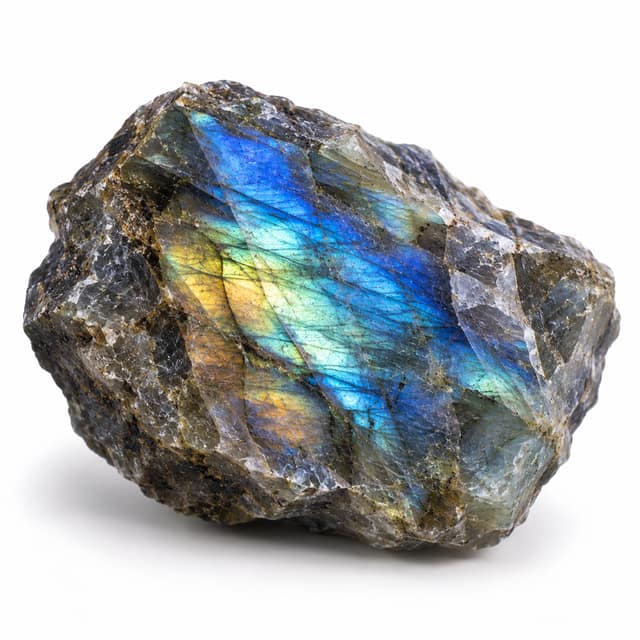
Labradorite is a plagioclase feldspar known for labradorescence caused by light interference in lamellar structures.
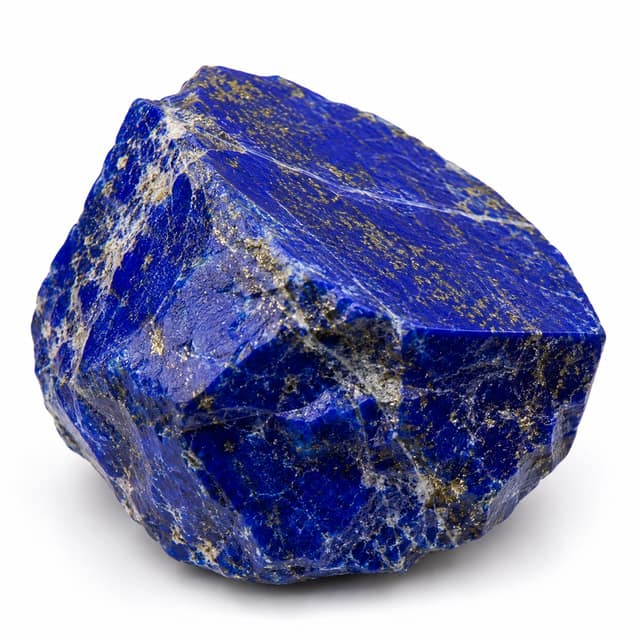
Lapis lazuli is a lazurite-rich metamorphic rock used as a gemstone and ornamental material.
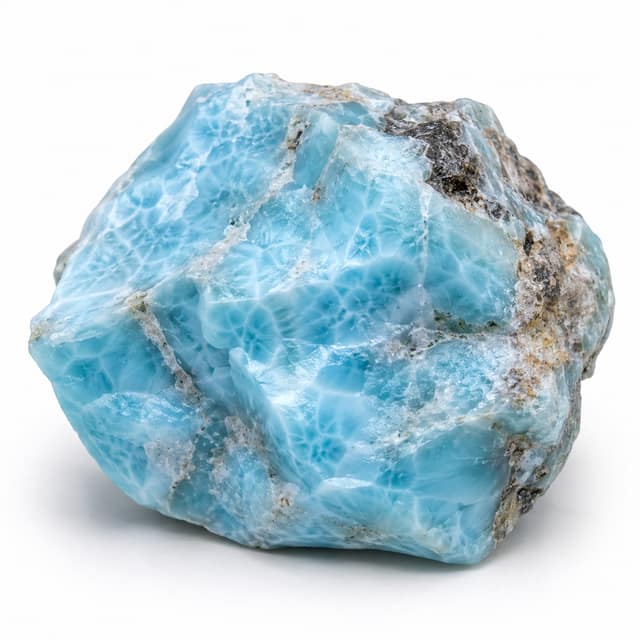
The character of Larimar comes through in its aqua, blue, cyan / blue-green, green, and brown colour and the way that colour interacts with a silicate structure. That combination of aqua body colour, 6.5 Mohs hardness, and vitreous lustre is what usually makes it recognisable in practice. The secondary blue note often matters more than people expect when separating it from lookalikes.
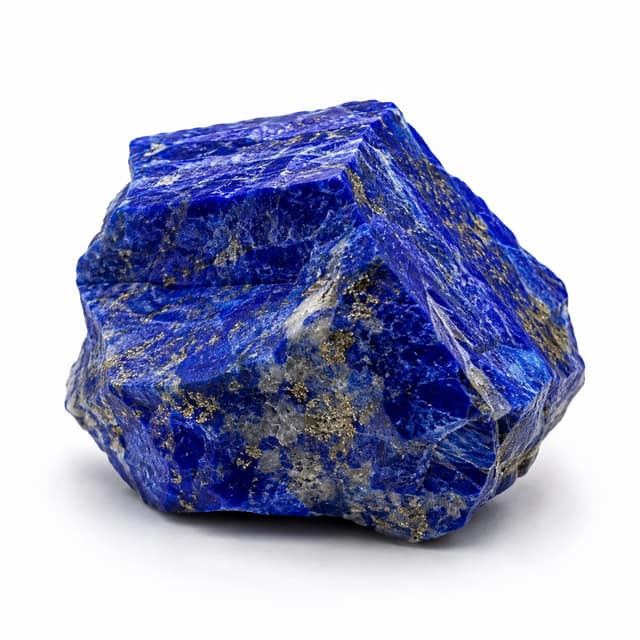
Lazurite is a blue feldspathoid mineral and the key color component in lapis lazuli.

Durability is part of the appeal of London Blue Topaz, not merely a technical footnote. Jewellers who need dependable wear resistance often come to it for different reasons, but identification still comes back to blue body colour, 8 Mohs hardness, and vitreous lustre.
Locality plays an important role in how Maxixe is understood in the gem trade. Collectors and lapidaries comparing similar stones often come to it for different reasons, but identification still comes back to blue body colour, 7.5 Mohs hardness, and vitreous lustre. The secondary green note often matters more than people expect when separating it from lookalikes.
Morganite profile is under factual gemological review. Properties shown here are provisional unless marked as verified.
Mystic Topaz profile is under factual gemological review. Properties shown here are provisional unless marked as verified.
Ocean agate is a trade-name patterned agate category rather than a separate mineral species.
Ocean reef is treated as a broad trade label for decorative patterned material.
Orange Sapphire profile is under factual gemological review. Properties shown here are provisional unless marked as verified.
Padparadscha Sapphire sits among the more resilient gem materials used for jewellery, which shapes both how it wears and how it is collected. That combination of blue body colour, 9 Mohs hardness, and vitreous lustre is what usually makes it recognisable in practice. The secondary sapphire blue note often matters more than people expect when separating it from lookalikes.
Paraiba Tourmaline profile is under factual gemological review. Properties shown here are provisional unless marked as verified.
Among jewellery stones, Peach Topaz stands out for combining appearance with notable wear resistance. That combination of blue body colour, 8 Mohs hardness, and vitreous lustre is what usually makes it recognisable in practice. The secondary orange note often matters more than people expect when separating it from lookalikes.
The appeal of Peruvian Blue Opal lies in what happens after the stone is turned in the light. That combination of blue body colour, opalescence, play of colour, iridescence optical effects, and 5.5 Mohs hardness is what usually makes it recognisable in practice. The effect is best judged in motion, since a static view rarely shows the full character of the stone.
Pietersite is a brecciated chatoyant quartz aggregate with dramatic directional luster.
Pink Sapphire profile is under factual gemological review. Properties shown here are provisional unless marked as verified.
Durability is part of the appeal of Royal Blue Sapphire, not merely a technical footnote. That combination of blue body colour, 9 Mohs hardness, and vitreous lustre is what usually makes it recognisable in practice. The secondary royal blue note often matters more than people expect when separating it from lookalikes.
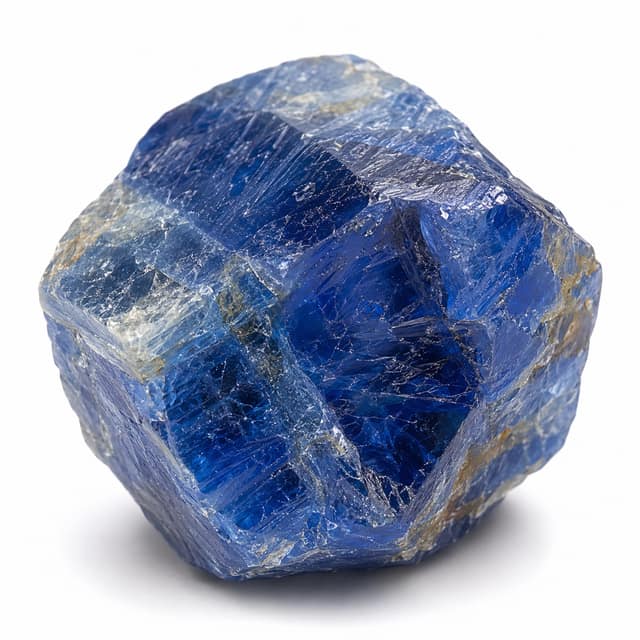
Sapphire covers far more than blue, yet the gem remains associated with crisp colour, durability, and a polished, highly wearable finish. Its place in jewellery owes as much to resilience as to appearance.
Among jewellery stones, Sky Blue Topaz stands out for combining appearance with notable wear resistance. Jewellers who need dependable wear resistance often come to it for different reasons, but identification still comes back to blue body colour, 8 Mohs hardness, and vitreous lustre. The secondary sky blue note often matters more than people expect when separating it from lookalikes.
Sodalite is a blue feldspathoid mineral commonly used as an opaque ornamental gemstone.
Durability is part of the appeal of Spinel, not merely a technical footnote. That combination of blue body colour, 9 Mohs hardness, and vitreous lustre is what usually makes it recognisable in practice. The secondary pink note often matters more than people expect when separating it from lookalikes.
Star Sapphire profile is under factual gemological review. Properties shown here are provisional unless marked as verified.
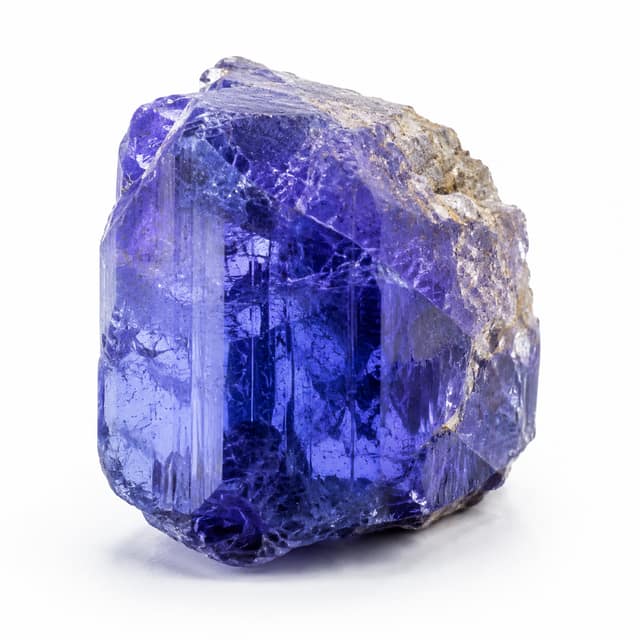
Tanzanite is one of the few gemstones whose identity is closely tied to a single modern locality. Its blue-to-violet colour and pleochroic character give it an instantly contemporary profile among transparent jewellery stones.
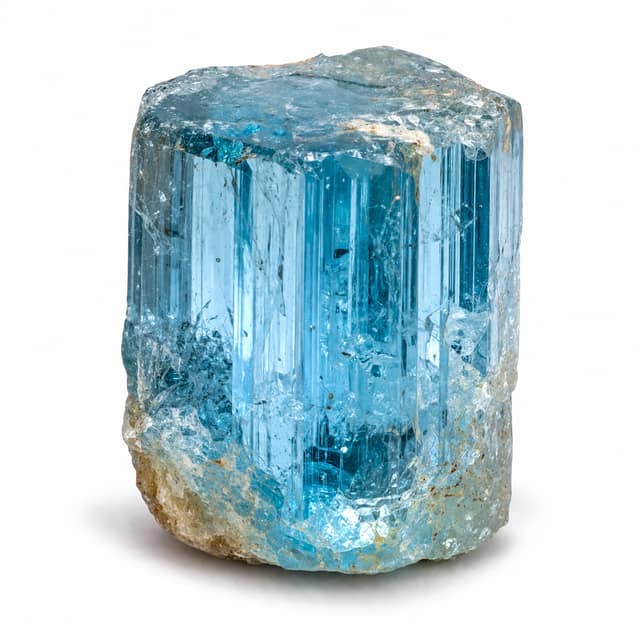
Topaz sits among the more resilient gem materials used for jewellery, which shapes both how it wears and how it is collected. Jewellers who need dependable wear resistance often come to it for different reasons, but identification still comes back to blue body colour, 8 Mohs hardness, and vitreous lustre. The secondary yellow note often matters more than people expect when separating it from lookalikes.
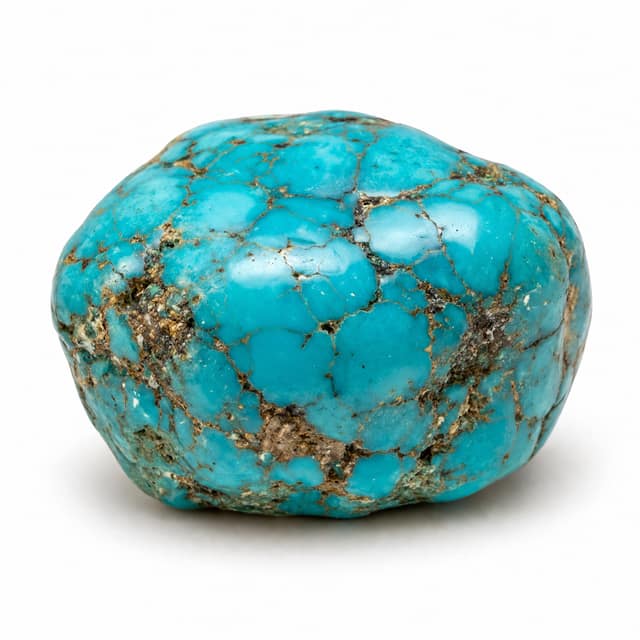
Turquoise has been used for ornament and status objects for millennia, yet its appeal remains straightforward: an unmistakable blue-to-green body colour, often paired with matrix patterns that make each piece visually individual.
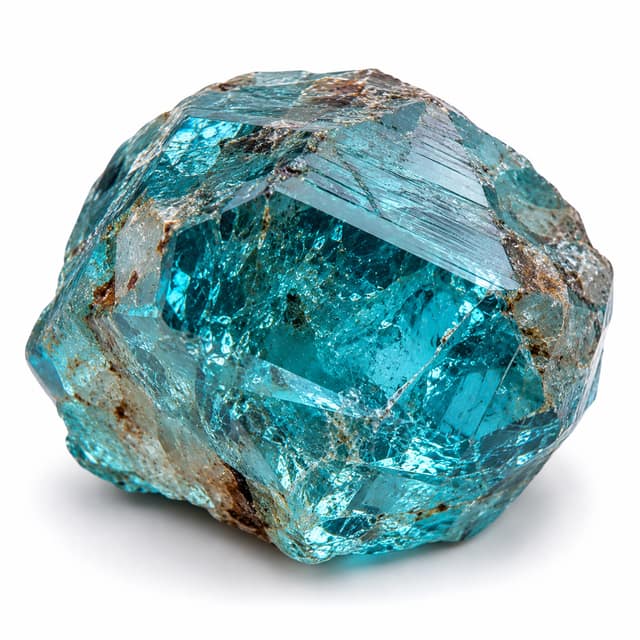
Zircon is a natural zirconium silicate gemstone known for high dispersion and brilliance.
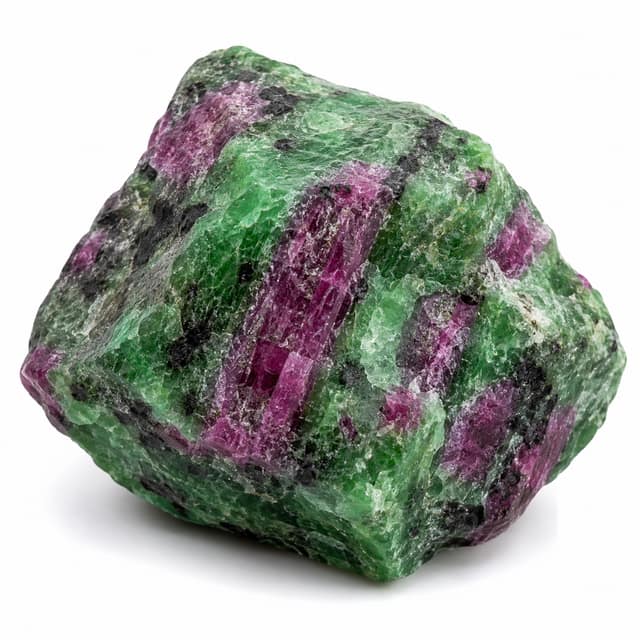
Zoisite is an orthorhombic sorosilicate species encompassing several gem varieties.