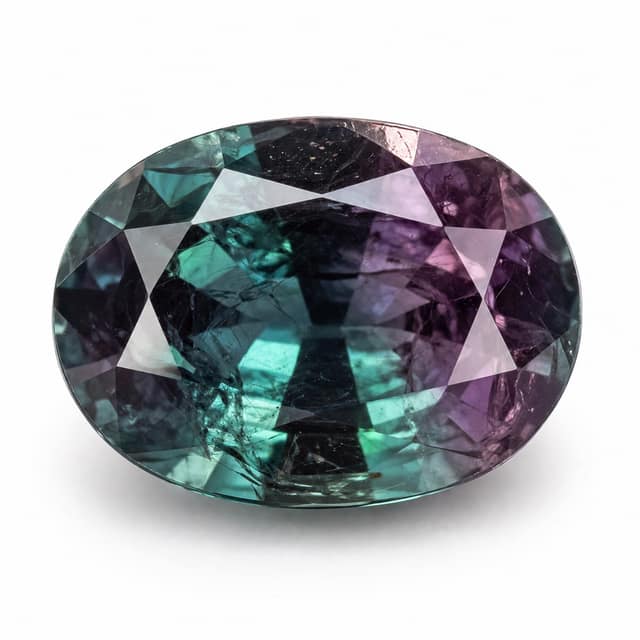
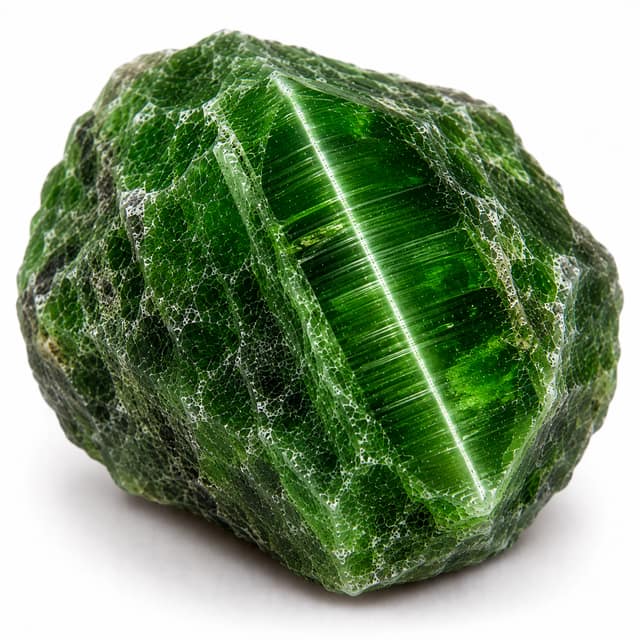
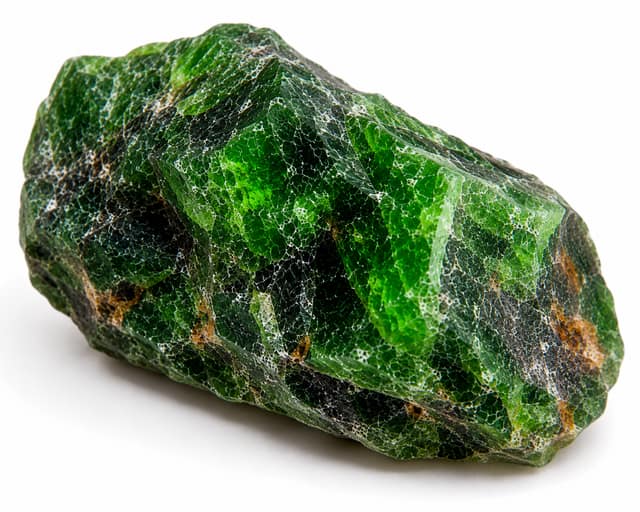
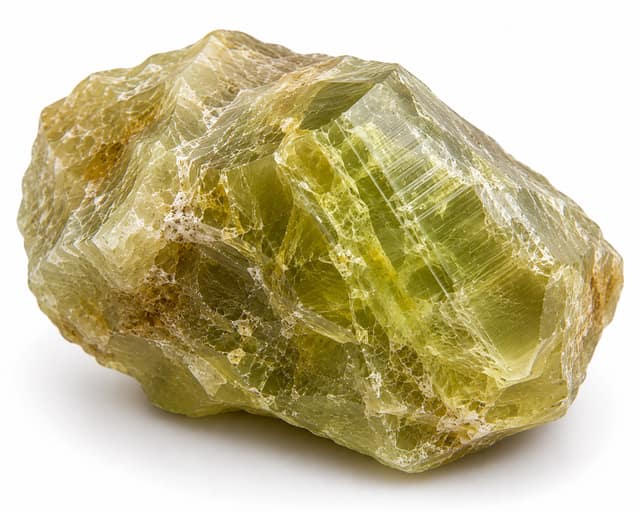
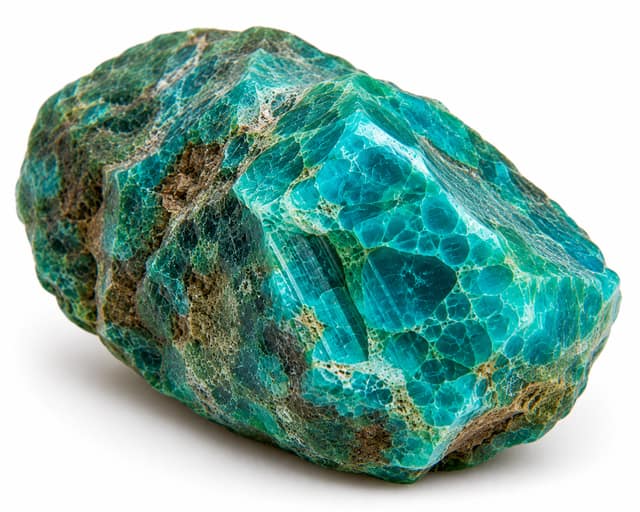
Alexandrite is the colour-change variety of chrysoberyl, typically shifting from green to bluish green in daylight to red to purplish red under incandescent light. Commercial alexandrite is sourced mainly from Brazil, Sri Lanka, and East Africa, with the Russian Urals important historically.
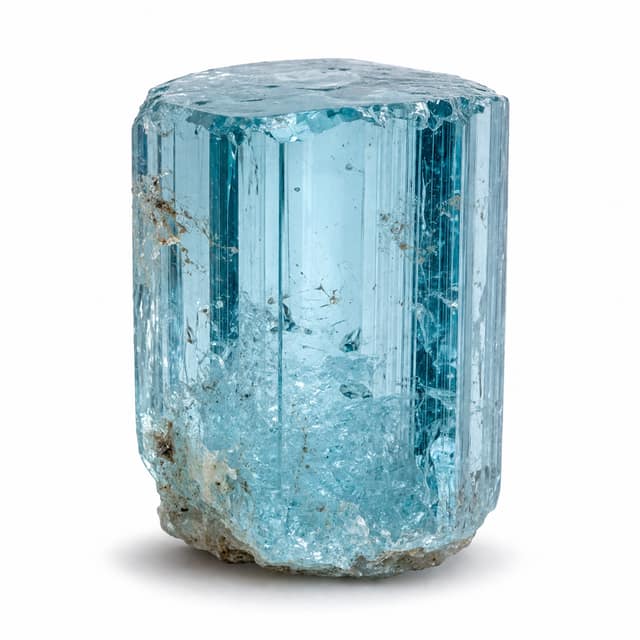
Aquamarine is appreciated for clarity and calm blue colour more than spectacle. Well-cut stones often look almost water-clear at first glance, with the blue becoming more apparent as light travels through the body of the gem.
Beryl is often discussed with one eye on colour and the other on where the material comes from. That combination of blue body colour, 7.5 Mohs hardness, and vitreous lustre is what usually makes it recognisable in practice. The secondary green note often matters more than people expect when separating it from lookalikes.
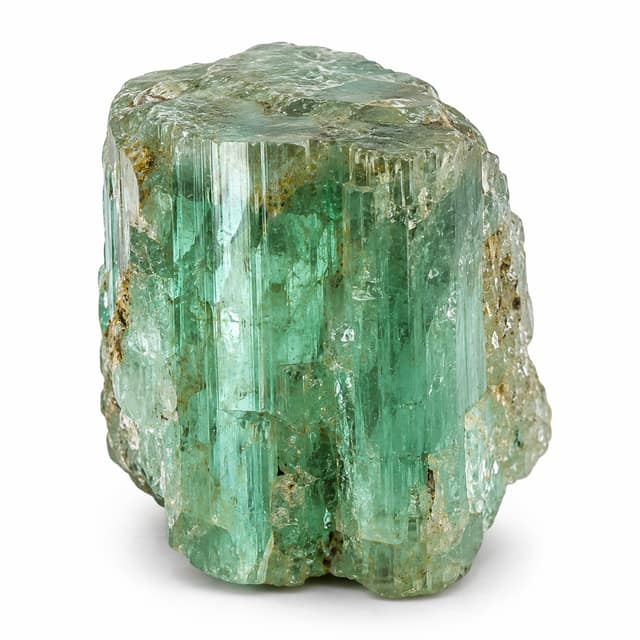
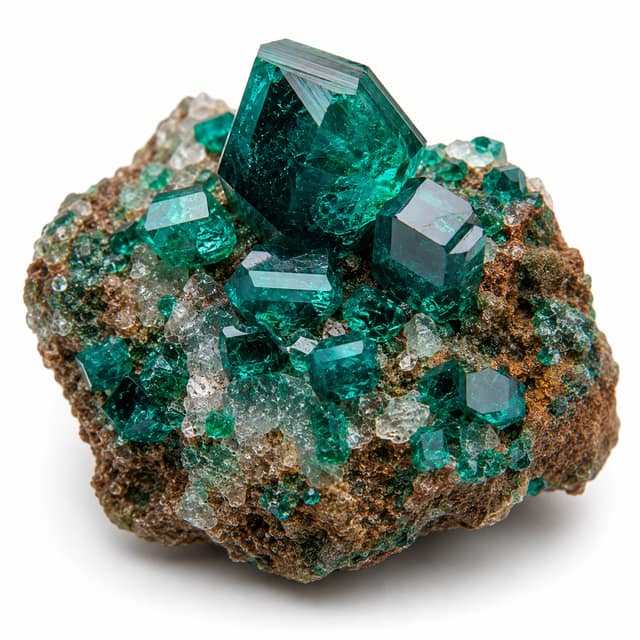
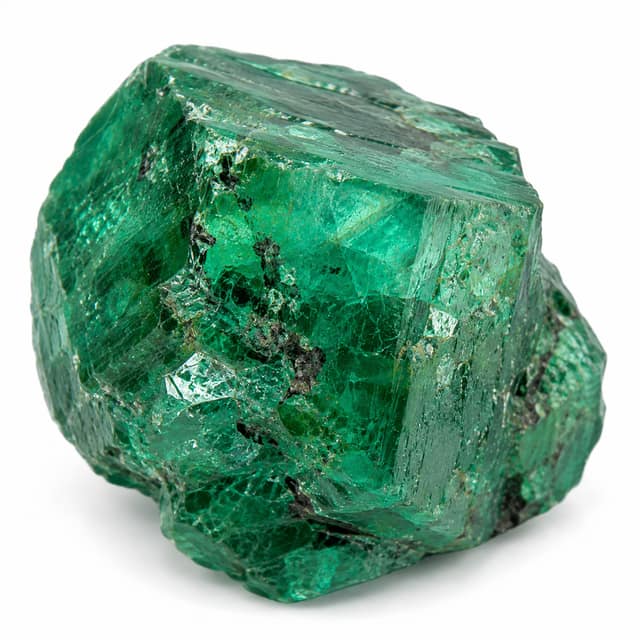
Emerald stands apart from other green gems because colour carries more weight than absolute clarity. Even stones with visible inclusions can be highly regarded when the green is vivid, lively, and unmistakably within the emerald range.
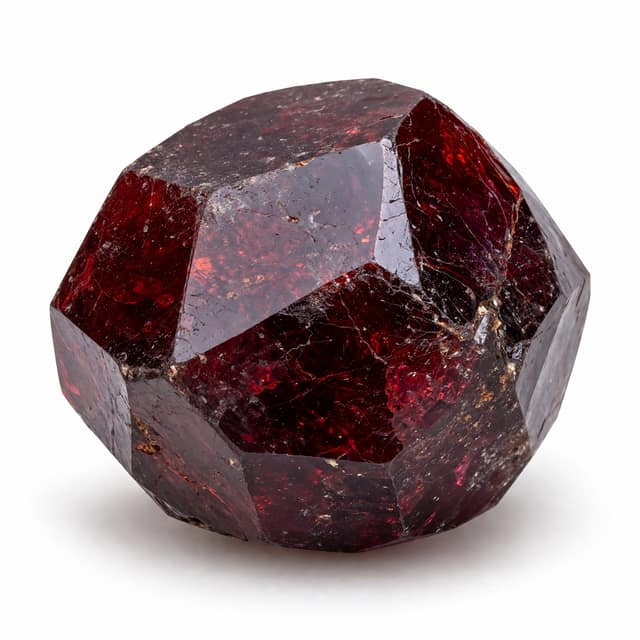
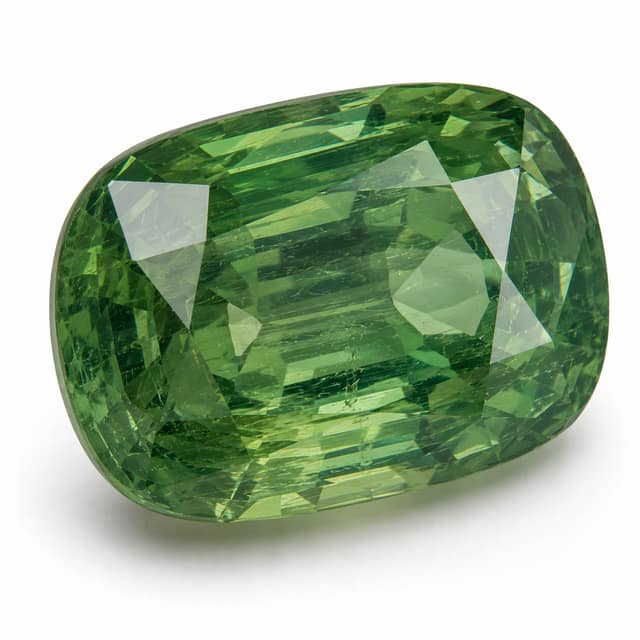
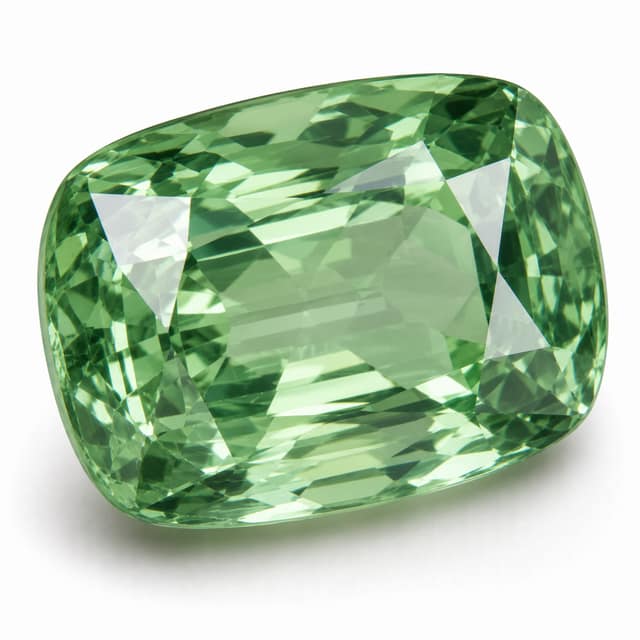
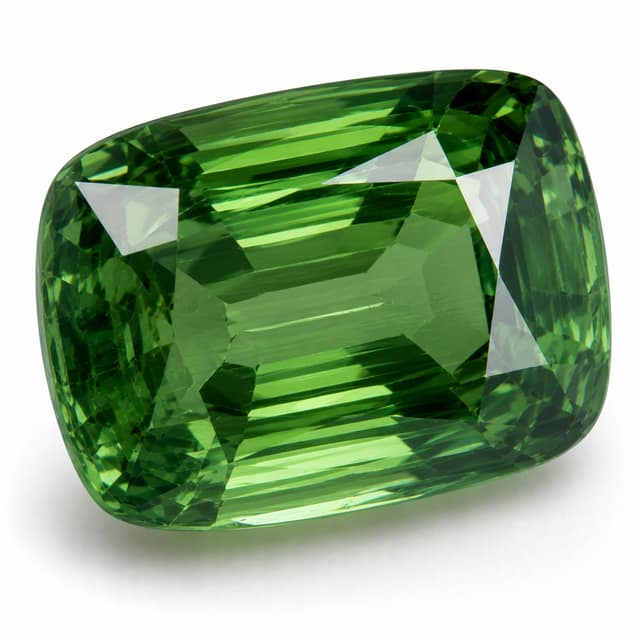
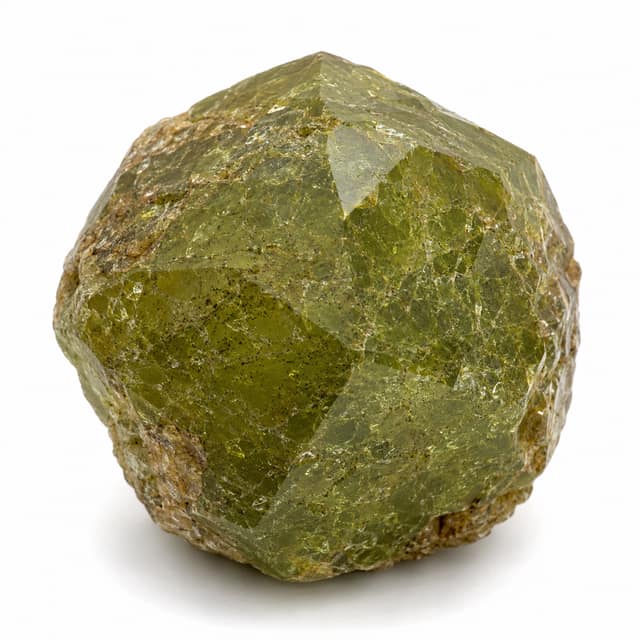
Garnet is often discussed with one eye on colour and the other on where the material comes from. Collectors and lapidaries comparing similar stones often come to it for different reasons, but identification still comes back to green body colour, 6.5 Mohs hardness, and vitreous lustre. The secondary burgundy note often matters more than people expect when separating it from lookalikes.
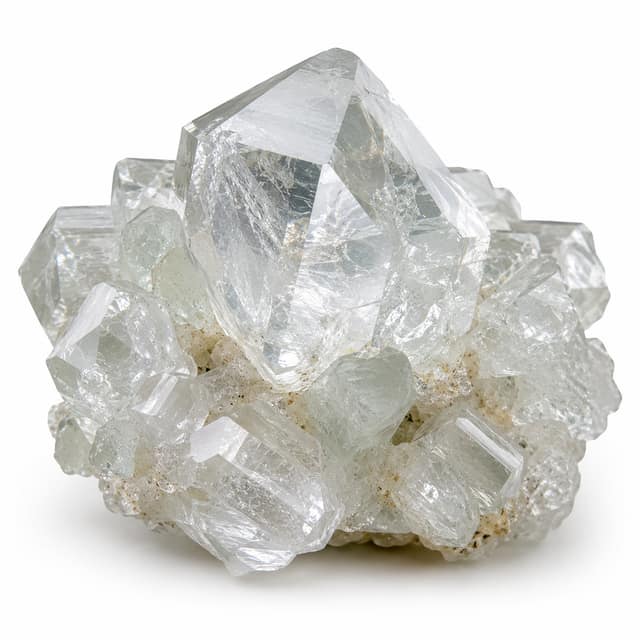
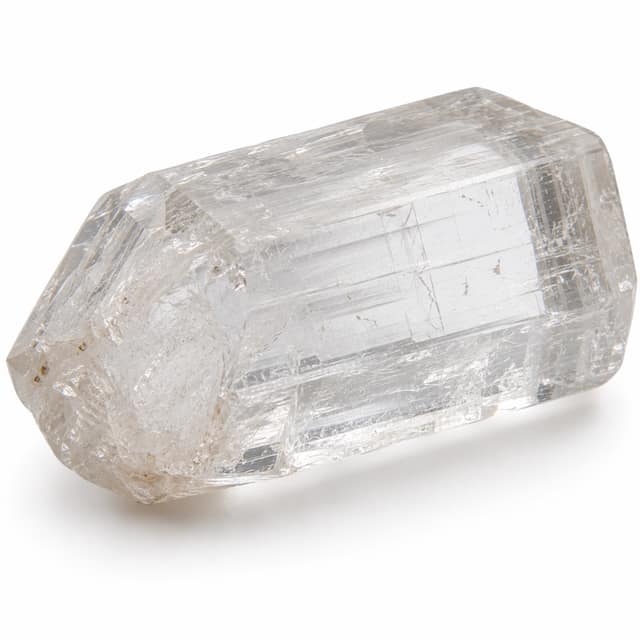
Goshenite is often discussed with one eye on colour and the other on where the material comes from. That combination of blue body colour, 7.5 Mohs hardness, and vitreous lustre is what usually makes it recognisable in practice. The secondary green note often matters more than people expect when separating it from lookalikes.
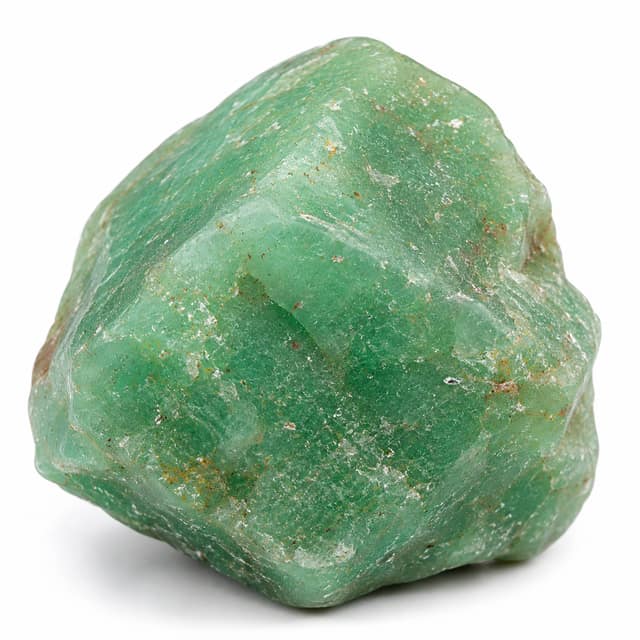
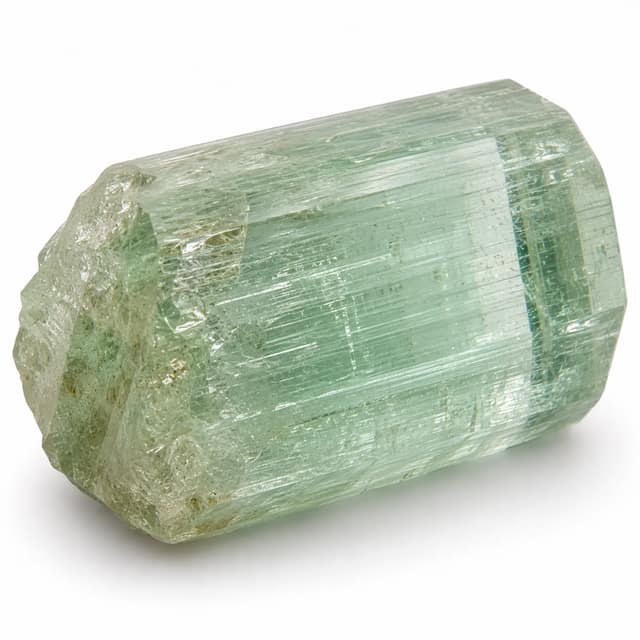
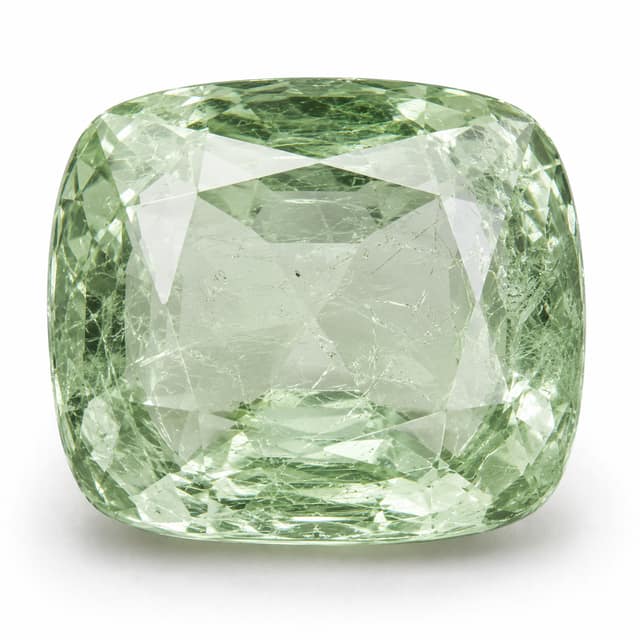
Locality plays an important role in how Green Beryl is understood in the gem trade. That combination of green body colour, 7.5 Mohs hardness, and vitreous lustre is what usually makes it recognisable in practice.
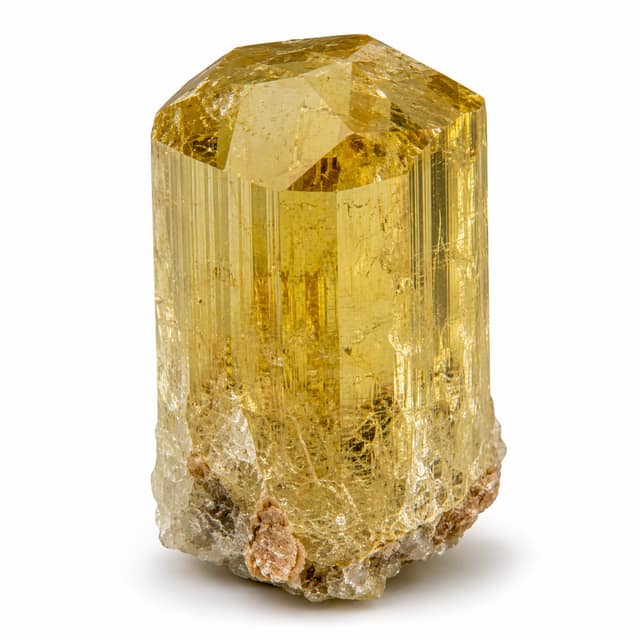
Durability is part of the appeal of Green Topaz, not merely a technical footnote. Jewellers who need dependable wear resistance often come to it for different reasons, but identification still comes back to green body colour, 8 Mohs hardness, and vitreous lustre.
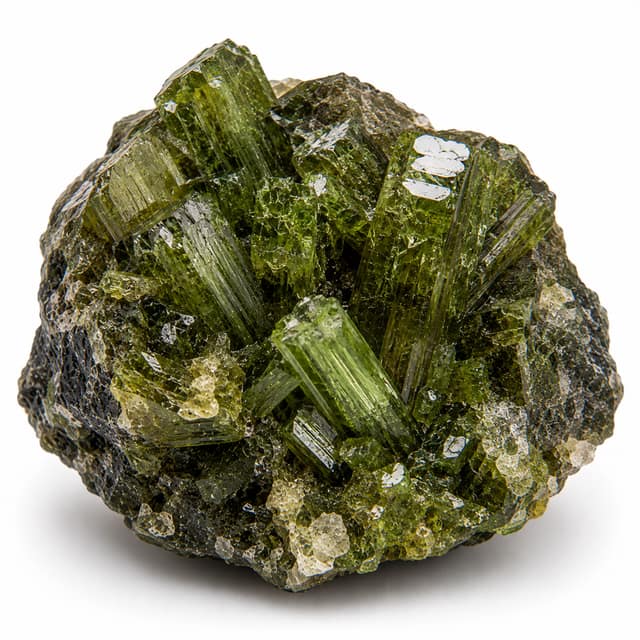
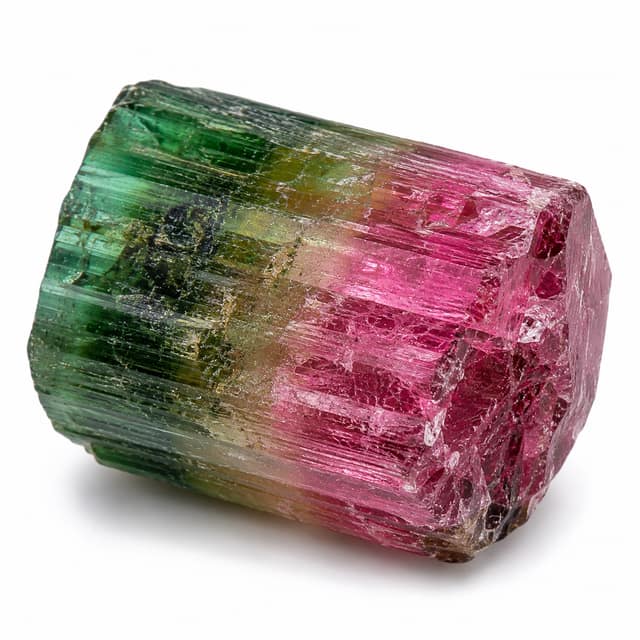
Green Tourmaline is often discussed with one eye on colour and the other on where the material comes from. That combination of green body colour, 7 Mohs hardness, and vitreous lustre is what usually makes it recognisable in practice.
Locality plays an important role in how Heliodor is understood in the gem trade. Collectors and lapidaries comparing similar stones often come to it for different reasons, but identification still comes back to blue body colour, 7.5 Mohs hardness, and vitreous lustre. The secondary green note often matters more than people expect when separating it from lookalikes.
Part of the identity of Indicolite comes from the producing regions associated with it. That combination of green body colour, 7 Mohs hardness, and vitreous lustre is what usually makes it recognisable in practice. The secondary pink note often matters more than people expect when separating it from lookalikes.
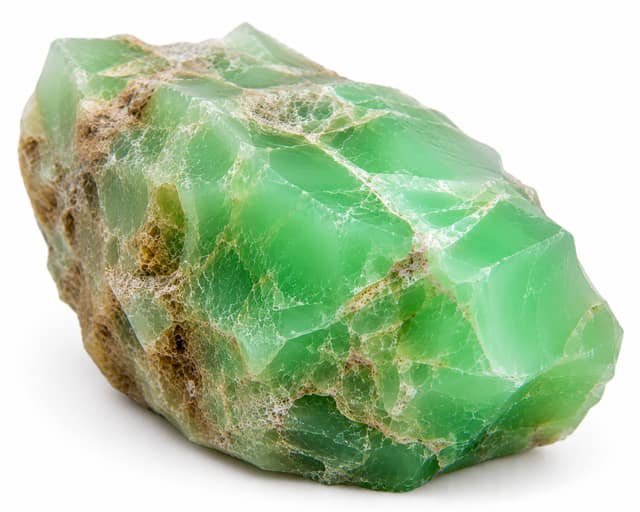
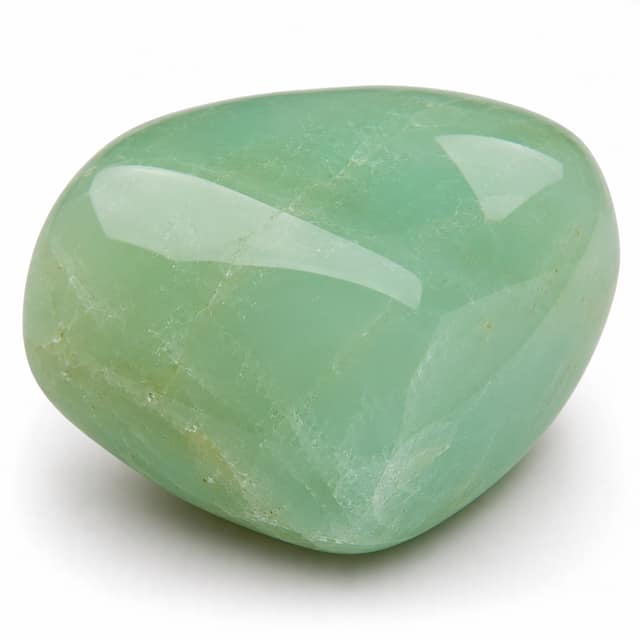
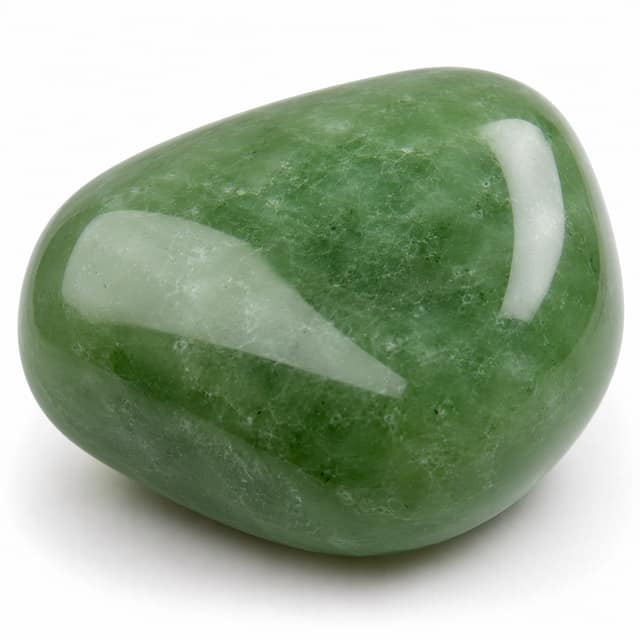
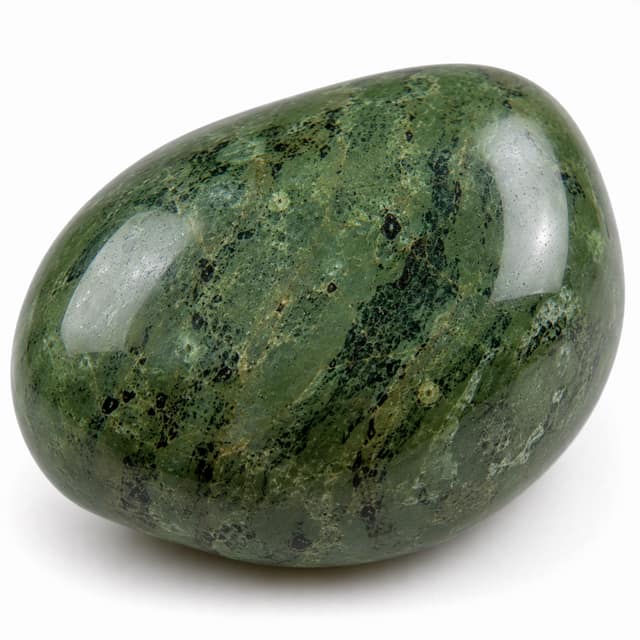
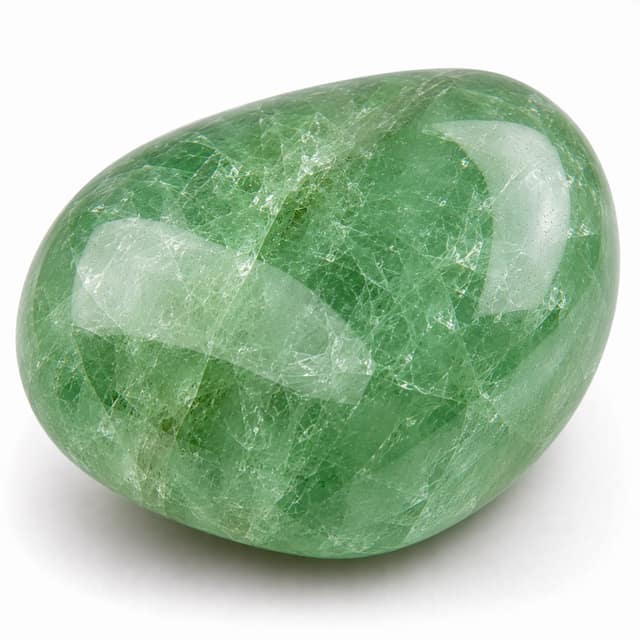
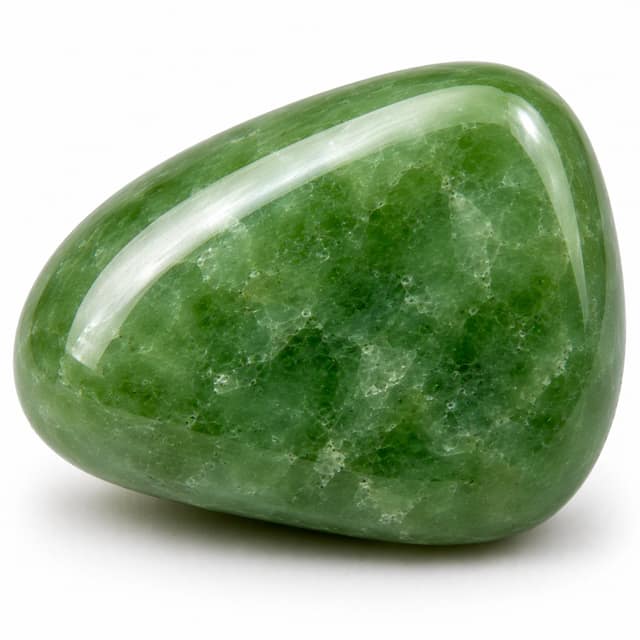
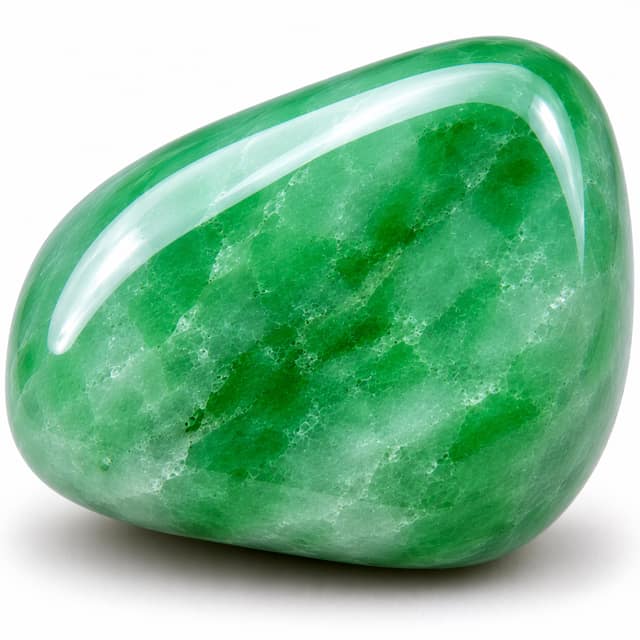
Jade is valued as much for texture and toughness as for colour. A fine piece has a compact, almost glowing appearance that feels different from ordinary green ornamental stone, which is one reason jade has held cultural importance for so many centuries.
Part of the identity of Jadeite comes from the producing regions associated with it. That combination of green body colour, 6.5 Mohs hardness, and silky lustre is what usually makes it recognisable in practice. The secondary white note often matters more than people expect when separating it from lookalikes.
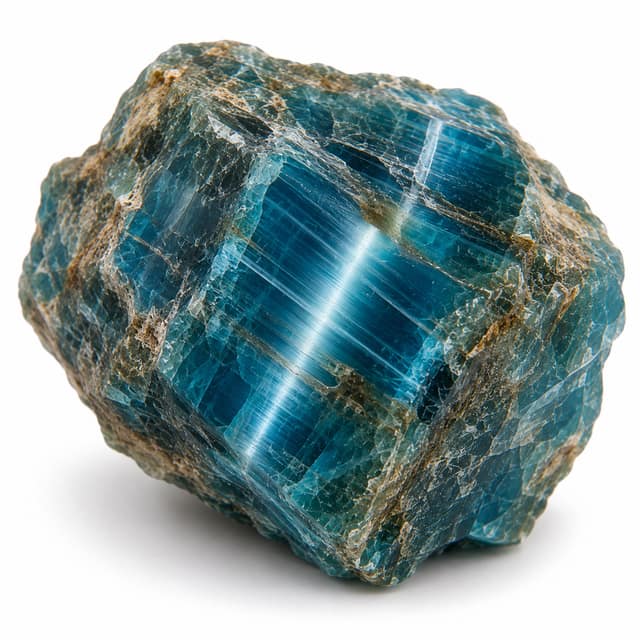
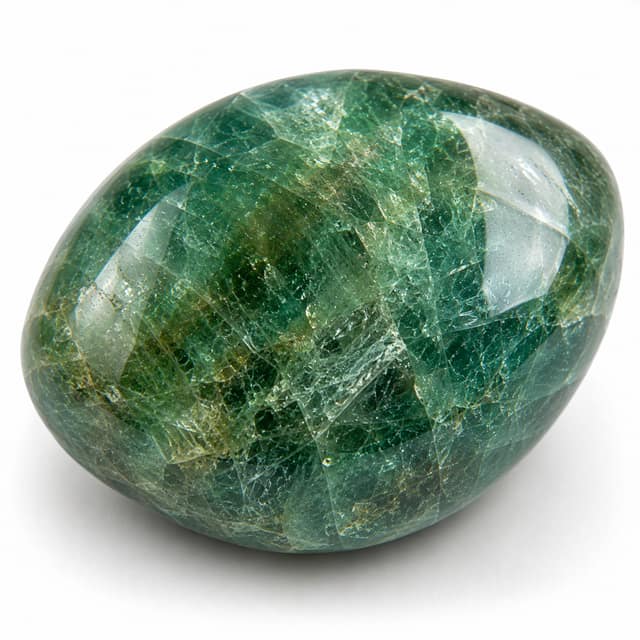
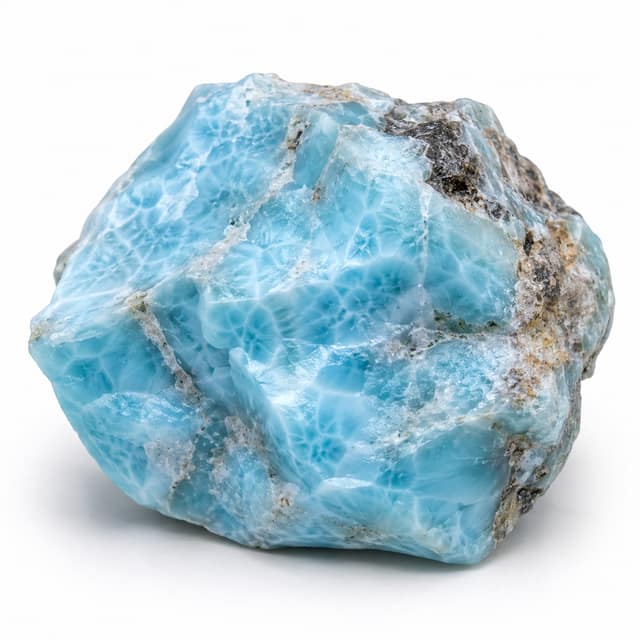
The character of Larimar comes through in its aqua, blue, cyan / blue-green, green, and brown colour and the way that colour interacts with a silicate structure. That combination of aqua body colour, 6.5 Mohs hardness, and vitreous lustre is what usually makes it recognisable in practice. The secondary blue note often matters more than people expect when separating it from lookalikes.
Locality plays an important role in how Maxixe is understood in the gem trade. Collectors and lapidaries comparing similar stones often come to it for different reasons, but identification still comes back to blue body colour, 7.5 Mohs hardness, and vitreous lustre. The secondary green note often matters more than people expect when separating it from lookalikes.
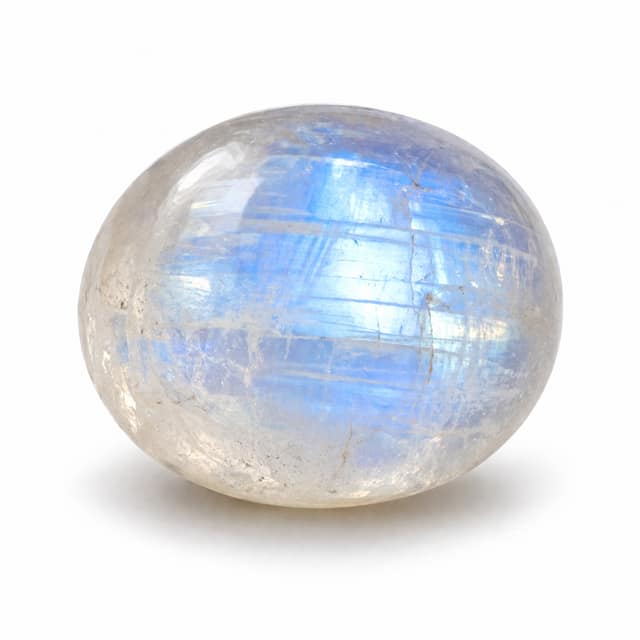
Moonstone is recognised by light that seems to float just beneath the surface. That soft billowing glow gives even simple cabochons an internal life that is very different from the brilliance expected in faceted transparent gems.
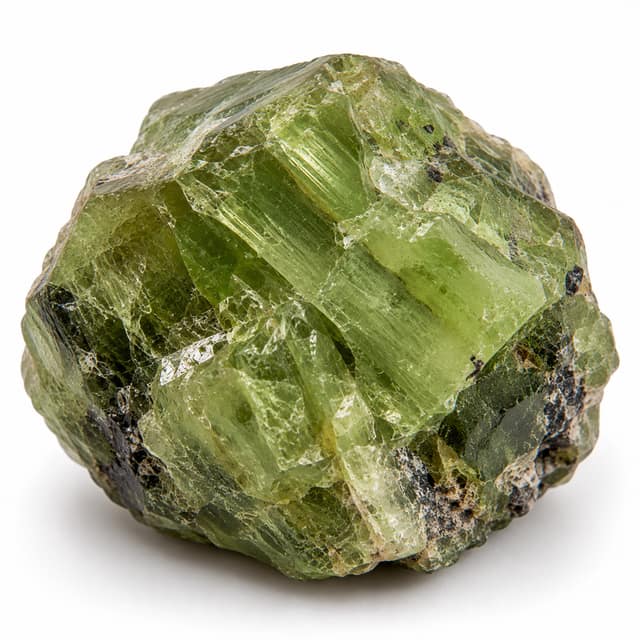
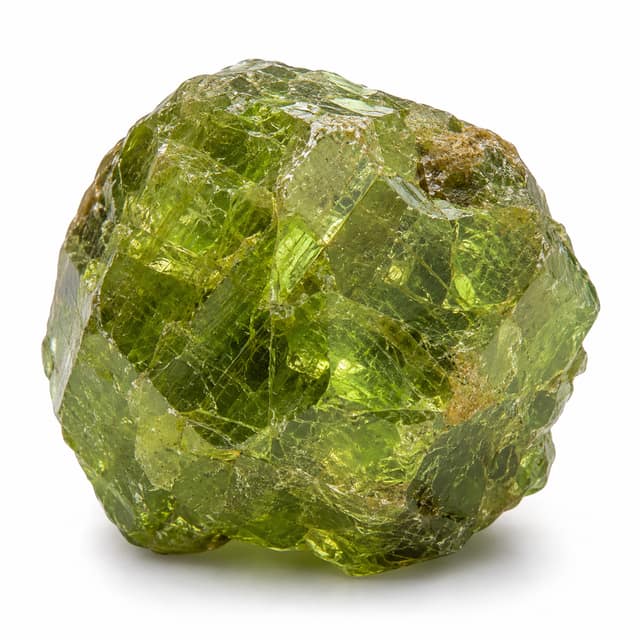
Peridot is easiest to understand by starting with green and brown colour. That combination of green body colour, 6.5 Mohs hardness, and vitreous lustre is what usually makes it recognisable in practice. The secondary brown note often matters more than people expect when separating it from lookalikes.
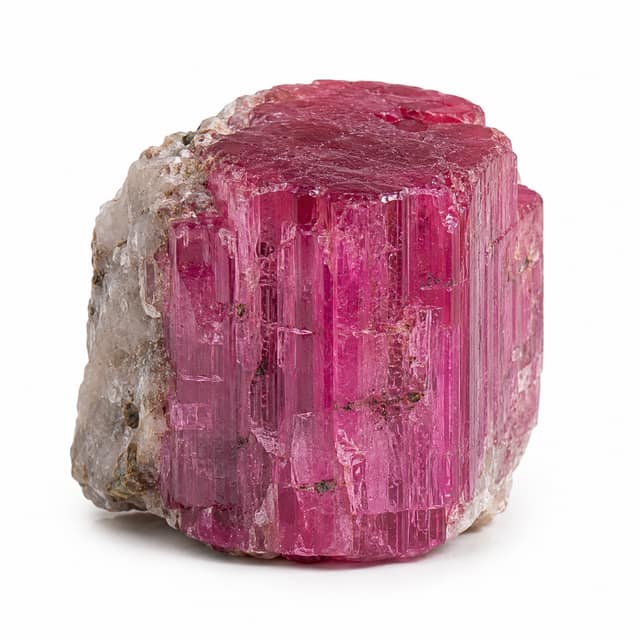
Part of the identity of Rubellite comes from the producing regions associated with it. Collectors and lapidaries comparing similar stones often come to it for different reasons, but identification still comes back to green body colour, 7 Mohs hardness, and vitreous lustre. The secondary pink note often matters more than people expect when separating it from lookalikes.
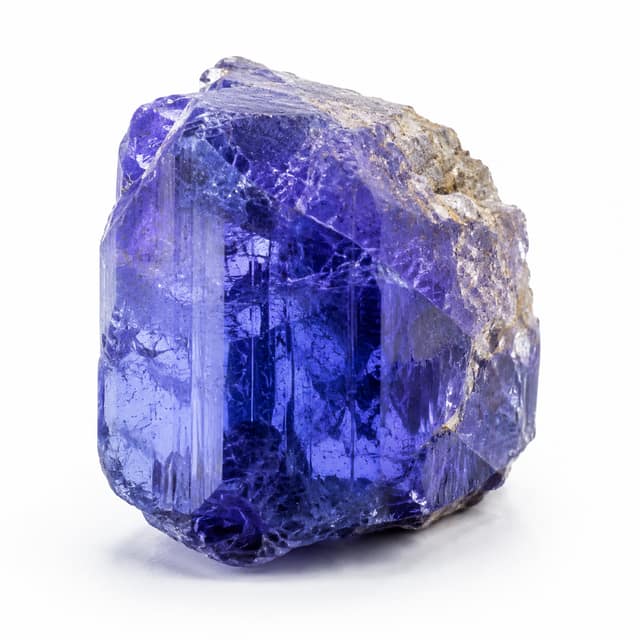
Tanzanite is one of the few gemstones whose identity is closely tied to a single modern locality. Its blue-to-violet colour and pleochroic character give it an instantly contemporary profile among transparent jewellery stones.
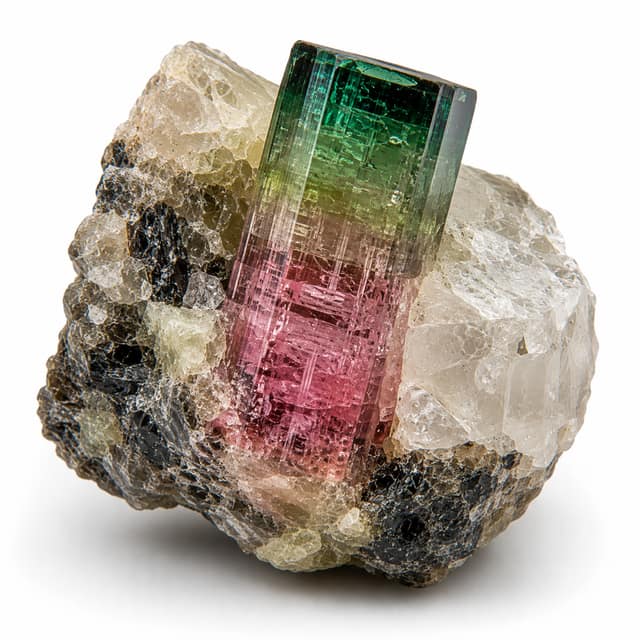
Locality plays an important role in how Tourmaline is understood in the gem trade. That combination of green body colour, 7 Mohs hardness, and vitreous lustre is what usually makes it recognisable in practice. The secondary pink note often matters more than people expect when separating it from lookalikes.
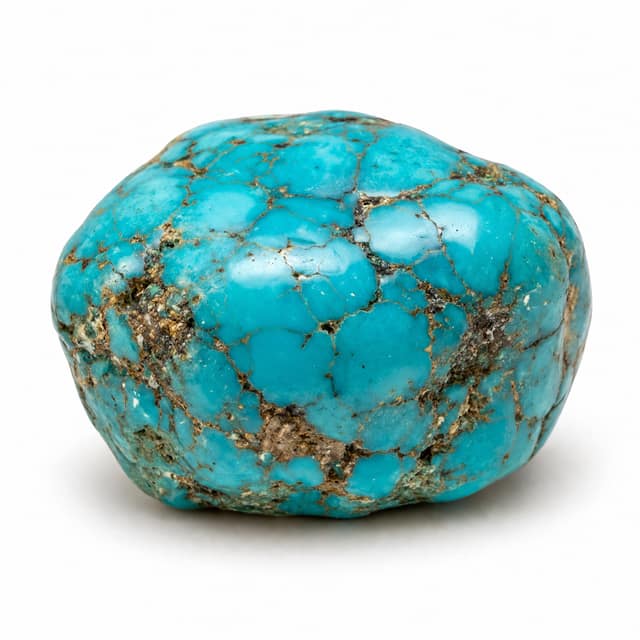
Turquoise has been used for ornament and status objects for millennia, yet its appeal remains straightforward: an unmistakable blue-to-green body colour, often paired with matrix patterns that make each piece visually individual.