

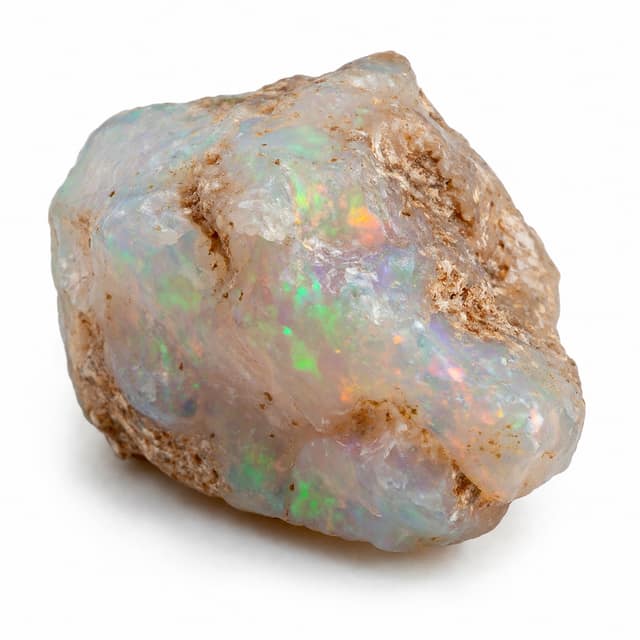
Aegean Opal
Aegean opal is a trade-name opal category and should be handled as opal mineraloid material with seller-specific locality disclosure.
Hardness focus
Compare durability and finishing options for gemstones in this hardness range.
Aegean opal is a trade-name opal category and should be handled as opal mineraloid material with seller-specific locality disclosure.
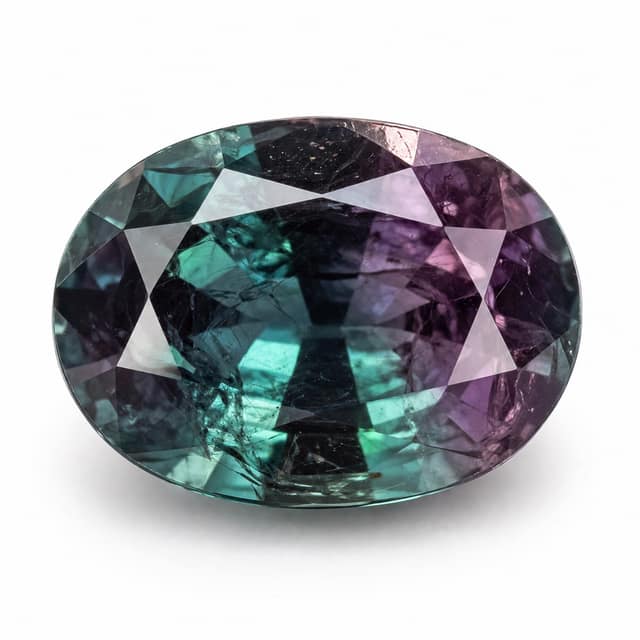
Alexandrite is the colour-change variety of chrysoberyl, typically shifting from green to bluish green in daylight to red to purplish red under incandescent light. Commercial alexandrite is sourced mainly from Brazil, Sri Lanka, and East Africa, with the Russian Urals important historically.
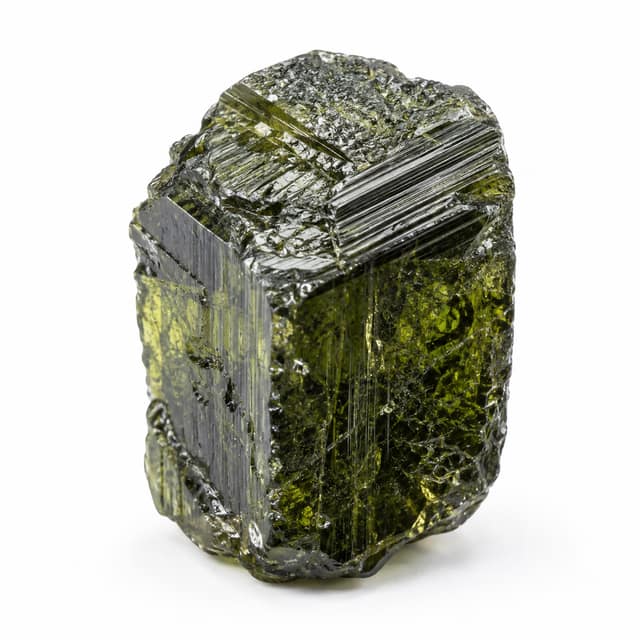
Allanite is a rare-earth-bearing member of the epidote group with limited use as a gemstone and strong collector value.
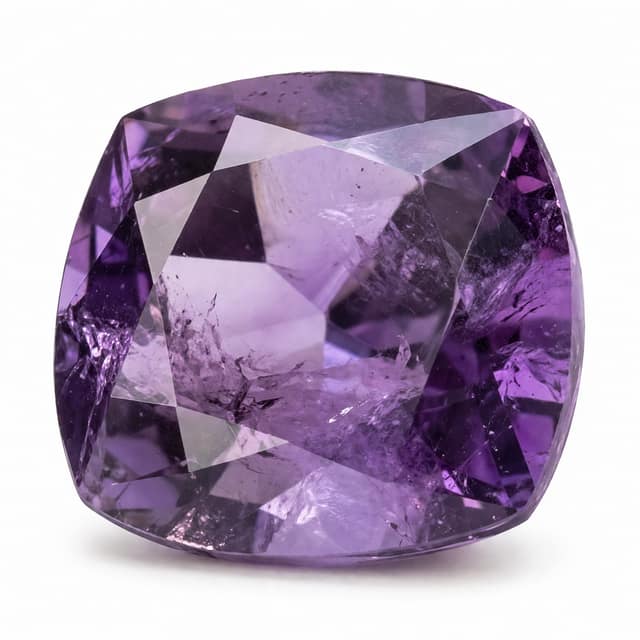
Violet quartz earns its place in both jewellery and mineral collections through colour rather than rarity. The appeal of amethyst lies in how evenly or intensely that purple is distributed, from pale lilac material to richly saturated stones cut for statement pieces.
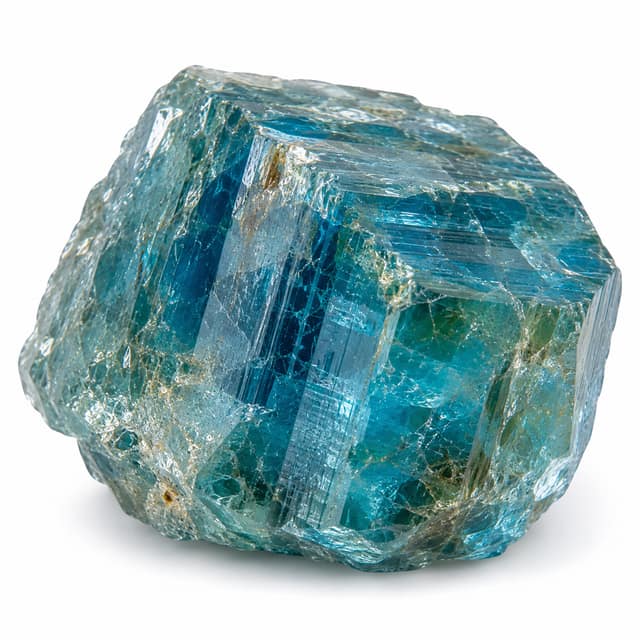
Apatite is a calcium phosphate mineral group used as a collector and jewellery gemstone in multiple colours.
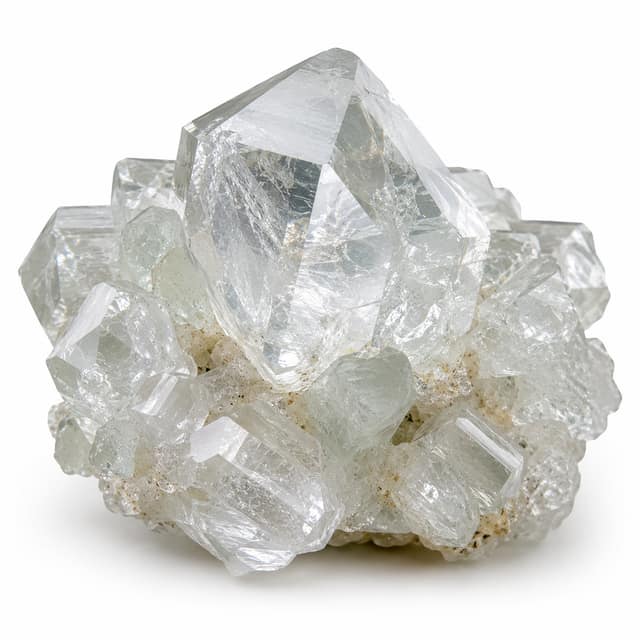
Apophyllite is a hydrated silicate mineral group known primarily as collector crystal material and occasional faceted gem.
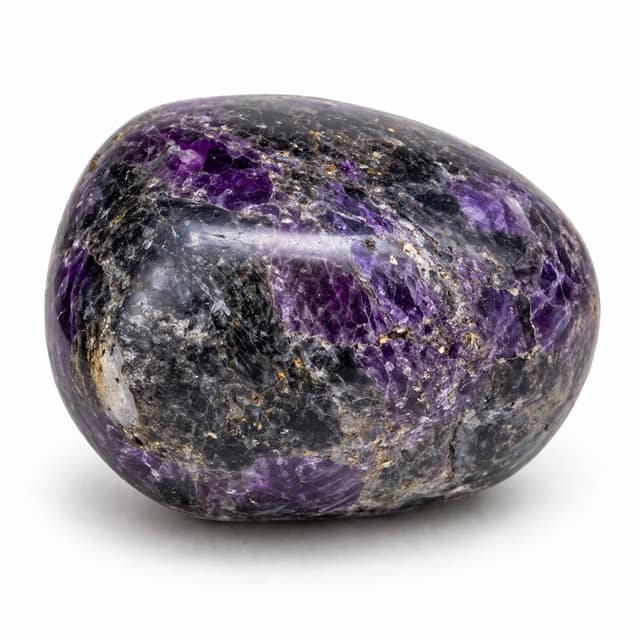
Astro stone is a trade descriptor for decorative composite material rather than a recognized mineral species.
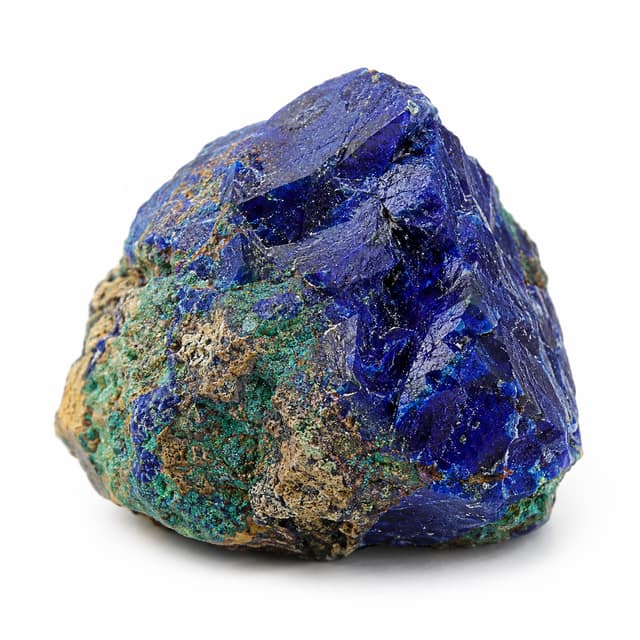
Azurite is a deep blue copper carbonate mineral, often associated with malachite in oxidized copper deposits.
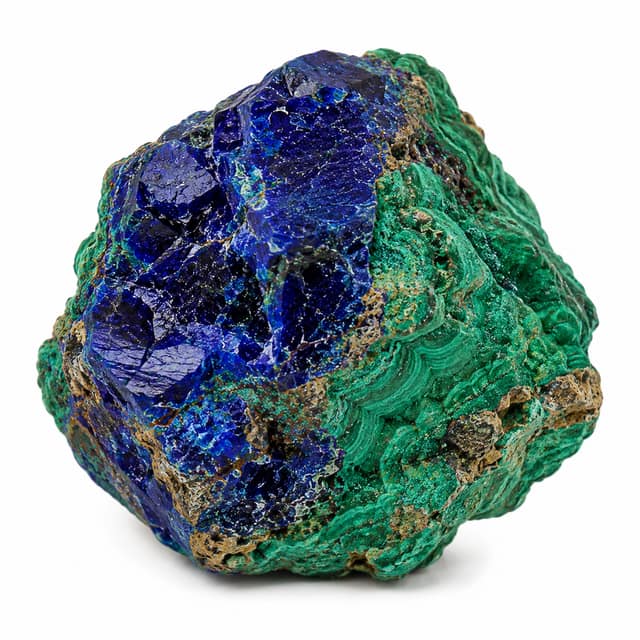
Azurite-malachite is a natural intergrowth of two copper carbonates used as an ornamental gemstone material.
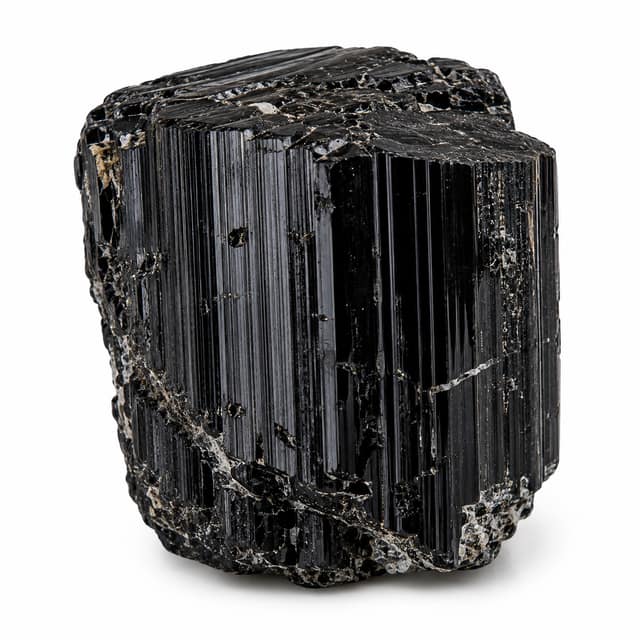
Black Tourmaline is often discussed with one eye on colour and the other on where the material comes from. That combination of black body colour, 7 Mohs hardness, and vitreous lustre is what usually makes it recognisable in practice.
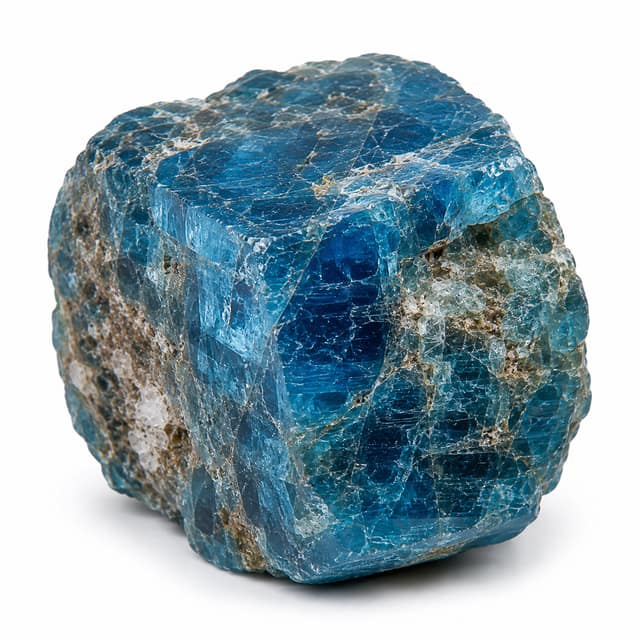
Blue apatite is a blue-colored member of the apatite group used as a collector and jewellery gemstone.
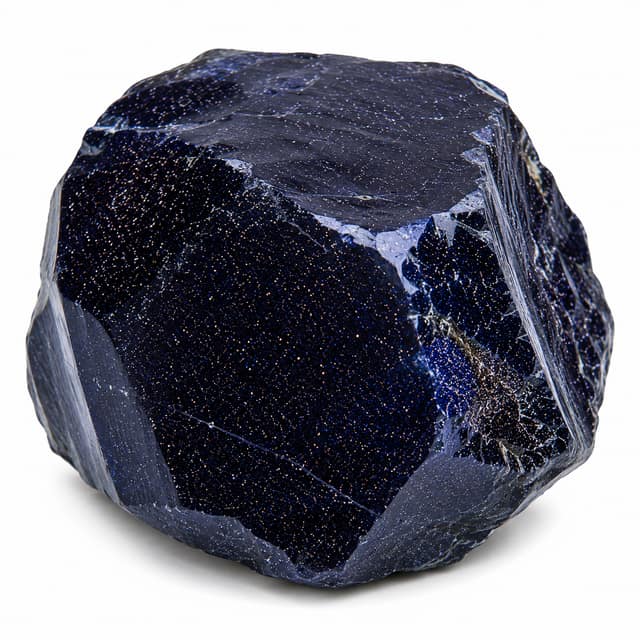
Blue goldstone is a man-made glitter glass used as an ornamental jewellery material.
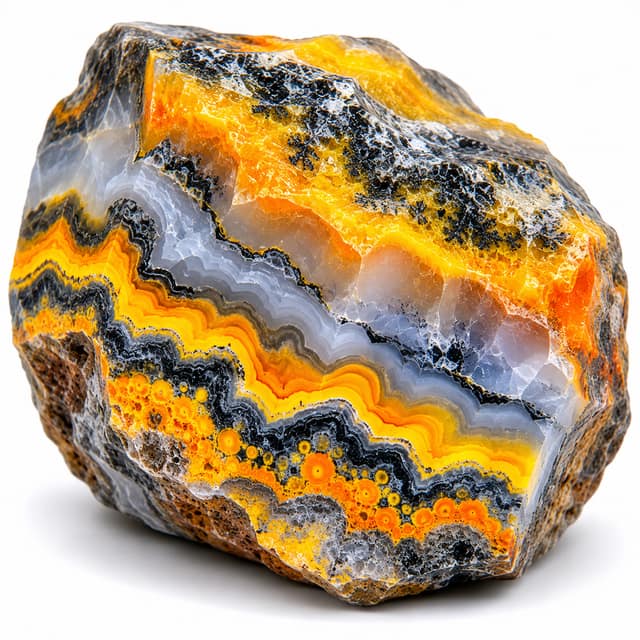
Bumblebee jasper is a trade name for a patterned volcanic-sedimentary composite material, not a true quartz jasper.
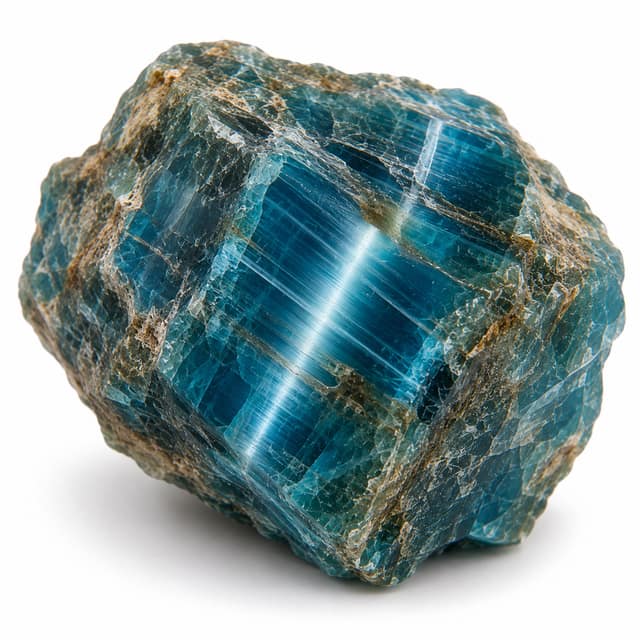
Cat's-eye apatite is a chatoyant apatite variety cut as cabochon to display a moving light band.
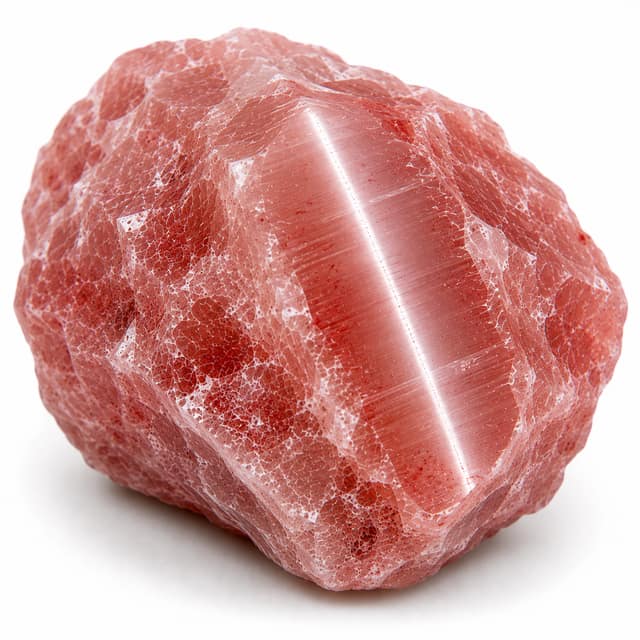
Cherry quartz in commerce is commonly glass or treated quartz-like material sold as a decorative stone.
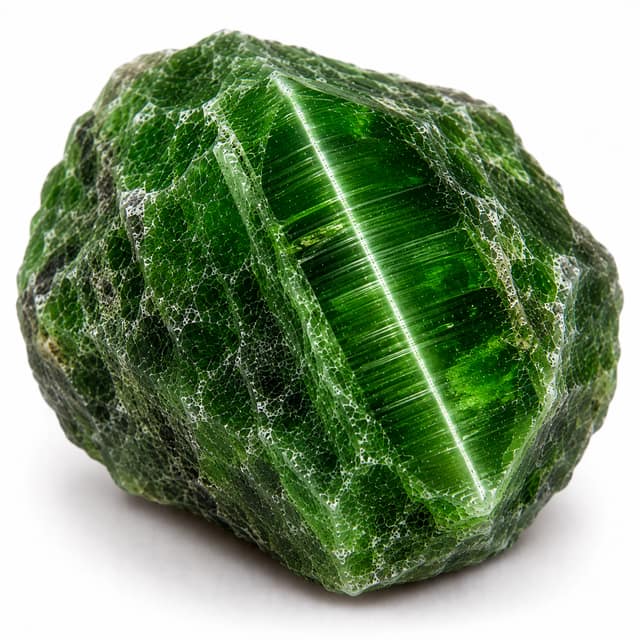
Chrome diopside is the vivid green chromium-bearing gem variety of diopside.
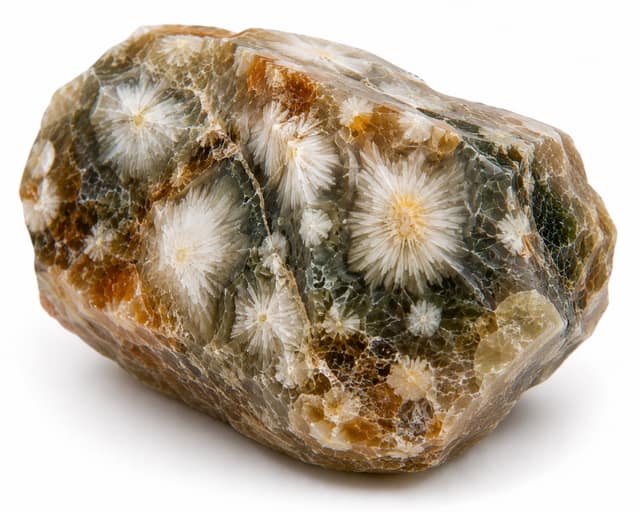
Chrysanthemum stone is a patterned ornamental rock with white radiating mineral growths in dark matrix.
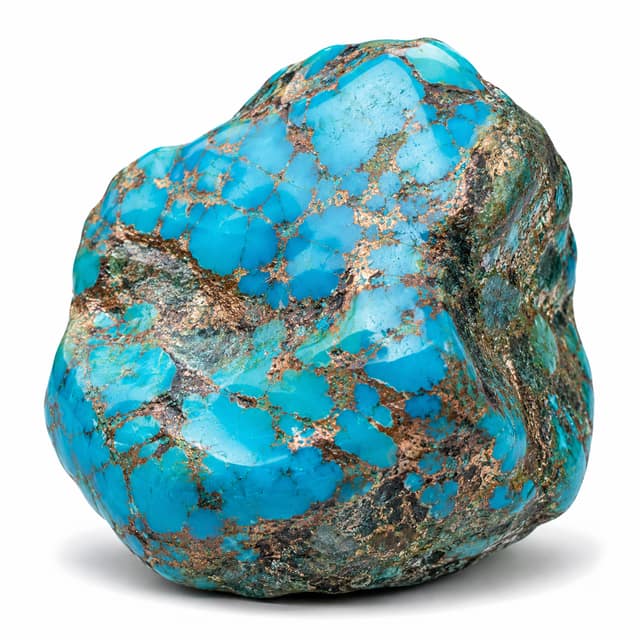
Copper turquoise is a trade material combining turquoise with metallic copper effect components, often stabilized or reconstructed.
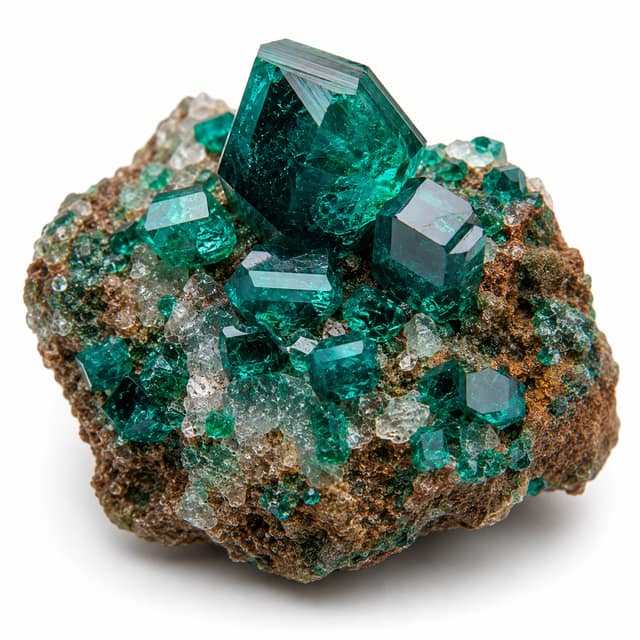
Dioptase is a bright green copper cyclosilicate mineral prized mainly as a collector crystal and occasional gem.
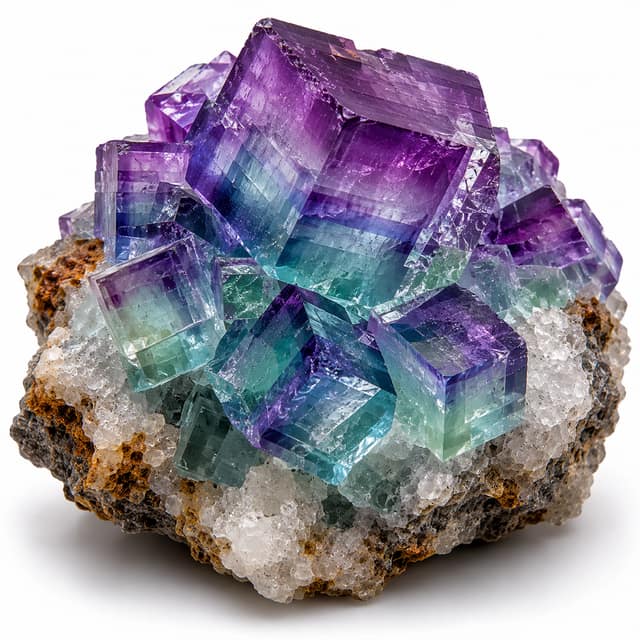
Fluorite is a calcium fluoride mineral known for wide colour variation, strong cleavage, and common fluorescence.
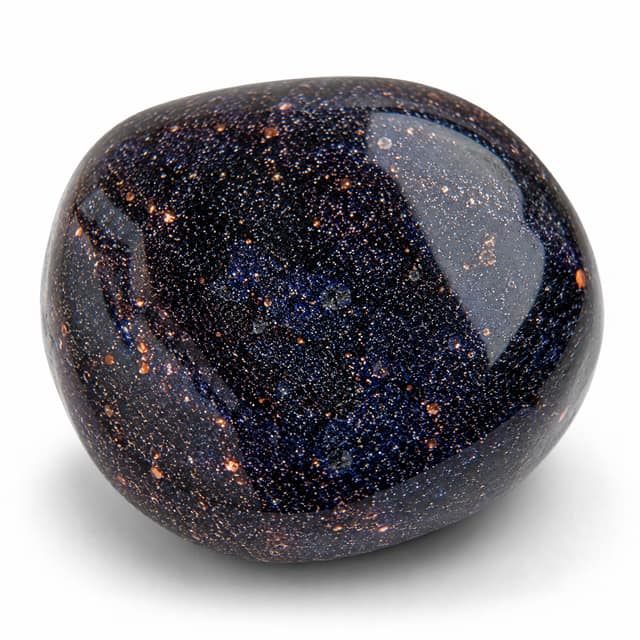
Galaxy stone is typically a decorative trade product rather than a mineral species designation.
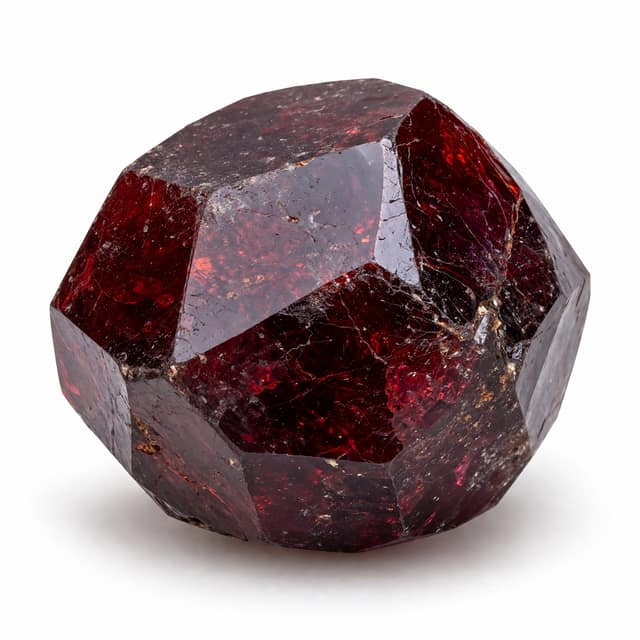
Garnet is often discussed with one eye on colour and the other on where the material comes from. Collectors and lapidaries comparing similar stones often come to it for different reasons, but identification still comes back to green body colour, 6.5 Mohs hardness, and vitreous lustre. The secondary burgundy note often matters more than people expect when separating it from lookalikes.
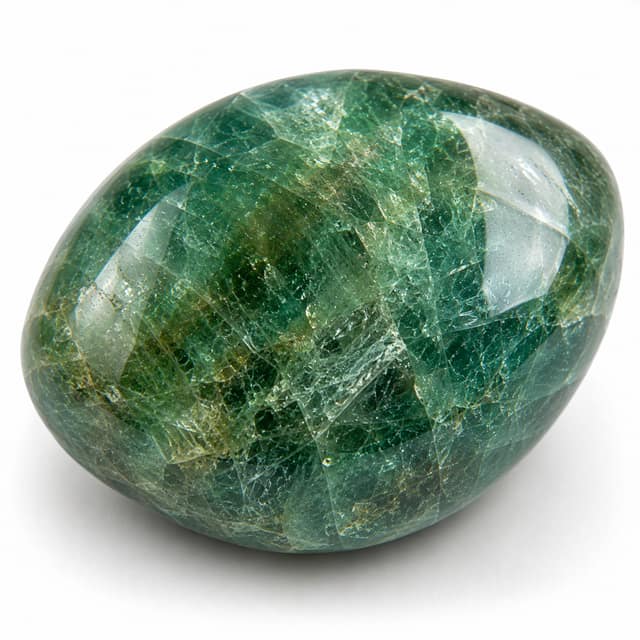
Green apatite is a calcium phosphate gemstone valued for vivid green hues and high brilliance.
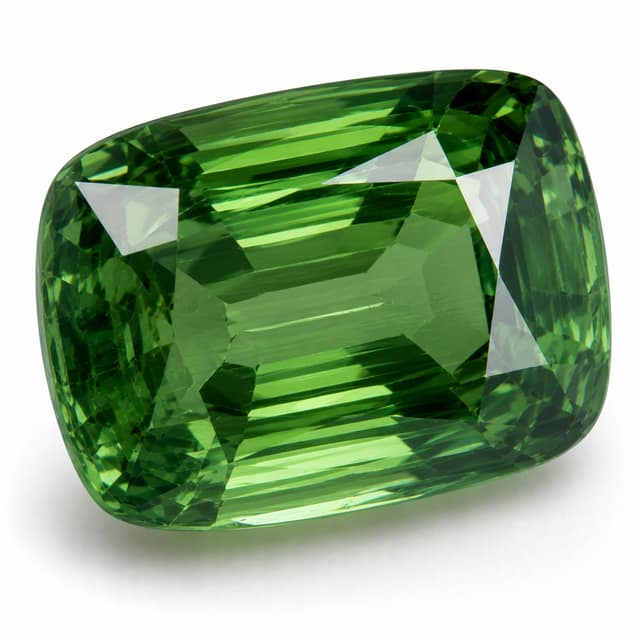
Green Tourmaline is often discussed with one eye on colour and the other on where the material comes from. That combination of green body colour, 7 Mohs hardness, and vitreous lustre is what usually makes it recognisable in practice.
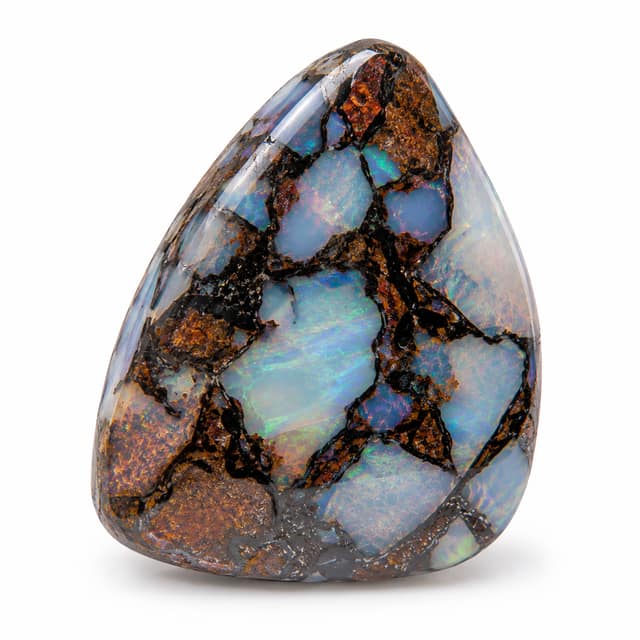
Harlequin opal is a trade pattern descriptor for precious opal with geometric, patchy color play.
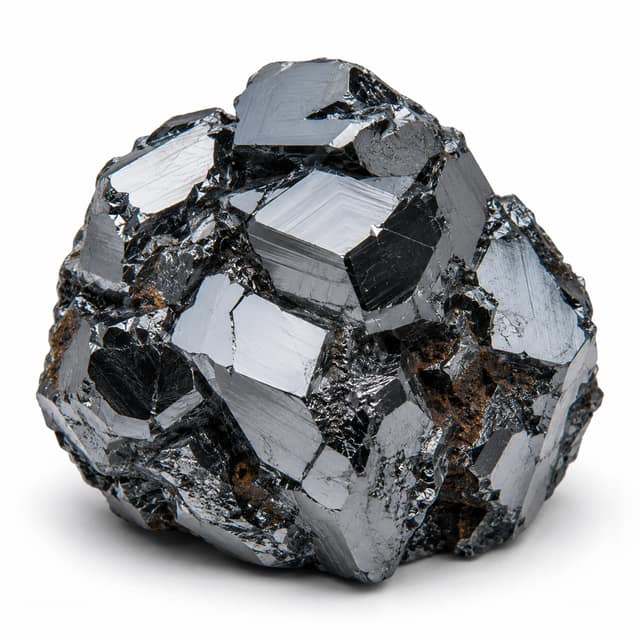
Hematite is an iron oxide mineral identified in gem use by metallic lustre and red-brown streak.
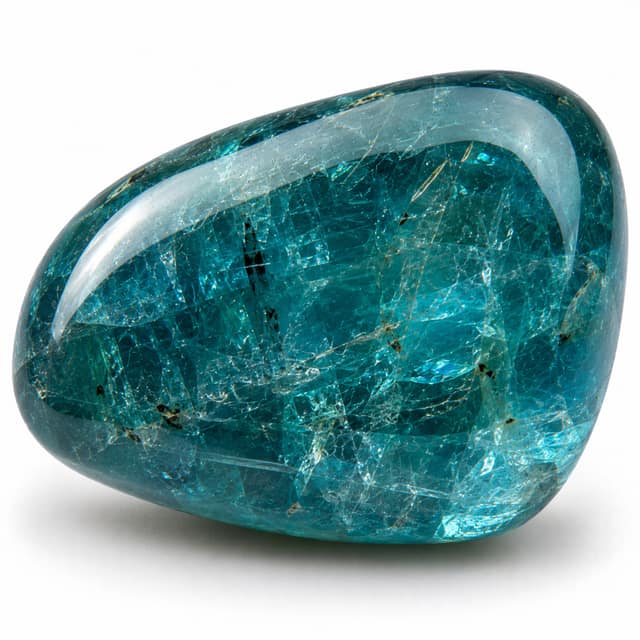
Part of the identity of Indicolite comes from the producing regions associated with it. That combination of green body colour, 7 Mohs hardness, and vitreous lustre is what usually makes it recognisable in practice. The secondary pink note often matters more than people expect when separating it from lookalikes.
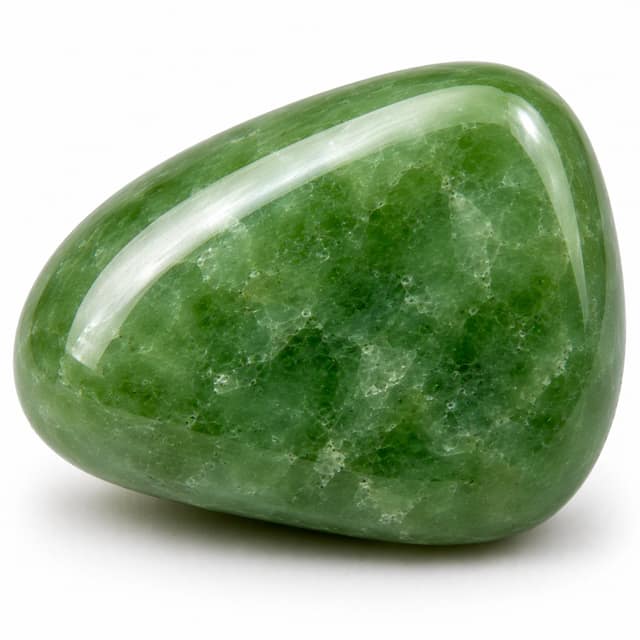
Jade is valued as much for texture and toughness as for colour. A fine piece has a compact, almost glowing appearance that feels different from ordinary green ornamental stone, which is one reason jade has held cultural importance for so many centuries.
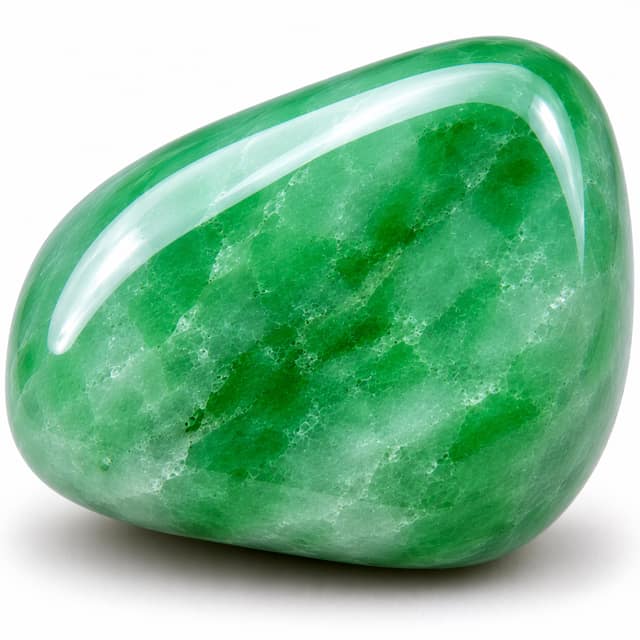
Part of the identity of Jadeite comes from the producing regions associated with it. That combination of green body colour, 6.5 Mohs hardness, and silky lustre is what usually makes it recognisable in practice. The secondary white note often matters more than people expect when separating it from lookalikes.
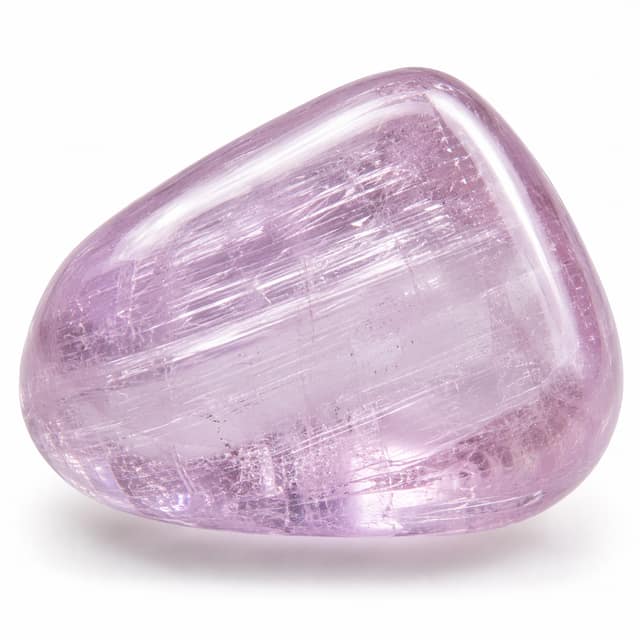
Kunzite profile is under factual gemological review. Properties shown here are provisional unless marked as verified.
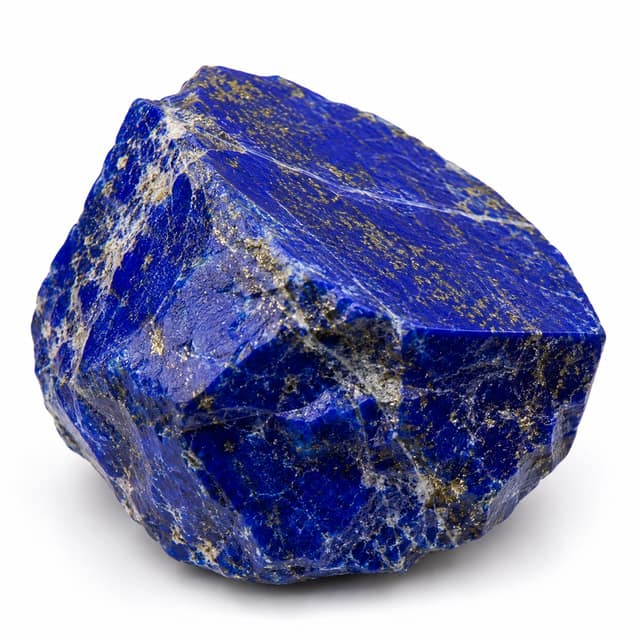
Lapis lazuli is a lazurite-rich metamorphic rock used as a gemstone and ornamental material.
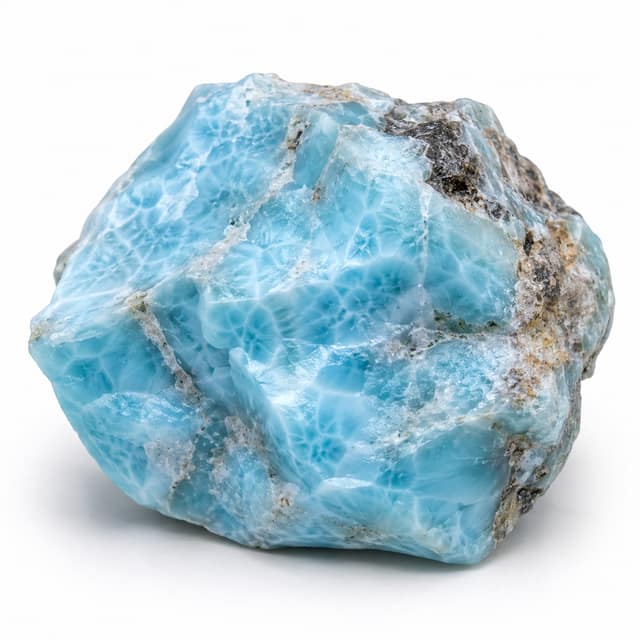
The character of Larimar comes through in its aqua, blue, cyan / blue-green, green, and brown colour and the way that colour interacts with a silicate structure. That combination of aqua body colour, 6.5 Mohs hardness, and vitreous lustre is what usually makes it recognisable in practice. The secondary blue note often matters more than people expect when separating it from lookalikes.

Lava stone is a porous volcanic basalt used as an ornamental bead and decorative material.
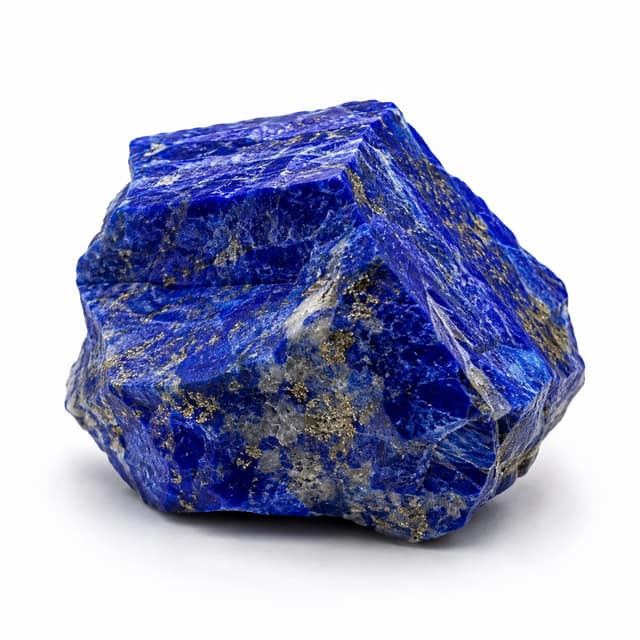
Lazurite is a blue feldspathoid mineral and the key color component in lapis lazuli.
Mahogany obsidian is an obsidian variety showing reddish-brown mottling from iron-rich inclusions.
Malachite is an opaque copper carbonate mineral recognized by vivid green banding.
Meteorite stone is a trade category for extraterrestrial material used in jewelry and collector pieces.
Mettle stone is handled as a trade-name decorative material requiring supplier-level composition disclosure.
Moldavite is a natural impact glass (tektite) formed during the Ries impact event and found in Central Europe.
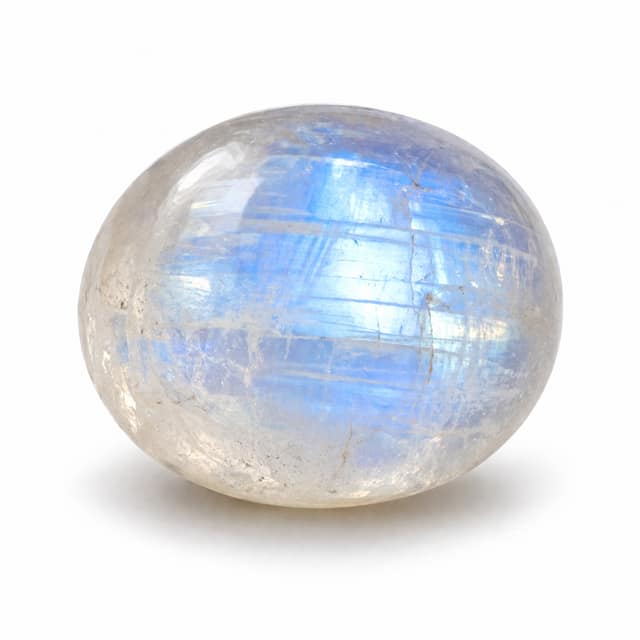
Moonstone is recognised by light that seems to float just beneath the surface. That soft billowing glow gives even simple cabochons an internal life that is very different from the brilliance expected in faceted transparent gems.
Nephrite profile is under factual gemological review. Properties shown here are provisional unless marked as verified.
Obsidian is a natural volcanic glass formed by rapid cooling of silica-rich lava.
Ocean reef is treated as a broad trade label for decorative patterned material.
Paraiba Tourmaline profile is under factual gemological review. Properties shown here are provisional unless marked as verified.
Peridot is easiest to understand by starting with green and brown colour. That combination of green body colour, 6.5 Mohs hardness, and vitreous lustre is what usually makes it recognisable in practice. The secondary brown note often matters more than people expect when separating it from lookalikes.
Phosphosiderite is a hydrated iron phosphate known for distinctive lilac to purple coloration.
Pinfire opal is a pattern descriptor for precious opal with fine pinpoint color flashes.
Pink apatite is a calcium phosphate gemstone variety valued for delicate to vivid pink color.
Locality plays an important role in how Pink Tourmaline is understood in the gem trade. Collectors and lapidaries comparing similar stones often come to it for different reasons, but identification still comes back to pink body colour, 7 Mohs hardness, and vitreous lustre.
Rhodochrosite is a manganese carbonate known for pink to red coloration and characteristic banding in many lapidary pieces.
Part of the identity of Rubellite comes from the producing regions associated with it. Collectors and lapidaries comparing similar stones often come to it for different reasons, but identification still comes back to green body colour, 7 Mohs hardness, and vitreous lustre. The secondary pink note often matters more than people expect when separating it from lookalikes.
Serpentine is a group of hydrated magnesium silicates used widely as ornamental stone.
Smithsonite is a zinc carbonate mineral used as a collector and ornamental gemstone material.
Snowflake obsidian is a patterned obsidian variety containing cristobalite spherulites.
Sodalite is a blue feldspathoid mineral commonly used as an opaque ornamental gemstone.
Sphalerite is a zinc sulfide mineral prized by collectors for exceptionally high fire.
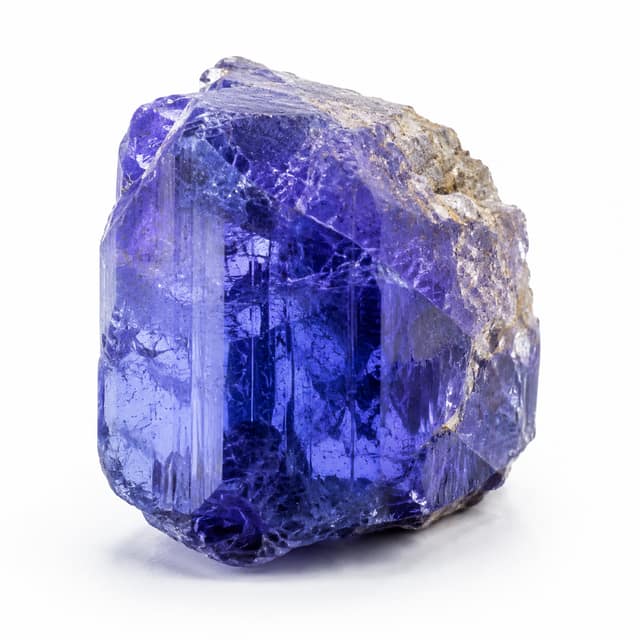
Tanzanite is one of the few gemstones whose identity is closely tied to a single modern locality. Its blue-to-violet colour and pleochroic character give it an instantly contemporary profile among transparent jewellery stones.
Tektite is natural impact glass formed by meteorite impact events.
Titanite (sphene) is a high-fire gemstone species valued by collectors and connoisseurs.
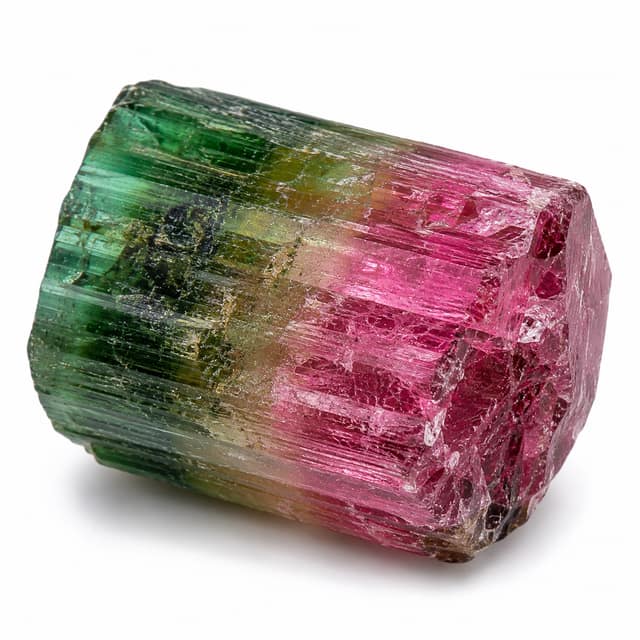
Locality plays an important role in how Tourmaline is understood in the gem trade. That combination of green body colour, 7 Mohs hardness, and vitreous lustre is what usually makes it recognisable in practice. The secondary pink note often matters more than people expect when separating it from lookalikes.
Tugtupite is a rare pink feldspathoid known for UV fluorescence and light-sensitive color behavior.
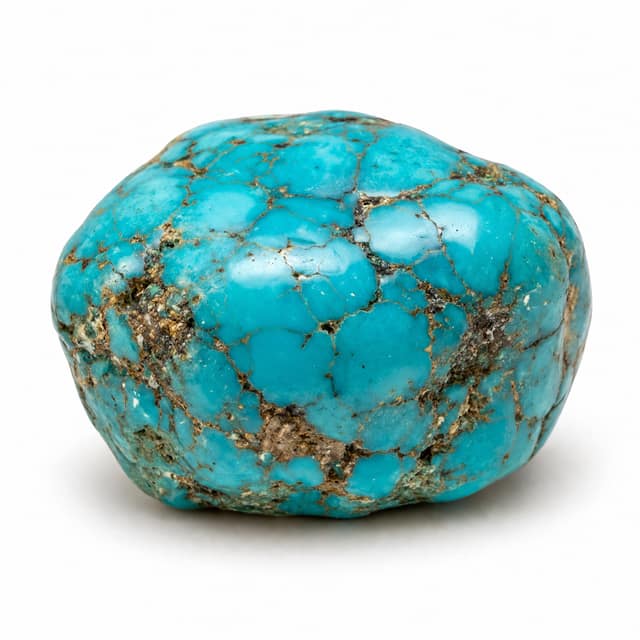
Turquoise has been used for ornament and status objects for millennia, yet its appeal remains straightforward: an unmistakable blue-to-green body colour, often paired with matrix patterns that make each piece visually individual.
Variscite is a hydrated aluminum phosphate used in cabochons and carvings for green color.
White opal is opal with light body tone, occurring as common or precious opal types.
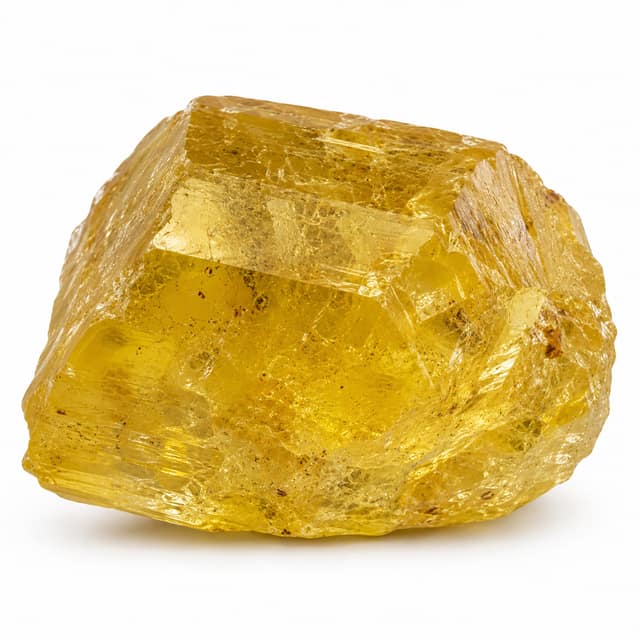
Yellow apatite is a calcium phosphate gem variety valued for bright yellow color.