

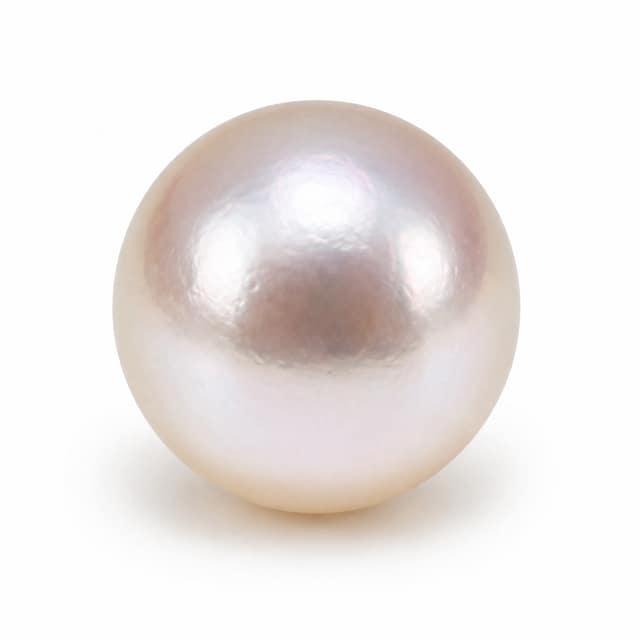
Akoya Pearl
Akoya pearls are marine cultured pearls known for high lustre, round shape, and white to cream body colour with overtones.
Hardness focus
Compare durability and finishing options for gemstones in this hardness range.
Akoya pearls are marine cultured pearls known for high lustre, round shape, and white to cream body colour with overtones.
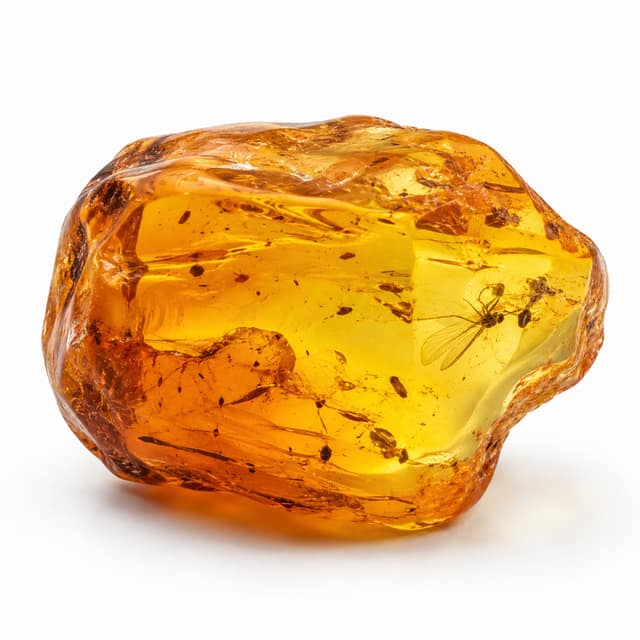
Amber is fossilized tree resin used as an organic gemstone and archaeological material.
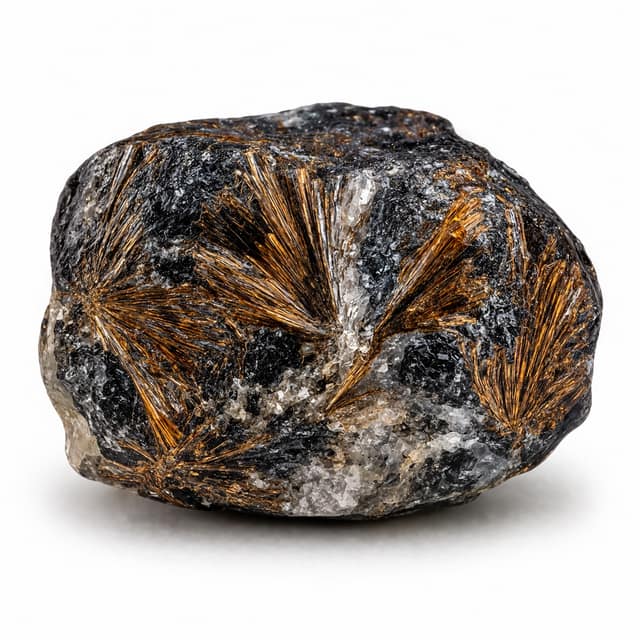
Astrophyllite is a rare complex silicate mineral seen as bronze radiating blades in matrix material.
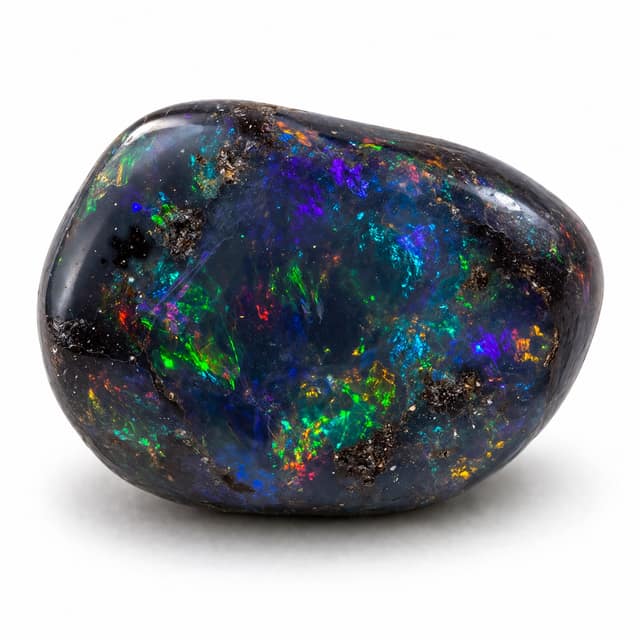
A dark body tone turns black opal into a stage for moving colour. Against that deeper background, flashes of red, green, blue, and orange can appear sharper and more dramatic than they do in lighter opal varieties.
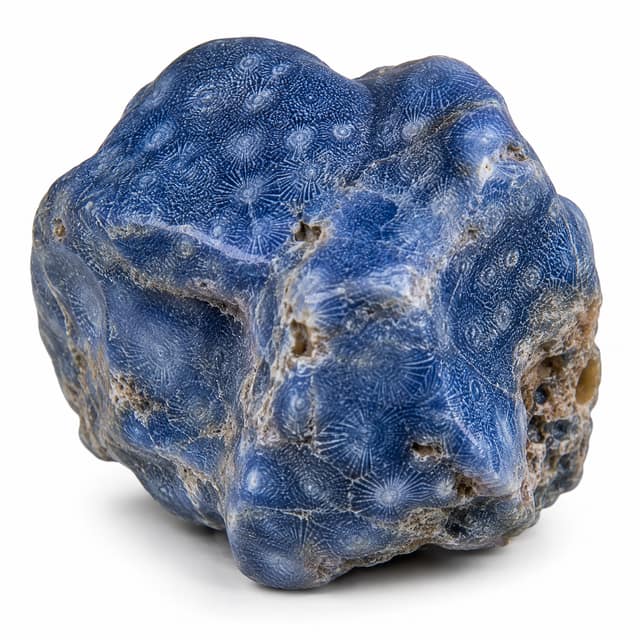
Blue coral is generally a trade product category and often involves dyed or treated coral material.
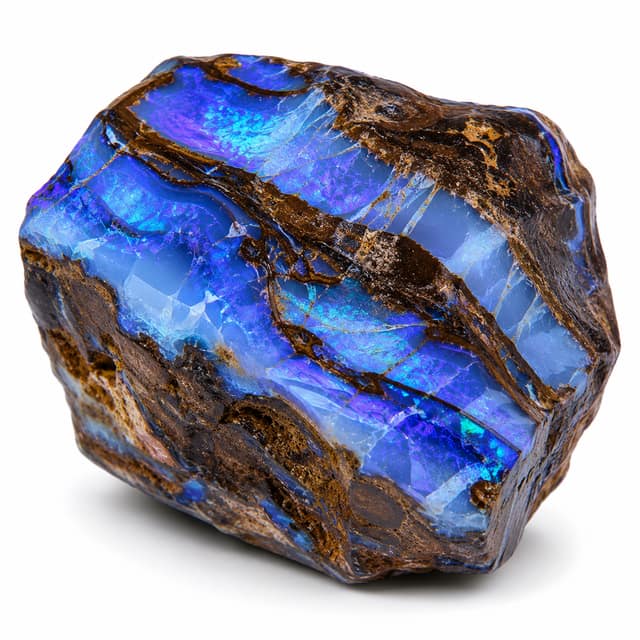
Boulder Opal earns attention when light begins to travel across or through it. That combination of multicolour body colour, opalescence, play of colour, iridescence optical effects, and 5.5 Mohs hardness is what usually makes it recognisable in practice. The effect is best judged in motion, since a static view rarely shows the full character of the stone.
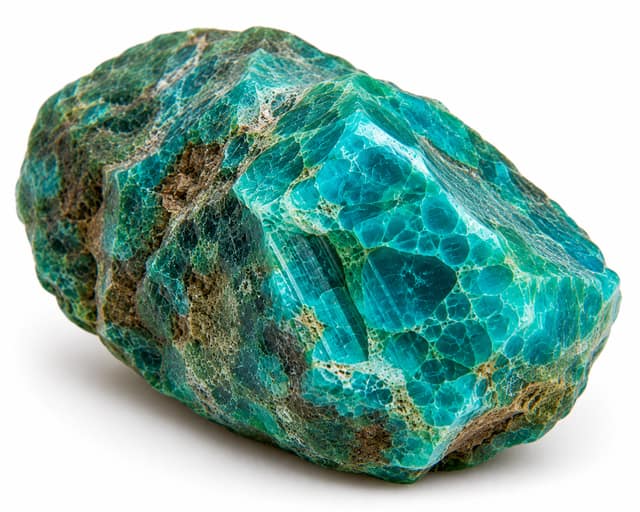
Chrysocolla is a hydrated copper silicate gemstone material, frequently occurring as massive blue-green aggregates.
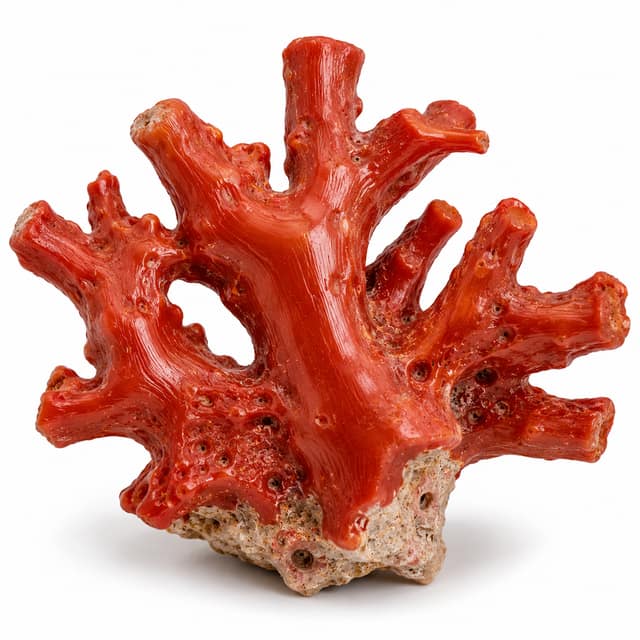
Gem coral is an organic biogenic material composed of coral skeleton polished for ornamental use.
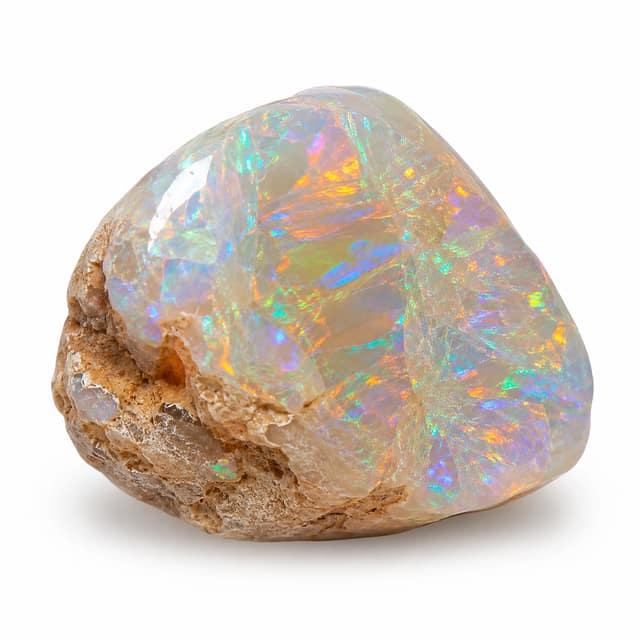
Crystal Opal earns attention when light begins to travel across or through it. That combination of multicolour body colour, opalescence, play of colour, iridescence optical effects, and 5.5 Mohs hardness is what usually makes it recognisable in practice. The effect is best judged in motion, since a static view rarely shows the full character of the stone.
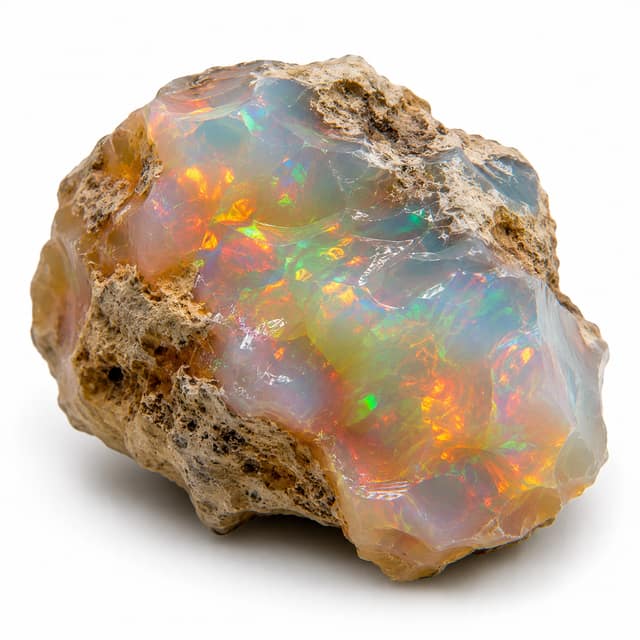
Ethiopian Opal profile is under factual gemological review. Properties shown here are provisional unless marked as verified.
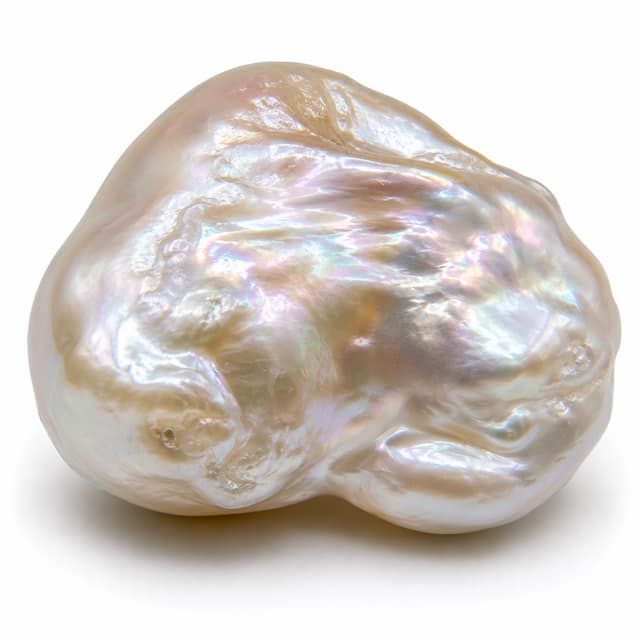
Freshwater pearls are cultured biogenic gems produced in freshwater mollusks.
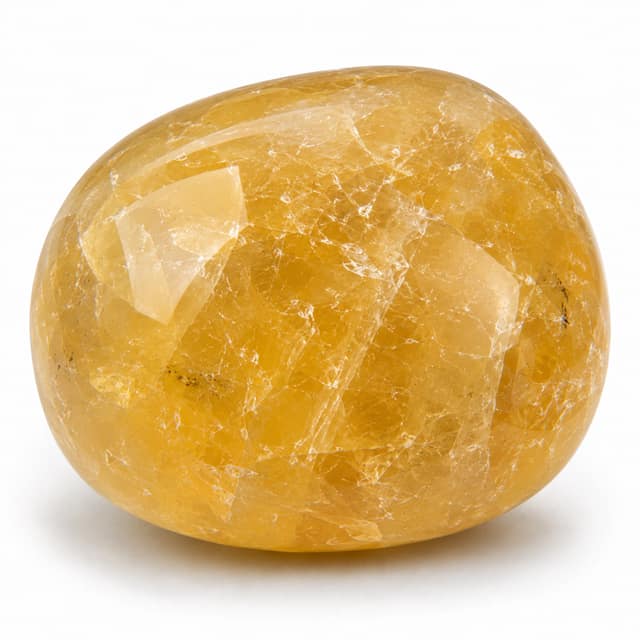
Honey calcite is a yellow variety of calcite used for ornamental stones and carvings.
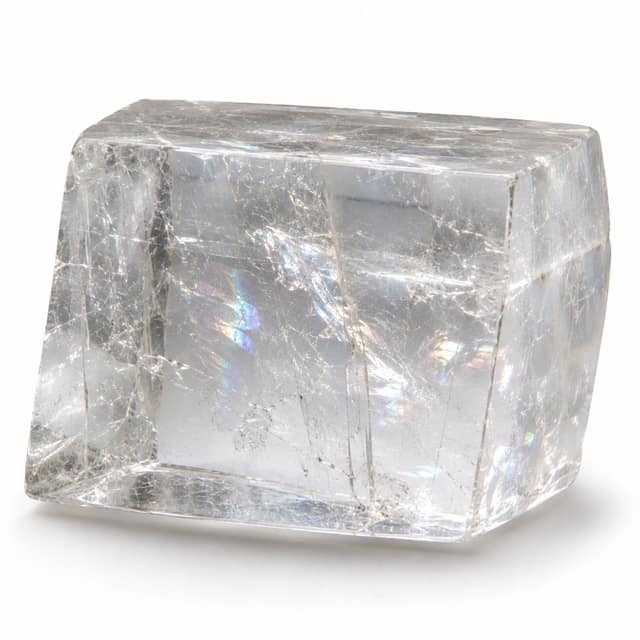
Iceland spar is a transparent variety of calcite noted for pronounced birefringence and double refraction.

Mexican Opal profile is under factual gemological review. Properties shown here are provisional unless marked as verified.
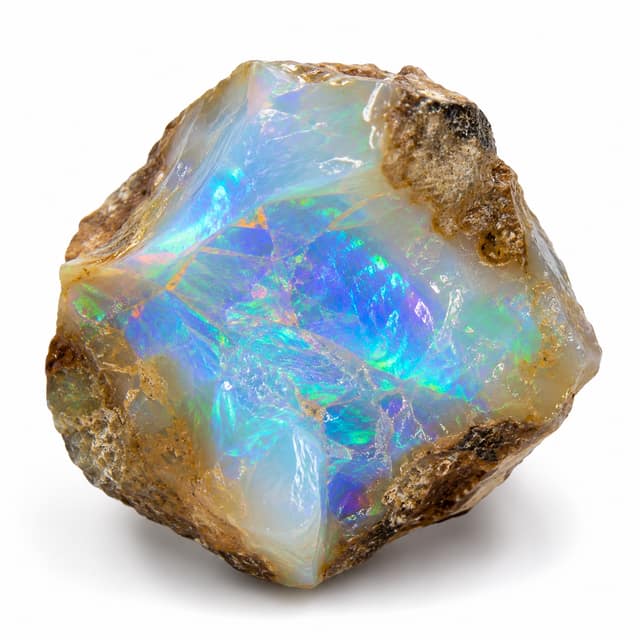
Opal is less about crystal form than about light. Depending on structure, it may show a soft inner haze, bold flashes of spectral colour, or a calm body tone that changes character as the stone is turned in the hand.
Pearl is an organic gem formed by mollusks, represented in trade by both natural and cultured products.
The appeal of Peruvian Blue Opal lies in what happens after the stone is turned in the light. That combination of blue body colour, opalescence, play of colour, iridescence optical effects, and 5.5 Mohs hardness is what usually makes it recognisable in practice. The effect is best judged in motion, since a static view rarely shows the full character of the stone.
Pink coral is an organic gem material widely used in decorative jewelry, often requiring treatment and sourcing disclosure.
Red coral is an organic gemstone material with longstanding decorative and cultural use.
Selenite is a transparent crystalline gypsum variety used in decorative and collector contexts.
Seraphinite is a trade name for feather-pattern clinochlore used in decorative jewelry.
South Sea pearl is a premium saltwater cultured pearl category known for large size and satin-like luster.
Tahitian pearl is a premium dark saltwater cultured pearl category.