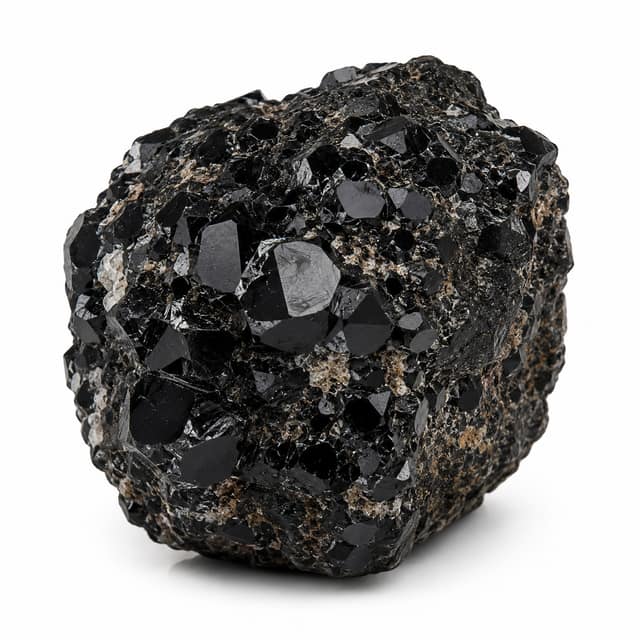
Black Spinel sits among the more resilient gem materials used for jewellery, which shapes both how it wears and how it is collected. That combination of black body colour, 9 Mohs hardness, and vitreous lustre is what usually makes it recognisable in practice.
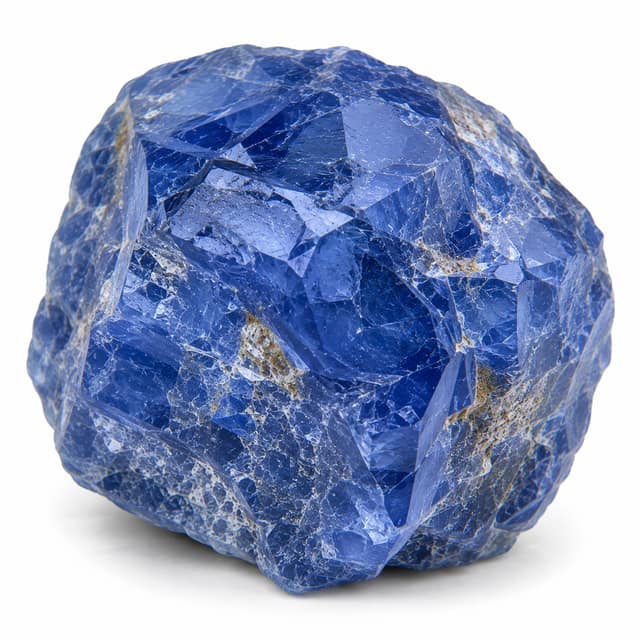
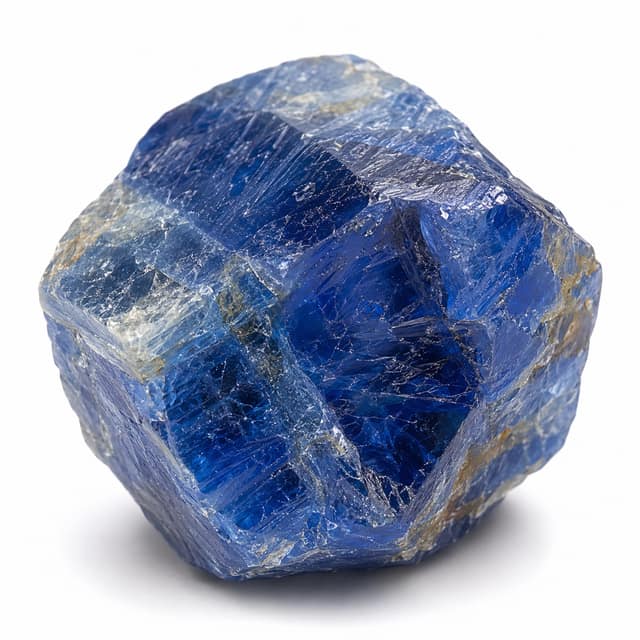
Blue Spinel sits among the more resilient gem materials used for jewellery, which shapes both how it wears and how it is collected. That combination of blue body colour, 9 Mohs hardness, and vitreous lustre is what usually makes it recognisable in practice.
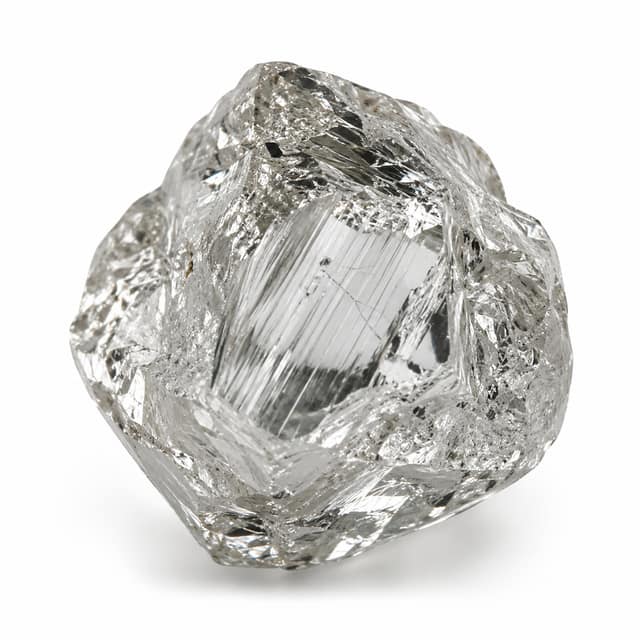
No gemstone has a stronger reputation for durability than diamond, and that reputation is grounded in crystal structure rather than marketing. Its exceptional hardness, high lustre, and ability to return crisp light make it central to both jewellery and industrial applications.
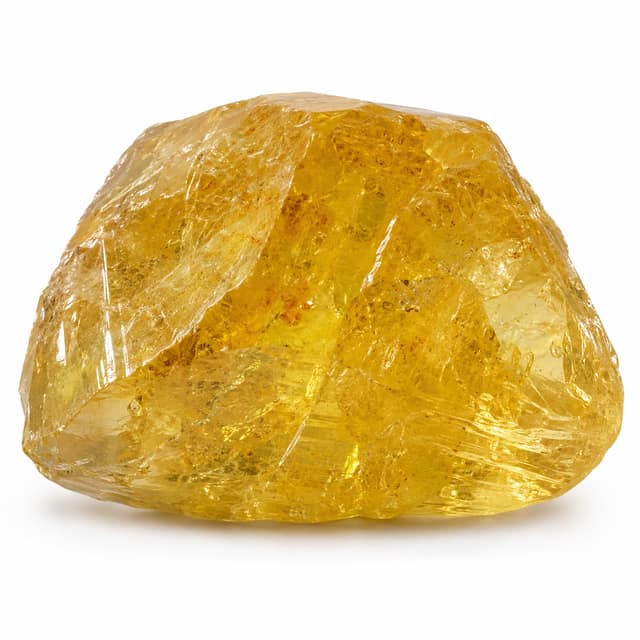
Among jewellery stones, Orange Spinel stands out for combining appearance with notable wear resistance. That combination of orange body colour, 9 Mohs hardness, and vitreous lustre is what usually makes it recognisable in practice.
Padparadscha Sapphire sits among the more resilient gem materials used for jewellery, which shapes both how it wears and how it is collected. That combination of blue body colour, 9 Mohs hardness, and vitreous lustre is what usually makes it recognisable in practice. The secondary sapphire blue note often matters more than people expect when separating it from lookalikes.
Pink Spinel sits among the more resilient gem materials used for jewellery, which shapes both how it wears and how it is collected. That combination of pink body colour, 9 Mohs hardness, and vitreous lustre is what usually makes it recognisable in practice.
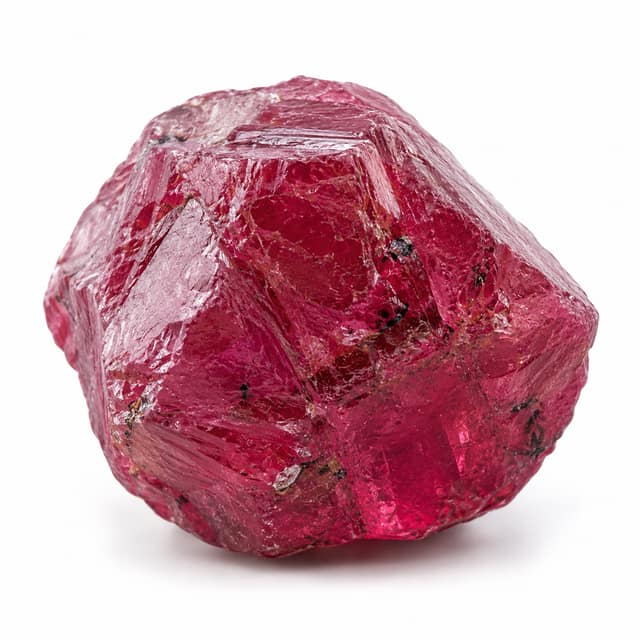
Red Spinel sits among the more resilient gem materials used for jewellery, which shapes both how it wears and how it is collected. That combination of red body colour, 9 Mohs hardness, and vitreous lustre is what usually makes it recognisable in practice.
Durability is part of the appeal of Royal Blue Sapphire, not merely a technical footnote. That combination of blue body colour, 9 Mohs hardness, and vitreous lustre is what usually makes it recognisable in practice. The secondary royal blue note often matters more than people expect when separating it from lookalikes.
Ruby is defined by red corundum, but not every red stone carries the same authority of colour. The most sought-after examples combine vivid saturation with enough transparency to let the red remain bright rather than murky.
Sapphire covers far more than blue, yet the gem remains associated with crisp colour, durability, and a polished, highly wearable finish. Its place in jewellery owes as much to resilience as to appearance.
Durability is part of the appeal of Spinel, not merely a technical footnote. That combination of blue body colour, 9 Mohs hardness, and vitreous lustre is what usually makes it recognisable in practice. The secondary pink note often matters more than people expect when separating it from lookalikes.