

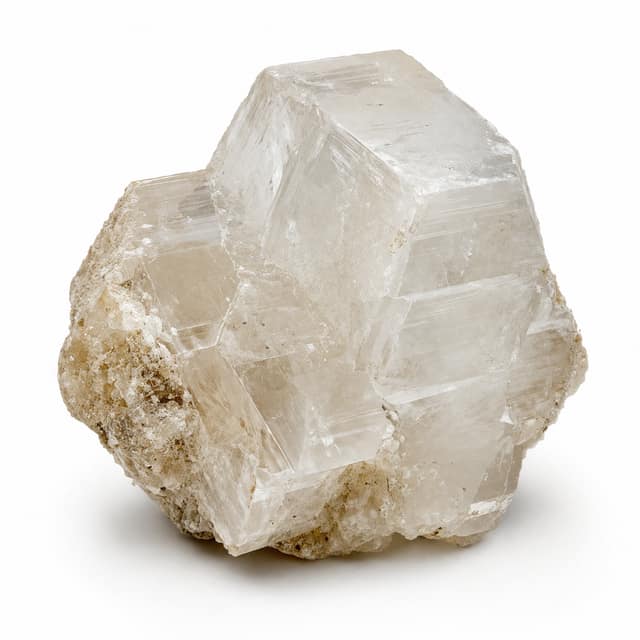
Adularia
Adularia is a low-temperature orthoclase feldspar variety historically associated with moonstone-type adularescence.
Durability range
Find hard gemstones rated 6-7.5 on the Mohs scale, suitable for daily wear jewellery. Includes emerald, tourmaline, and quartz varieties.
Durable gemstones suitable for everyday wear and statement pieces.
Hardness Scale: Mohs 6-7.5
Number of gemstones: 142
Adularia is a low-temperature orthoclase feldspar variety historically associated with moonstone-type adularescence.
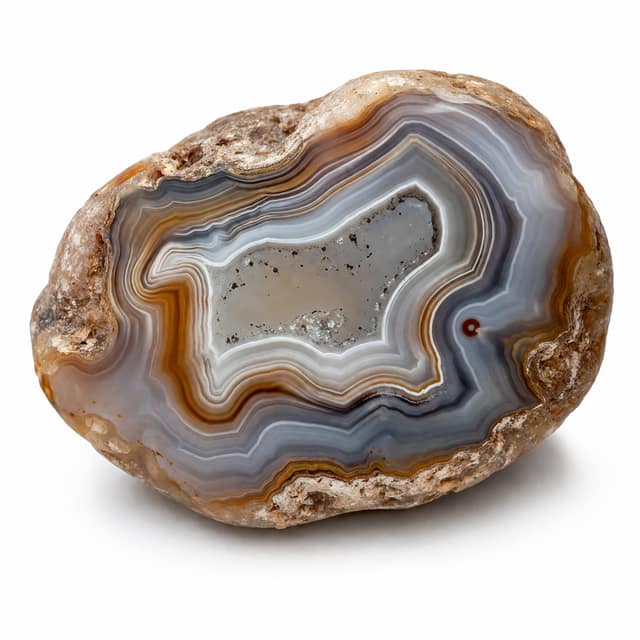
Agate is a banded chalcedony variety of quartz identified by concentric or parallel growth bands and waxy lustre.
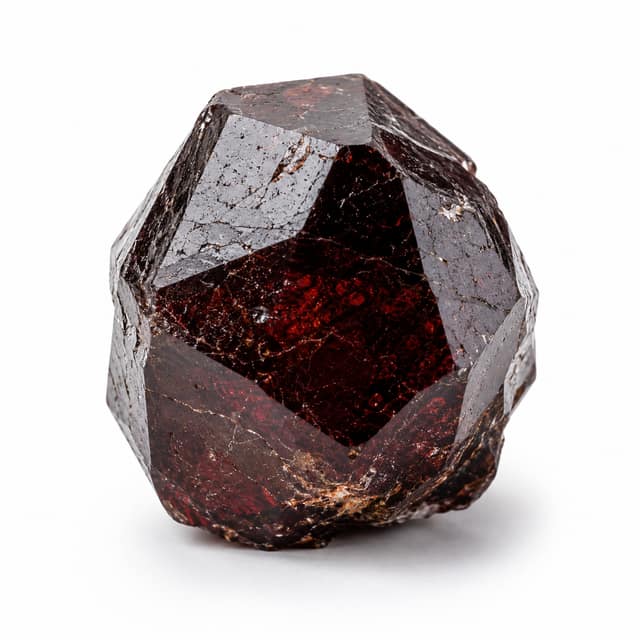
Almandine is the iron-rich red garnet species commonly used in faceted and cabochon jewellery.
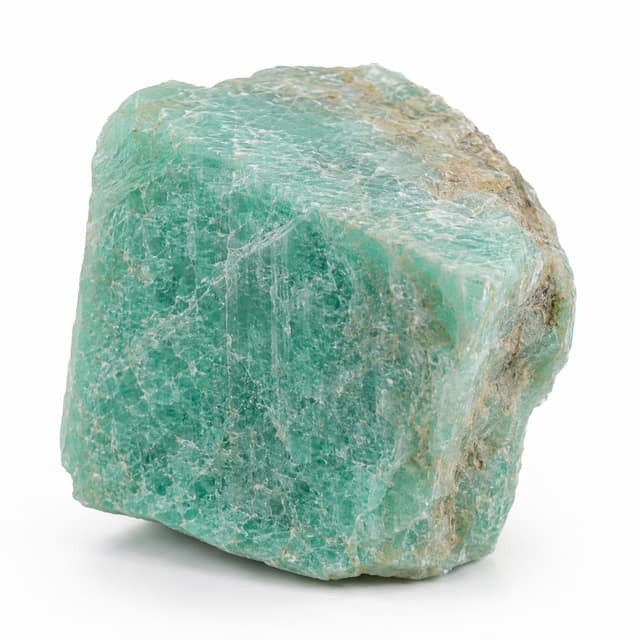
Amazonite is a green to blue-green variety of microcline feldspar.
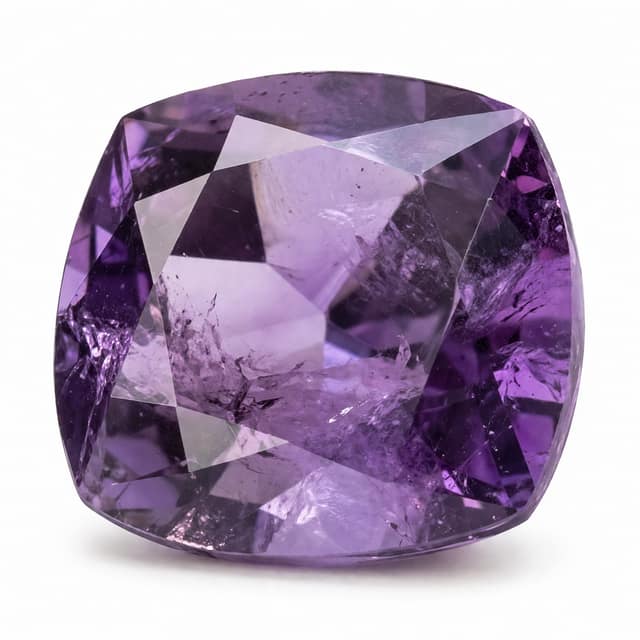
Violet quartz earns its place in both jewellery and mineral collections through colour rather than rarity. The appeal of amethyst lies in how evenly or intensely that purple is distributed, from pale lilac material to richly saturated stones cut for statement pieces.
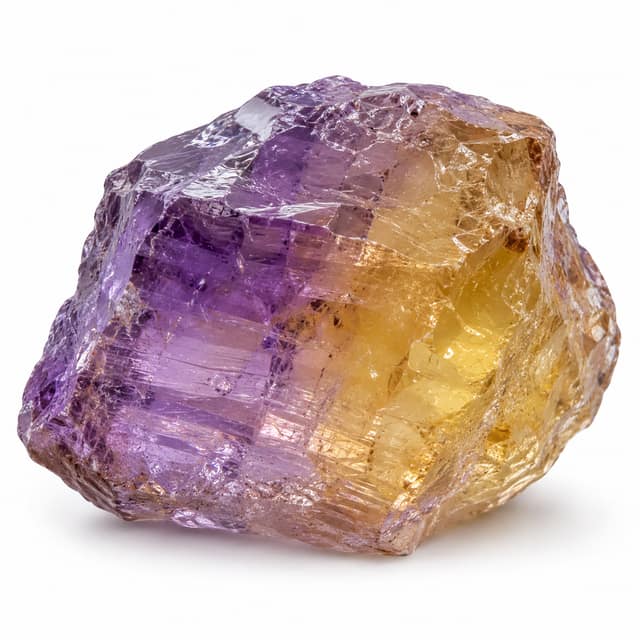
Ametrine is a bicolour quartz variety containing distinct amethyst and citrine colour zones.
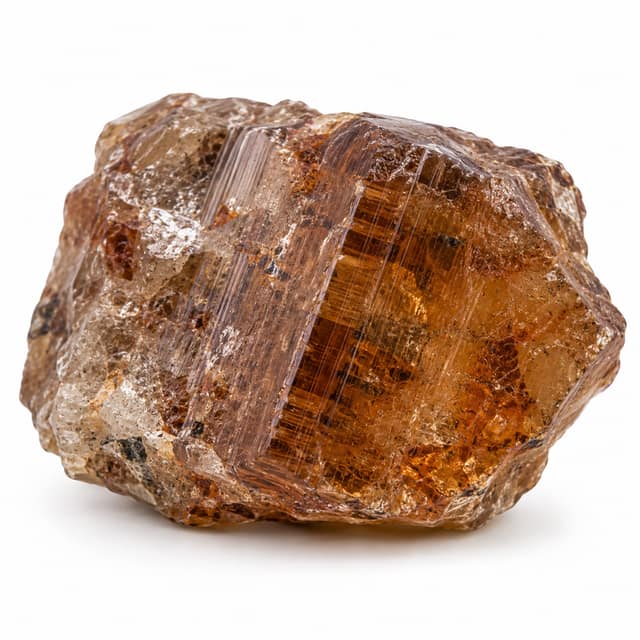
Andalusite is an aluminum silicate gemstone noted for strong pleochroism between green, yellow, and brown hues.
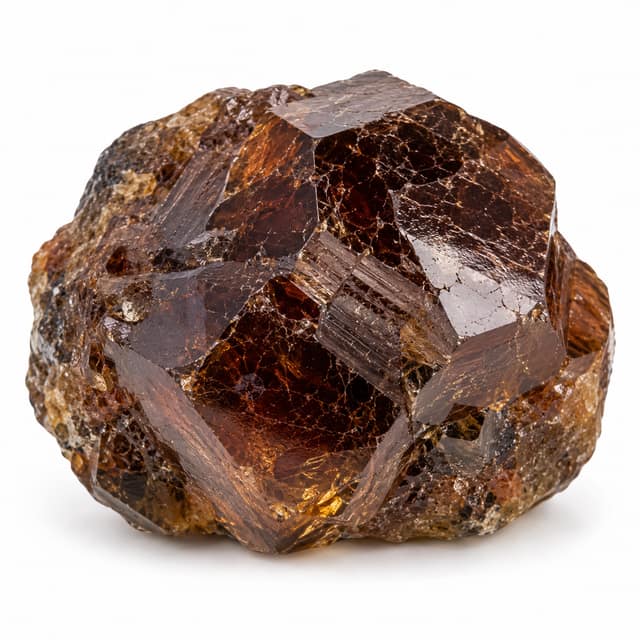
Andradite is a calcium-iron garnet species that includes demantoid and melanite varieties.
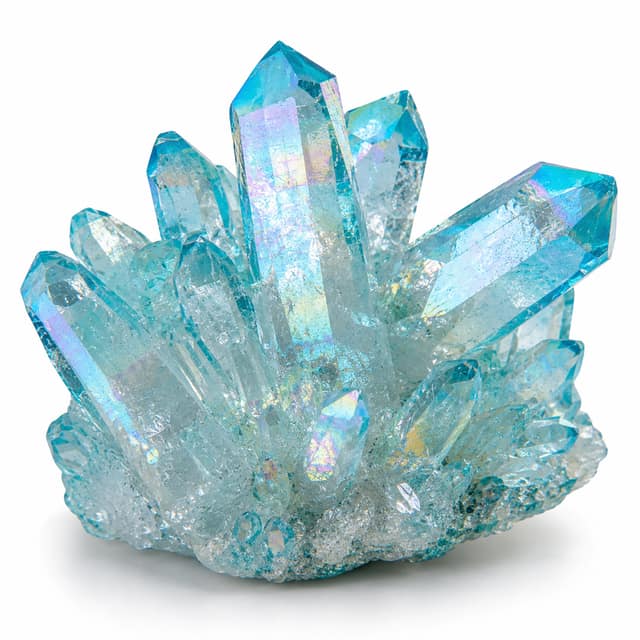
Aqua aura quartz is clear quartz modified by vapor deposition of metals (commonly gold) to produce blue iridescent colour.
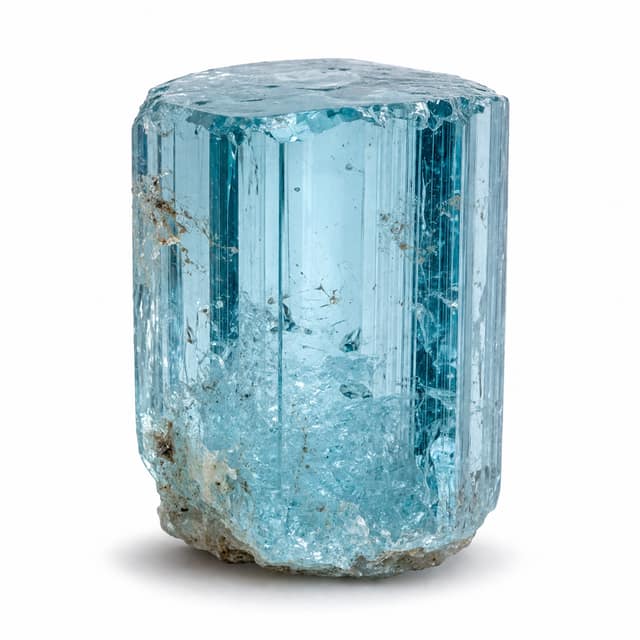
Aquamarine is appreciated for clarity and calm blue colour more than spectacle. Well-cut stones often look almost water-clear at first glance, with the blue becoming more apparent as light travels through the body of the gem.
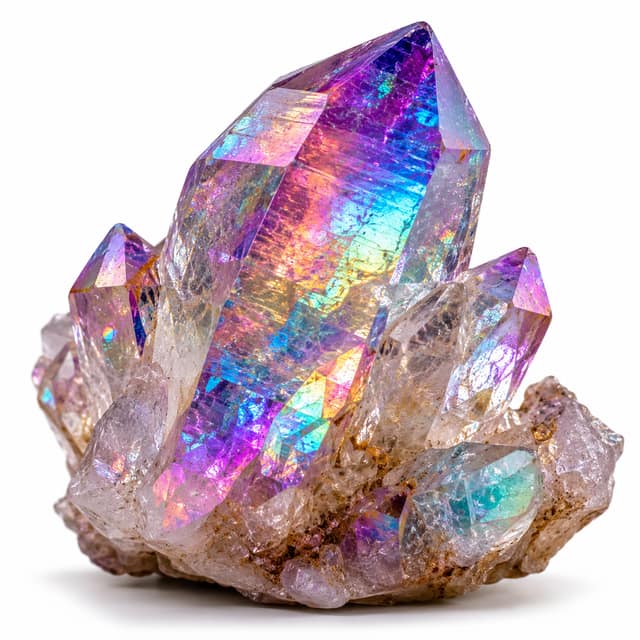
Aurora quartz is coated quartz sold under a trade name for iridescent surface color effects.
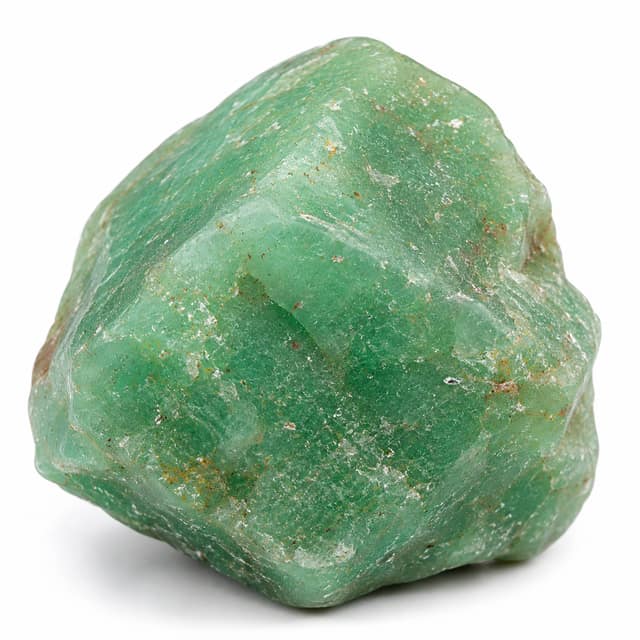
Aventurine is a quartz variety containing reflective platelets that create aventurescence.
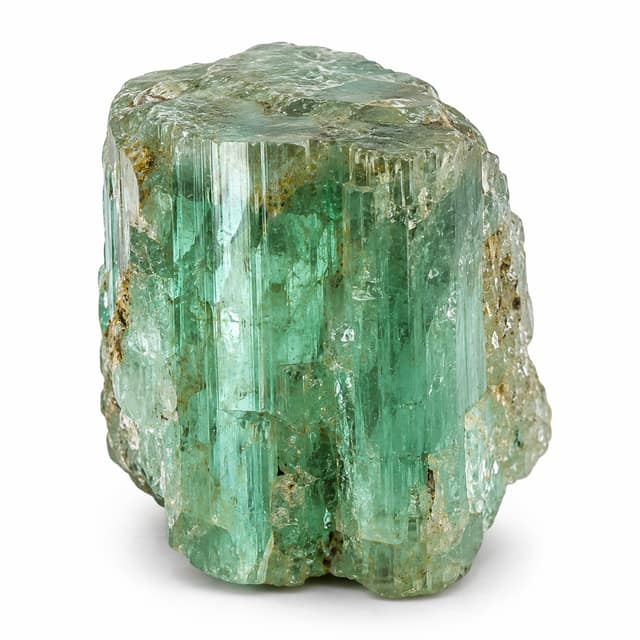
Beryl is often discussed with one eye on colour and the other on where the material comes from. That combination of blue body colour, 7.5 Mohs hardness, and vitreous lustre is what usually makes it recognisable in practice. The secondary green note often matters more than people expect when separating it from lookalikes.
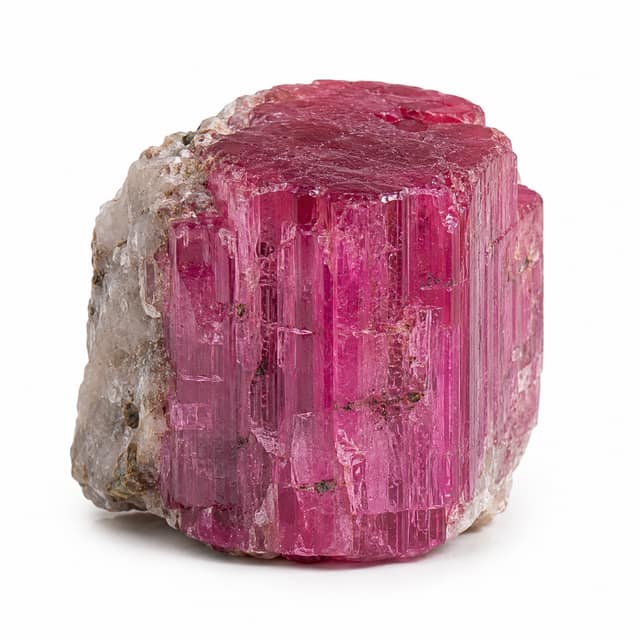
Bixbite profile is under factual gemological review. Properties shown here are provisional unless marked as verified.
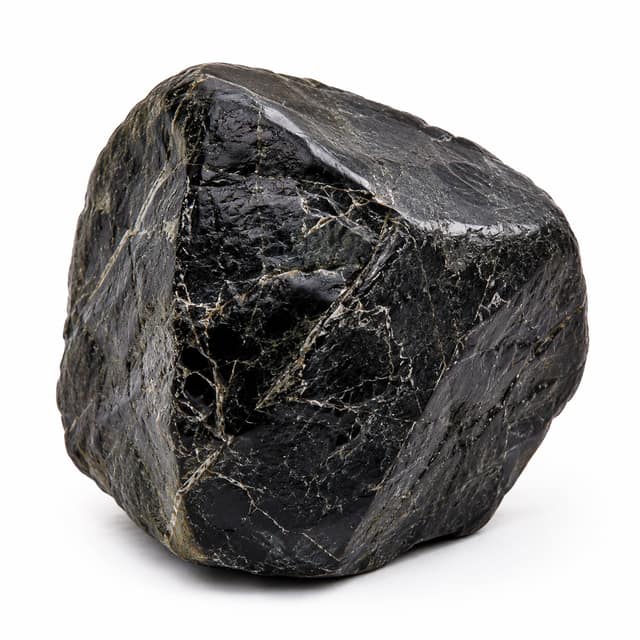
Black jade is a trade color category for dark jade materials, most often nephrite in commercial use.
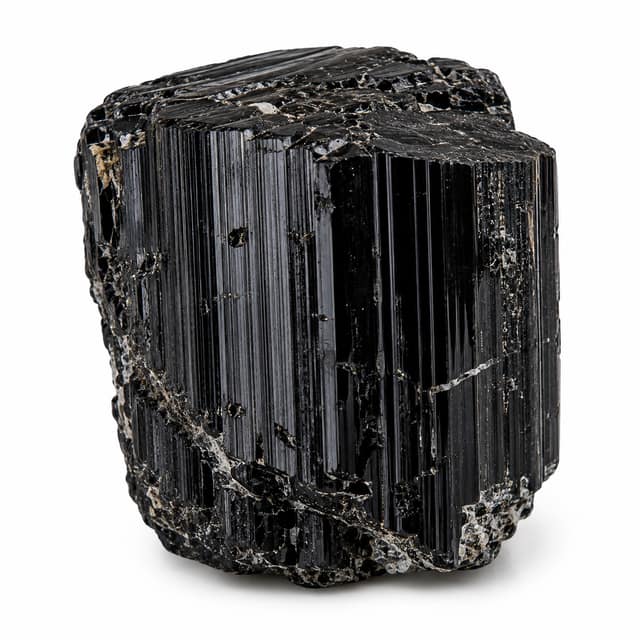
Black Tourmaline is often discussed with one eye on colour and the other on where the material comes from. That combination of black body colour, 7 Mohs hardness, and vitreous lustre is what usually makes it recognisable in practice.
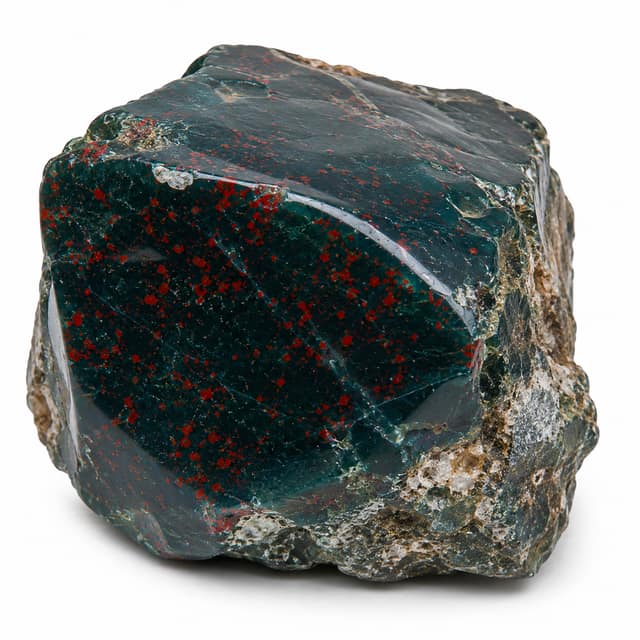
Bloodstone (heliotrope) is dark green chalcedony/jasper marked by red iron-oxide spots.
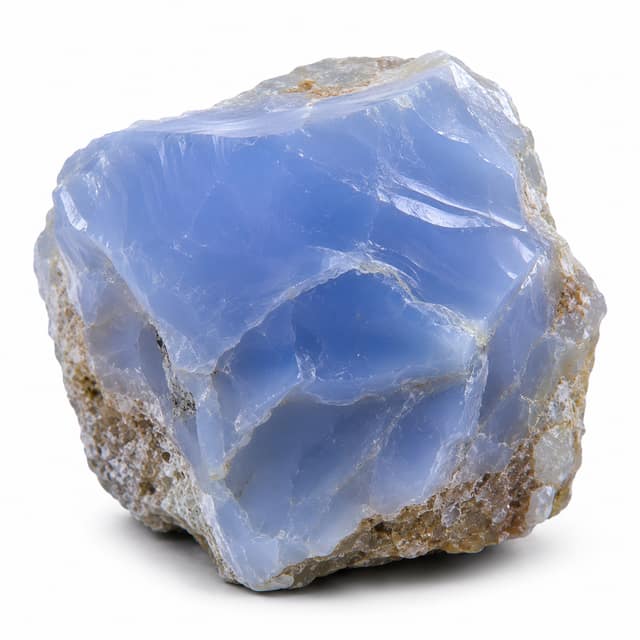
Blue chalcedony is a blue microcrystalline quartz variety valued for soft, uniform translucent colour.
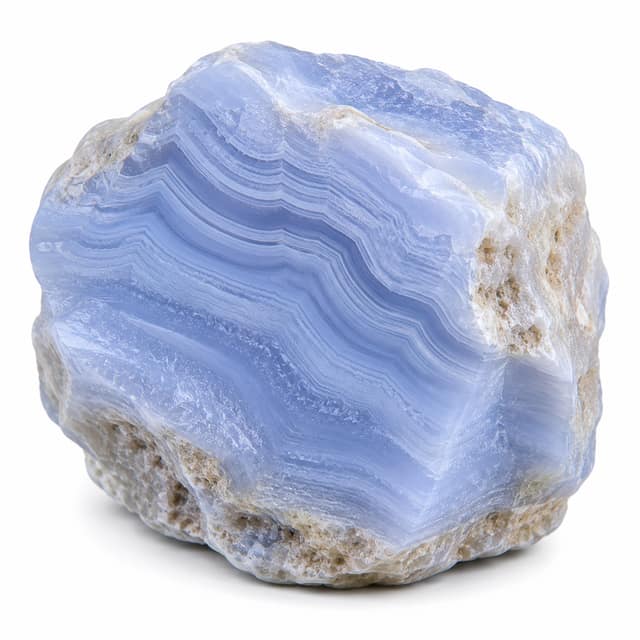
Blue lace agate is a pale blue banded chalcedony variety with fine lace-like white patterns.
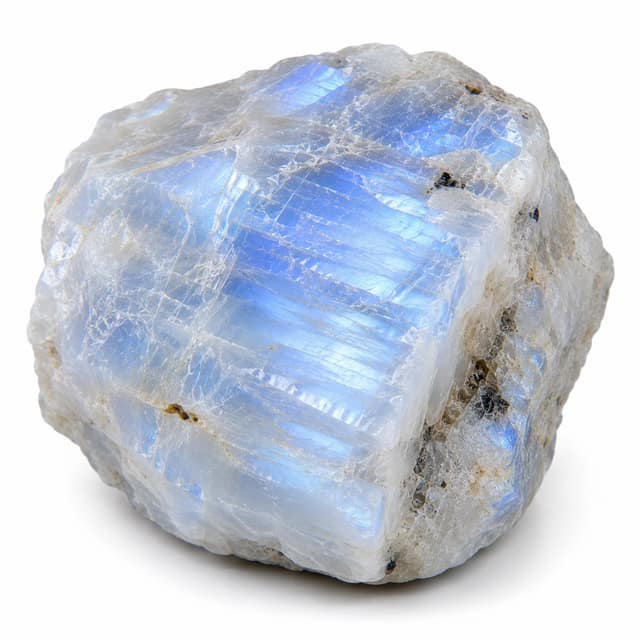
Blue moonstone is a trade term for moonstone-type feldspar showing a blue sheen effect.
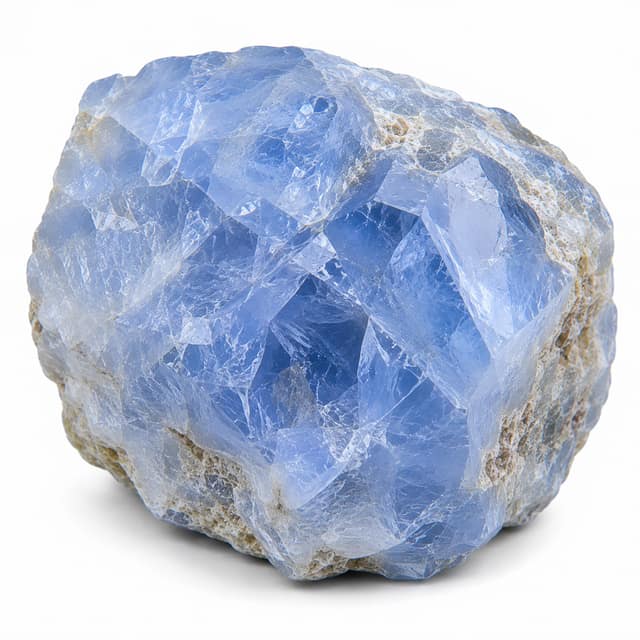
Blue quartz is a trade variety of quartz with blue appearance caused by inclusions or structural scattering.
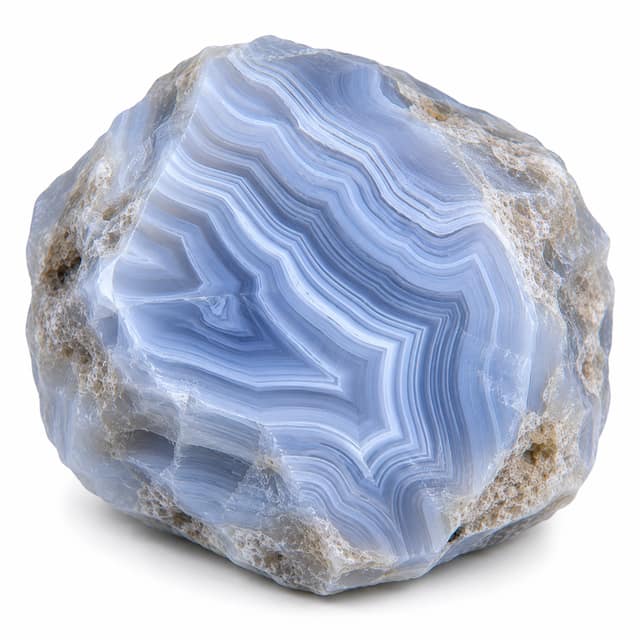
Botswana agate is a finely banded agate variety known for subtle grey-brown and pinkish tones.
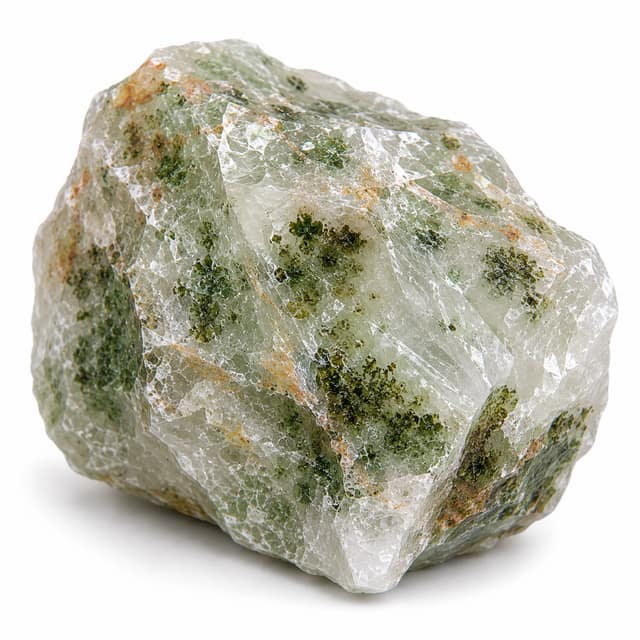
Cactus quartz is a trade name for spirit-like quartz clusters where small crystals cover a larger central crystal.
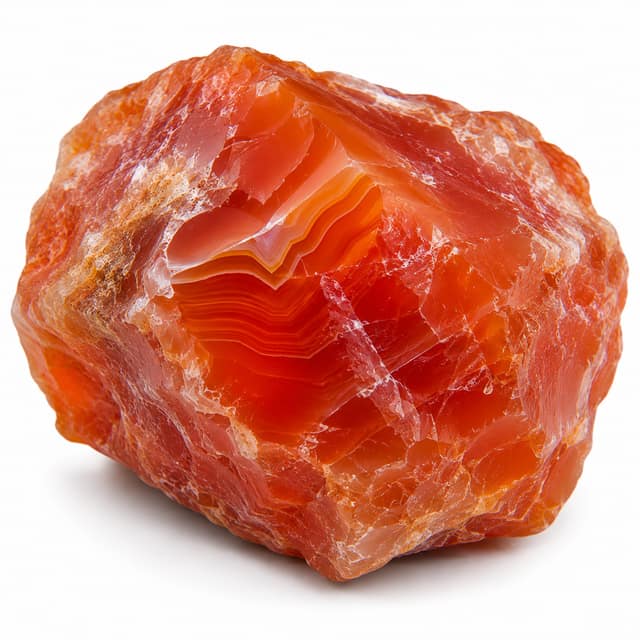
Carnelian is an orange to red chalcedony variety of quartz, typically translucent with a waxy to vitreous surface lustre.
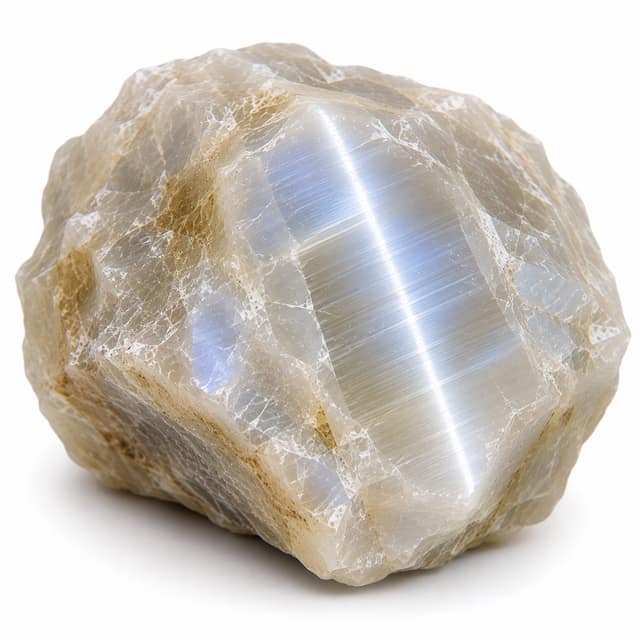
Cat's-eye moonstone is moonstone-type feldspar showing a chatoyant band in suitable cabochon orientation.
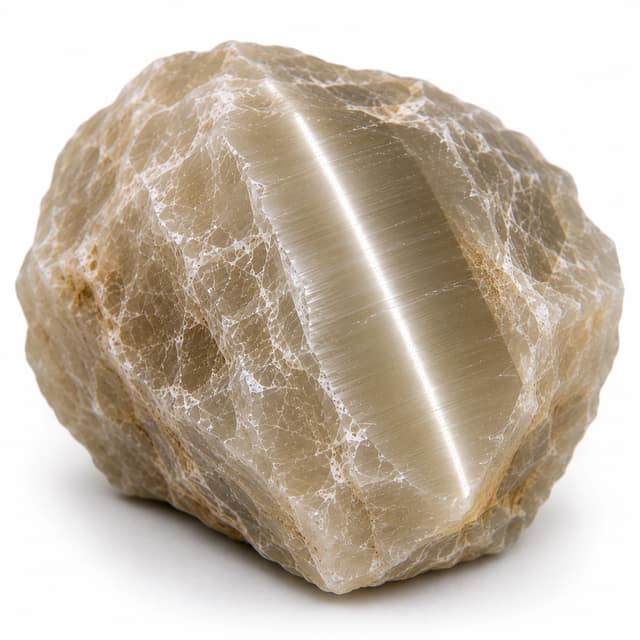
Cat's-eye quartz is quartz showing a chatoyant eye caused by aligned fibrous or needle inclusions.
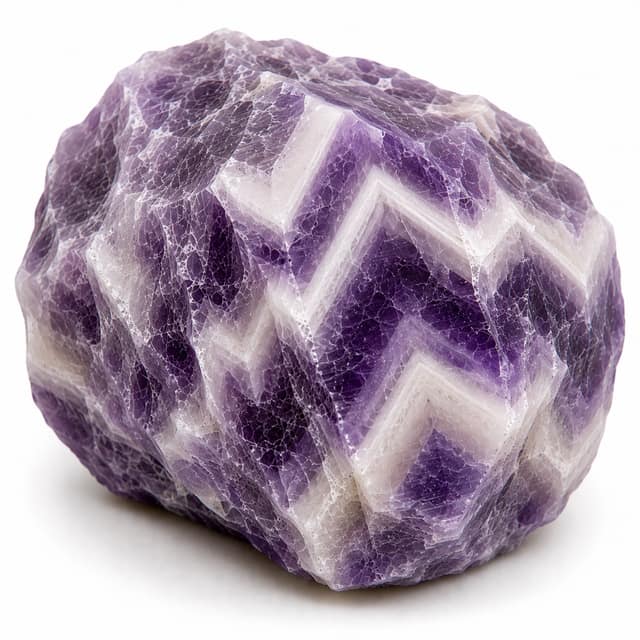
Chevron amethyst is an amethyst-quartz banded variety characterized by angular purple-white zoning.
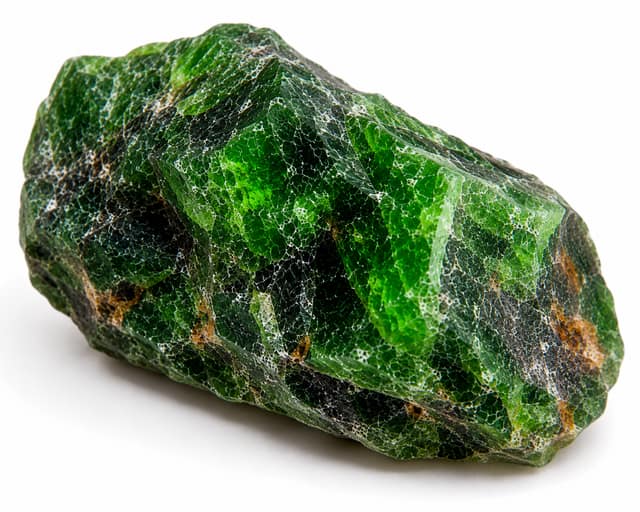
Chrome garnet is a trade term for chromium-bearing green garnets, often pyrope-rich material.
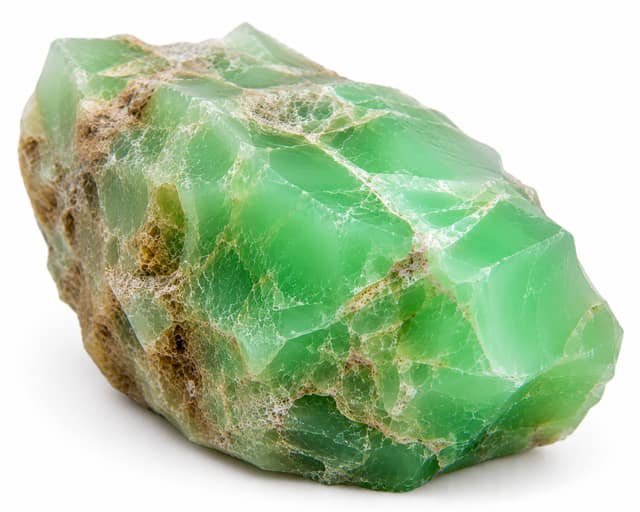
Chrysoprase is a nickel-coloured green chalcedony variety of quartz.
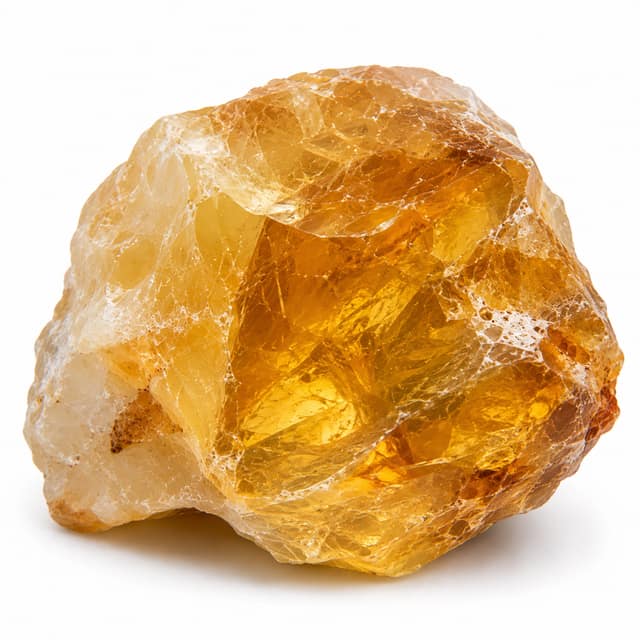
Citrine is the yellow variety of quartz, commonly transparent with vitreous lustre.
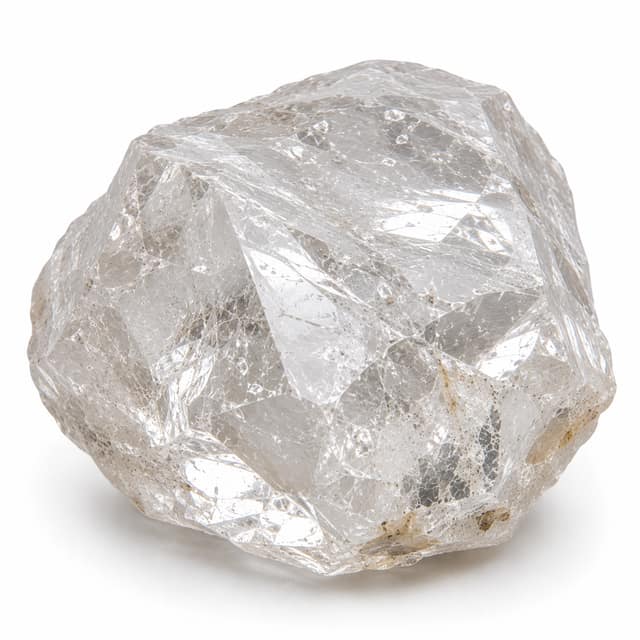
Clear quartz (rock crystal) is colorless transparent quartz with trigonal crystal symmetry and vitreous lustre.
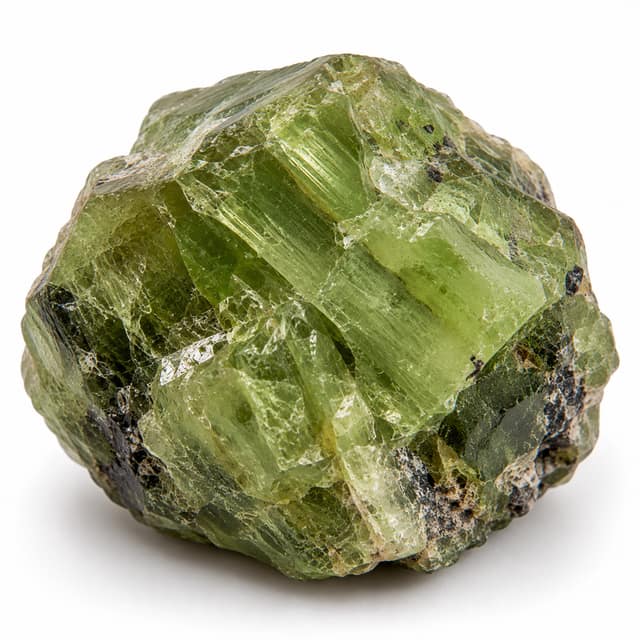
Clinozoisite is a monoclinic epidote-group calcium aluminum sorosilicate with limited gem use.
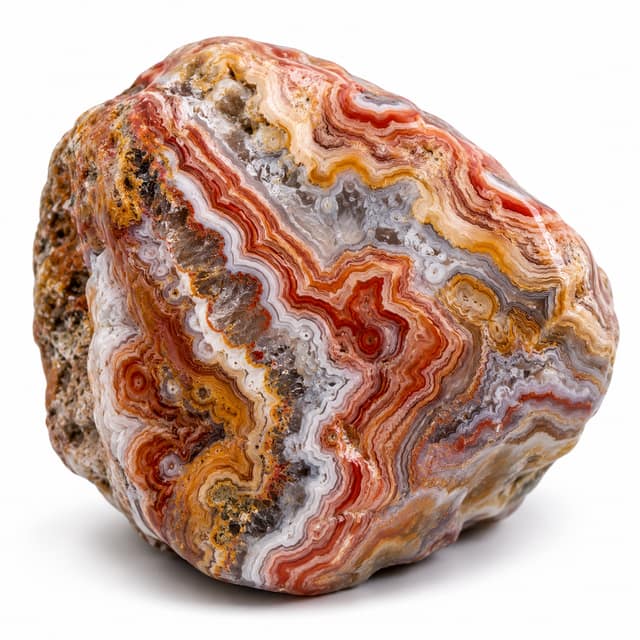
Crazy lace agate is a Mexican banded agate known for dense swirling lace-like patterning.
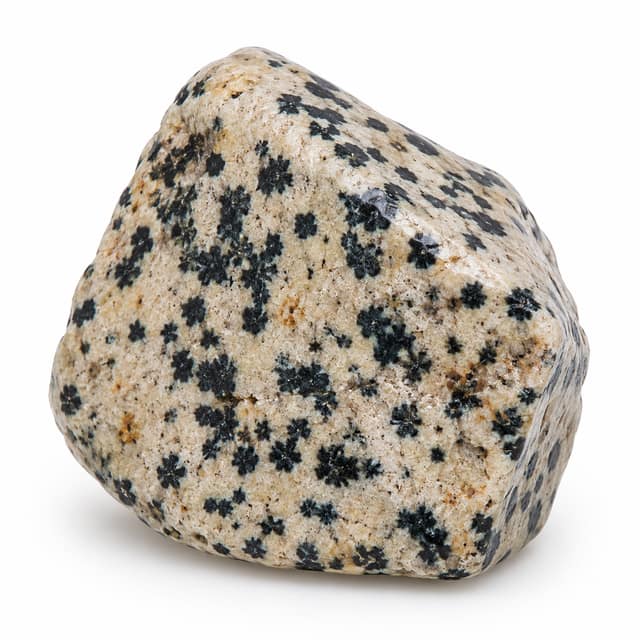
Dalmatian jasper is a trade name for spotted ornamental rock, not a strict quartz jasper species.
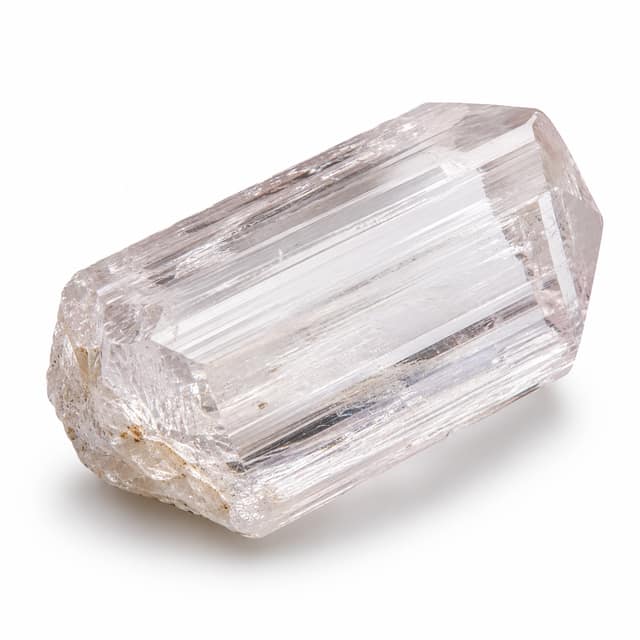
Danburite is a calcium borosilicate gemstone often seen as a colorless faceted stone.
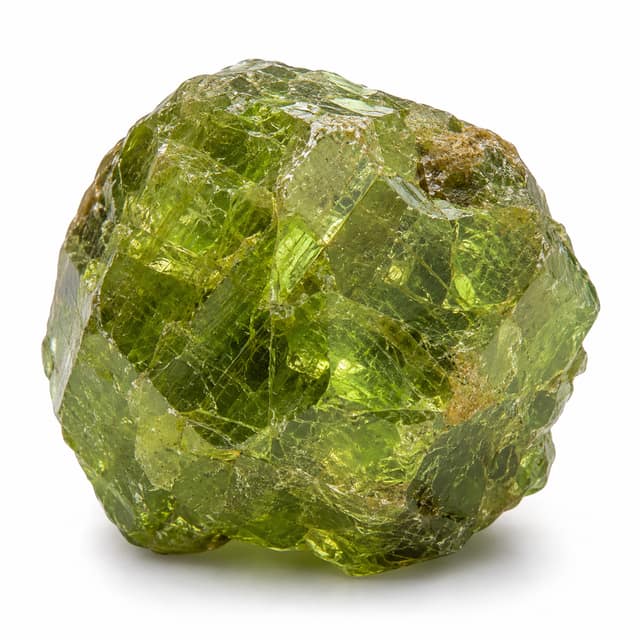
Demantoid is the green gem variety of andradite garnet, prized for high dispersion and brilliance.
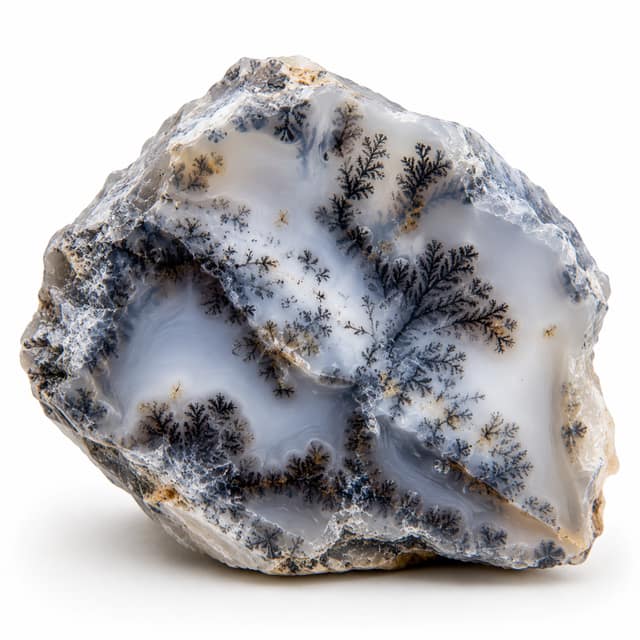
Dendritic agate is chalcedony containing tree-like manganese or iron dendritic inclusions.
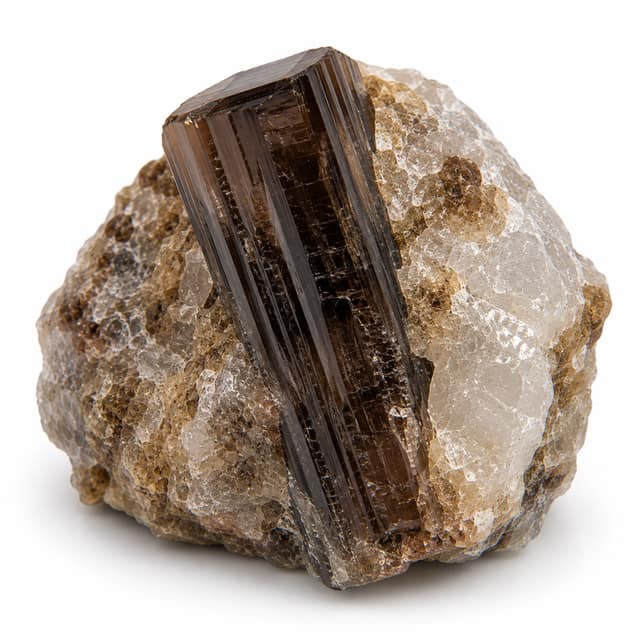
Dravite is the magnesium-rich brown end-member of the tourmaline group.
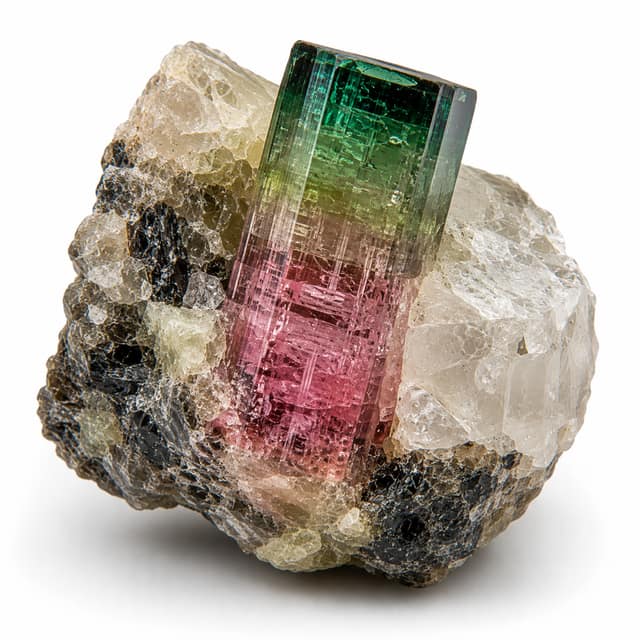
Elbaite is the lithium-rich tourmaline species that includes many prized gem tourmaline colors.
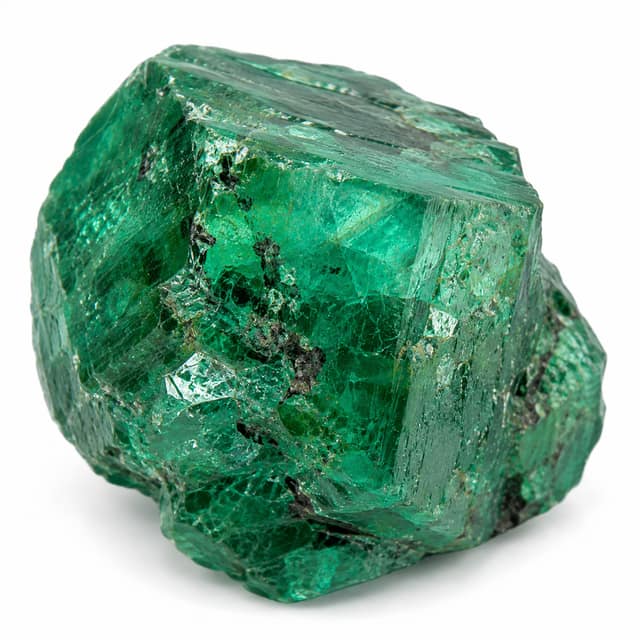
Emerald stands apart from other green gems because colour carries more weight than absolute clarity. Even stones with visible inclusions can be highly regarded when the green is vivid, lively, and unmistakably within the emerald range.
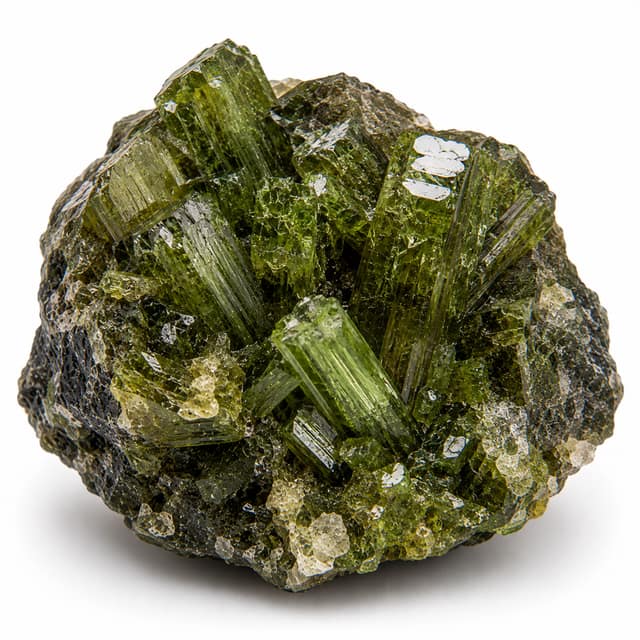
Epidote is a monoclinic sorosilicate mineral with green coloration and occasional facetable transparency.
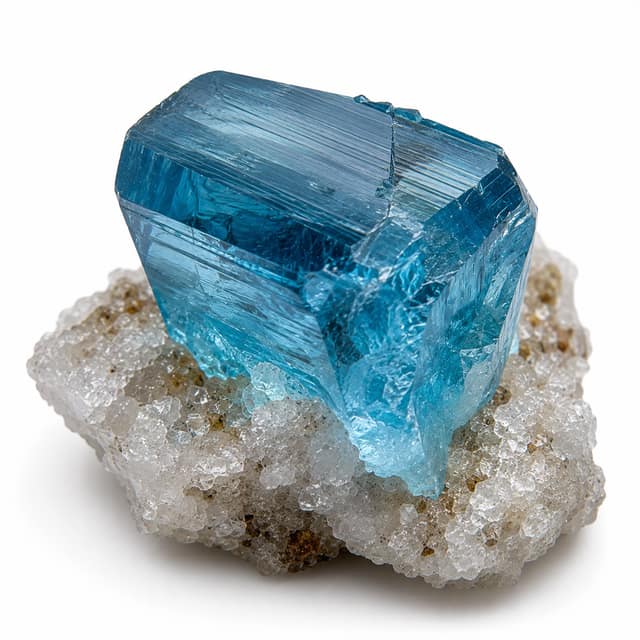
Euclase is a beryllium aluminum silicate hydroxide mineral occasionally cut as a collector gemstone.
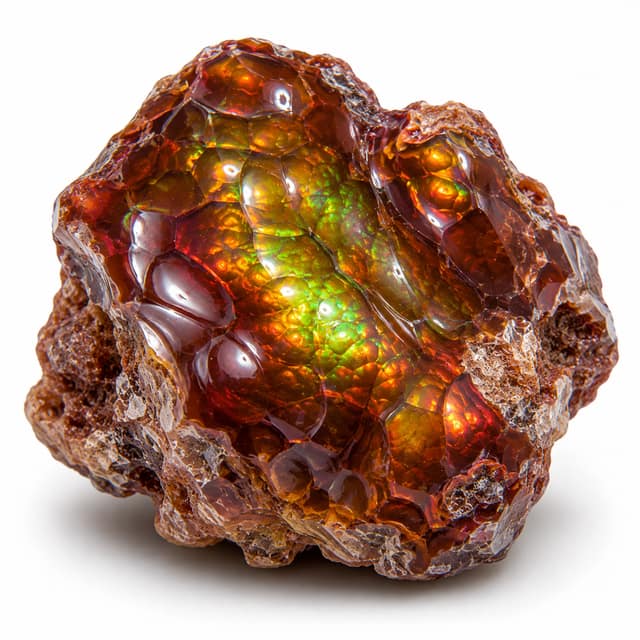
Fire agate is a chalcedony variety with iridescent colors caused by thin iron-oxide interference layers.
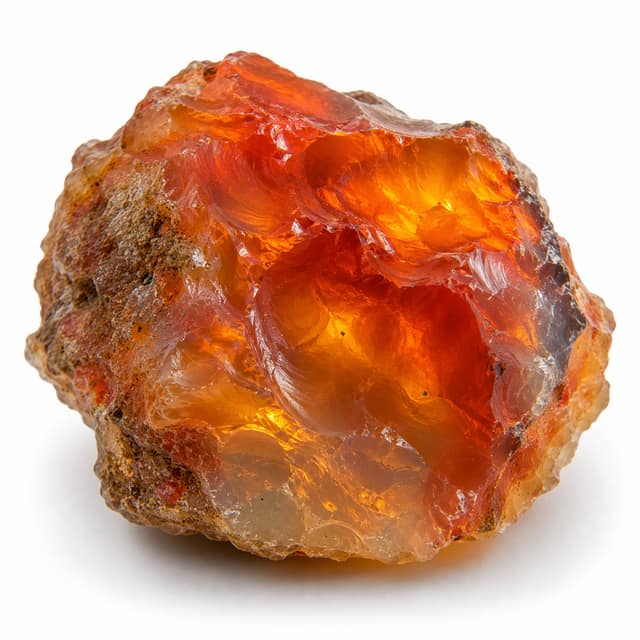
Fire chalcedony is an orange-red chalcedony trade variety distinguished by body color rather than interference iridescence.
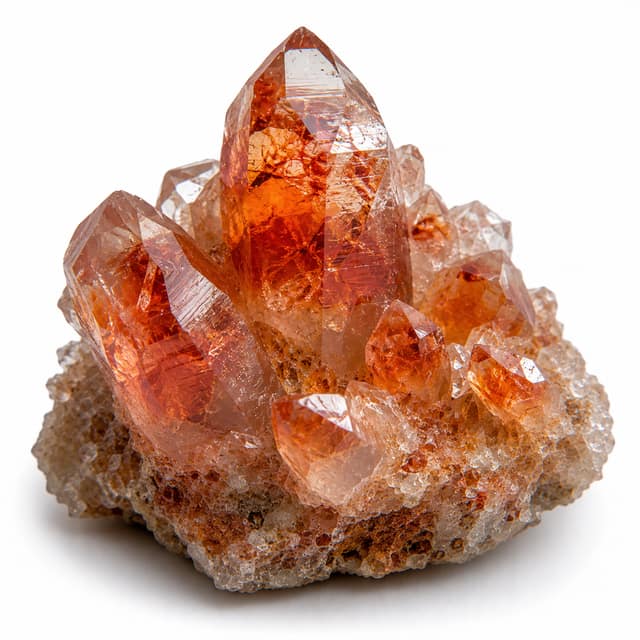
Fire quartz is a trade term commonly used for hematoid quartz showing red-orange internal inclusion color.
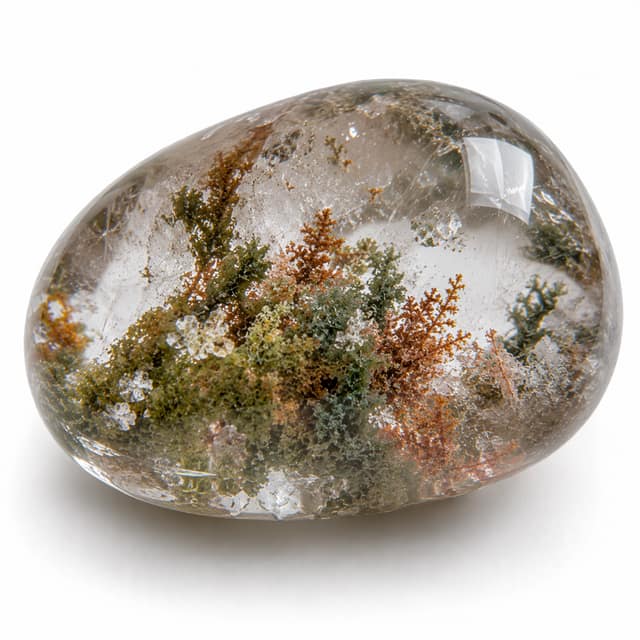
Garden quartz is a trade name for quartz with inclusion scenes resembling landscapes.
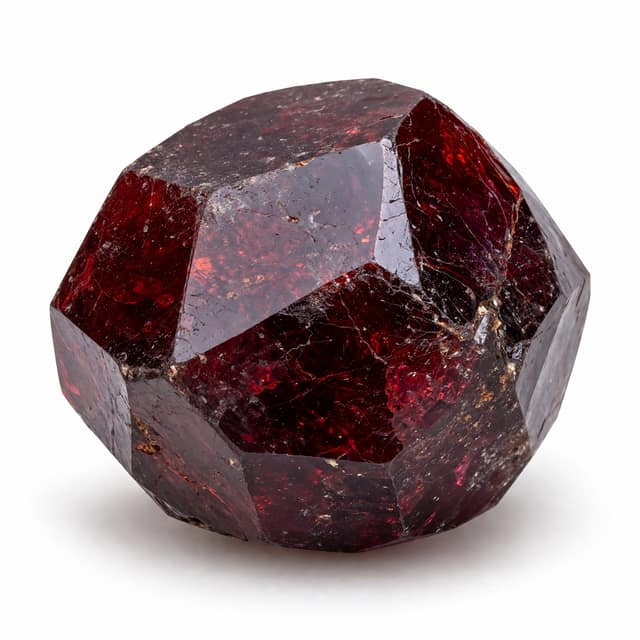
Garnet is often discussed with one eye on colour and the other on where the material comes from. Collectors and lapidaries comparing similar stones often come to it for different reasons, but identification still comes back to green body colour, 6.5 Mohs hardness, and vitreous lustre. The secondary burgundy note often matters more than people expect when separating it from lookalikes.
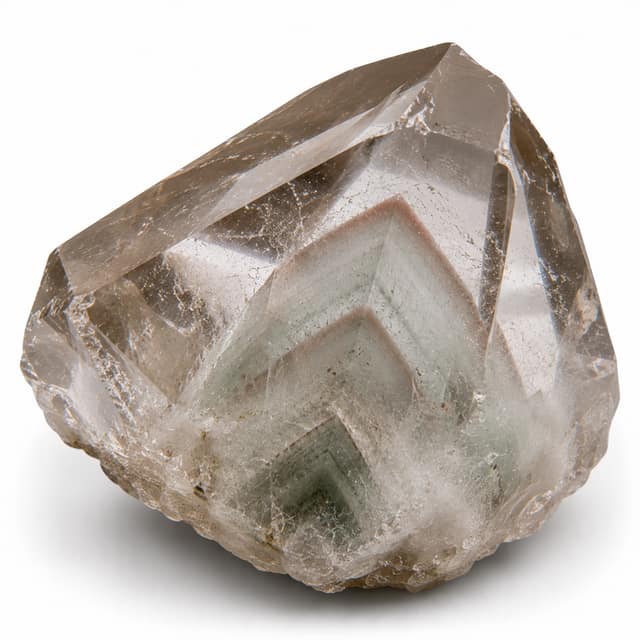
Ghost quartz is quartz containing internal phantom crystal outlines created during interrupted growth.
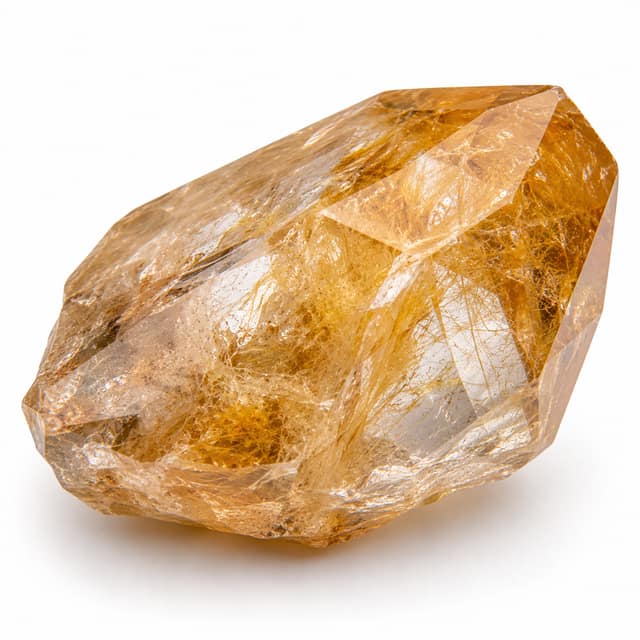
Golden healer quartz is a trade term for quartz with yellow-gold iron-oxide coloration.
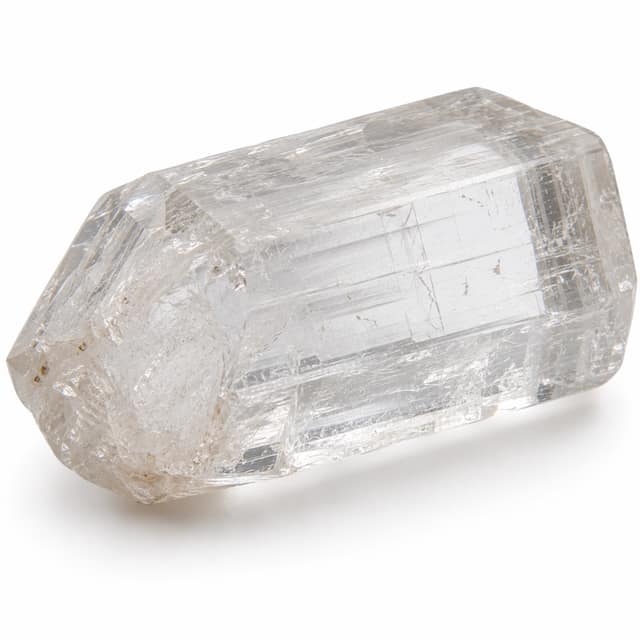
Goshenite is often discussed with one eye on colour and the other on where the material comes from. That combination of blue body colour, 7.5 Mohs hardness, and vitreous lustre is what usually makes it recognisable in practice. The secondary green note often matters more than people expect when separating it from lookalikes.
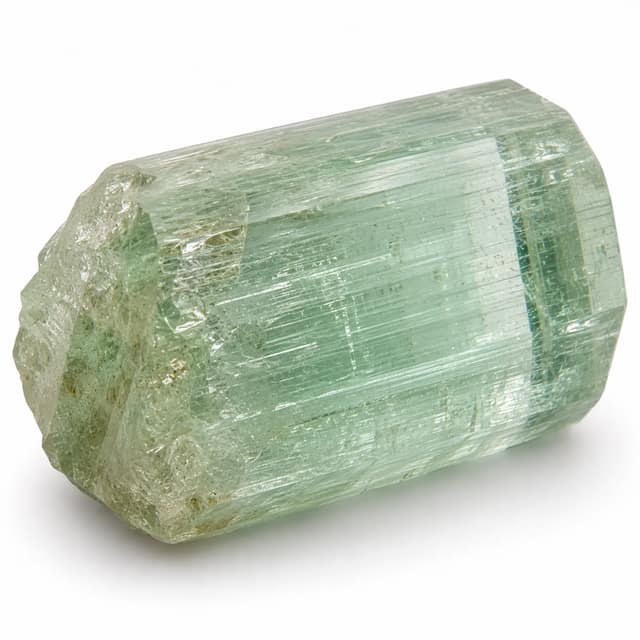
Locality plays an important role in how Green Beryl is understood in the gem trade. That combination of green body colour, 7.5 Mohs hardness, and vitreous lustre is what usually makes it recognisable in practice.
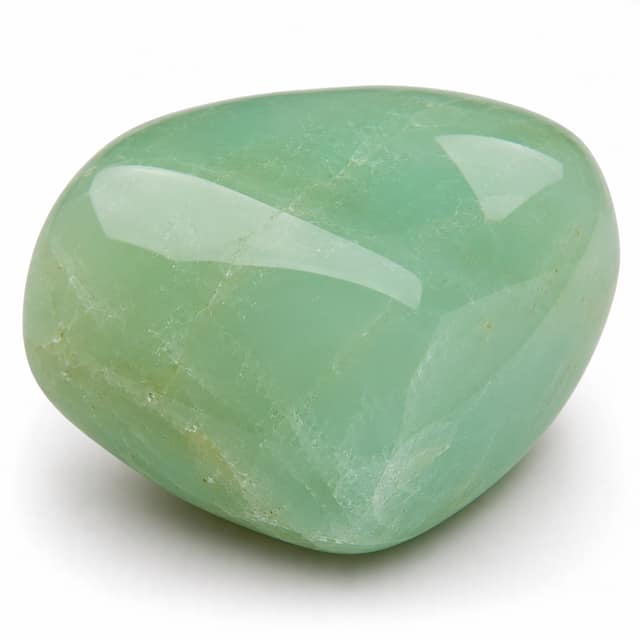
Green chalcedony is a green microcrystalline quartz variety used for cabochons and beads.
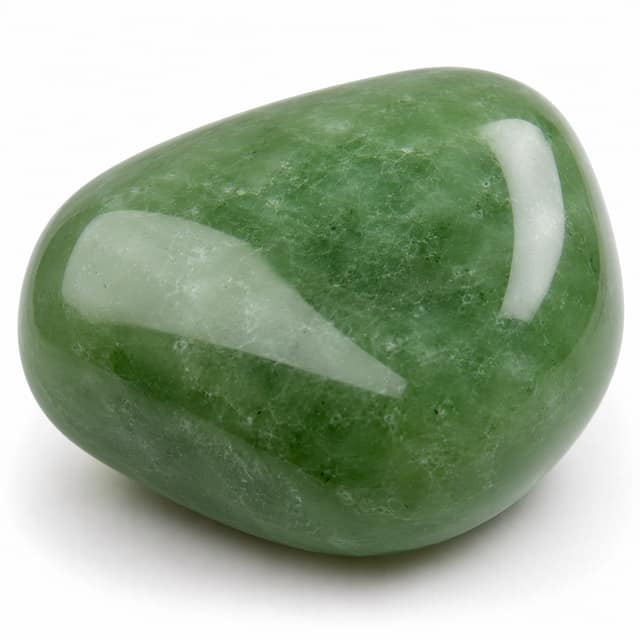
Green jade is a trade category encompassing green jadeite and green nephrite materials.
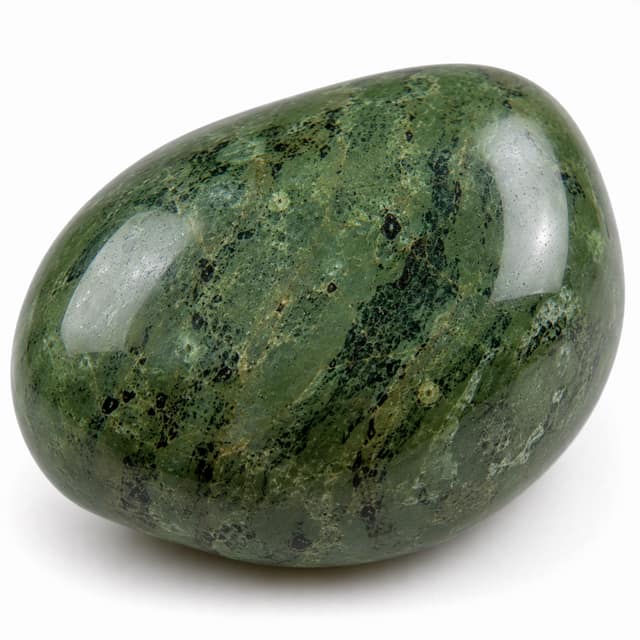
Green jasper is an opaque green chalcedony/jasper variety used in lapidary and ornamental work.
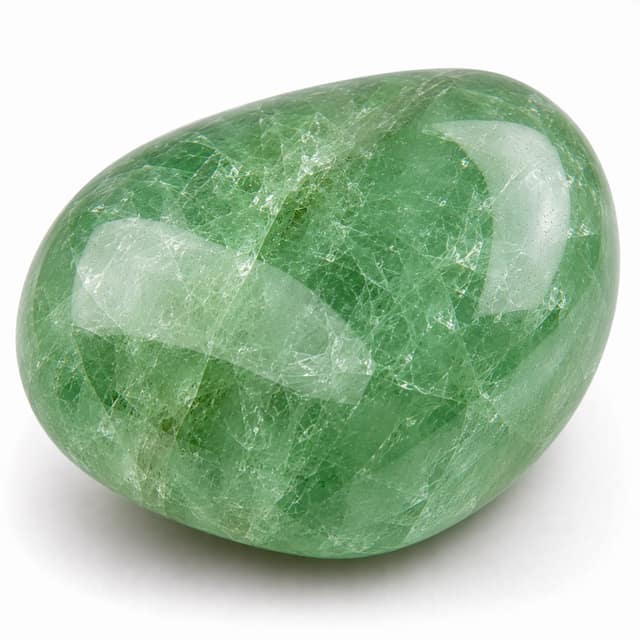
Green quartz is a broad trade category that may include naturally green included quartz or treated quartz.
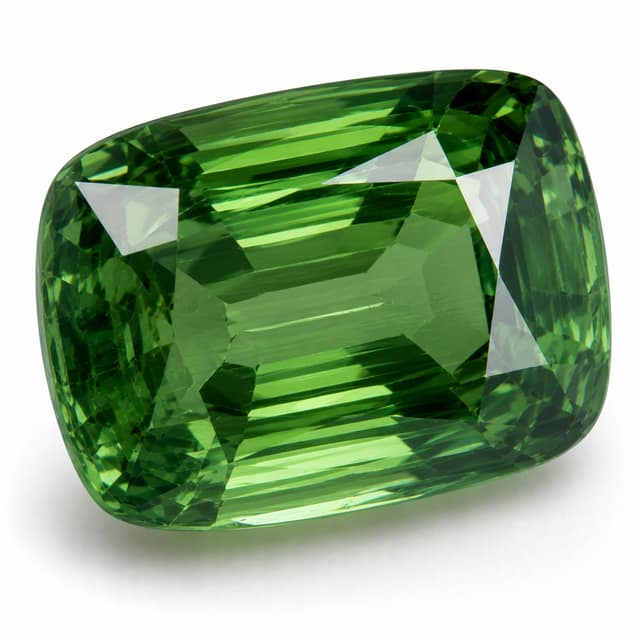
Green Tourmaline is often discussed with one eye on colour and the other on where the material comes from. That combination of green body colour, 7 Mohs hardness, and vitreous lustre is what usually makes it recognisable in practice.
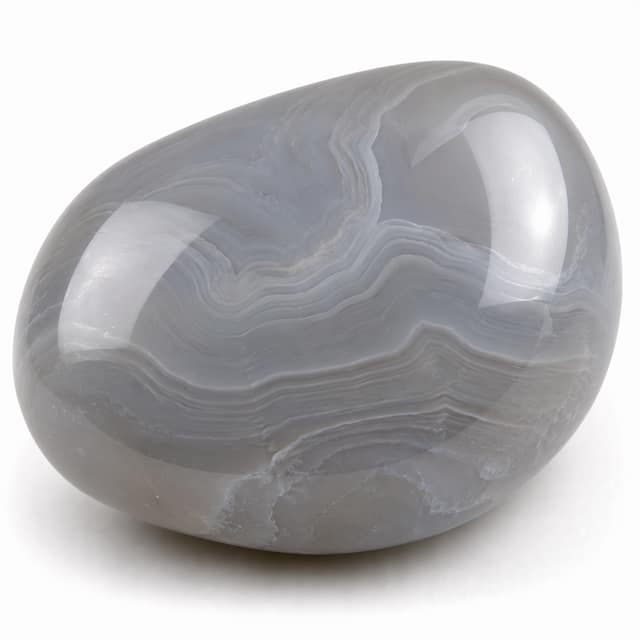
Grey chalcedony is a neutral-toned chalcedony variety used in cabochons, beads, and carvings.
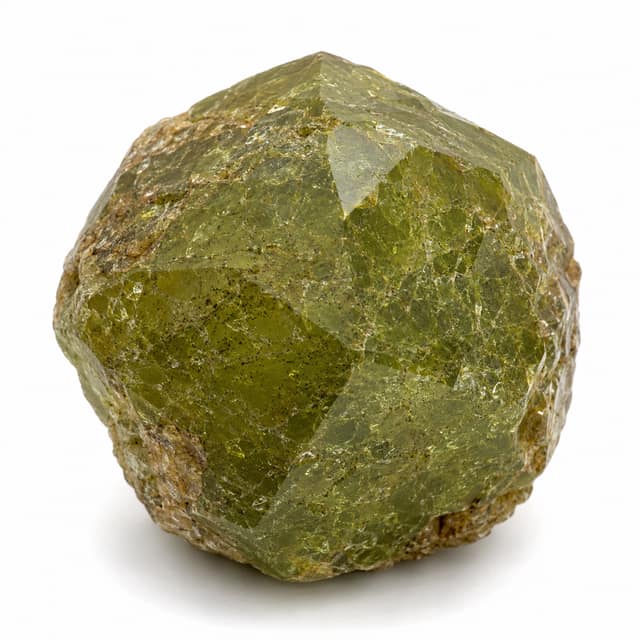
Grossular is a calcium-aluminum garnet species including tsavorite and hessonite varieties.
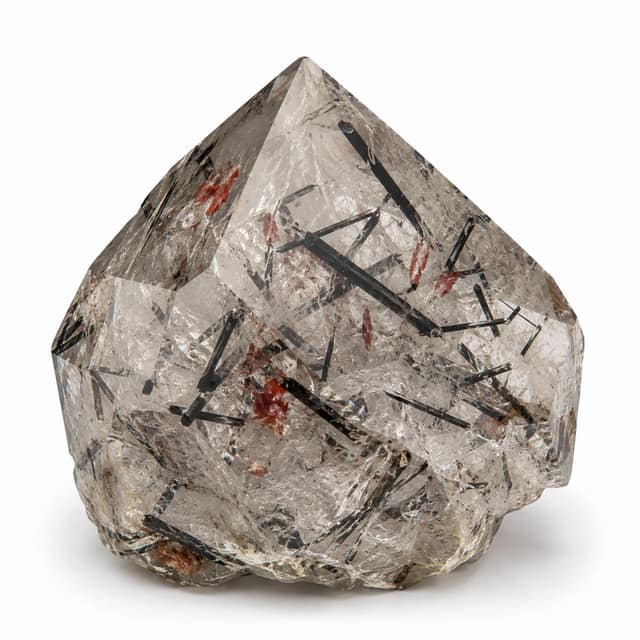
Harlequin quartz is a trade name used for quartz with vivid internal red/orange inclusion patterning.
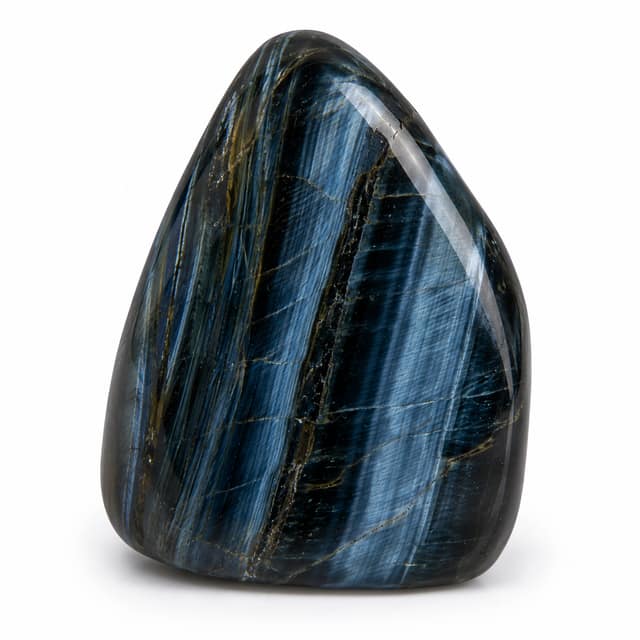
Hawk's eye is a blue-grey chatoyant quartz variety formed by silicification of fibrous host textures.
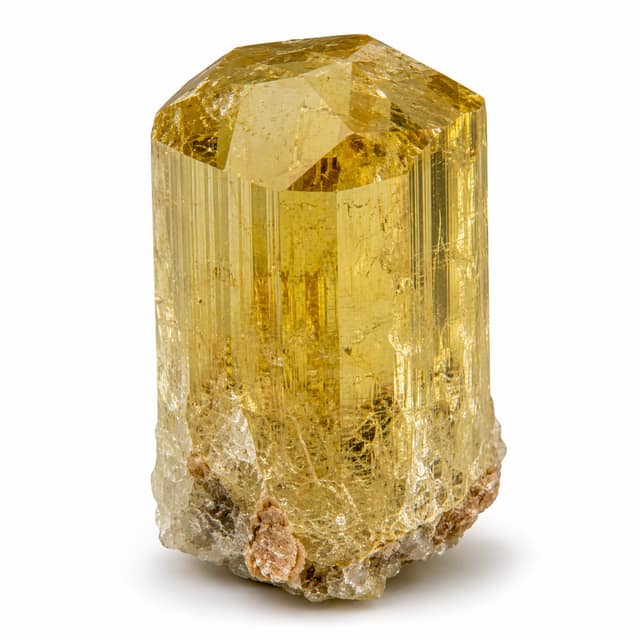
Locality plays an important role in how Heliodor is understood in the gem trade. Collectors and lapidaries comparing similar stones often come to it for different reasons, but identification still comes back to blue body colour, 7.5 Mohs hardness, and vitreous lustre. The secondary green note often matters more than people expect when separating it from lookalikes.
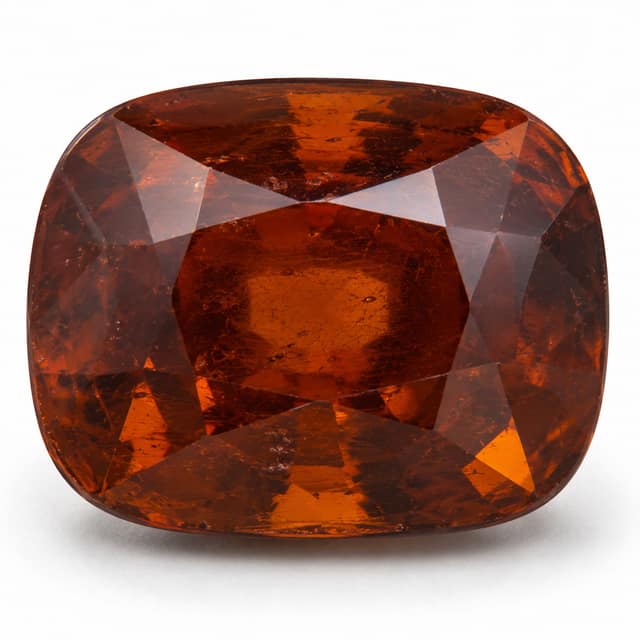
Hessonite is the orange to brownish-orange variety of grossular garnet.
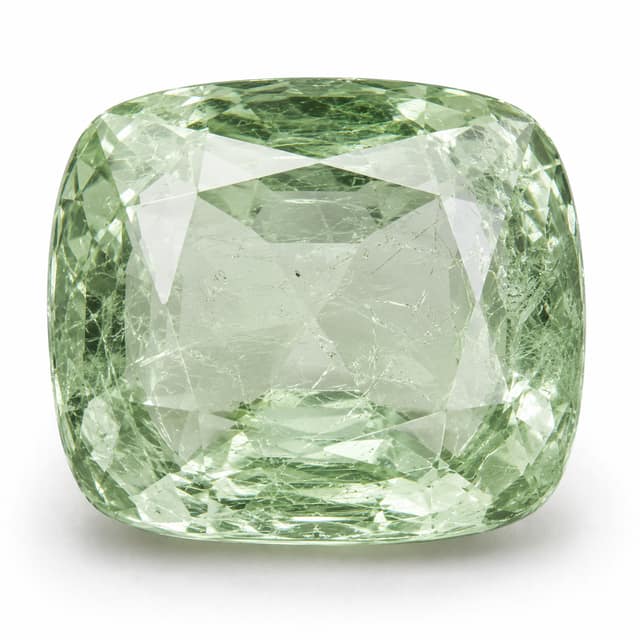
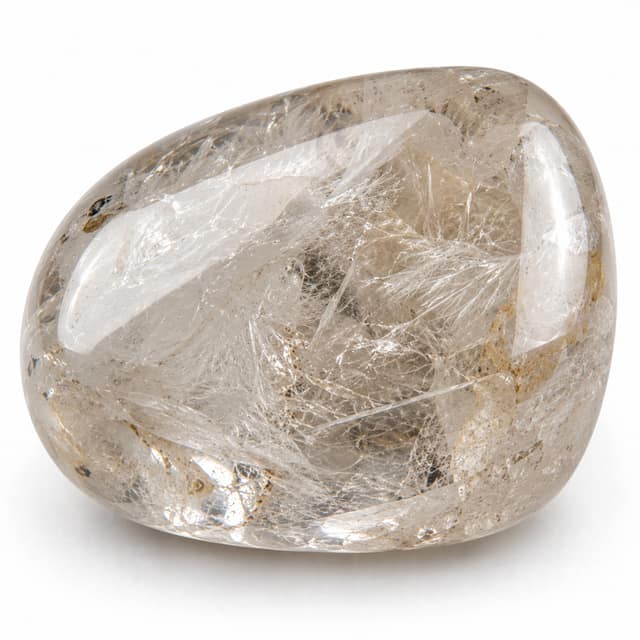
Hydro quartz refers to hydrothermally grown synthetic quartz used as a gem and decorative material.
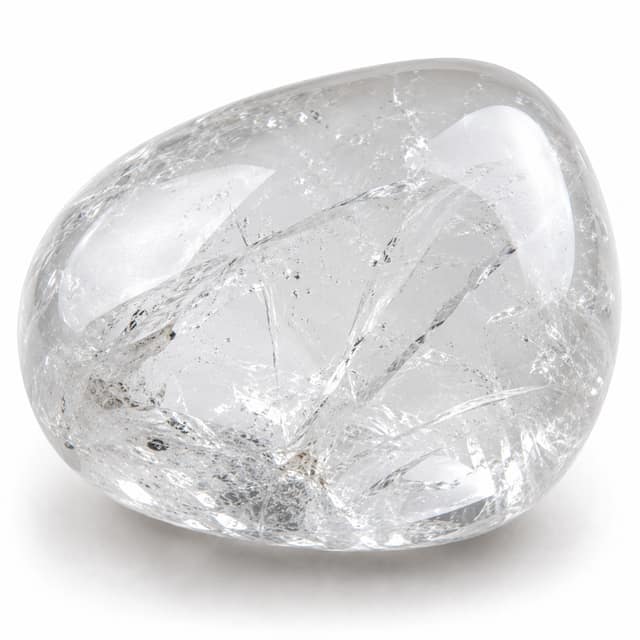
Ice quartz is a trade name for quartz with frosted or crackled internal appearance.
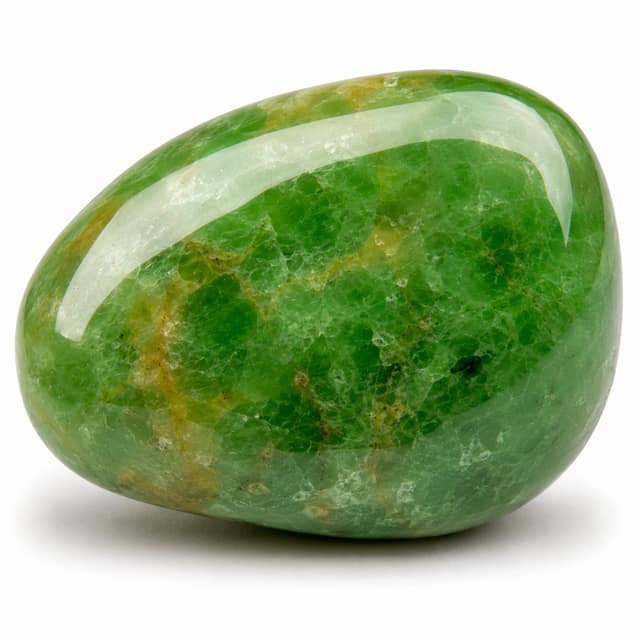
Imperial jade is the highest-value trade grade of vivid green jadeite, distinguished by color quality and translucency.
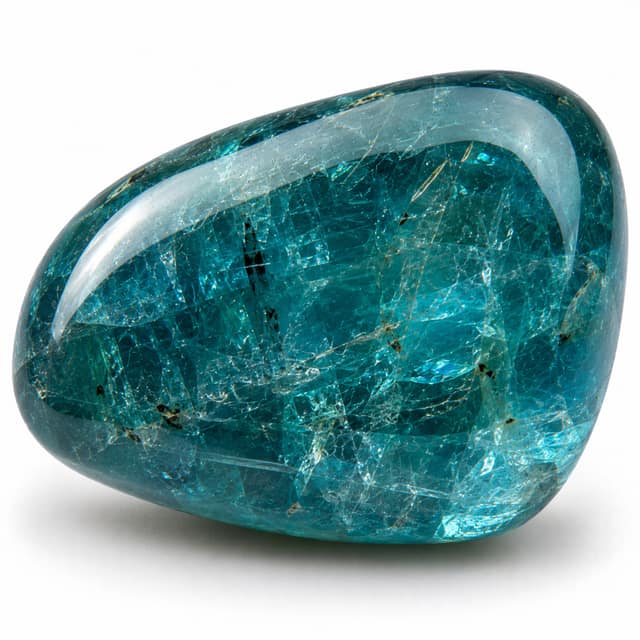
Part of the identity of Indicolite comes from the producing regions associated with it. That combination of green body colour, 7 Mohs hardness, and vitreous lustre is what usually makes it recognisable in practice. The secondary pink note often matters more than people expect when separating it from lookalikes.
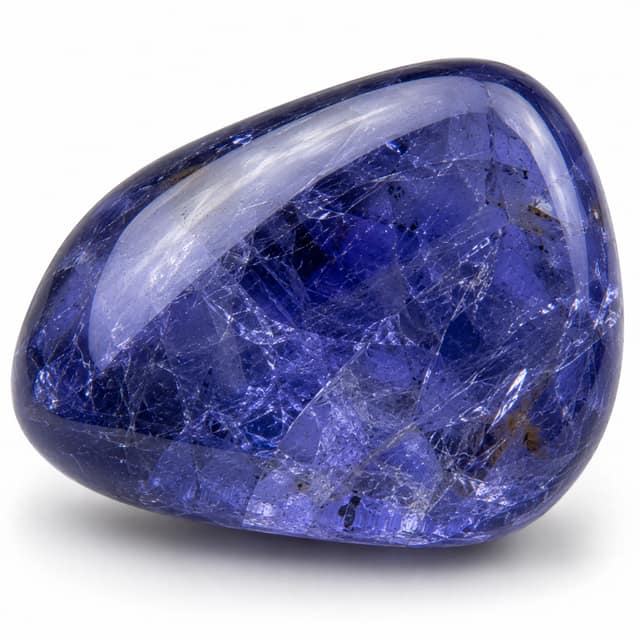
Iolite is the gem variety of cordierite, known for pronounced pleochroism from blue-violet to pale yellow-grey.
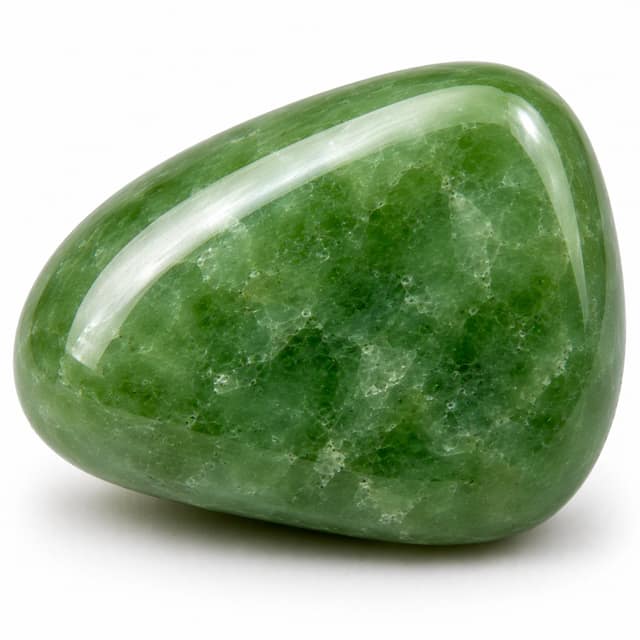
Jade is valued as much for texture and toughness as for colour. A fine piece has a compact, almost glowing appearance that feels different from ordinary green ornamental stone, which is one reason jade has held cultural importance for so many centuries.
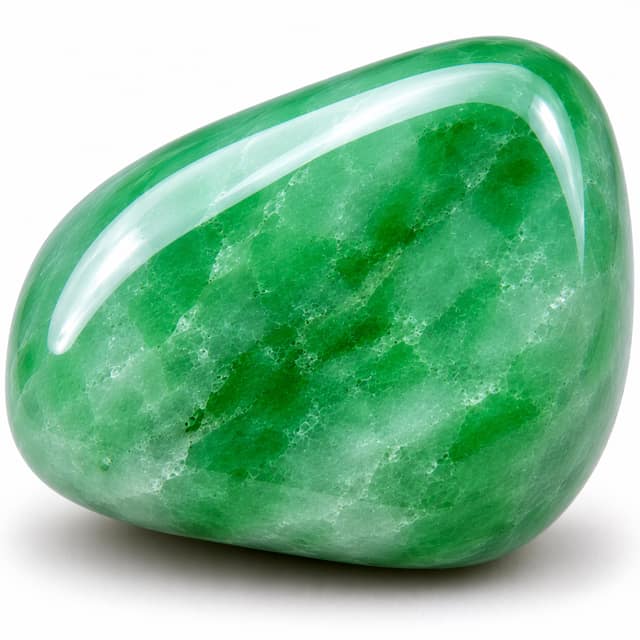
Part of the identity of Jadeite comes from the producing regions associated with it. That combination of green body colour, 6.5 Mohs hardness, and silky lustre is what usually makes it recognisable in practice. The secondary white note often matters more than people expect when separating it from lookalikes.
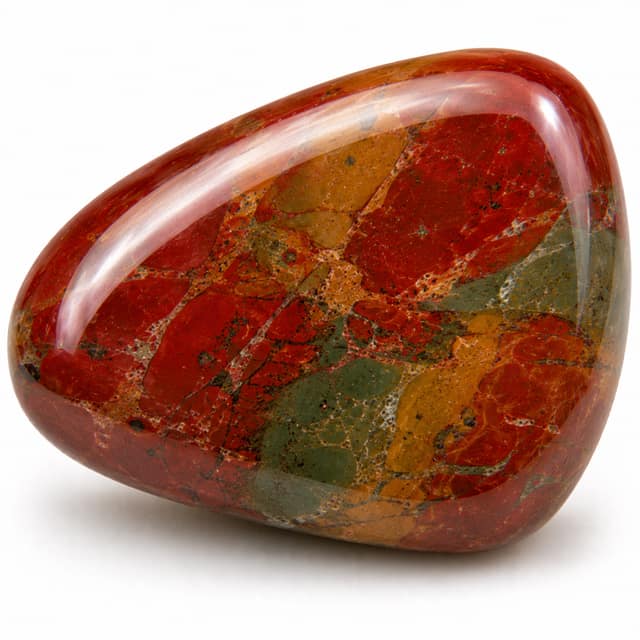
Jasper is an opaque microcrystalline quartz aggregate with diverse colors and patterns.
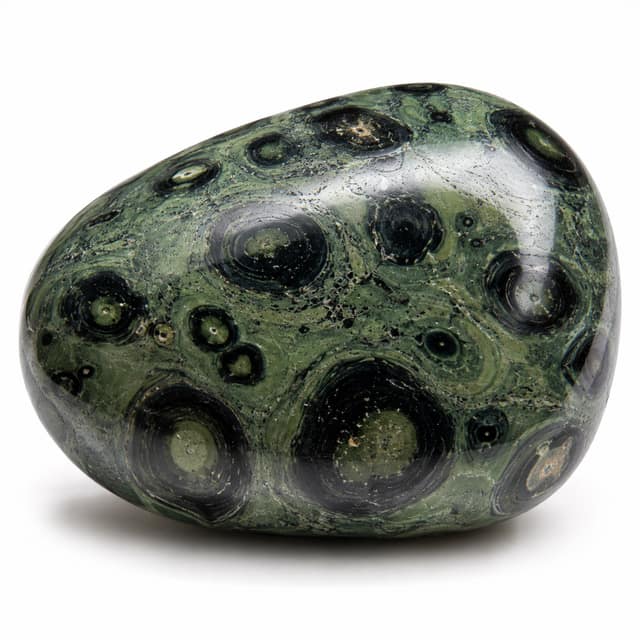
Kambaba jasper is a trade-name ornamental rock with green-black orbicular patterns, not a strict jasper species term.
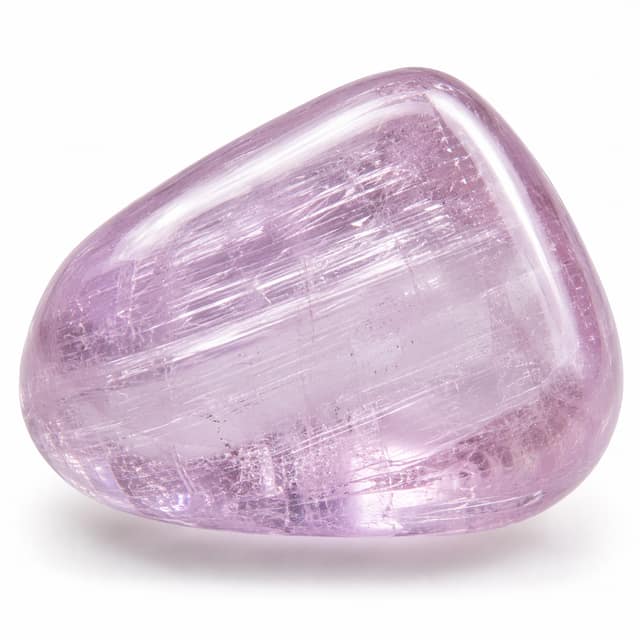
Kunzite profile is under factual gemological review. Properties shown here are provisional unless marked as verified.
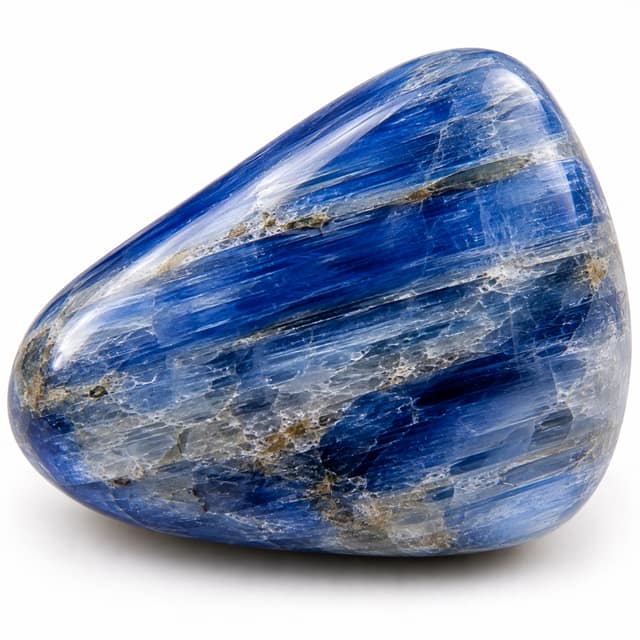
Kyanite is an aluminum silicate mineral notable for pronounced hardness anisotropy and blue pleochroic colour.
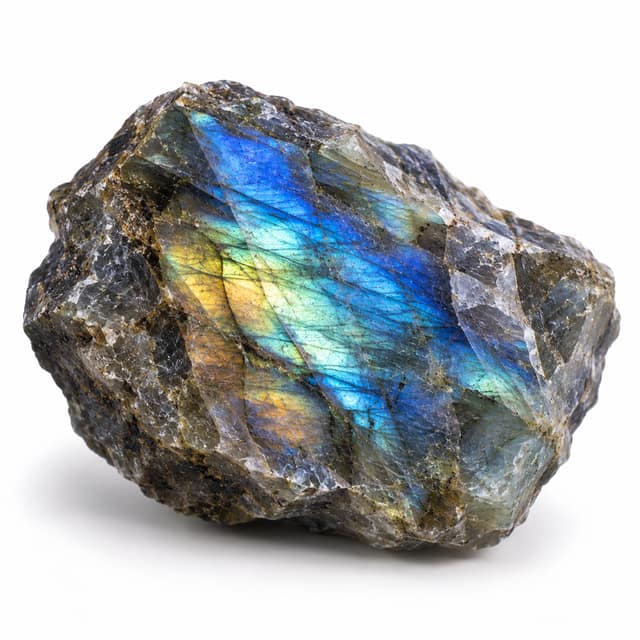
Labradorite is a plagioclase feldspar known for labradorescence caused by light interference in lamellar structures.
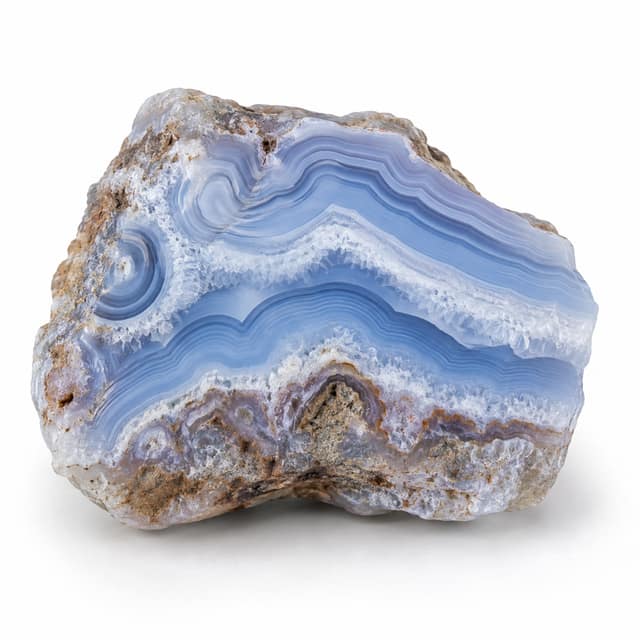
Laguna agate is a prized Mexican agate known for tight, colorful fortification banding.
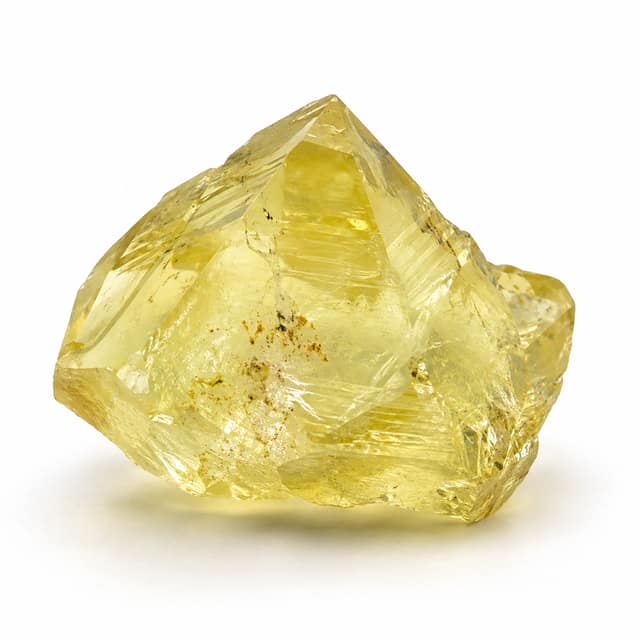
Lemon quartz is a trade name for bright yellow quartz, commonly achieved through irradiation and/or heat treatment.

Lemurian quartz is a trade term for naturally striated quartz crystals, not a distinct mineral species.
Libyan desert glass is a natural silica glass from the Sahara, widely considered impact-related in origin.
Liddicoatite is a calcium-rich tourmaline species known for striking multicolor zoning patterns.
Locality plays an important role in how Maxixe is understood in the gem trade. Collectors and lapidaries comparing similar stones often come to it for different reasons, but identification still comes back to blue body colour, 7.5 Mohs hardness, and vitreous lustre. The secondary green note often matters more than people expect when separating it from lookalikes.
Melanite is a black titanium-rich variety of andradite garnet.
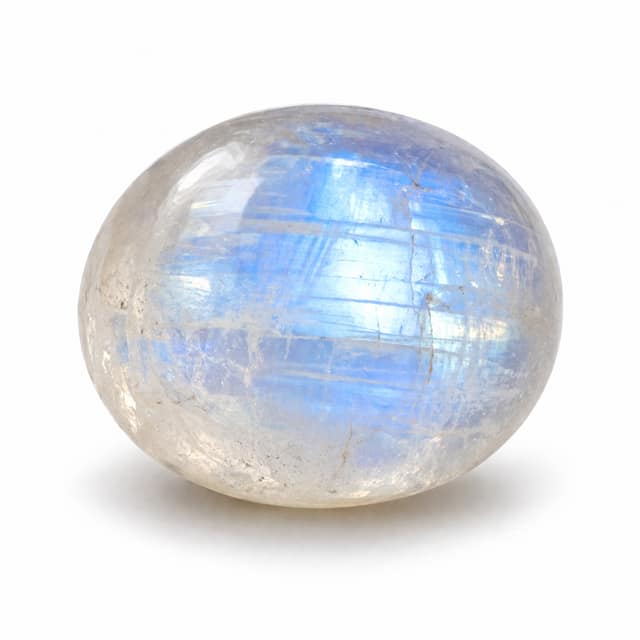
Moonstone is recognised by light that seems to float just beneath the surface. That soft billowing glow gives even simple cabochons an internal life that is very different from the brilliance expected in faceted transparent gems.
Morganite profile is under factual gemological review. Properties shown here are provisional unless marked as verified.
Moss agate is chalcedony containing green mineral inclusions that resemble moss or vegetation.
Moss chalcedony is a chalcedony variety featuring natural dendritic or mossy internal inclusions.
Mutton fat jade is a trade descriptor for high-quality creamy white jade material, commonly nephrite.
Nephrite profile is under factual gemological review. Properties shown here are provisional unless marked as verified.
Nigrine is an ambiguous term in gem trade usage and should be tied to tested mineral identity before strict species claims.
Ocean agate is a trade-name patterned agate category rather than a separate mineral species.
Ocean jasper is a trade name for orbicular patterned chalcedony/jasper material, chiefly from Madagascar.
Ocean jasperite is a trade descriptor for patterned ornamental material, not a strict mineral species.
Olivine is a magnesium-iron silicate mineral; transparent gem-quality material is known as peridot.
Onyx is a parallel-banded chalcedony variety of quartz, traditionally black and white in layered form.
Orthoclase is a monoclinic potassium feldspar species and an important member of the moonstone feldspar series.
Paraiba Tourmaline profile is under factual gemological review. Properties shown here are provisional unless marked as verified.
Peridot is easiest to understand by starting with green and brown colour. That combination of green body colour, 6.5 Mohs hardness, and vitreous lustre is what usually makes it recognisable in practice. The secondary brown note often matters more than people expect when separating it from lookalikes.
Petrified wood is fossil wood in which original organic tissue has been replaced by silica minerals.
Phantom quartz contains internal growth-stage outlines recording episodic crystal development.
Picasso jasper is a trade-name patterned decorative rock used for graphic line-based lapidary designs.
Picture jasper is a patterned jasper variety known for natural landscape-like designs.
Pietersite is a brecciated chatoyant quartz aggregate with dramatic directional luster.
Pink chalcedony is a pastel pink chalcedony variety used in beads and cabochon jewelry.
Locality plays an important role in how Pink Tourmaline is understood in the gem trade. Collectors and lapidaries comparing similar stones often come to it for different reasons, but identification still comes back to pink body colour, 7 Mohs hardness, and vitreous lustre.
Prasiolite is a green quartz trade variety, most commonly produced via treatment.
Prehnite is a calcium aluminum silicate used as a translucent green gemstone and collector mineral.
Pyrite is an iron sulfide mineral used in jewelry and ornament for its metallic luster and brassy color.
Pyrope is a magnesium-rich red garnet species prized for saturated color and durability.
Rainbow moonstone is a trade name typically applied to white labradorite showing colorful flash.
Raspberry quartz is a trade term for red-pink quartz material, requiring treatment disclosure when applicable.
Red Beryl is often discussed with one eye on colour and the other on where the material comes from. Collectors and lapidaries comparing similar stones often come to it for different reasons, but identification still comes back to red body colour, 7.5 Mohs hardness, and vitreous lustre.
Red jasper is an iron-rich opaque chalcedony variety used extensively in lapidary work.
Rhodolite is a pyrope-almandine garnet blend valued for bright rose-red to purplish-red color.
Rhodonite is a manganese silicate gemstone recognized by pink body colour and dark manganese-oxide veining.
Rose aura quartz is coated quartz designed to create pink iridescent surface effects.
Rose quartz is the pink variety of quartz, usually found as translucent massive material and less commonly as transparent crystals.
Part of the identity of Rubellite comes from the producing regions associated with it. Collectors and lapidaries comparing similar stones often come to it for different reasons, but identification still comes back to green body colour, 7 Mohs hardness, and vitreous lustre. The secondary pink note often matters more than people expect when separating it from lookalikes.
Rutilated quartz is quartz containing visible rutile needles that create distinctive internal patterns.
Sardonyx is a banded chalcedony combining sard-colored and onyx-style layers.
Schorl is the black iron-rich tourmaline species widely used in mineral and decorative markets.
Smoky quartz is the brown variety of quartz, its colour linked to natural irradiation and trace aluminum.
Spectrolite is a labradorite variety known for strong multicolor labradorescence.
Spessartine is a manganese-rich garnet known for bright orange brilliance.
Spirit quartz is a trade name for quartz clusters with sparkling secondary overgrowths.
Strawberry quartz is a quartz trade variety with red-pink coloration often linked to internal inclusions.
Sugilite is a rare purple cyclosilicate prized in collector and ornamental jewelry markets.
Sunrise jasper is a trade-name patterned jasper category emphasizing warm multitone color scenes.
Sunstone is a feldspar gemstone exhibiting aventurescent glitter from reflective inclusions.
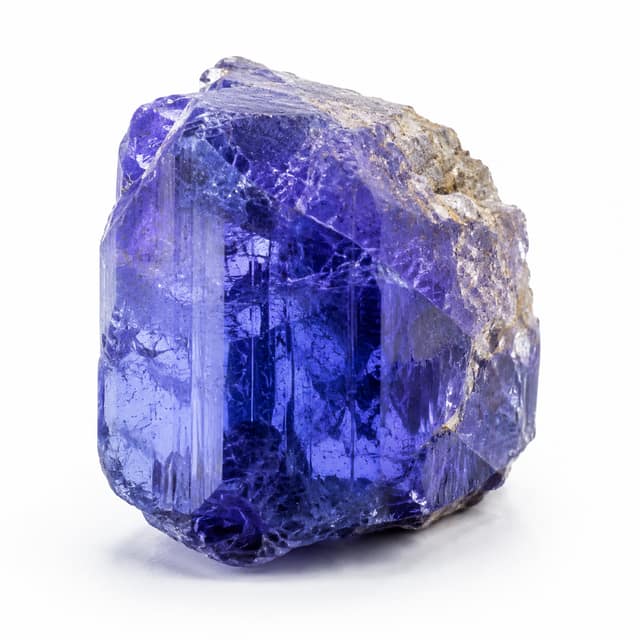
Tanzanite is one of the few gemstones whose identity is closely tied to a single modern locality. Its blue-to-violet colour and pleochroic character give it an instantly contemporary profile among transparent jewellery stones.
Thulite is a pink variety of zoisite used mainly in carvings and cabochons.
Tiger iron is a layered ornamental rock combining tiger eye, jasper, and hematite components.
Tiger's eye is a chatoyant quartz variety known for a bright moving eye effect.
Tourmalinated quartz is quartz with visible black tourmaline inclusions creating striking contrast.
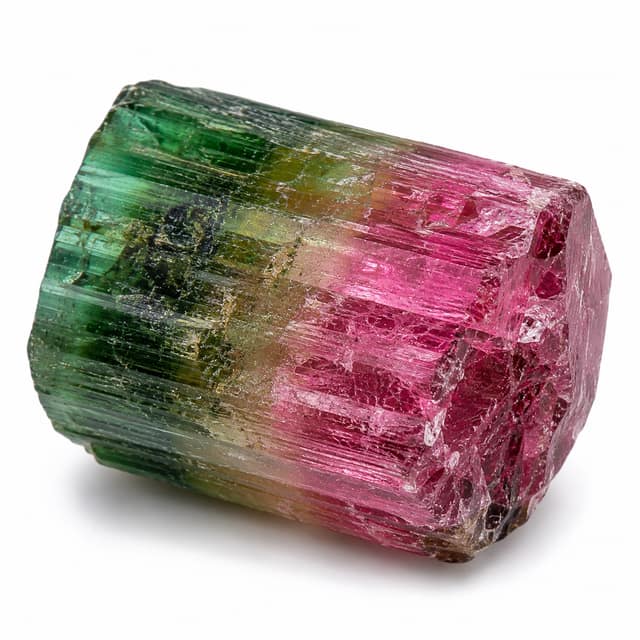
Locality plays an important role in how Tourmaline is understood in the gem trade. That combination of green body colour, 7 Mohs hardness, and vitreous lustre is what usually makes it recognisable in practice. The secondary pink note often matters more than people expect when separating it from lookalikes.
Tsavorite is the vivid green variety of grossular garnet colored by vanadium/chromium.
Uvarovite is the chromium-rich green garnet species known for vivid drusy crystal clusters.
Vesuvianite, also known as idocrase, is a calcium-rich silicate gemstone species.
Watermelon tourmaline is a zoned tourmaline variety typically showing pink core and green rim coloration.
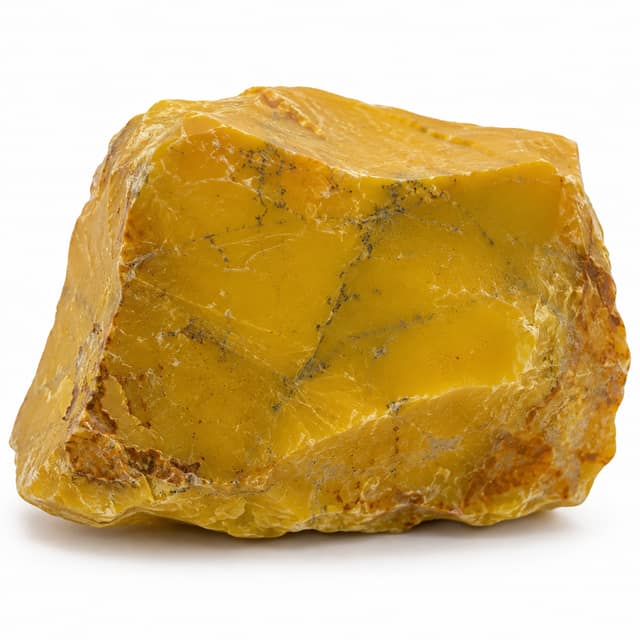
Yellow jasper is an opaque chalcedony variety colored by iron-bearing components.
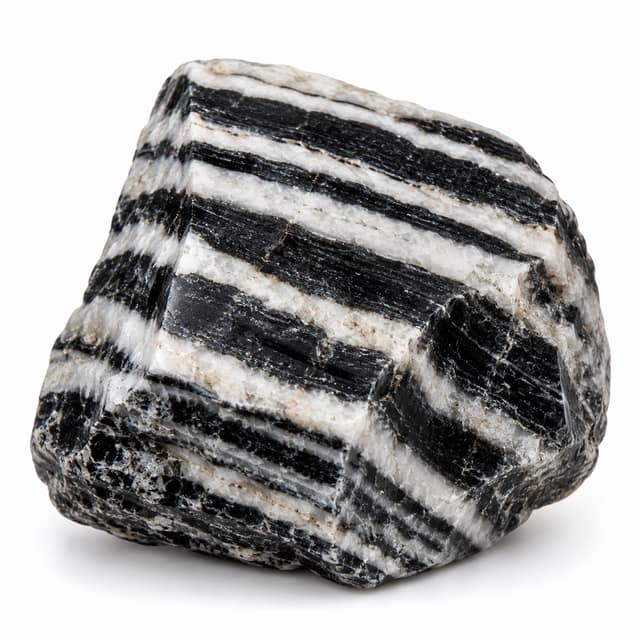
Zebra jasper is a patterned ornamental stone category defined by high-contrast striping.
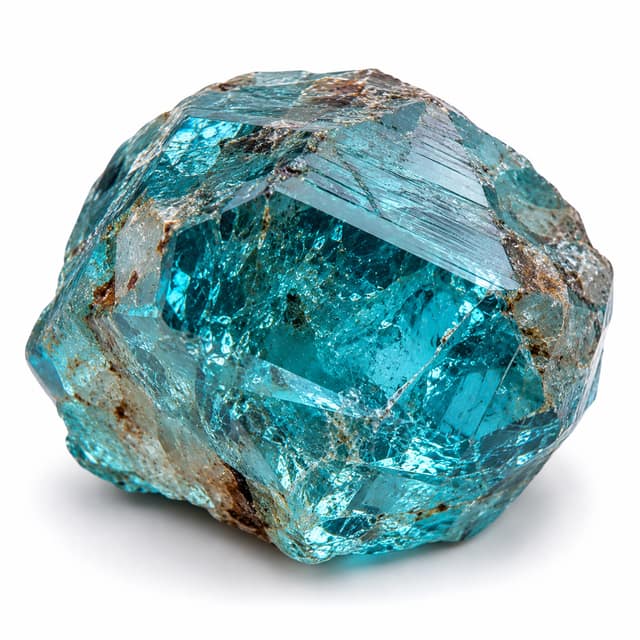
Zircon is a natural zirconium silicate gemstone known for high dispersion and brilliance.
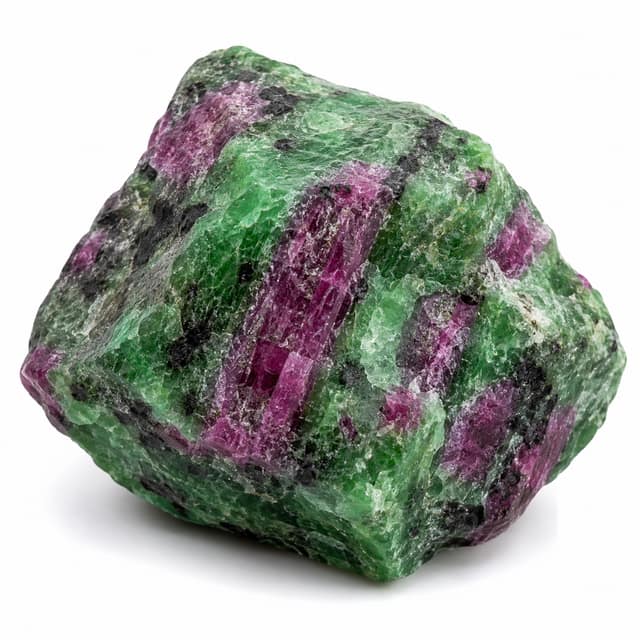
Zoisite is an orthorhombic sorosilicate species encompassing several gem varieties.